Best Bamboo Towels: Which One Fits the Way You Use It? 2026
Disclosure: We may earn a commission when you buy through links on this page, at no extra cost to you. As an Amazon Associate I earn from qualifying purchases. Learn more
Best bamboo towels compared by absorbency, weight, size, and care, for daily showers, guests, travel, and kitchen routines.
No single towel suits every routine, because a towel for a quick morning shower has different needs than a towel for guests, travel, or kitchen work. Some people want thick, plush towels that feel warm after a shower, while others want light towels that dry fast and pack small. This guide explains best bamboo towels by use case, so you can match weight, size, and care needs to how you actually live, and the comparison table below gives a quick side by side view of the main types.
Bamboo towels are made from bamboo fiber, often blended with cotton, and they are known for softness and absorbency. That softness alone does not tell you whether a towel will suit your bathroom, your laundry routine, or your storage space. A very thick towel can feel luxurious but take a long time to dry between uses, while a thin towel can dry fast but feel less cozy. Use the sections below to weigh those tradeoffs before you buy a full set.

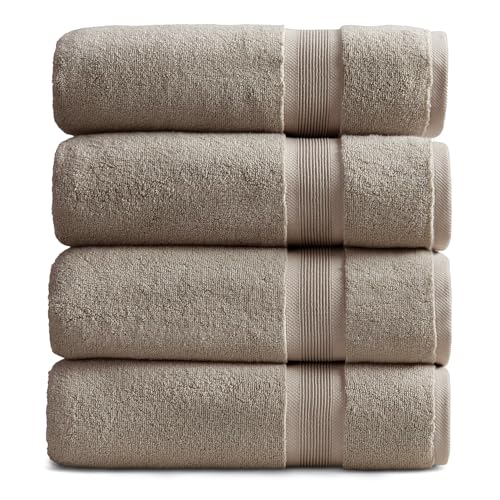
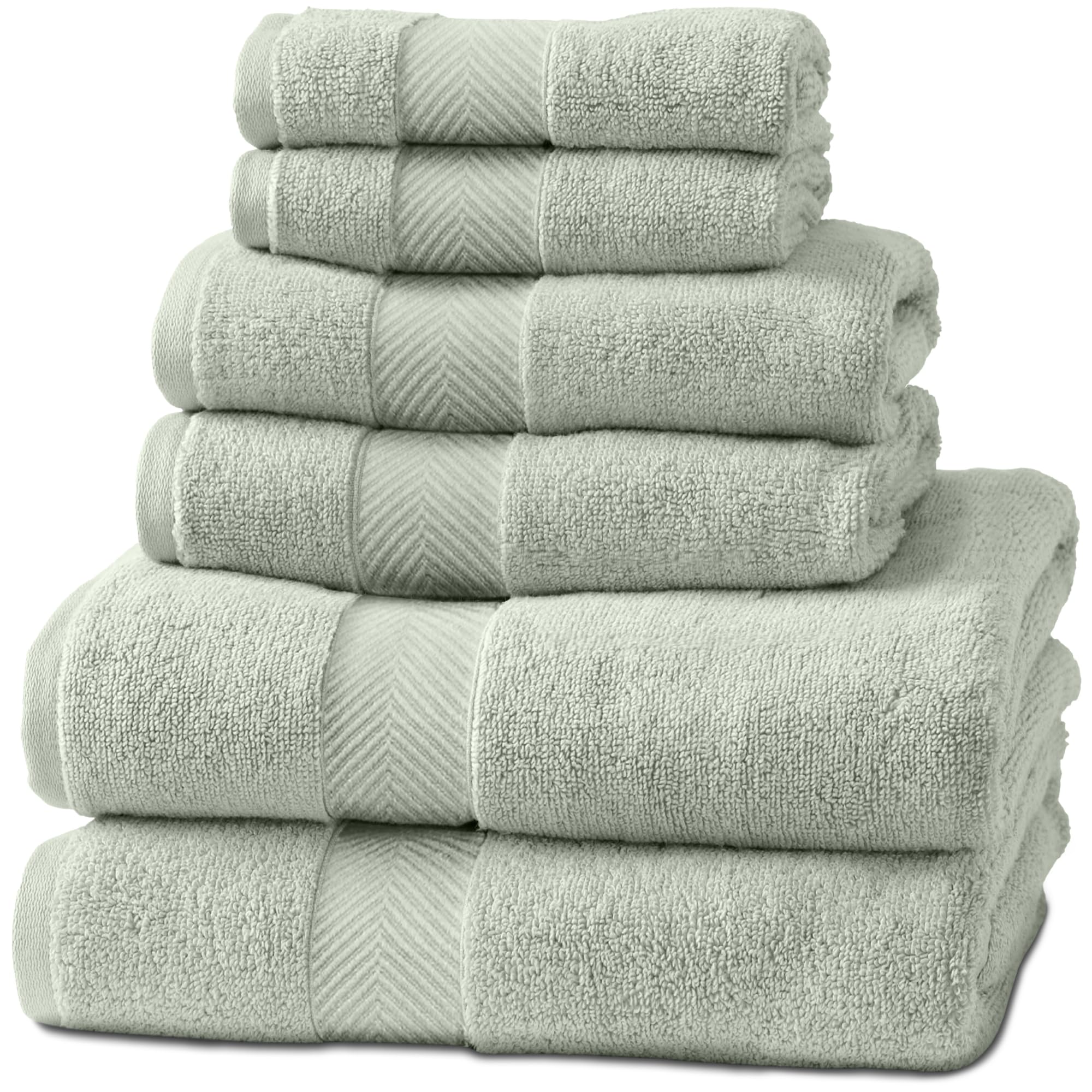


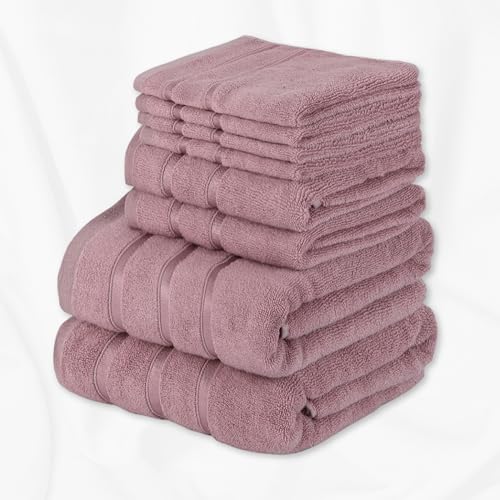


Who Should Buy Which Bamboo Towels?
For Gift Shoppers
Gift shoppers should look for towels that feel good on first touch, come in a neat set, and are easy for the recipient to care for. A medium weight towel in a neutral color is a safe choice, because it suits most bathrooms and does not demand special washing steps. Check the return and warranty terms, because a gift that sheds heavily or loses softness after a few washes can disappoint even if it feels plush in the package. A simple care label, with no fabric softener needed and no delicate cycle required, makes the gift easier to enjoy.
For Value Seekers
Value seekers should balance purchase price against durability, because the cheapest towel can cost more over time if it thins, frays, or loses absorbency quickly. Look for dense stitching, reinforced edges, and a weight that feels substantial without being so thick that it stays damp all day. A set of four to six towels often offers better value than a single premium towel, especially for a busy household. Compare cost per towel, not only the set price, and check how the towel holds up after repeated washing.
For First Time Buyers
First time buyers should start with a simple, versatile towel rather than a specialized luxury option. A medium weight bath towel in a standard size covers most daily needs, and it lets you learn how bamboo fiber feels and dries in your own bathroom before you invest in a larger set. Avoid towels with heavy decorative borders or unusual sizes at first, because they can be harder to fold, store, and wash. Once you know your preferred weight and size, you can add hand towels or washcloths in the same fiber.
Picking the Right Bamboo Towels for Different Uses
Best Cotton Bamboo Towels: What to Prioritize
Cotton bamboo towels blend bamboo fiber with cotton to balance softness, strength, and drying speed. Cotton adds structure and durability, which helps the towel keep its shape after many washes, while bamboo fiber contributes softness and absorbency. When you compare blends, look for a towel that feels soft without feeling slippery, and check whether the edges stay flat after washing. A blend with too little cotton can stretch or thin faster, while a blend with too little bamboo fiber may feel no different from a standard cotton towel.
Key Features to Compare
| Type | Best for | Main tradeoff |
|---|---|---|
| Thick bath towels | Daily showers and cozy use | Slower to dry between uses |
| Lightweight towels | Travel and humid bathrooms | Less plush feel |
| Kitchen towels | Dishes and counter wiping | Smaller size for body use |
| Blended towels | Durability and easy care | Less pure bamboo softness |
Performance and Absorbency
Absorbency depends on fiber, weave, and weight together, not on any single number. A towel with a dense loop pile usually holds more water than a flat weave towel of the same size, but it also takes longer to dry after use. In a humid bathroom, a lighter towel that dries between showers may be more practical than a very thick towel that stays damp. Check absorbency in real use: a good towel should dry your skin in a few passes without needing to wring it out, and it should not leave lint behind.
Comfort, Feel, and Weight
Weight, often described by grams per square meter, gives a useful clue about feel. Lighter towels, around 300 to 400 grams per square meter, feel thin and dry fast, while medium towels, around 400 to 550 grams per square meter, feel balanced for daily use. Heavier towels, above 550 grams per square meter, feel plush and warm but need more drying time and more storage space. Choose weight by your routine: a small bathroom with poor airflow suits a lighter towel, while a spacious bathroom with good ventilation can handle a heavier towel.
Certifications and Safety
Certifications can help you compare towels, but they do not all mean the same thing. A textile safety certification means the finished fabric was checked for harmful substances, which is reassuring for towels used on skin. Water saving labels and similar marks belong to fixtures and shower products, not to towels, so do not let an unrelated label sway your choice. Read the fiber content label instead, and check whether the towel is pure bamboo fiber, a bamboo and cotton blend, or mainly cotton with a small bamboo share.
Material, Construction, and Size
Construction matters as much as fiber. Look for tightly woven loops, double stitched hems, and edges that lie flat rather than curling. Turkish cotton and Egyptian cotton are cotton types sometimes used in blends, and they can add softness and strength, but the weave and weight still matter more than the cotton name alone.
Size also matters: a standard bath towel suits most adults, while an oversized bath sheet suits people who want more coverage or who use the towel after a bath rather than a quick shower. Measure your towel rail and storage shelf before choosing an oversized option.
Common Mistakes to Avoid When Buying Bamboo Towels
- Choosing by price alone, without checking weight, stitching, and how the towel feels after washing.
- Ignoring drying time, especially in a humid bathroom where a thick towel can stay damp and develop a musty smell.
- Buying the wrong size, such as a bath sheet for a small rail, or a small towel when you want full coverage after a shower.
- Skipping warranty and return terms, which matter if a towel sheds heavily or loses softness quickly.
- Using fabric softener, which can coat fibers and reduce absorbency over time.
Tips to Get the Most From Your Bamboo Towel
Wash new towels before first use to remove loose fibers and improve absorbency. Skip fabric softener on towels, because it coats the fibers and makes them less able to hold water. Dry towels fully between uses, and hang them spread out rather than bunched up, so air can reach the whole surface.
A vinegar rinse now and then can help remove buildup, but do not use it as a substitute for regular washing. If you use towels in a kitchen, keep dish towels separate from bath towels to avoid cross contamination and to keep each set in better condition.
For related options, see our guide to best bamboo paper towels if you want a disposable option for quick kitchen cleanups. For bath use, compare best bamboo bath towels for larger sizes and thicker piles. Shoppers in Australia can check best bamboo towels australia for region specific sizing and availability, while kitchen focused buyers can read best bamboo kitchen towels. For a broader quality comparison, see best quality towels alongside this guide, and remember that the product table summarizes the main types discussed here.
Frequently Asked Questions
How often should I replace bamboo towels?
You should replace bamboo towels when they lose absorbency, develop thin spots, or keep a musty smell after washing and full drying. For daily use towels, that point often arrives after about two to three years, though careful washing can extend their life. Towels used only for guests may last much longer, because they are washed far less often. Replace a towel sooner if the edges fray badly, because loose threads can catch and tear further during washing.
Are luxury bamboo towels worth the extra cost?
Luxury bamboo towels are worth the extra cost if you value a thick, plush feel and you have a bathroom that lets them dry fully between uses. The extra weight and denser pile can feel warmer and more comfortable after a shower, but they also need more drying time and more storage space. For a humid bathroom, a guest bathroom, or travel use, a medium weight towel often offers better everyday value. Judge luxury by weight, stitching, and post wash softness, not by packaging alone.
How do I keep bamboo towels fresh longer?
You can keep bamboo towels fresh longer by drying them fully between uses, washing them regularly, and skipping fabric softener. Hang towels spread out so air reaches the whole surface, and avoid leaving a damp towel bunched on a rail for a full day. Wash towels in warm water with a mild detergent, and dry them thoroughly before folding and storing. If a towel develops a musty smell, wash it again with a vinegar rinse and dry it completely in fresh air when possible.
What weight is best for bamboo towels?
A medium weight, around 400 to 550 grams per square meter, is best for most daily bamboo towels. This range balances absorbency, softness, and drying time, and it suits standard bathrooms with normal airflow. Lighter towels suit travel, gym bags, and humid bathrooms, while heavier towels suit people who want maximum plushness and have good ventilation. If you are unsure, start with a medium weight towel and adjust up or down based on how fast it dries in your own bathroom.
Can bamboo towels work well in a kitchen?
Bamboo towels can work well in a kitchen when you choose a smaller, lighter towel designed for wiping and drying dishes. Kitchen towels need to dry fast between uses, resist staining, and survive frequent washing, so a thin, durable weave often beats a thick bath towel. Keep kitchen towels separate from bath towels, and wash them often to prevent odors. Avoid using a thick bath towel for kitchen work, because it stays damp longer and takes up more rail space.
Final Thoughts
The right bamboo towel depends on your routine, not on a single best weight or brand claim. A medium weight towel suits most daily showers, a light towel suits travel and humid bathrooms, and a thicker towel suits cozy, spacious bathrooms with good airflow. Check fiber content, stitching, size, and care needs together, and remember that a towel that dries well between uses will stay fresher longer than a towel that only feels plush when new.
Before you buy a full set, try one towel first, wash it a few times, and see how it feels and dries in your own home. With that done, choosing among the best bamboo towels becomes easy, guided by the product table and by how you actually use a towel each day.