
Best Binoculars with Smartphone Adapter for 2026: Everything to Know Before Your First Purchase
Disclosure: We may earn a commission when you buy through links on this page, at no extra cost to you. As an Amazon Associate I earn from qualifying purchases. Learn more

Shopping for the best binoculars with smartphone adapter for the first time? Learn the terms, compare options, and avoid rookie mistakes with this easy guide.
A smartphone adapter lets your phone camera look through one eyepiece, so a distant bird or deer becomes a photo you can keep and share. Choosing the best binoculars with smartphone adapter for your needs means matching the optics and the adapter together, because a poor fit ruins sharp images. This guide starts with the basics and uses the comparison table below to connect each term to a buying choice.
You need a steady image, an adapter that fits your eyepiece and phone, and focus controls you can adjust slowly. The sections below explain those points.
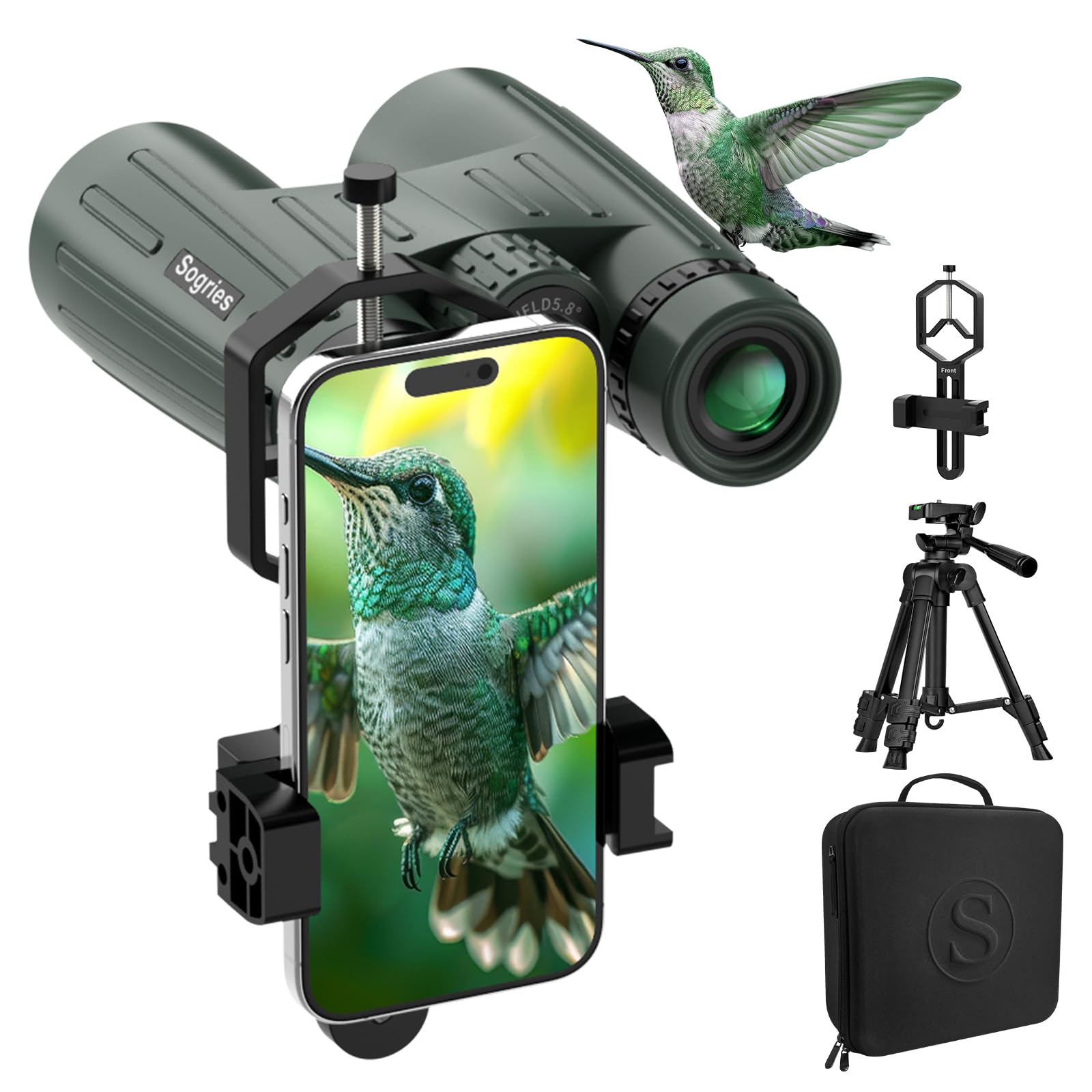


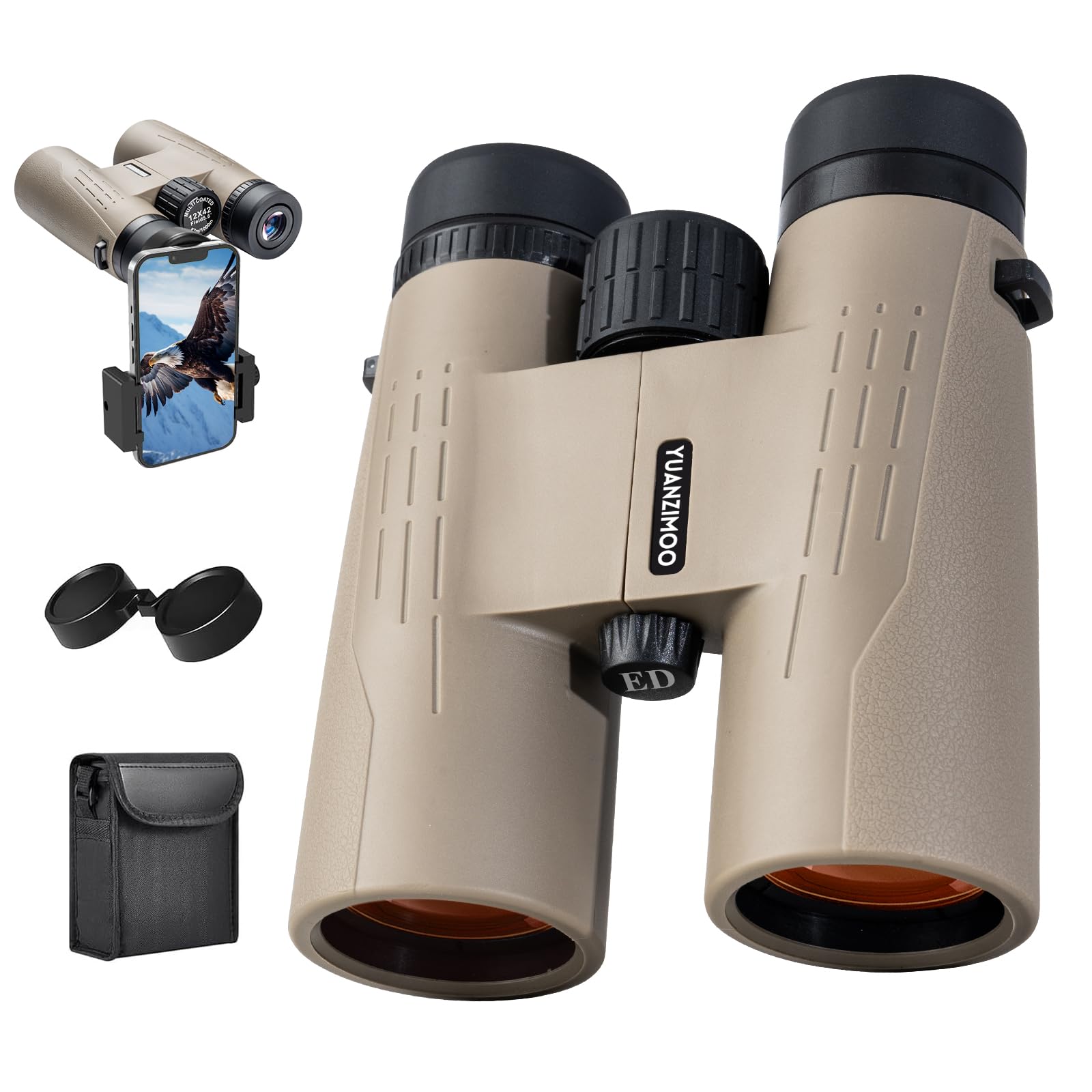
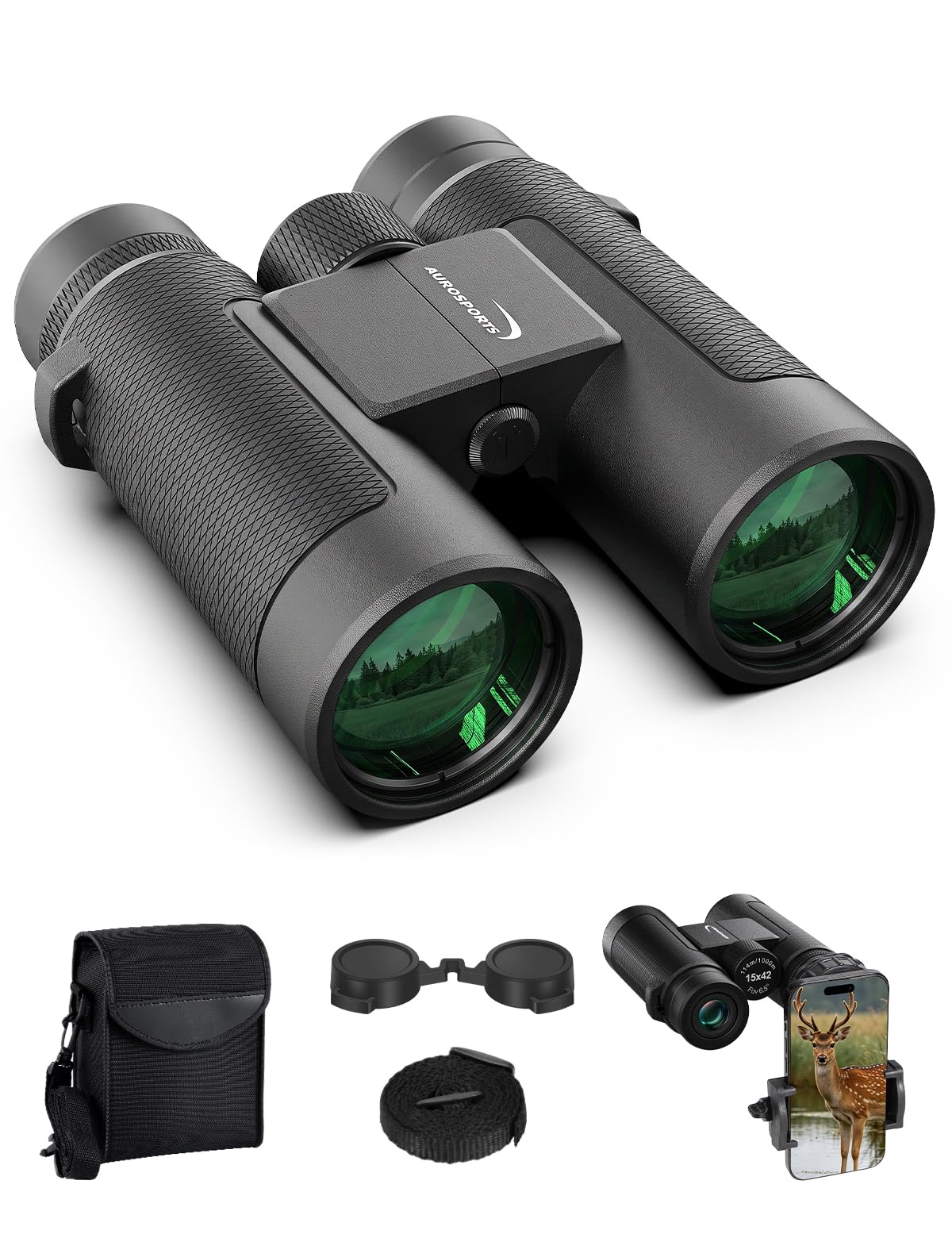
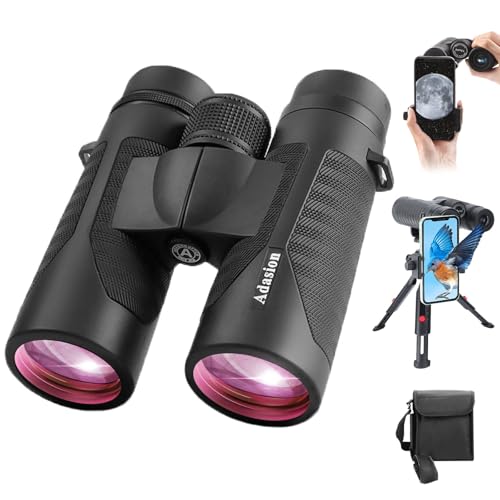

Who Should Buy Binoculars With a Phone Adapter?
Buy this setup when you want a record of what you saw, not only a closer view. If you never take photos outdoors, a plain pair costs less.
Birdwatchers Who Want Photo Records of Sightings
You watch a bird briefly and want proof of markings for later identification at home. An adapter lets you capture the head pattern and bill shape that memory fades quickly. Choose moderate magnification and a wide view, because birds move and a narrow view makes them hard to track. If you compare options in our guide to the best binoculars for birdwatching, apply the same tracking needs when you add a phone.
Hunters and Wildlife Watchers Who Share What They See
You sit still for long periods and want to send a photo to a friend or study an animal more carefully later. A phone screen is larger than an eyepiece view, so a group can look together. Choose a stable adapter and plan for a tripod during long waits, because holding a phone and binoculars still gets harder as arms tire.
New Watchers Who Learn by Reviewing Their Photos
You are building identification skills and learn faster when you can study a photo after the moment has passed. A basic adapter on a clear and bright pair suits you better than extreme magnification that shakes. Your photos also build a record by place and season. Readers comparing general optics quality can also see our guide to the best rated binoculars for context on glass and build.
Key Features to Compare
Compare the optics and the adapter as one system. The best binoculars with smartphone adapter choices fail most often at the connection point, so check fit before you pay for extra magnification.
Magnification and Lens Size for a Bright Phone Image
The first number is magnification and the second is the front lens width in millimeters, so 8x42 means eight times closer with 42 millimeter front lenses. Your phone needs light for a fast shutter speed, and larger front lenses gather more light. Higher magnification also magnifies hand shake and narrows your view. For most first time buyers, 8x42 or 10x42 gives a useful balance. Choose 8 power if you walk and shoot while standing, and 10 power if you often sit and rest your elbows.
Adapter Fit for Your Eyepiece and Your Phone
An adapter clamps to one eyepiece and holds your phone camera over its center. Check the eyepiece diameter range against your binoculars, and check the phone width range against your phone with its case on. Phones place their main camera in different corners and centers, so look for an adapter that slides in two directions. A metal clamp with a soft lining grips firmly without scratching. If the listing gives no diameter range, skip it, because guessing leads to a loose fit and dark edges.
Eye Relief and Eyecup Settings for Camera Alignment
Eye relief is the distance where your eye or your phone camera sees the full round image without black edges. Your phone lens must sit near that distance, so an adapter with small depth adjustments helps you find the full circle. Many users turn the eyecup on the camera side fully down before mounting. If you wear glasses, you need eye relief of about 15 to 18 millimeters, and that margin also makes alignment easier.
Field of View, Close Focus and Focus Control
Field of view tells you how wide a scene you see at a set distance, and a wider view helps you find a moving subject. Close focus is the shortest distance that stays sharp, which matters for butterflies and feeder birds at about 6 to 10 feet. The center focus wheel should turn smoothly with light finger pressure, because fine focus decides phone sharpness. Set the diopter ring, which balances your two eyes, before mounting the phone.
Glass, Prisms and Coatings for Clear Phone Detail
Roof prism models are straight and compact, while porro prism models are wider and often cost less for the same brightness. Better glass and full coatings raise contrast, so feather detail records more clearly on your phone. Low contrast forces your phone to raise its sensitivity, which adds grain. Avoid very cheap glass that shows strong color fringes around branches against a bright sky.
Tripod Support, Weight and Shake Control
Shake is the main enemy of phone photos through binoculars, because magnification makes small hand movements look large on screen. Many binoculars have a threaded socket under a cap at the front hinge for a tripod mount, and that support turns blurry tries into usable photos. A phone adds leverage at the back, so two hand support helps during short bursts, while a tripod suits longer sessions.
Getting Started: Setup and First Alignment
Set up at home before your first outing, using a still target such as a sign across the street. First, focus the binoculars with both eyes and set the diopter. Second, attach the adapter to one eyepiece and tighten it gently until it does not rotate. Third, clamp the phone and slide it until the camera shows a full round image with no black crescent on one side.
Once the circle looks centered, lock every slide and take a test photo, then zoom the photo to check sharpness. A remote shutter control or a timer of two seconds helps, because tapping the screen can move the whole setup. Practice at home, so outdoors you watch rather than adjust clamps while the subject walks away.
Some buyers prefer a fixed mount shape instead of a sliding clamp. If that sounds simpler, see our guide to the best binoculars with smartphone attachment for that related approach. Others may also compare our guide to the best binoculars birding for field habits that pair well with photo records.
Common Mistakes to Avoid
- Buying the highest magnification makes handheld phone photos blur from shake your eyes alone would forgive.
- Guessing adapter fit without measuring your eyepiece leaves a loose mount that slips and cuts off part of the image.
- Leaving a thick phone case on when the clamp was sized without it prevents the camera from sitting at the right distance.
- Using heavy digital zoom on the phone screen lowers image quality and makes focus hunting worse.
- Skipping home practice wastes your first real sighting on alignment steps you could have learned at home.
Care and Maintenance for Binoculars and Adapters
Keep dust off the lenses with a soft blower first, then wipe with a clean microfiber cloth in small circles only if a smudge remains. Dry wiping grit can scratch the coating, so blow loose particles away before any cloth touches the glass. Store the pair in its case in a dry place, and let it dry fully after rain before closing the case.
Check the adapter clamp screws and pads each month, because a worn pad lets the phone creep during a session. Keep the adapter in the same case so its parts stay together. Remove the phone before walking through brush, since a branch can catch it and twist the adapter.
FAQ
Will a smartphone adapter fit any binocular eyepiece for phone photos?
No, a smartphone adapter fits only the eyepiece diameter range and phone width range stated by its maker. Measure the outside of your eyecup with a ruler before you order, and measure your phone with its usual case on. Universal models cover a broad range, but very large eyecups and very small travel models can fall outside that range.
Why do phone photos through binoculars show a black circle at the edges?
Phone photos show a black circle when the camera sits too far from the eyepiece or sits off center. That circle is the edge of the image the eyepiece projects, and a small slide can balance it. Many users crop the circle away later or apply a slight digital zoom of about 1.5 times to fill the frame, accepting a small loss in quality.
Can you use a phone adapter with binoculars while wearing glasses?
Yes, you can use a phone adapter while wearing glasses, because the phone replaces your eye at the eyepiece on the camera side. Your other eye keeps its normal glasses position with its eyecup set down. Mark your diopter setting with a small dot of tape, since handling the adapter can nudge the ring and change focus balance between sessions.
How far away can binoculars with a phone adapter take a useful photo?
Useful phone photos through binoculars are most realistic at about 20 to 100 yards for birds and animals. Beyond that range, heat shimmer and air haze soften detail even when the live view looks acceptable. Early morning light with calm air gives the clearest results, so plan photo sessions before midday heat builds over open ground.
How do you clean a smartphone adapter clamp without harming binoculars?
Clean a smartphone adapter clamp by wiping its pads with a cloth that is barely damp, then drying it fully before mounting. Dust and grit on the pads reduce grip and can mark the eyecup rubber if the clamp twists. Check the pads each season, because cracked or flattened pads hold poorly and are cheap to replace before they cause a dropped phone.
Our Verdict
For a first purchase, put adapter fit, steady support and clear glass ahead of extreme magnification. Measure your eyepiece, confirm your phone fits with its case, and plan on a tripod for your best photos. Use the product table above to compare those points.
Chosen with care, the best binoculars with smartphone adapter turns brief sightings into records you can study and share. Start with moderate power and practice alignment at home.


