Best Bird Hunting Boots: A Buyer Checklist for 2026
Disclosure: We may earn a commission when you buy through links on this page, at no extra cost to you. As an Amazon Associate I earn from qualifying purchases. Learn more

Use this buyer checklist for the best bird hunting boots: fit, weight, waterproofing, and upper strength matched to miles, brush, and wet grass.
Bird hunting on foot is a walking hunt. A morning behind a dog can cover six, eight, or ten miles of cut corn, grass, and brush before lunch, so the best bird hunting boots are the ones your feet forget about by mile three. Miles decide the weight class before any other figure, because every extra ounce is lifted thousands of times in a single day afield.
This guide works as a buyer checklist rather than a set of picks. Run each item against the ground you actually hunt, then look at the examples in the product table. A boot that passes on your ground will beat a heavier boot built for someone else's.

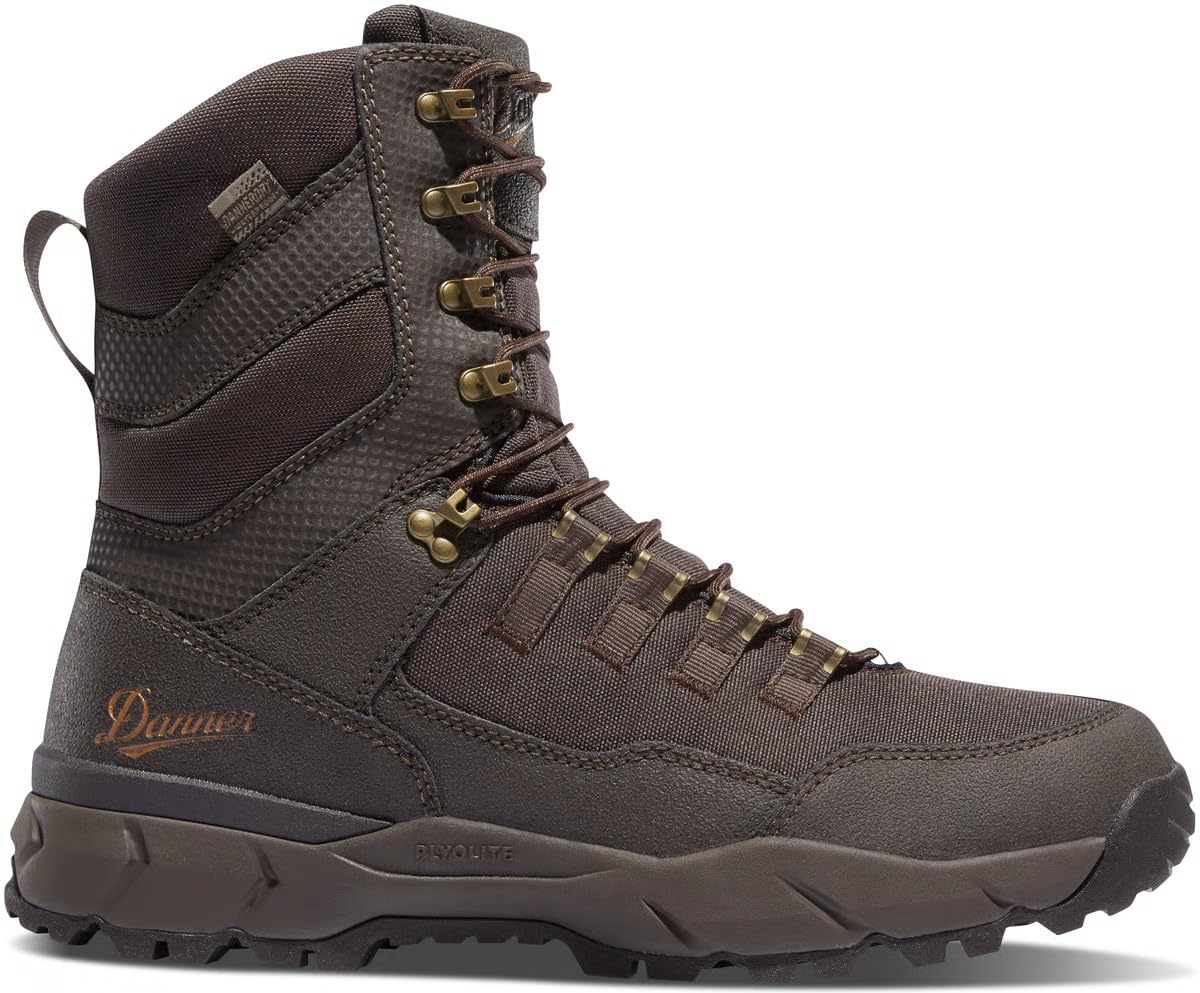
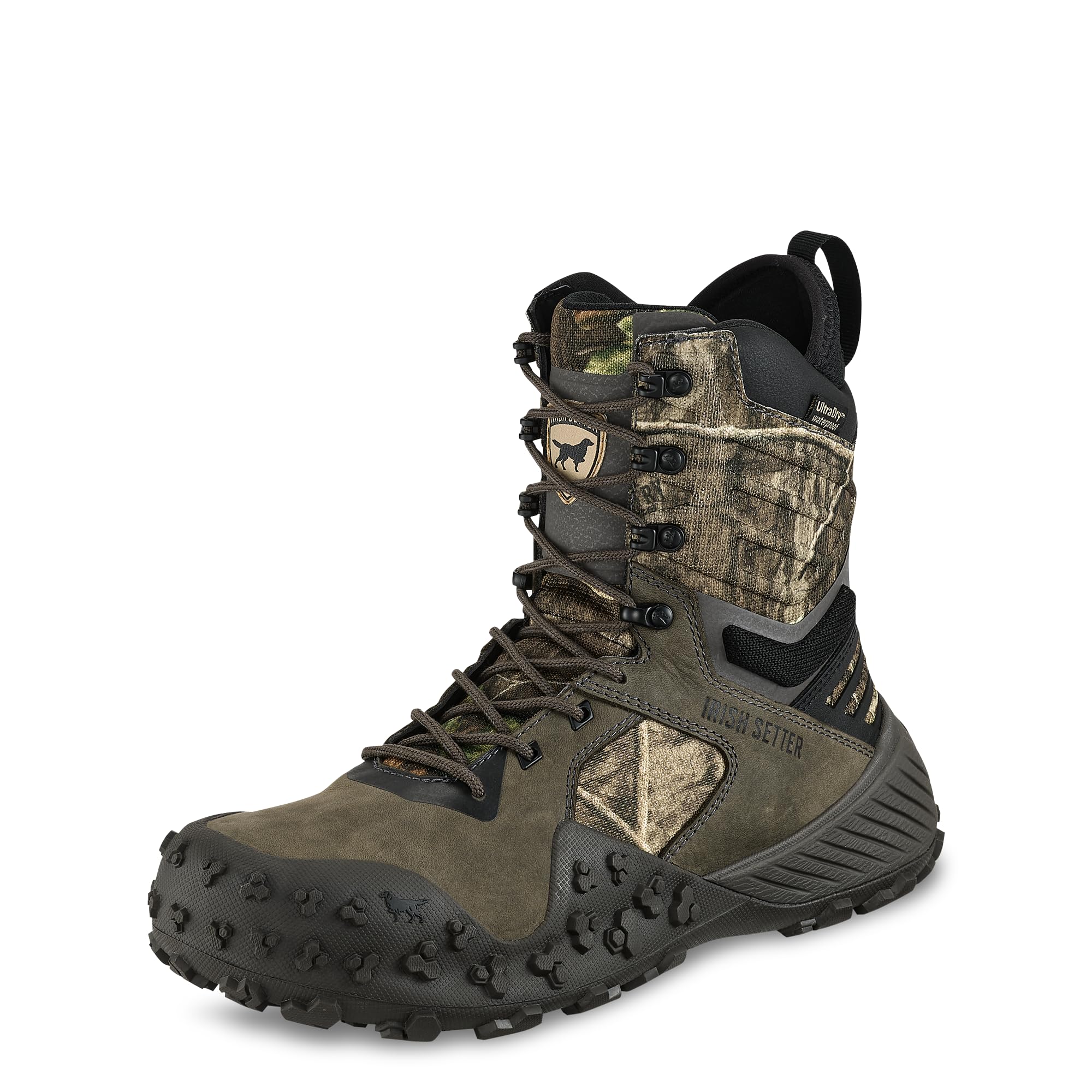
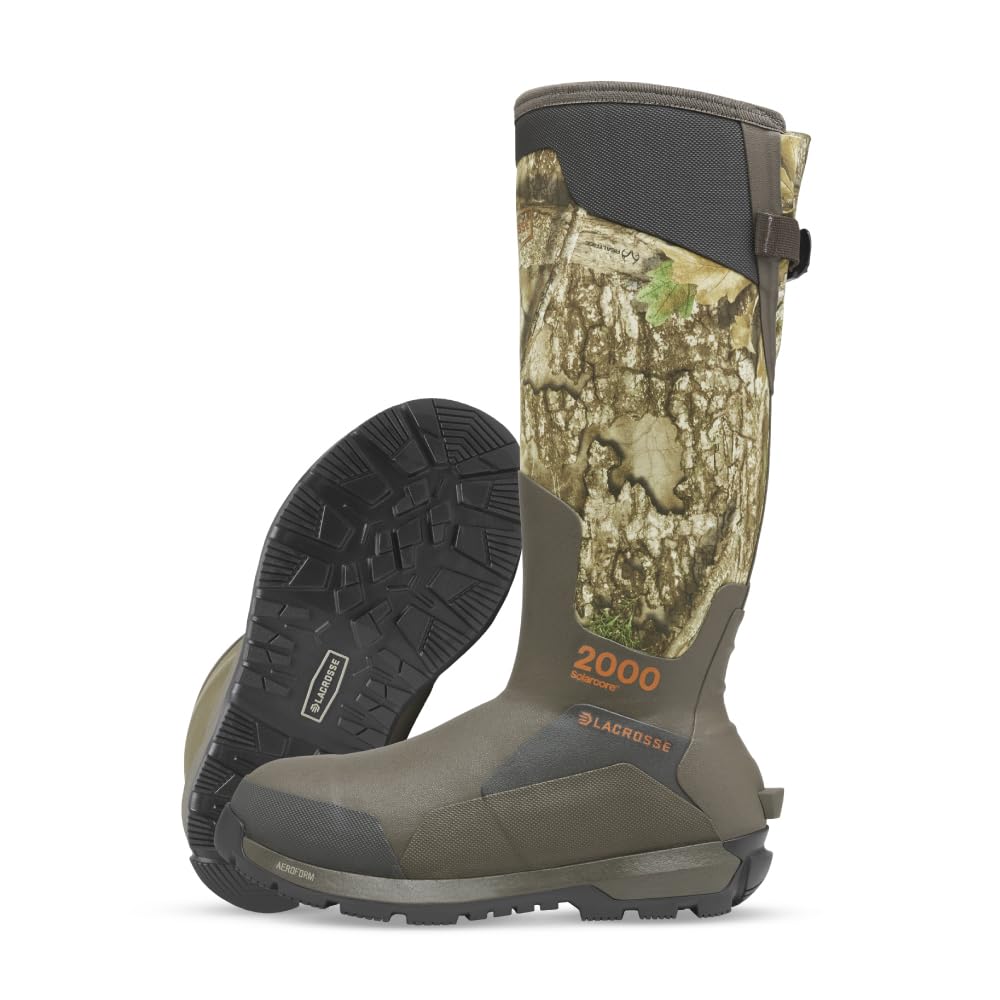
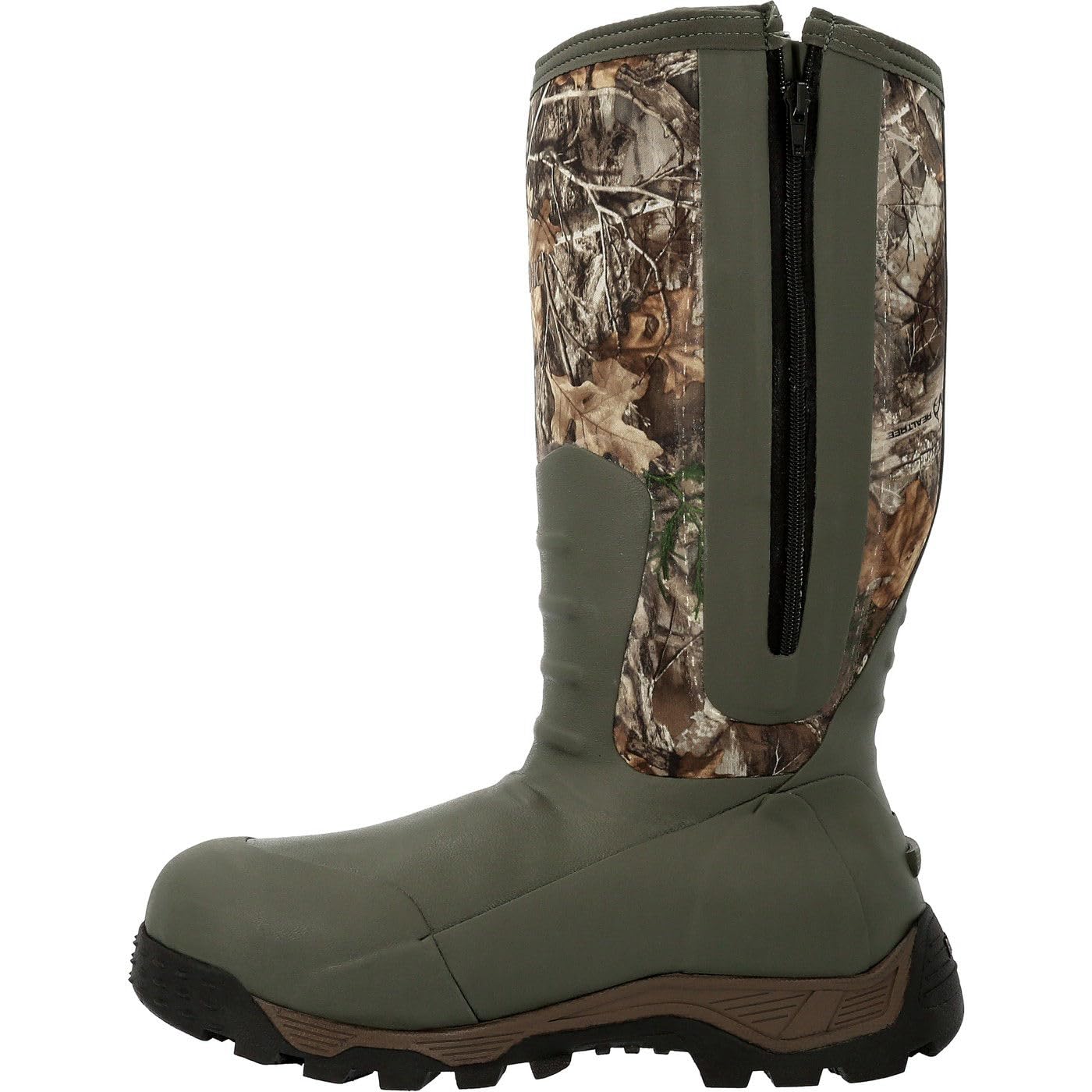

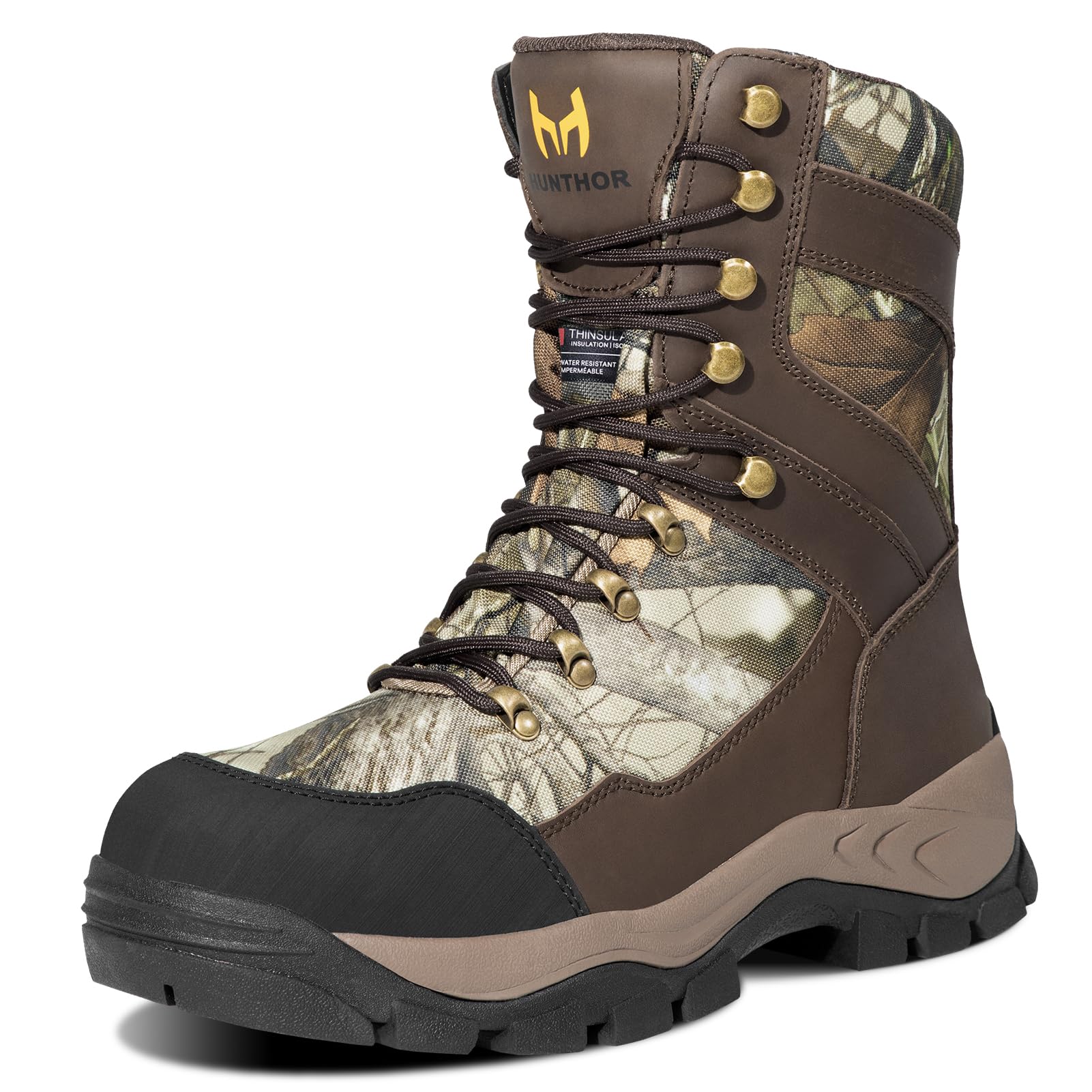
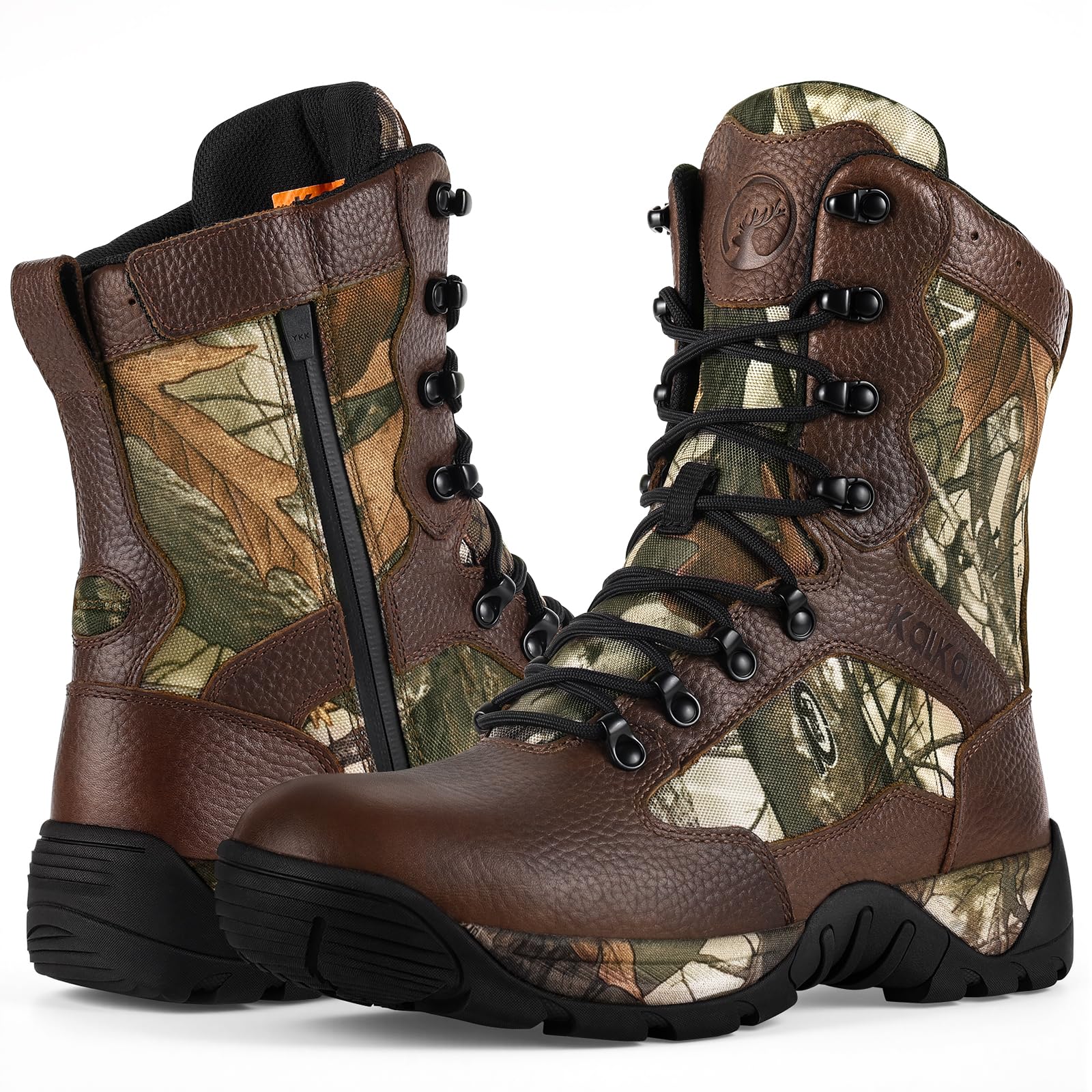

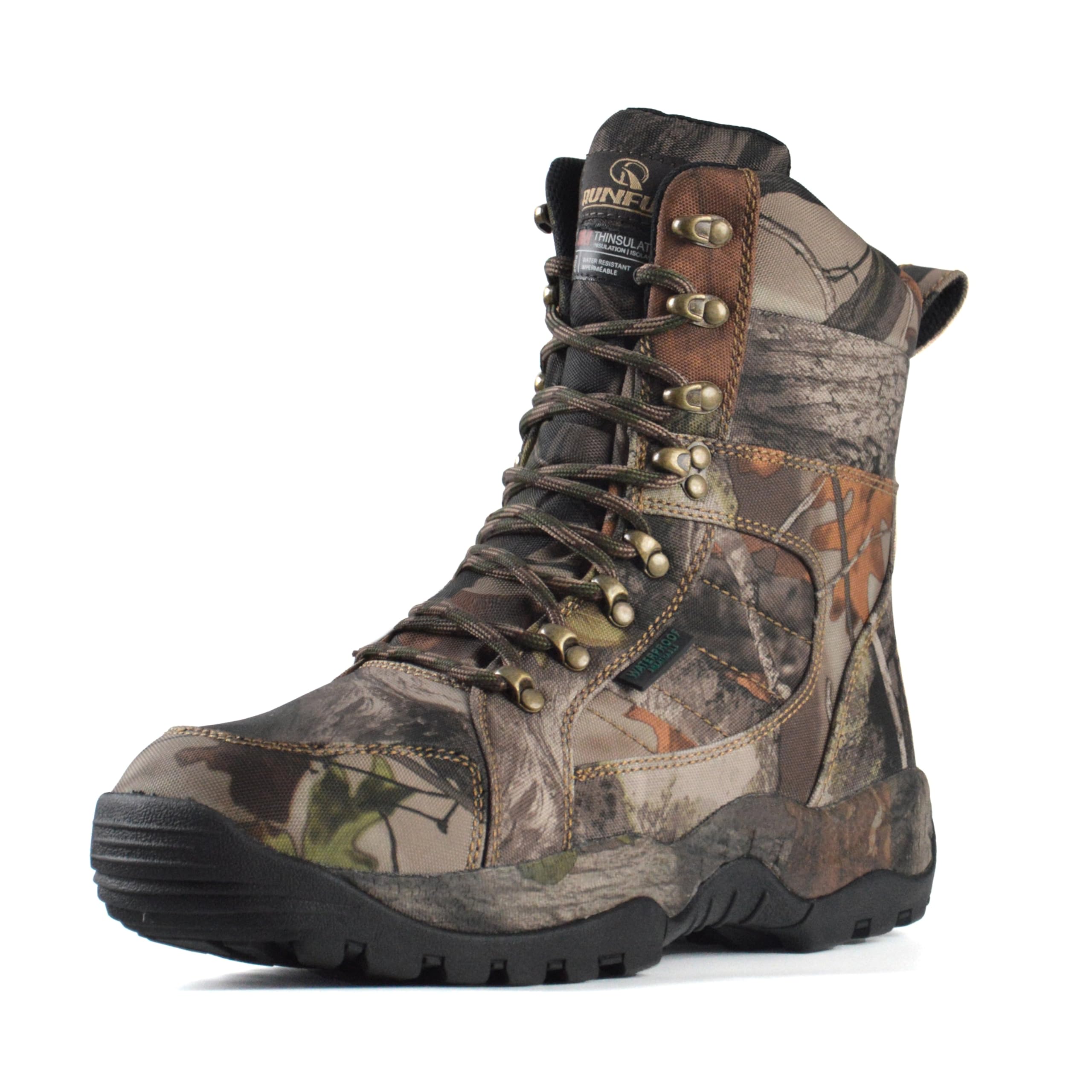


A Buyer Checklist for the Best Bird Hunting Boots
Work through the seven checks below in order. Fit comes first because no feature rescues a boot that hurts, and weight comes early because it shapes every mile that follows.
Fit, Sizing, and Toe Box
Measure and try boots late in the day, when your feet have spread to their hunting size, and wear the sock you will hunt in. Your toes need room to splay on downhill steps and to swell slightly over long miles, so look for a toe box that lets toes lie flat without pressing the front. The heel must hold with almost no lift, because heel slip on rough ground becomes a blister by the second field. If you fall between sizes, take the larger size and adjust with sock thickness or an insole, since a boot that is short will punish your toes on every descent.
Cushioning and Support
Cushioning in a field boot is about distance, not softness. A very soft sole feels kind in the shop and then bottoms out on gravel roads and frozen ruts, while a firmer midsole keeps its shape across a full day. Support matters most at the ankle and under the arch, where sidehill walking and ditch crossings twist the foot. Heel to toe drop is a comfort choice rather than a quality mark: a lower drop suits walkers who like a flatter feel, and a higher drop suits those who want the heel lifted on long flat stretches.
Upper Materials and Breathability
Briar and brush are the wear classes that decide upper choice. The toe and the front of the upper take the field's damage, pushing through thorn, stubble, and fence line growth, so a reinforced toe cap and abrasion panels earn their place on rough ground. Full leather uppers resist that abuse longest and shrug off thorns, while fabric panels cut weight and breathe better in warm early season weather.
Many boots mix the two, placing leather where brush strikes and lighter panels where feet overheat. Pick the mix that matches your cover, not the one that looks toughest on a shelf.
Weight and Flexibility
Weigh boots as a pair and compare like with like. A light boot in the range of about two to three pounds per pair keeps legs fresher late in the day, which is when form slips and ankles roll. Heavier boots in the range of about three to four pounds per pair usually add height, insulation, or stouter leather for cold and broken ground. Flexibility should sit in the forefoot so the boot bends where your foot bends, while the shank keeps the middle from twisting on rocks and ruts.
Waterproofing and Membranes
A membrane works only up to its lining height, and that single fact should shape your choice. Wet grass is the daily challenge for most bird hunters: dew soaked cover will wet an unprotected boot to the sock within an hour, while a membrane boot stays dry until water tops the collar or runs down your leg. Taller boots raise that line and suit creek bottoms and marsh edges. The trade is breathability, since a membrane also slows drying once water does get in, so warm weather hunters in dry country may prefer a non waterproof boot that airs out fast.
Break In Period and Comfort Out of the Box
Stiff leather boots need a planned break in, and the honest way is short walks first, then longer ones, before any full day hunt. Fabric and blended uppers usually feel right sooner, though their fit can still surprise you under a pack or after miles swell your feet. Judge comfort after an hour of walking, not after a lap of the shop. Pressure at the ankle bone, a crease biting the top of the foot, or heat building in one spot are warnings that distance will turn into pain, so exchange sizes while you still can.
Arch Support and Foot Type
Arch support should match your foot rather than fight it. Flat feet usually do better with a firmer arch and a stable heel, while high arches often want more cushion under the midfoot and a curved last. The factory insole is the weakest part of many boots, and swapping it is a normal, low cost fix that changes fit more than most features do. If your feet ache in every boot you try, treat that as a fit problem to solve with sizing and insoles first, and see a clinician if pain persists or sharp pain appears.
What Each Price Band Buys
Price bands in field boots buy materials, height, and finishing rather than a different sport. The classes below describe what your money generally gets, and the product table shows current examples.
Starter Band: About $80 to $130
Starter boots lean on fabric uppers, simpler membranes, and glued construction. They suit a few hunts a season on mild ground and are a fair way to learn what your feet want before spending more. Expect faster wear at the toe and less ankle support on sidehills.
Middle Band: About $130 to $220
The middle band is where most bird hunters should shop. Uppers mix leather with fabric, membranes are more reliable, and soles grip better on wet grass and mud. Fit lasts usually improve here too, with shapes that hold the heel while leaving the toes room.
Premium Band: About $220 to $350
Premium boots buy full leather uppers, taller heights, and construction that a cobbler can often resole or repair. The value shows over seasons rather than weekends, so this band makes sense for hunters who walk many miles each year. Weight can climb here, so check the pair weight before assuming more money means a better day.
Quick Buyer Checklist
- Did you try the boots late in the day, wearing your hunting socks?
- Can your toes lie flat and splay without touching the front?
- Does the heel stay put with almost no lift on a slope or stairs?
- Is the pair weight honest for the miles you walk in a day?
- Does the boot height match your water, from wet grass to creek edges?
- Is the toe reinforced enough for the brush and briar you push through?
- Does the sole flex at the forefoot while the middle stays stable?
- Have you planned short walks to break the boots in before a hunt?
Red Flags to Watch For
- A weight listed for one boot only, with no pair weight anywhere.
- Waterproof claims with no mention of a membrane or lining height.
- A toe area with no reinforcement on a boot sold for brush country.
- Sizing advice that tells every buyer to order a full size down.
- No stated warranty or return window on a premium priced boot.
Ratings need the same skepticism as product descriptions. Scores only mean something when the reviews describe miles walked, not minutes worn indoors.
Care and Maintenance Tips
Knock mud off after every hunt and let boots dry slowly at room temperature, away from direct heat, which cracks leather and warps soles. Leather uppers need occasional conditioning once they look dry or pale, and fabric uppers need only brushing and airing. Pull the insoles out to dry separately, since trapped moisture is what shortens a boot's life and breeds odor. Rotate two pairs if you hunt several days in a row, and retire a boot when the tread smooths at the heel or the midsole packs down and stops cushioning your stride.
Choosing Between Close Relatives
Two nearby topics confuse many buyers. The sibling guide, best boots for upland bird hunting, covers the same walking hunt with an upland label, while the parent topic, best hunting boots, widens the field to stand hunting and cold weather classes that walk far less.
Bird Hunting Boots: Your Questions Answered
How long is the break in period for bird hunting boots?
Most bird hunting boots need about three to five walks before a full day hunt. Start with half an hour on flat ground, then add distance and rougher fields over a week or two. Leather boots sit at the long end of that range, while fabric blends settle faster. A useful check is a two hour walk with your hunting socks: if no hot spot appears, the boot is ready for a morning hunt, and a full day can follow.
Do bird hunting boots need to be waterproof?
Bird hunting boots need waterproofing when your cover holds dew, creek crossings, or marsh edges. A membrane keeps feet dry through wet grass as long as water stays below the collar, which covers most upland mornings. In dry, warm country, a non waterproof boot breathes better and dries faster after a soaking. Match the choice to your wettest normal hunt, not your driest, because one soaked morning can end a day that better planning would have saved.
Are expensive bird hunting boots worth the money?
Expensive bird hunting boots are worth it when you walk enough miles for materials to matter. Premium leather, repairable construction, and better fit lasts pay back over several seasons of hard use. A hunter who goes out twice a year on mild ground gains little beyond the middle band. The clearest dividing line is days afield per season: under five days, buy fit and weight; over fifteen, durability starts earning its price.
How should bird hunting boots fit for long walks?
Bird hunting boots should fit snug at the heel and midfoot, with open room at the toes. You want about a thumb width of space in front of your longest toe when standing, checked late in the day. The midfoot hold is what keeps the foot from sliding forward on descents, which is where toenails get bruised. Lacing matters too: a heel lock loop at the top eyelets can fix minor heel lift without changing size.
How often should bird hunting boots be replaced?
Bird hunting boots should be replaced when the sole, the midsole, or the upper fails, not on a fixed schedule. Watch for tread worn smooth at the heel and forefoot, cushioning that feels flat and dead, and leather cracked through at the flex point. Heavy walkers may reach that point in two or three seasons, while light users get far more. Resoleable boots stretch the timeline, since a fresh sole restores grip while a sound upper keeps working.
Can bird hunting boots be worn for other outdoor work?
Bird hunting boots can handle yard work, dog training, and general walking well. Their light weight and flexible soles suit any task that mixes grass, dirt, and pavement in a day. They are a poor match for heavy load carrying or very rocky mountain ground, where stiffer boots protect feet better. Rotating them into daily wear also shortens hunting life, so many hunters keep a retired pair for chores and save the current pair for the field.
Final Thoughts
Run the checklist in order: fit first, weight second, waterproofing third, and upper strength matched to your cover. The best bird hunting boots for you are the pair that passes on the ground you hunt, at a weight your legs accept, for miles your season demands. Check the examples in the product table, break your choice in on short walks, and your feet will still be working when the dog makes its last point of the day.