
Best Binoculars with Rangefinder: Types Compared and How to Choose for 2026
Disclosure: We may earn a commission when you buy through links on this page, at no extra cost to you. As an Amazon Associate I earn from qualifying purchases. Learn more
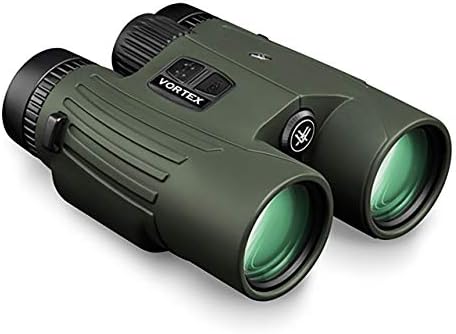
Outdoor users can compare the best binoculars with rangefinder by type, magnification, weather sealing and price before choosing the right pair.
Shopping for best binoculars with rangefinder can feel confusing because the market mixes simple viewing optics with distance measuring tools, and the labels do not always explain what you are getting. Some pairs focus on bright, steady views, while others add a laser measuring unit that reports how far away a target sits. This guide compares the main types side by side so you can match the design to the way you plan to use it.
The comparison table in the first section gives a quick overview of the main types, and the sections that follow explain each one in more detail. You will learn how magnification, objective size, weather sealing and measuring features affect everyday use. By the end, you should be able to choose with confidence and avoid paying for features you will rarely use.
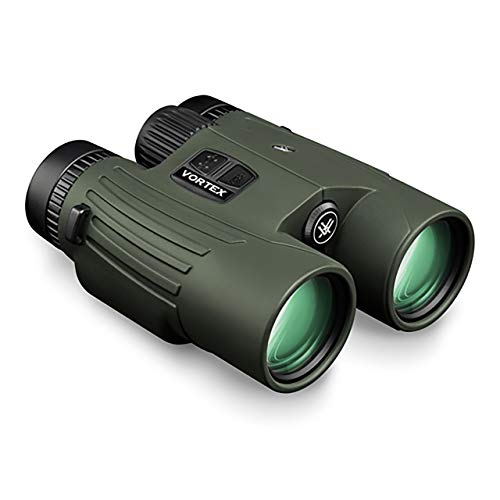
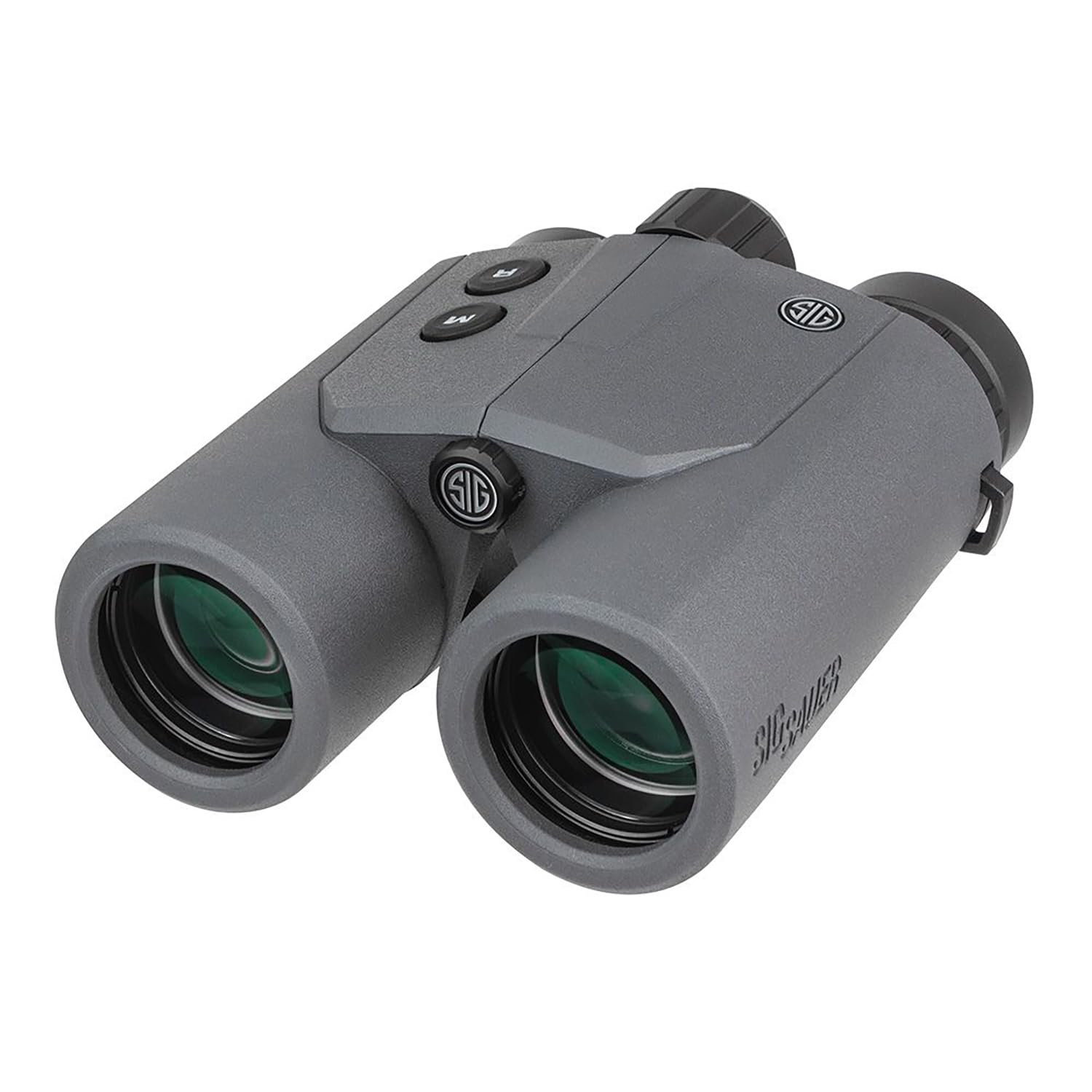
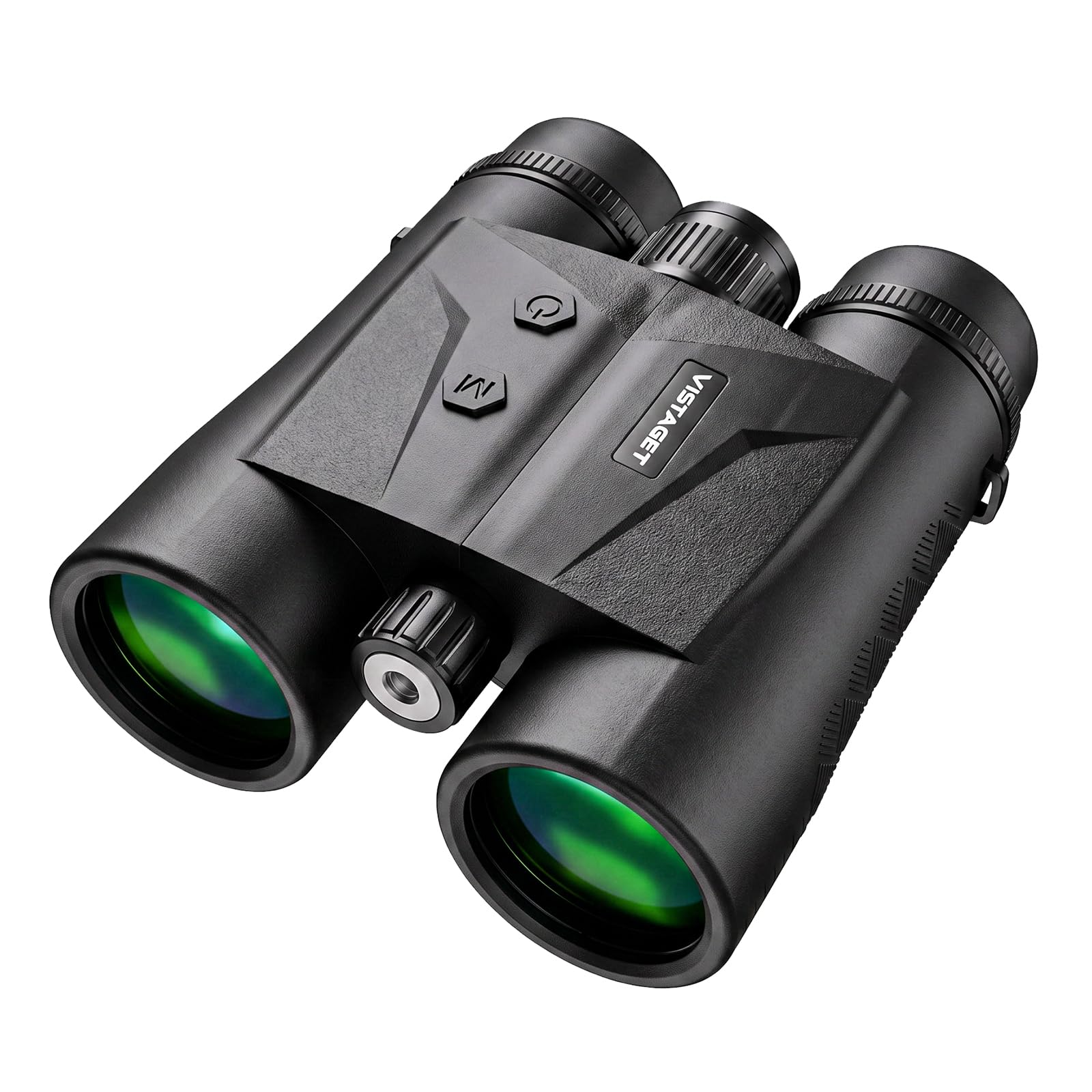
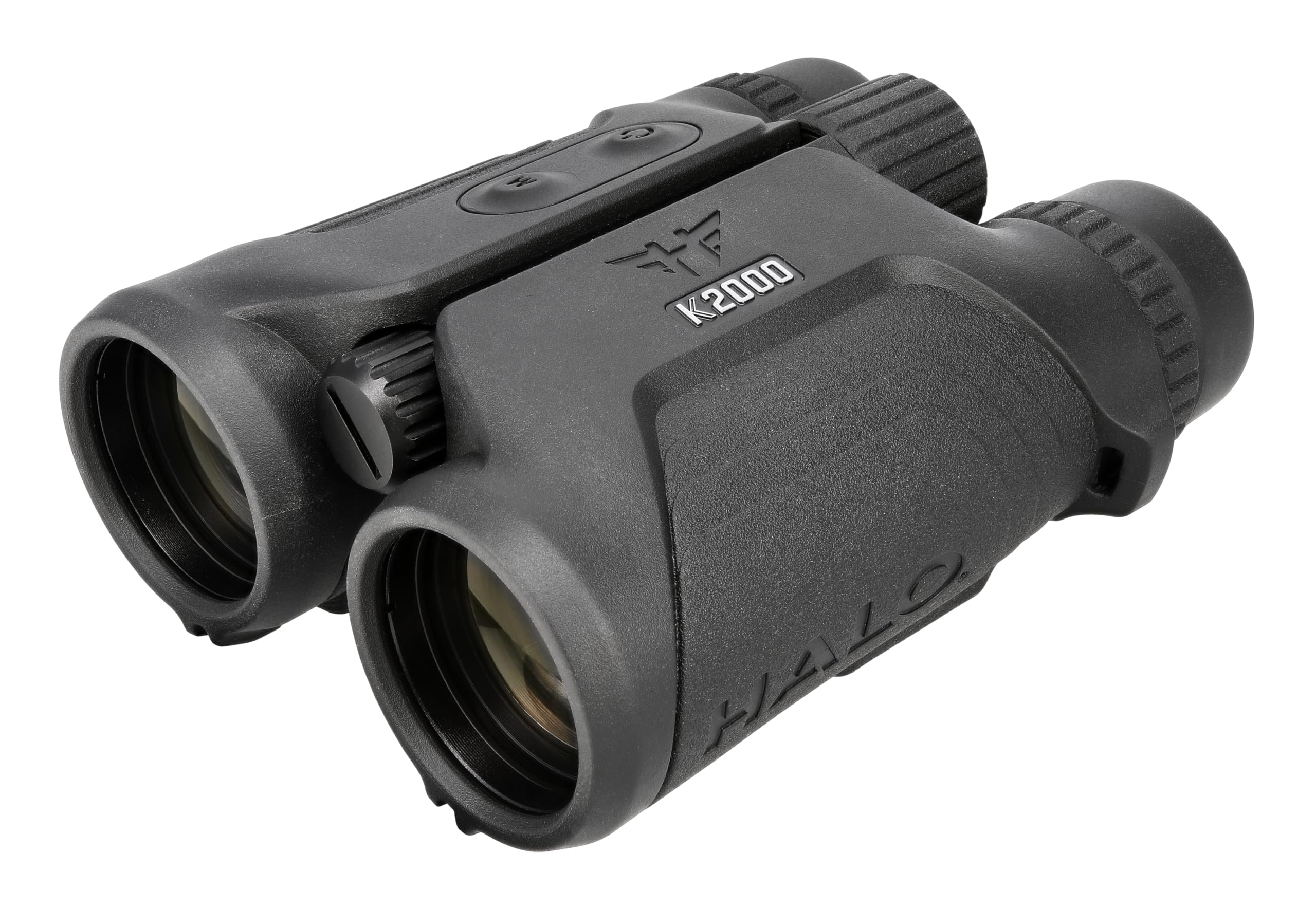
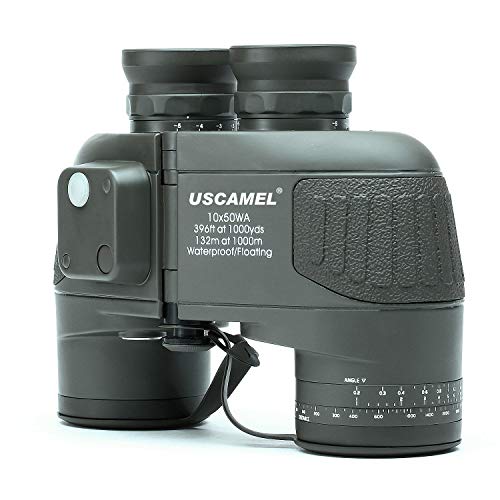

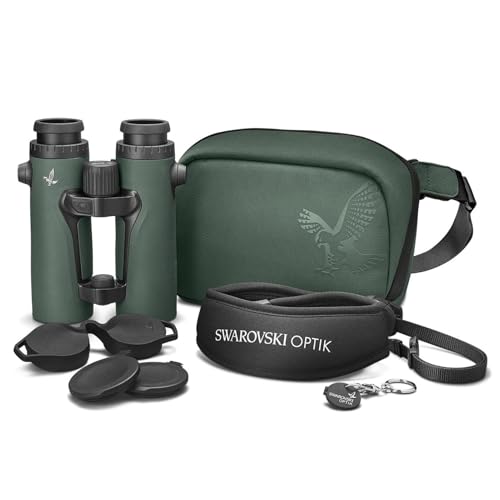


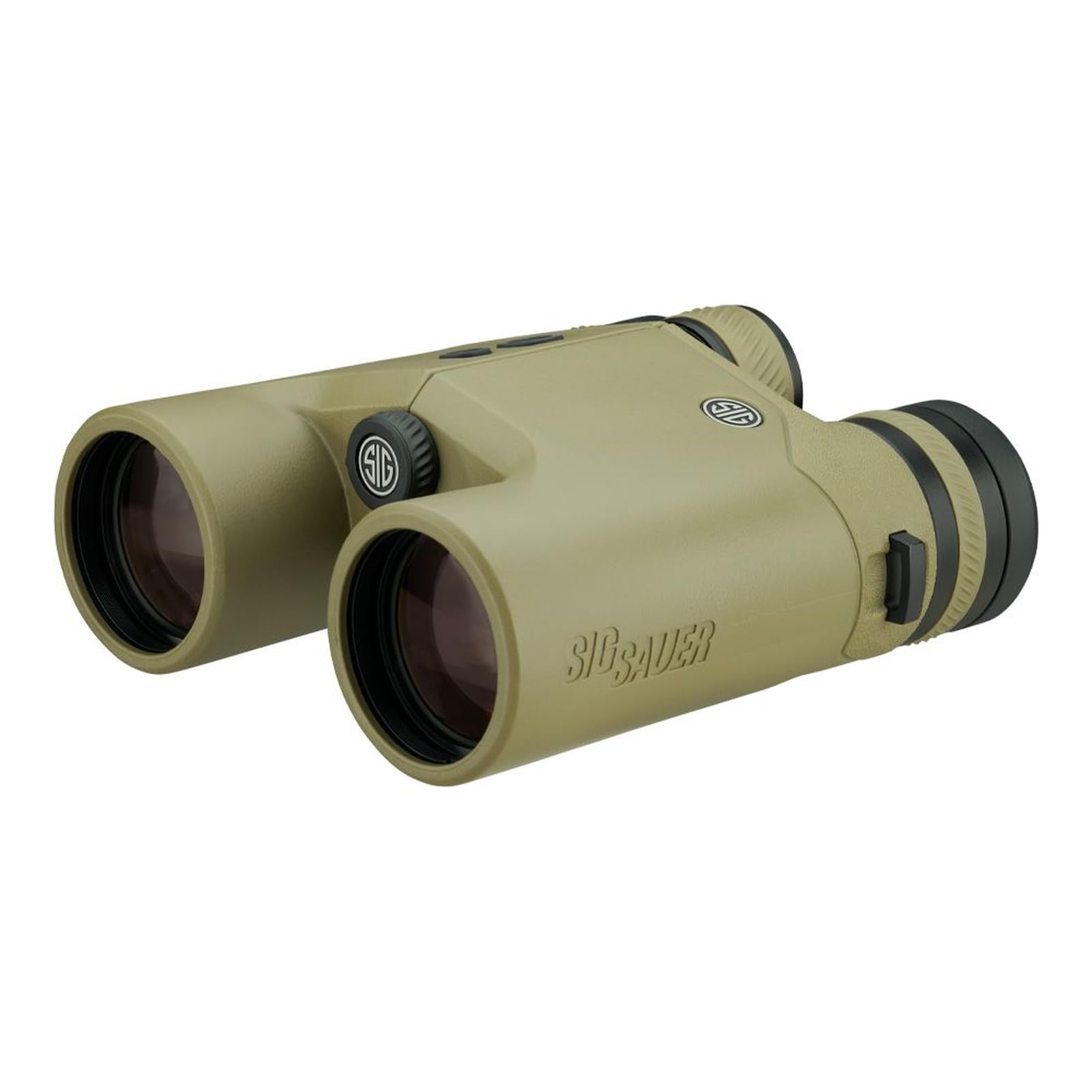
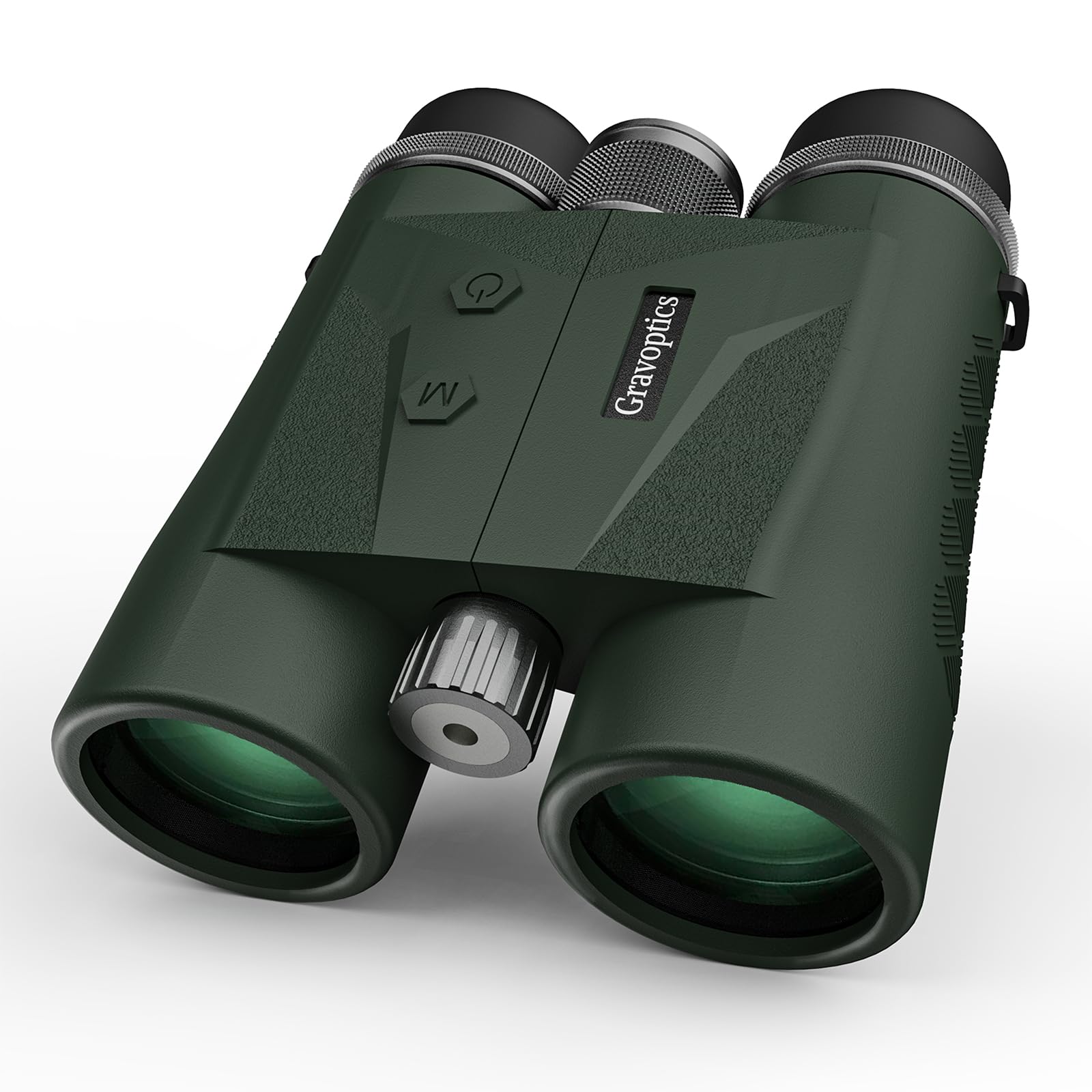
Types of Binoculars Compared
The main difference between types is not only size. It is also how the rangefinder is built into the body, how far it can measure, and how much weight you are willing to carry. A compact pair suits a light pack, while a full size pair suits long sessions in open country. The table below sums up the main choices before we look at each one in detail.
| Type | Best For | Pros | Cons | Typical Price |
|---|---|---|---|---|
| Compact rangefinder binoculars | Travel and light packs | Light weight and easy to carry | Smaller view in low light | About $250 to $600 |
| Full size rangefinder binoculars | Long viewing sessions | Bright view and steady handling | Heavier and bulkier | About $400 to $1,200 |
| Angle compensating rangefinder binoculars | Hills and steep ground | Adjusted distance for slopes | Higher price and more controls | About $500 to $1,500 |
| Budget rangefinder binoculars | Occasional use | Lower price and simple controls | Shorter measuring range | About $150 to $350 |
Compact Rangefinder Binoculars
Compact pairs use smaller objective lenses and a slimmer body, so they fit in a jacket pocket or a small pack pocket. They work well for walkers, travelers and anyone who values light weight over maximum brightness. The trade off is a smaller exit pupil, which can make the view dimmer at dawn, at dusk or under thick tree cover.
Many compact pairs still measure several hundred yards, which is enough for most trail use, golf practice and casual wildlife watching. Check the measuring range, the display brightness and the battery type before you buy. A clear display matters more than a very long maximum range if you mostly measure targets at moderate distances.
Full Size Rangefinder Binoculars
Full size pairs use larger objective lenses, often 42 mm or 50 mm, and give a brighter, wider view that is easier on the eyes during long sessions. They also tend to feel steadier in the hands, which helps when you are studying a distant animal or landmark. The cost is weight and bulk, so they suit a vehicle based trip, a hide or a pack with room to spare.
These pairs often offer a longer measuring range and a more detailed display, including options for different units and modes. If you plan to use them for hours at a time, try to balance weight against brightness. A neck strap that spreads the load and a padded case can make a heavy pair much more comfortable.
Angle Compensating Rangefinder Binoculars
Angle compensating pairs adjust the reported distance when you aim uphill or downhill, which matters on steep ground. A straight line distance can mislead you when the target sits well above or below your position, so the adjusted figure gives a more useful result for planning a shot, a route or a viewing position. This feature adds cost and complexity, so it suits hill walkers, hunters and golfers who often face slopes.
Look for a clear explanation of how the compensation mode works and how to switch it off for a simple straight line reading. Some users only need the adjusted figure, while others want both figures. A simple menu and a readable display will save frustration in the field, especially in cold or wet conditions.
Budget Rangefinder Binoculars
Budget pairs bring distance measuring within reach for occasional users who do not want to spend a large sum. They usually offer a shorter measuring range, simpler optics and fewer modes than premium pairs. That can be fine for garden use, short walks and learning how a rangefinder works before you invest more.
To get good value at this level, focus on the basics: a clear view, a reliable measuring button, weather resistance and a battery you can replace easily. Skip extra modes you will not use. A budget pair that is comfortable and simple to operate will serve you better than a complex pair that feels awkward in the hand.
Rangefinder Binoculars Versus Standard Binoculars: Which Should You Choose?
The choice comes down to whether you need distance information as part of your viewing. Standard binoculars are lighter, simpler and often cheaper for the same optical quality, because they carry no laser unit or display. They suit pure viewing, such as bird watching from a fixed spot, where distance is a matter of interest rather than a decision.
Rangefinder pairs add weight, a battery and a display, but they answer a practical question at once: how far away is that target. That matters for hunting, golf, surveying a route and judging the size of a distant object.
If you often guess distances and wish you had a number, the extra weight is usually worth it. If you rarely need a number, a standard pair will be lighter and simpler to use. Also consider that a rangefinder needs power, so you must carry a spare battery on longer trips.
How to Choose the Best Binoculars with Rangefinder
Choosing well means matching four factors to your main use: weather protection, magnification, measuring features and handling. Work through each factor below before you compare prices, because a low price means little if the pair fogs up, feels unsteady or cannot measure the distances you need. The best binoculars with rangefinder for you are the ones that fit your typical distances and carrying style.
Durability and Weather Sealing
Good weather sealing keeps rain, dust and moisture out of the optics and the electronics. Look for a sealed body, a fogproof design filled with nitrogen, and caps that stay attached when you move. These features matter most if you use the pair in rain, near water or in changing temperatures, where fogging can ruin a view at a key moment.
Magnification and Objective Size
Magnification and objective size are shown as two numbers, such as 8x42 or 10x42. The first number is magnification, and the second is the diameter of the front lens in millimeters. An 8x42 pair gives a wider, steadier view that is easier to hold, while a 10x42 pair brings distant detail closer but shows more hand shake. For most users, 8x42 is the safer starting point, and 10x42 suits open ground and steady support.
Why Choose a Pair of Binoculars With a Rangefinder
A built in rangefinder saves you from carrying a separate measuring device and from switching between tools when a moment matters. You view the target, press a button and read the distance in the same view. That speed helps hunters, golfers and route planners who need a quick, reliable number.
The limits are also clear: the laser needs a reflective surface, it can struggle in heavy rain or fog, and it needs battery power. If you work in very steep terrain, angle compensation is worth considering, and a guide to best hunting binoculars with rangefinder can help you compare designs made for field use.
Lens and Zoom Range
Binoculars do not zoom in the same way as a camera, so the key choice is fixed magnification rather than a zoom range. Higher magnification narrows the field of view and makes hand shake more visible, while lower magnification gives a wider scene that is easier to scan.
Lens coatings also matter: fully coated optics reduce glare and improve contrast, which helps in bright sun and in shade. Check eye relief too, especially if you wear glasses, because short eye relief can cut off the edges of the view. For value focused shoppers, a guide to best budget rangefinder binoculars shows how lower priced pairs balance these factors.
How to Make Your Pair of Binoculars Last Longer
Care starts with the lenses. Use a lens cloth, not your shirt, because fabric can drag grit across the coating and leave fine scratches over time. Brush loose dust away first, then wipe gently.
Carry a spare battery so a flat cell does not end a trip early, and store the pair in a dry, padded bag away from heat and damp. Keep the caps on when the pair is not in use, and avoid leaving it in a hot vehicle. With simple habits like these, a good pair can serve for many years. When you compare measuring performance, a guide to best laser rangefinder binoculars can help you weigh display clarity against maximum range.
Binoculars: Your Questions Answered
Is a smartphone enough instead?
No, a smartphone is not a full substitute for a dedicated viewing pair, because its small screen and digital zoom cannot match the brightness, depth and steadiness of real optics. A phone is useful for photos, maps and notes, and it can record what you saw after the fact.
It struggles in low light, at long distances and in rain, where a sealed optical pair keeps working. Many users carry both, using the binoculars for viewing and measuring, and the phone for recording and sharing. That combination covers most outdoor needs without forcing one tool to do every job.
What does 8x42 or 10x42 mean?
The first number means magnification, so 8x makes a target look eight times closer than with the naked eye, and 10x makes it look ten times closer. The second number is the diameter of the front lens in millimeters, which affects how much light enters the pair. A larger front lens usually gives a brighter view, especially in low light, but it also adds size and weight. An 8x42 pair is often recommended as a balanced starting point, while a 10x42 pair suits open ground where extra reach matters more than a wide view.
Which is better for low light?
A pair with a larger objective lens and a larger exit pupil is usually better for low light, because it gathers more light for your eyes. An 8x42 pair often performs better at dawn and dusk than a compact 8x25 pair, even though both share the same magnification. Lens coatings also help by reducing reflections and improving contrast in dim conditions. For the best low light result, choose a full size pair and keep the lenses clean.
How much should I spend on my first one?
For a first pair, about $250 to $600 gives a solid balance of optical quality, weather sealing and measuring range without premium prices. Below that range you can still find usable pairs, but you may accept a shorter measuring range or simpler coatings.
Above that range you pay for brighter optics, longer measuring range and tougher construction. Start by listing your main use, your typical distances and your weight limit, then choose the lowest price tier that meets all three. That approach avoids both underbuying and overspending.
What specs matter most for beginners?
Beginners should focus on magnification, objective size, eye relief, weather sealing and measuring range, in that order. Magnification and objective size shape the view itself, while eye relief decides comfort, especially for glasses wearers.
Weather sealing protects your investment, and measuring range decides whether the rangefinder covers your typical targets. Extra modes, such as scan mode or multiple display options, are useful later but should not drive a first purchase. A simple pair that is comfortable and easy to use will teach you more than a complex pair that stays in its case.
The Bottom Line
The most important choices are magnification, weather sealing and measuring range, matched to your main use and your tolerance for weight. A compact pair suits light travel, a full size pair suits long sessions, and angle compensation suits steep ground. Check the product table once more, compare the types against your typical distances, and choose the simplest pair that meets those needs. With the right balance, best binoculars with rangefinder can become a tool you reach for on every outing, not a gadget you leave behind.


