Best Binoculars Under $50 in 2026: Spending Levels Explained
Disclosure: We may earn a commission when you buy through links on this page, at no extra cost to you. As an Amazon Associate I earn from qualifying purchases. Learn more

Learn what the best binoculars under $50 can realistically do, which specs matter at this price, and when a cheap pair is enough for your needs.
Fifty dollars does not buy flagship glass, but it can buy a usable pair for the stadium, the backyard, or a child learning the night sky. The best binoculars under $50 share a simple formula: modest magnification, honest optics, and a build that survives being tossed into a bag without ceremony.
This guide explains what each slice of that small budget delivers, which corners makers cut to reach the price, and which few specs decide whether a cheap pair feels fun or frustrating. The product table puts the picks side by side, and the sections below explain how to read them.





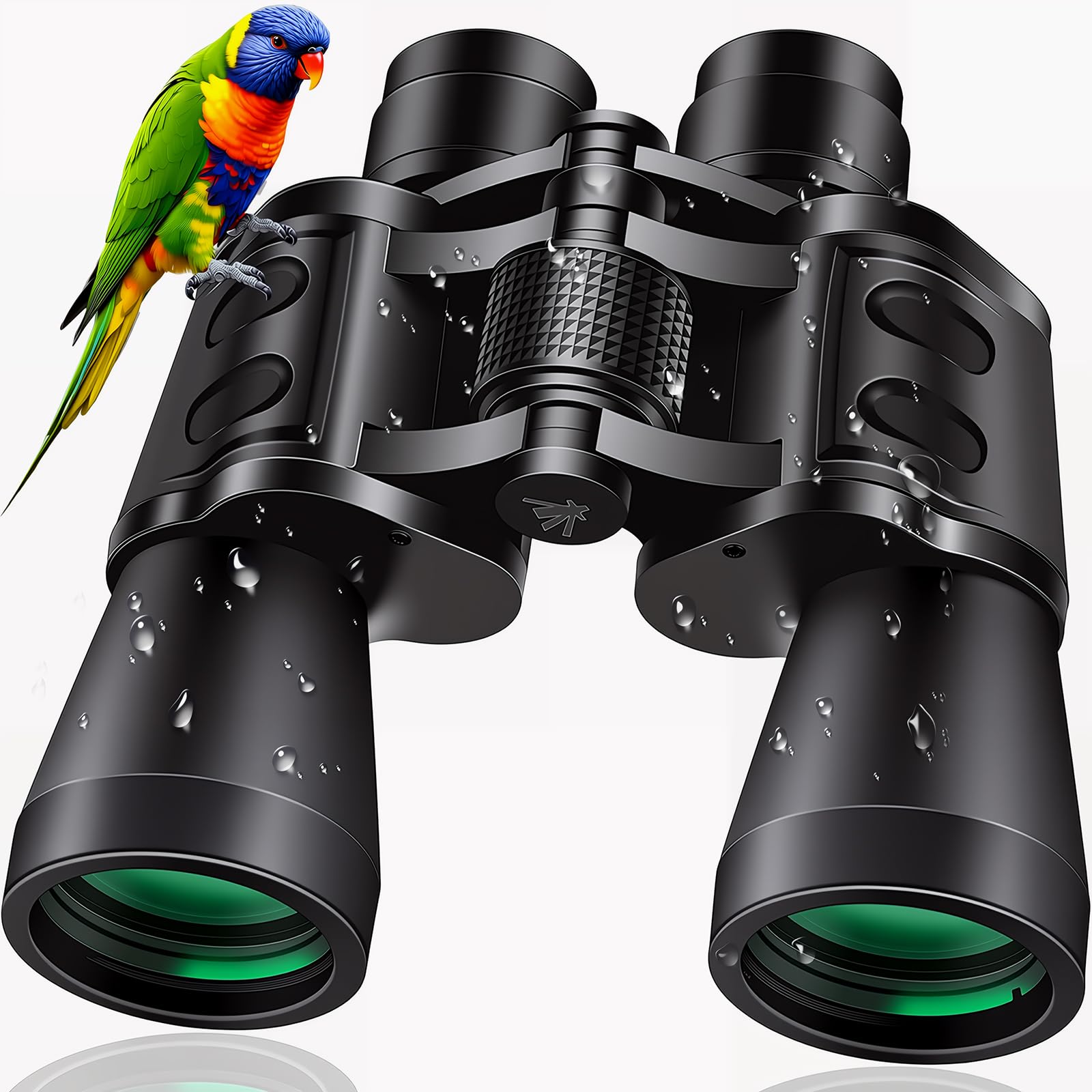
How Far a Small Budget Actually Stretches
Cheap binoculars are not all equal, and the last ten dollars before the ceiling do more work than the first ten. Here is what each level tends to give you.
The Bottom Shelf: About $20 to $30
At this level you find theater glasses, toy like compacts, and simple Porro pairs with basic coated lenses. The center of the view is usable for reading a stage, a scoreboard, or boats on a lake in full daylight. Plastic parts are common, focus wheels may wobble, and the image dims quickly once the light fades.
Treat pairs here as occasional tools or starter gifts for kids, and they make sense. Expecting bird identification at dawn from them does not.
The Middle of the Cheap Range: About $30 to $40
Real glass optics and metal focus parts start to appear here, and many pairs use BK 7 prisms with coated or fully coated lenses. A decent 8x21 or 10x25 compact in this band handles stadium seats, concerts, travel sightseeing, and backyard birds at the feeder without embarrassment. You still give up edge sharpness and low light reach, and waterproofing is rare or only lightly claimed. For a first pair that will actually get used on trips, this band is a sensible floor.
The Top of a Small Budget: About $40 to $50
The last slice buys the things that make a cheap pair pleasant rather than merely adequate: BaK 4 prisms on some models, fully coated optics, smoother focus wheels, and rubber armor that grips well. Full size 8x42 Porro pairs appear here too, gathering far more light than the compacts for the same money. Quality still varies between brands, so the return policy matters. If you can only buy once, buy at this level and check the pair carefully during the return window.
What Cheap Binoculars Give Up, and What Survives
Realistic Expectations Under $50
A good cheap pair is sharp in the center, dimmer at the edges, and honest only in daylight. Colors look less rich, fine feather detail smears at distance, and dusk viewing disappoints because small objectives and simple coatings pass little light. One rule costs nothing to follow and matters at any price: never point binoculars at the sun, and follow the manufacturer's safety instructions.
Prisms and Coatings at This Price
Most pairs here use BK 7 prisms, which do the job, while BaK 4 glass gives a rounder, brighter exit beam and shows up near the top of the budget. Coating labels need translating: coated means at least some surfaces carry one layer, fully coated means all surfaces carry one layer, and multi coated claims deserve skepticism at this price. Hold the lenses toward a light and look for even, soft reflections rather than harsh white glare. Prioritize fully coated wording over inflated magnification numbers every time.
The Zoom Trap and Inflated Magnification
Listings that promise zoom ranges such as 10 to 30 power, or fixed power figures in the hundreds, are selling numbers instead of optics. Zoom mechanisms at this price dim the image, shrink the field of view, and lose alignment, so the highest settings are nearly unusable by hand. A fixed 8x or 10x pair shows a brighter, steadier picture and survives longer. When a specification sounds too strong for the price, it is the marketing that is magnified, not the view.
Focus Wheels, Hinges, and Alignment
Build shortcuts show up as gritty focus travel, loose hinges that let the barrels drift, and barrels aligned slightly apart, which forces your eyes to merge two images and causes strain. Check a new pair on a distant sign: the view should merge into one image instantly, with no double edges. Eyecups may be simple fold down rubber rather than twist up designs, which is acceptable. What is not acceptable is a hinge that will not hold your width setting between uses.
Who Is Happy With the Best Binoculars Under $50
Families buying a first pair for a child do well here, because the cost of a drop or a loss stays small while real focusing and real optics teach real skills. Fans in stadium and arena seats get closer views of the action from compact pairs that fit a jacket pocket and draw no attention at the gate. Drivers and hikers who keep a spare in the glove box or day pack value the light weight more than the last trace of sharpness. Shoppers comparing models in this exact band can also work through our dedicated guide to best budget binoculars under $50 for a narrower shortlist.
Long Term Costs to Factor In
Running costs are tiny: a soft case and a better neck strap run about $8 to $15 together, and a lens cloth costs almost nothing. The real long term cost is replacement, because a hard drop can end a cheap pair, and repair rarely makes sense at this price. When you outgrow a starter pair, the next meaningful step up is the range covered by best binoculars under $100, and a later jump to best binoculars under $500 brings coatings and sealing that this budget cannot reach.
Binoculars Under $50: Your Questions Answered
Are binoculars under $50 worth buying at all?
Yes, for defined jobs: daytime sightseeing, stadium seats, concerts, feeder watching, and a first pair for a child. The value check is use, not specifications, and a cheap pair that travels with you beats an expensive pair left at home. Renting or borrowing first is a smart check if you suspect you will want more, because one afternoon of real use tells you whether the hobby itself holds your interest before you spend more.
What does 10x25 mean on a compact binocular?
The first number is magnification, so the subject appears ten times closer, and the second is the objective lens width in millimeters. A 25 mm objective gathers far less light than a 42 mm one, which is why compacts shine in daylight and fade at dusk. The pairing also sets size: small objectives allow a pocketable body. For evening use on the same budget, a bulkier 8x42 Porro pair is usually the brighter buy.
Why do some cheap binoculars cause eye strain or headaches?
The usual cause is misalignment, called poor collimation, where the two barrels point in slightly different directions and your eye muscles work constantly to fuse the images. Short sessions feel fine, then a headache builds. Try any new pair for ten minutes on distant targets, and exchange it if your eyes feel pulled or tired. Children notice this faster than adults, so check a gift pair yourself before handing it over.
Can binoculars under $50 work for bird watching?
They can for yard and feeder birds, where the subjects are close, tame, and lit by daylight. Set feeders about 15 to 25 feet from your viewing spot and even a modest compact shows markings clearly. What this budget cannot do is separate similar warblers in dim woods or count shorebirds across a windy lake. Treat a cheap pair as a way to learn the hobby, learn what you actually watch, and then buy once with that knowledge.
Should I choose a zoom binocular under $50 or a fixed magnification pair?
Choose the fixed pair, because at this price a zoom mechanism costs brightness, field of view, and alignment, and delivers a dim picture at its high settings. When comparing fixed models, check the field of view figure and favor wider values, around 330 feet at 1,000 yards or more, since a wide field makes finding subjects far easier. Magnification of 8x suits most beginners better than 10x, because the image stays steadier in untrained hands.
Final Thoughts
At this price, buy honest basics: fixed moderate magnification, fully coated optics where the wording supports it, and alignment you verify during the return window. For daylight fun and first pairs, the best binoculars under $50 do the job without regret. Check the product table to compare the shortlist before you decide.