
Best Binoculars for Far Distance in 2026: Which One Fits the Way You Use It?
Disclosure: We may earn a commission when you buy through links on this page, at no extra cost to you. As an Amazon Associate I earn from qualifying purchases. Learn more

Choose the best binoculars for far distance by magnification, lens size and support, with guidance on fit, care and price for birding, travel and sport.
No single model suits every distant view, because a bird at dawn, a buoy at sea and a hillside animal each test your optics in a different way. The best binoculars for far distance match your target, your light and how steady you can hold them.
Think first about the distance you cover most often and the light you view in most often. Open country in bright sun rewards higher power, while woodland edges and evening games reward a brighter and wider view.

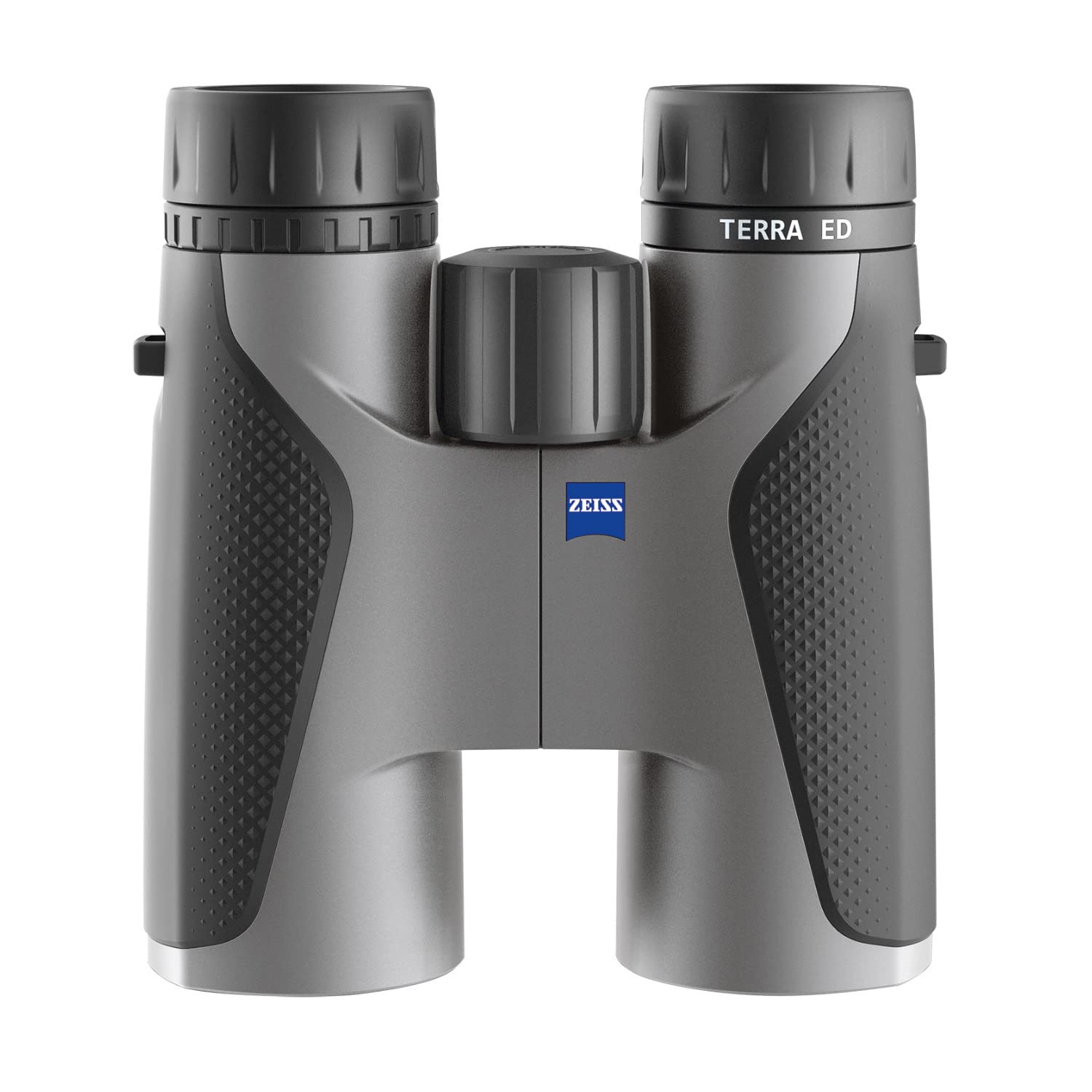


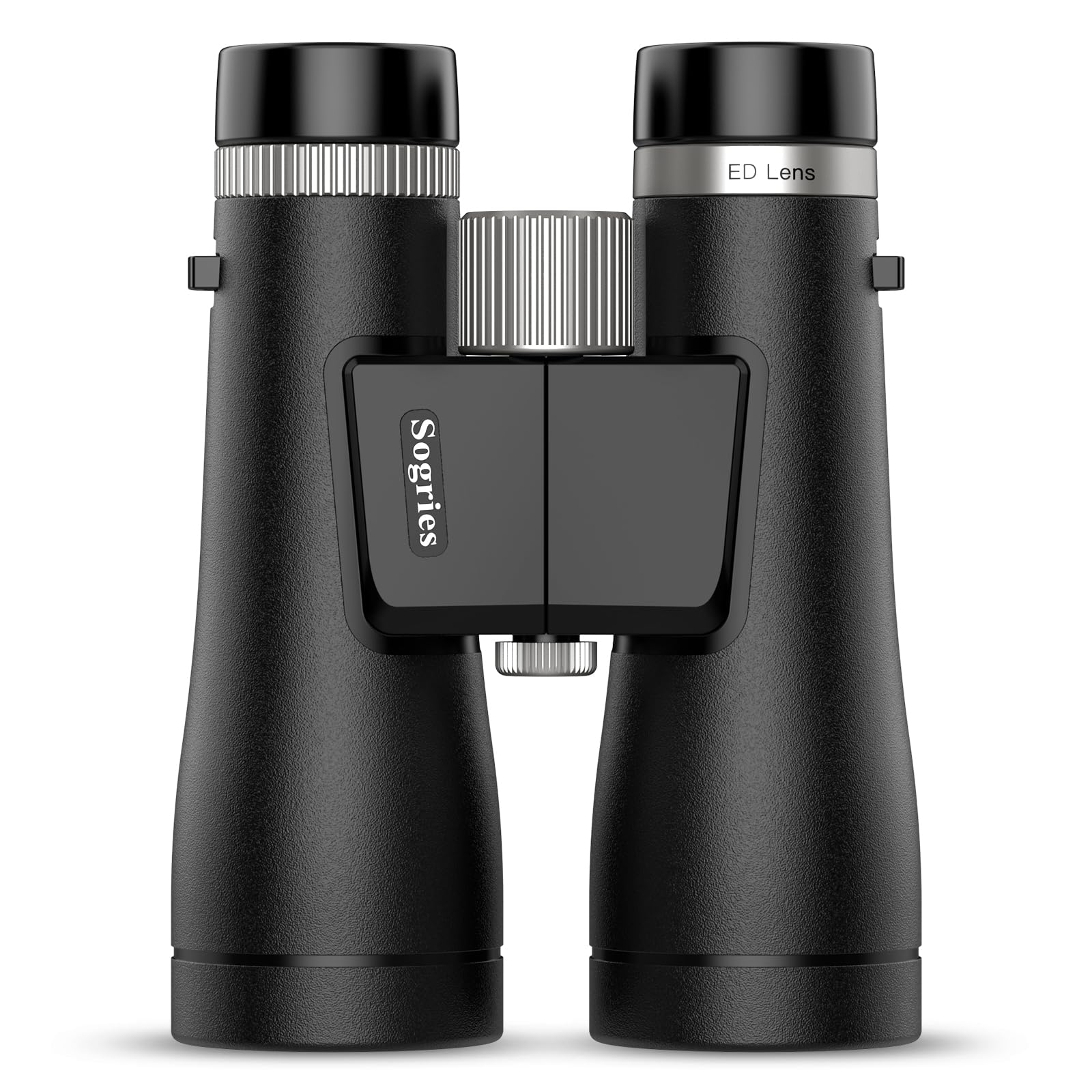
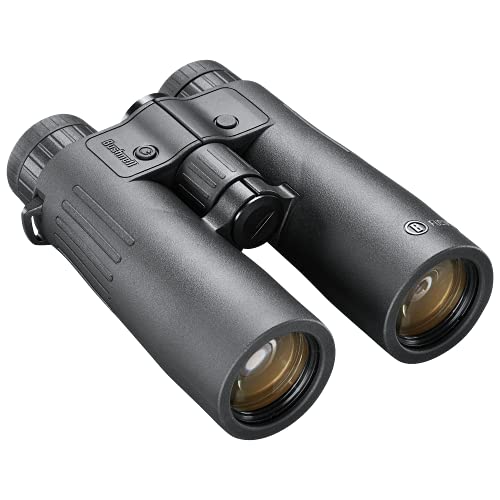
Who Should Buy Which Binoculars for Far Distance?
Your usual target should set your power and lens size. A buyer who scans for minutes needs comfort and support, while a buyer who glances quickly needs a wide view.
Birders Tracking Small Birds Across Fields and Water
You need to find a small moving target fast, then hold fine detail on feathers long enough to name the species. Choose 10x42 for most field use, because it balances reach, brightness and a view wide enough to follow flight. Look for smooth center focus and eye relief that works with glasses.
Hunters and Ranch Users Scanning Open Country
You glass slopes and fence lines at first light and last light, often from a seated or braced position. Choose 12x50 when you can rest your elbows or use a tripod, because the extra reach helps judge animals at range while the larger lenses keep the view usable at dusk. Weatherproof sealing matters here, since cold mornings can fog unsealed optics.
Boaters, Travelers and Sports Fans Viewing From Afar
You view moving boats, distant landmarks or play at the far end of a field, and you share the pair with other people. Choose 10x42 for handheld use on stable ground, or a stabilized 12x model if motion makes the image swim. Fast diopter adjustment helps each viewer match the barrels to their own eyes. If pack space is tight, see our guide to the best compact binoculars for long distance.
Key Features to Compare
When you compare the best binoculars for far distance, read the spec sheet in this order. Power draws the eye first, but lens size, view width and fit decide how much of that scene you can use.
Magnification Power and Hand Shake
Magnification tells you how much closer a subject appears, so a bird at 200 yards looks as if it stood 20 yards away through a 10x model. Each step up also magnifies hand movement, which can blur the detail you bought the power to see. Most handheld viewers do best at 10x or 12x. Choose 15x only with a tripod or a solid rest.
Objective Lens Size and Exit Pupil
The second number in a spec such as 10x42 is the front lens width in millimeters, and larger front lenses gather more light. A 10x42 gives an exit pupil of about 4.2 mm, while an 8x42 gives about 5.3 mm and a brighter view in shade. A 12x50 keeps a similar exit pupil with more reach, but weighs more. Pick 50 mm or 56 mm lenses if dawn and dusk viewing matters most.
Field of View for Finding and Tracking Subjects
Field of view is the width you can see at 1,000 yards without moving the binoculars, and higher power usually narrows it. A 10x model often shows about 300 to 340 feet at that distance, while a 12x model may show about 270 to 310 feet. A wider view helps you land on a flying bird or a moving boat on the first try.
Lens Coatings, Prism Glass and Image Clarity
Coatings on lens surfaces cut glare and raise contrast, which helps you separate a brown animal from brown brush at distance. Fully multi coated optics treat all air to glass surfaces and suit bright sun on water or snow. Roof prism models need phase coating to keep colors true, while ED glass reduces the colored fringe around birds against a bright sky.
Eye Relief, Focus Wheel and Diopter Fit
Eye relief is the distance your eye can sit from the rear lens while still seeing the full view, and glasses wearers should look for about 16 mm or more. Twist up eyecups set that distance with or without glasses. The diopter dial, usually on the right barrel, balances focus between your two eyes. A large and lightly ridged center wheel lets you refocus quickly as a subject changes distance.
Image Stabilization, Weight and Tripod Support
Image stabilization uses powered gyros to calm small hand movements, and it can make a 12x or 14x view feel as calm as a lower power view. That calm costs battery use, extra ounces and a higher price, so it suits boaters most. A 10x42 pair often weighs about 24 to 28 ounces, while a 15x56 pair can weigh about 38 to 48 ounces. Check for a socket for a tripod adapter.
Types of Binoculars for Far Distance Viewing Compared
Full size roof prism models are the default choice for distance work, because straight barrels pack well and seal against rain and dust. For a focused shortlist in this format, see our guide to the best distance binoculars and compare weight against lens size first.
Porro prism models have wider spaced front lenses and often give a strong sense of depth at a lower price for the same lens size. They are bulkier and harder to seal, so they suit a porch or a ranch truck better than a rain soaked hike. Stabilized models form a third path when you cannot use a rest.
Before you buy, run a short field test if you can try a pair. Focus on a sign at a known distance, check that fine edges stay sharp in the center, and hold the pair for two full minutes to feel the true weight.
Common Mistakes to Avoid When Buying Binoculars
These errors cost buyers detail, comfort or money on a first distance pair.
- Choosing the highest magnification you can find makes hand shake blur distant detail and narrows your view.
- Ignoring exit pupil leaves you with a dim image at dawn and dusk when many subjects are most active.
- Buying compact lenses for long range viewing sacrifices brightness and makes small targets harder to judge.
- Skipping the glasses fit check means you lose the outer edge of the view on every outing.
- Forgetting a tripod adapter on a 15x pair leaves you with power you cannot hold steady enough to use.
How to Make Your Pair of Binoculars Last Longer
Clean lenses only with a soft lens cloth or a blower, never with a shirt sleeve, because grit in fabric can scratch coatings in one wipe. Keep both lens caps on when the pair hangs at your side. Blow loose dust off first, then wipe in small circles from the center outward with almost no pressure.
Store the pair in a dry and padded case at room temperature, away from car heat that can stress seals and lubricants. If the pair gets wet, leave it out to dry fully before you close the case. For stabilized models, remove the batteries before long storage to guard against leaks.
Frequently Asked Questions
What features matter most in binoculars for far distance?
Reach, brightness and steadiness matter most for most viewers. Start with 10x or 12x power, an exit pupil near or above 4 mm, and a view wide enough to find your subject. One test adds a point many buyers miss: look at bare branches against a bright sky and check for colored fringes. Strong fringing signals glass that will soften detail at range.
Which binoculars for far distance work best in low light?
Binoculars with a larger exit pupil work best in low light, such as an 8x42, a 10x50 or a 12x56. Your own pupil widens in dim light, but it widens less with age, so very large exit pupils help younger eyes more. Tired eyes and a shaky hold waste brightness faster than a small spec gap does. Shade your eyes from nearby lights while you glass.
Is a smartphone enough instead of binoculars for far distance?
No, a smartphone is not enough for serious distance viewing, because its zoom crops a small sensor area and softens detail quickly. A phone screen also washes out in bright sun, and a phone held at arm length shakes more than binoculars held to your eyes. A phone does add one strength: you can record a subject for later study.
How much should I spend on my first binoculars for far distance?
Plan on about $150 to $350 for a first pair that you will keep for years. That range usually covers sealed bodies, good coatings and a 10x42 or 12x50 format with a solid focus wheel. Reserve part of your budget for a chest harness and a padded case, since carry comfort decides how often the pair leaves home.
What does 10x42 or 12x50 mean on binoculars for far distance?
The first number is magnification and the second is the front lens width in millimeters, so 12x50 magnifies more and gathers more light than 10x42. Divide the second number by the first to estimate the exit pupil, which gives about 4.2 mm for both examples here. That shared result explains why the two formats can look similar at dusk. The numbers sit near the focus wheel housing on most models.
The Bottom Line
Match power to support first: 10x42 for walking and handheld use, 12x50 for braced viewing at dawn and dusk, and 15x only with a tripod. Then confirm eye relief for your glasses and a view wide enough to find your subject fast. Use the product table above to compare lens size, weight and price in one pass.
Chosen with those checks, the best binoculars for far distance will show detail you can trust without tiring your arms or your eyes. If a narrower specialty still tempts you, see our guide to the best binoculars long distance and our guide to the best binoculars distance viewing before you decide.


