Best Binoculars Review: A First Time Buyer's Guide for 2026
Disclosure: We may earn a commission when you buy through links on this page, at no extra cost to you. As an Amazon Associate I earn from qualifying purchases. Learn more
New to binoculars? This first time buyer guide explains the specs behind a best binoculars review, from 8x42 numbers to coatings, in plain language.
Buying your first binoculars feels harder than it should, mostly because the boxes speak in code. Numbers like 8x42, terms like exit pupil, and promises about coatings all compete for your attention at once. If you have been reading pages in search of the best binoculars review to settle the choice, the honest shortcut is learning what those terms mean, because then any listing becomes easy to judge.
This guide starts with the basics, translates the key specs into plain English, and flags the mistakes first time buyers make most often. The product table shows a range of beginner friendly pairs while you read.



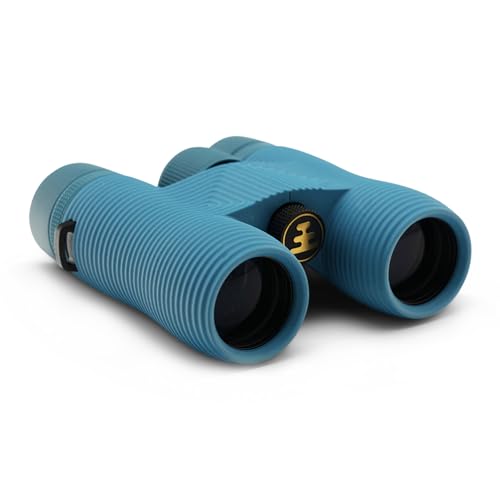


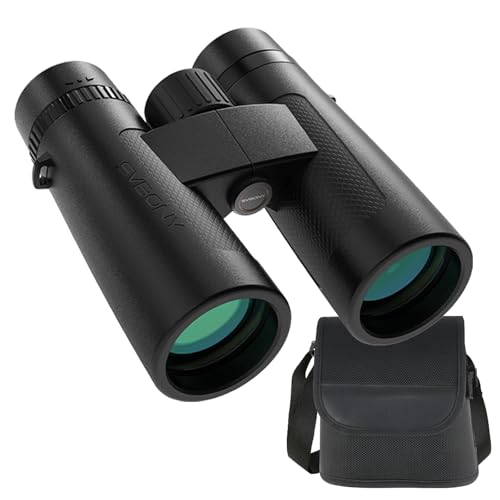
Binoculars 101: The Basics
A binocular is two small telescopes joined side by side, one for each eye, so you see a single image with real depth. Light enters through the large front lenses, called objectives, passes through prisms that correct the image, and reaches your eyes through the smaller eyepieces. The prisms fold the light path, which is why a binocular is far shorter than a telescope of similar power.
Two basic prism designs dominate. Roof prism models look like two straight tubes and pack slim for travel, while porro prism models have the familiar offset shape and often cost less for the same brightness. Neither design is automatically better, because glass quality and coatings matter more than the shape of the housing.
Everything else on the box describes how that simple system performs: how close subjects appear, how much light it gathers, how wide an area you can see, and how comfortable it is to hold for more than a minute.
Key Specs Behind a Best Binoculars Review
Reading the Numbers: Magnification and Lens Size
The size code tells you power first and lens width second, both in one glance. An 8x42 magnifies eight times through 42 mm front lenses, while a 10x42 magnifies ten times through the same glass. More power sounds better, but it also shrinks your field of view and amplifies every tremor in your hands. Most first pairs land at 8x42 because it balances reach, brightness, and steadiness for birds, scenery, and sports alike.
Glass, Coatings, and Image Brightness
Bare glass reflects light away at every surface, so coatings exist to push more of it through to your eyes. Look for the words fully multi coated, which means every air to glass surface got several coating layers. The result is a brighter image with stronger contrast, especially when you look toward the light. Better glass also controls color fringing, the thin purple edge that can appear around dark branches against a bright sky.
Low Light Performance
Binoculars do not create light, they gather it, and the exit pupil tells you how much reaches your eye. Divide the lens size by the power, so an 8x42 gives about 5.25 mm, close to what your dark adapted pupil can accept. That is why the same pair feels bright at dusk while a 10x25 compact looks dim. If dawn patrols or evening games are your plan, favor larger lenses and modest power.
Size, Weight, and Ergonomics
Weight decides whether the pair comes along or stays home. Full size models around 42 mm often weigh about 24 to 30 ounces, compacts about half that, and mid size pairs split the difference. Eyecups should twist or fold to match your face, and glasses wearers need longer eye relief, around 15 mm or more, to see the whole picture. A focus wheel placed where your index finger rests naturally saves fumbling when a bird lands and leaves within seconds.
Focus, Field of View, and Ease of Use
Center focus is the standard setup for a first pair: one wheel sharpens both eyes together, and a small diopter dial on one eyepiece corrects for differences between your own eyes. Field of view, listed in feet at 1,000 yards, shows how wide a slice of the scene you see. Around 330 feet or more at 8x makes tracking moving birds and players far easier, and it is the spec beginners feel most once they start scanning.
Rookie Mistakes to Avoid
- Choosing the highest magnification on the shelf, then fighting a shaky, narrow view that tires your eyes.
- Judging a pair only by its price tag, when coating quality and glass grade matter more than the number.
- Skipping the diopter setup, so one eye always looks slightly soft and headaches follow long sessions.
- Buying a tiny compact for dawn wildlife trips, where its small lenses gather too little light.
- Ignoring the warranty and strap, even though hinges and focus wheels are the parts that wear first.
If your main goal is watching birds, a closer look at the best binoculars for birdwatching shows how these same specs get tuned for feather detail and fast moving subjects. Hunters weigh the same basics differently, favoring rugged sealed bodies, which is why the best rated binoculars for hunting tend to run heavier and cost more.
Getting Started: Setup and First Use
Unbox the pair and set the barrel spacing first, folding the hinge until the two circles of view merge into one clean circle. Next, close your right eye and focus the left side on a distant sign with the center wheel. Then close the left eye and turn the diopter dial until the right side is just as sharp, and leave that dial alone afterward.
Attach the neck strap before your first outing, since most drops happen while juggling a new pair outdoors. Clean glass only with a lens cloth or brush, never your shirt, because trapped grit scratches coatings. Finally, never point the binoculars at the sun, even briefly, because concentrated sunlight can injure your eyes faster than you can blink.
Travelers who want the smallest kit can compare the best rated compact binoculars once the basics feel clear, and anyone hoping to watch owls or deer at dusk should see how the best night binoculars stretch light gathering further with larger lenses.
FAQs
How much should first time buyers spend on binoculars?
About $100 to $250 buys a first pair with fully multi coated glass, a sealed body, and a warranty worth having. Cheaper pairs work for a single trip but often disappoint in low light and feel loose within a season. Above that band, gains turn incremental, mostly edge sharpness and build polish. Set the budget by how often you will use them weekly rather than by the most you could possibly spend.
What does 8x42 or 10x42 mean on binoculars?
The first figure is magnification and the second is the front lens diameter in millimeters. Both example sizes share 42 mm lenses, so they gather similar light, but the 10x42 shows a closer and narrower view. The 8x42 shows more of the scene at once and stays steadier in your hands. Beginners following birds or players usually find the wider 8x view easier to use well.
Can a smartphone replace a first pair of binoculars?
Not really, because a phone zooms by cropping its sensor, which softens detail exactly when you zoom hardest. Binoculars use real glass to deliver a bright, sharp, live view with depth, and they work for hours without draining a battery. A phone still wins for sharing quick photos. Most people end up using both, the binoculars for watching and the phone for recording a moment now and then.
Which binocular specs matter most for beginners?
Magnification, lens size, and coatings matter most, in that order, for a beginner. An 8x42 with fully multi coated glass covers birds, travel, and stadium seats without punishing weight. After those three, a wide field of view helps you find and follow subjects, and comfortable eyecups decide whether long sessions stay pleasant. Skip extreme zoom claims and novelty features until these basics are covered.
What binocular size works best in low light?
A larger exit pupil works best, which means pairing generous lenses with moderate power, like 8x42 or 7x50. These sizes feed your eyes a wide beam of light when your pupils open at dusk. Small compacts, even good ones, simply gather less light through 25 mm lenses. Twilight users should also prize strong coatings, since they protect contrast when the scene itself is dim.
Wrapping Up
Start with an 8x42, insist on fully multi coated glass, and set the diopter properly on day one, and your first pair will serve you for years. Match weight to how far you carry it, and let your main use, birds, travel, or night skies, break any remaining tie. Check the product table above, treat this best binoculars review as your checklist for choosing within your budget, and get outside to use your new pair.