
Best Binoculars for Alaska Wildlife in 2026: Which One Fits the Way You Use It?
Disclosure: We may earn a commission when you buy through links on this page, at no extra cost to you. As an Amazon Associate I earn from qualifying purchases. Learn more

Match the best binoculars for alaska wildlife to your trip, from magnification and lens size to low light brightness and sealing for bears and whales.
There is no single binocular that suits every Alaska trip, because the viewing changes so much from place to place. A whale beside a boat, a brown bear on a distant tidal flat, and a Dall sheep on a high ridge each ask for a different balance of power, brightness, and steadiness. Choosing the best binoculars for alaska wildlife starts with where you will stand, how far the animals will be, and how long you will hold the glass up.
This guide works through those choices in order, from user groups to the features that matter most in cold rain and flat northern light. Then match each format to your itinerary.

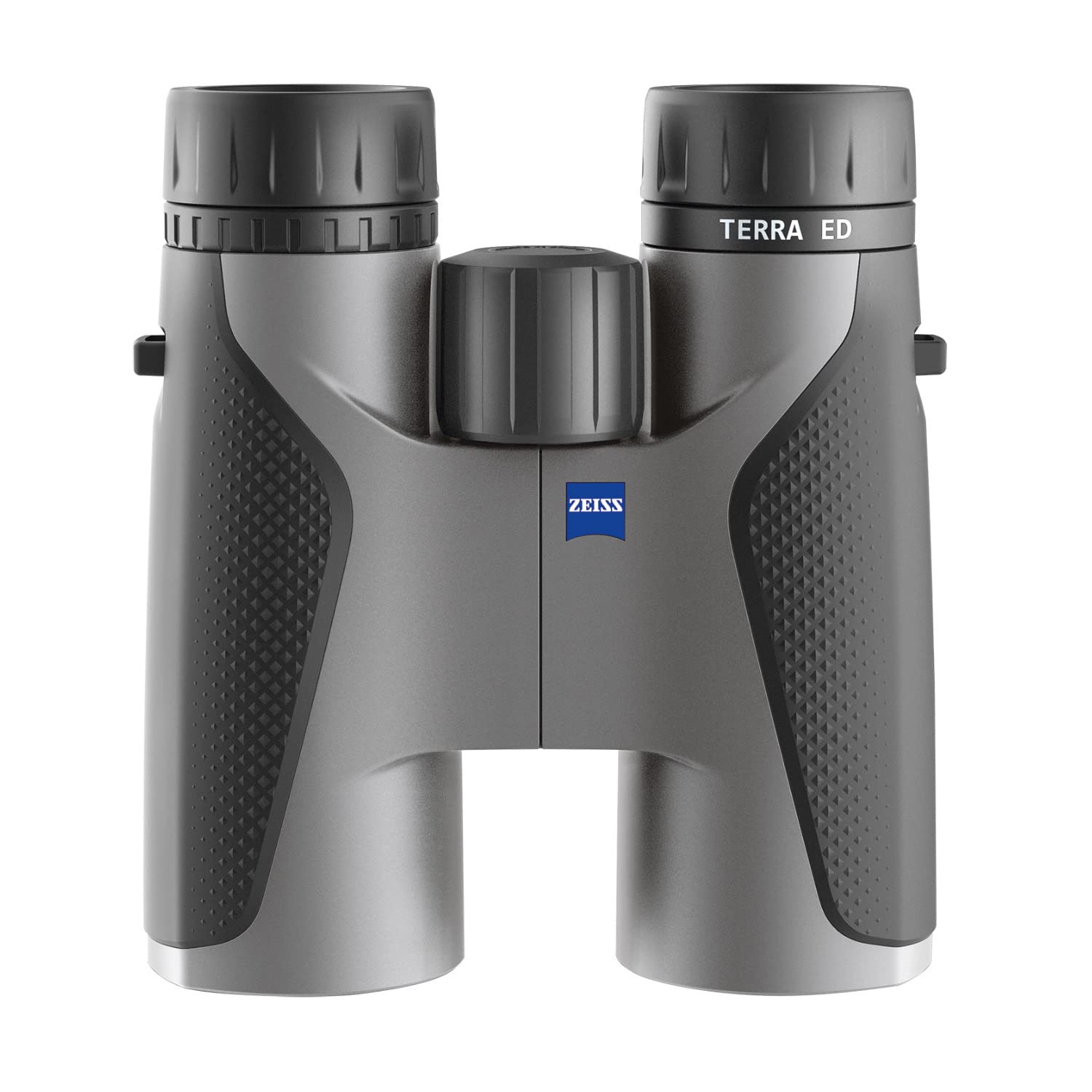


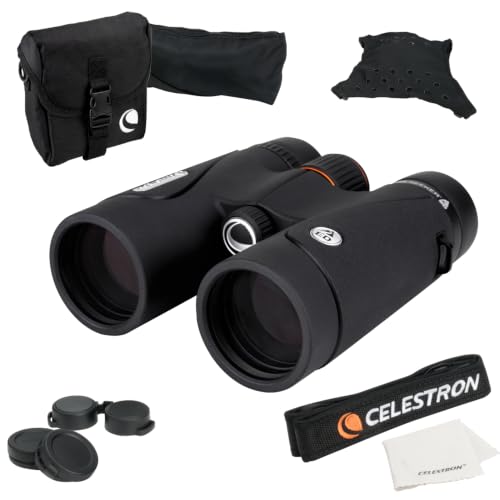


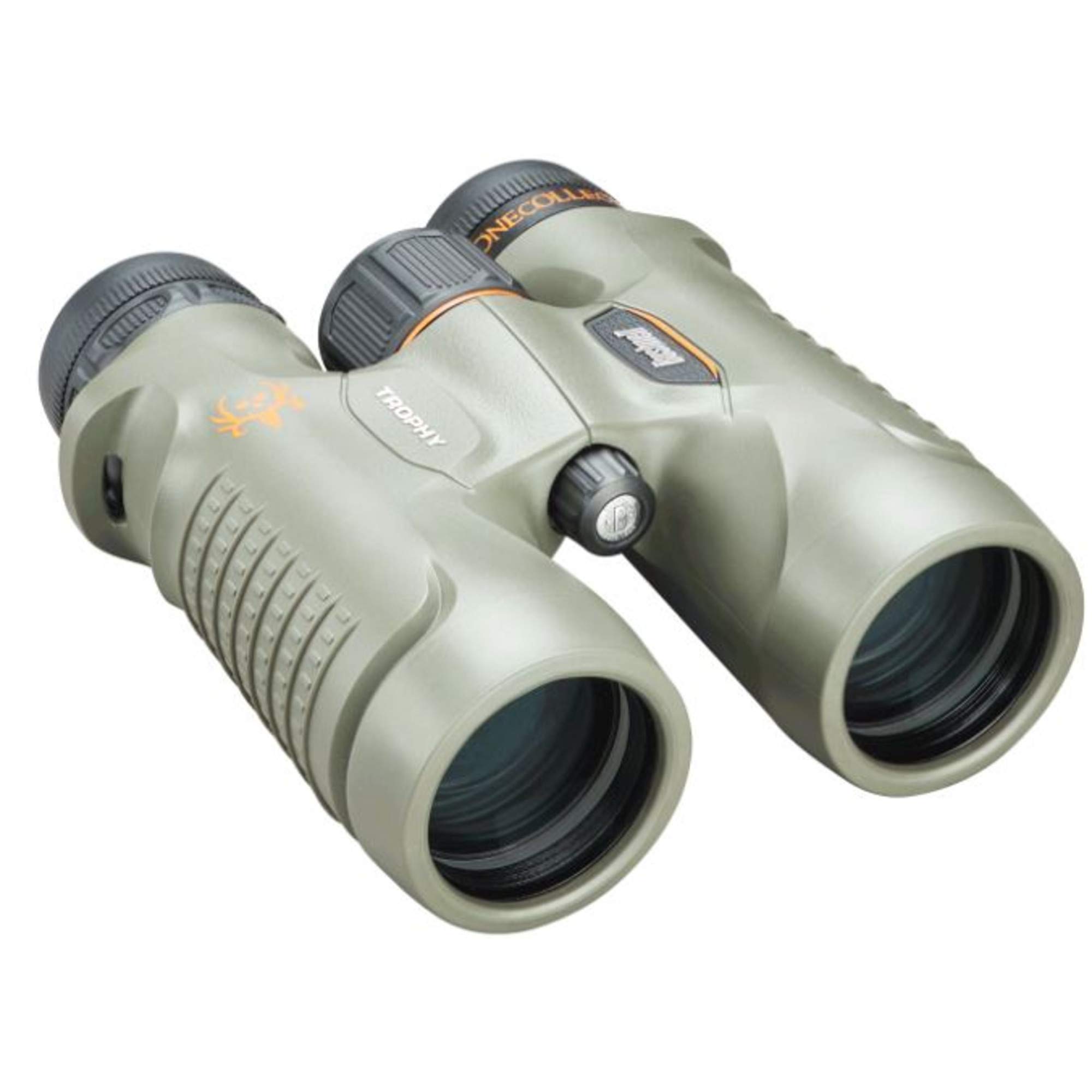


Who Should Buy Which Binoculars for Alaska Wildlife?
Your transport and your terrain shape the right choice more than any single specification. Start with the group below that sounds most like your trip.
Cruise and Boat Based Wildlife Watchers
From a moving deck, steadiness matters more than maximum power, because every motion of the boat is magnified along with the animal. An 8x format gives a wider, calmer view for following whales, sea otters, and eagles across the water. Look for sealed construction that shrugs off spray, plus a grip you can hold with gloves. If your trip centers on a ship, see our guide to the best binoculars alaska cruise for ship specific planning.
Hikers Scanning Tundra and Mountain Slopes
On foot in open country, you scan wide slopes slowly, then study one spot for a long time once something moves. A 10x42 format adds reach for Dall sheep, mountain goats, and caribou without becoming a burden in a pack. Favor a balanced body you can hold steady when you are breathing hard. A chest harness keeps them close and ready on steep ground.
Shore and Trail Viewers Watching Bears and Moose
Much bear and moose viewing happens from boardwalks, riverbanks, and roadside pullouts, often early or late in the day when light is soft and animals are active. Here brightness is the priority, and a full size 8x42 or 10x42 format is the reliable choice. You will watch from a respectful distance set by rangers or guides, so clarity at range matters more than getting close. For more on this style of trip, see our guide to the best binoculars for wildlife viewing in alaska.
Key Features to Compare
Five factors decide how a binocular performs on Alaska animals in Alaska weather. Work through them in this order and the right format usually becomes clear.
Magnification and Steadiness for Distant Animals
Magnification tells you how much closer an animal appears, so a bear at 800 yards looks about 100 yards away through 8x glass and about 80 yards away through 10x glass. Higher power also magnifies hand shake, boat movement, and wind, which is why 10x is a practical ceiling for handheld use and 12x usually needs support. When you compare the best binoculars for alaska wildlife, choose 8x for moving platforms and general scanning, and 10x when you mostly view from solid ground at long range.
Objective Lens Size and Low Light Brightness
The second number in a format such as 8x42 is the diameter of the front lenses in millimeters, and larger front lenses gather more light. That light becomes brightness at dawn and dusk, when bears fish and moose feed. Divide the lens size by the magnification to get the exit pupil, about 5 mm for an 8x42 and about 4 mm for a 10x42. A larger exit pupil gives a brighter view in dim light, so low light viewers should favor 42 mm or 50 mm front lenses over compact 32 mm glass.
Field of View for Scanning Open Country
Field of view describes how wide a scene you can see at once, usually stated as a width at 1,000 yards. A wide view helps you find a moving animal, follow a whale as it surfaces again, and scan a hillside without constant panning. Around 330 feet or more at 1,000 yards feels generous for general wildlife use.
Waterproof and Fogproof Sealing for Alaska Weather
Rain, sea spray, and sudden temperature changes are normal on an Alaska trip, so sealed construction is close to essential. Waterproof binoculars use rubber seals to keep moisture out, while fogproof models are filled with dry nitrogen so the inner glass stays clear when you step from a warm cabin into cold air. Look for both ratings together, plus rubber armor that improves grip with wet gloves. If you also view wildlife at home, see our guide to the best binoculars wildlife.
Glass Quality, Coatings, and Eye Relief for Long Sessions
Clear glass and good coatings decide how much detail and contrast you see in flat light, on gray water, and against bright snow. Extra low dispersion glass, often shortened to ED glass, reduces color fringing around antlers and dark fur against a pale sky, while fully multicoated lenses cut glare. Eye relief is the distance your eye can sit from the rear lens while still seeing the full view. If you wear glasses, look for about 16 mm or more of eye relief and eyecups that stay where you set them.
A Simple Fit and Focus Check Before You Go
Run this short check at home, because a binocular set up wrong can feel poor even when the optics are good. First, bend the body at its hinge until the two round views merge into one clean circle. Next, cover the right lens and focus on a distant sign with the center wheel, then cover the left lens and set the diopter ring until that view is sharp, and leave the ring there.
Then turn the eyecups out if you view without glasses, or leave them down if you wear glasses, and confirm you see the whole scene without black crescents. Finally, hold the binoculars wearing your travel gloves and check that the focus wheel turns smoothly in small steps. For broader trip planning, see our guide to the best binoculars for alaska.
Common Mistakes to Avoid When Buying Binoculars
- Choosing 12x or higher power for handheld use, so shake and a narrow view make animals harder to find and follow.
- Buying a compact 32 mm model for dawn bear viewing, so the dimmer image hides detail exactly when animals are most active.
- Ignoring eye relief while wearing glasses, so you lose the edges of the view and tire your eyes during long watches.
- Skipping sealed construction for a coastal trip, so spray and temperature changes fog the inner lenses when you need them most.
- Packing binoculars loose in checked luggage, so hard knocks can knock the two barrels out of alignment and double the image.
Keeping Binoculars Ready Through Cold, Wet Alaska Trips
Clean the lenses with a soft lens cloth and gentle circular strokes, never with your shirt, because grit held in fabric can scratch the coatings. Blow loose dust away first. Keep the caps on while you move between viewpoints, and carry the binoculars in a padded case or harness rather than loose in a daypack.
After a wet day, let the binoculars dry at room temperature before you close them into their case, because trapped moisture invites fog and mildew. Store them in a dry, padded bag away from direct heat, and check strap and harness fittings before each trip. If the view ever looks doubled after a hard knock, have the maker service the alignment.
Binoculars for Alaska Wildlife: Your Questions Answered
What magnification is best for binoculars for Alaska wildlife viewing?
For most travelers, 8x or 10x is best, with 8x suiting boats and general scanning and 10x suiting steady viewing from shore. A monopod or a vehicle window mount can calm a 10x view during very long watches. If you will share one pair between two people, 8x is usually the safer choice, because new users find and follow animals faster with the wider, steadier image.
Are 10x50 binoculars too heavy for hiking in Alaska?
Many 10x50 models weigh about 28 to 36 ounces, so they are manageable for short walks but tiring on long climbs. The extra front glass earns its weight at dawn and dusk, yet most hikers are happier carrying a lighter 10x42 over a full day. A harness spreads the load across your shoulders and makes a heavier pair feel far less burdensome.
Can binoculars for Alaska wildlife handle heavy rain?
Yes, a binocular rated waterproof can handle heavy rain, provided the seals are intact and the lens caps are used between showers. During a downpour, tethered objective covers and a rain guard over the eyepieces keep drops off the glass so your next view is clear. Shake off standing water before you look, because one large drop near the center of a front lens blurs more than fine mist does.
Do binoculars for Alaska wildlife work well for whale watching from a moving boat?
Yes, they work well from a boat, and lower magnification is the key choice for that setting. Brace your elbows against your body or a rail, and scan with your eyes first, lifting the binoculars only once you spot a blow or a fin. This habit saves your arms and keeps you from searching blindly through a narrow view.
How much should a first pair of binoculars for Alaska wildlife cost?
A sensible first pair costs about $100 to $250, which covers sound glass, sealed construction, and a usable focus wheel. Below that range, brightness and build quality usually fall off in dim northern light. Above it, you pay mainly for finer glass and smoother mechanics. Whatever you spend, keep the warranty papers, because alignment service is the repair owners most often need.
The Bottom Line
Match the format to your platform first, then to the light, and the rest of the decision becomes simple. Boat viewers should favor a steady, wide 8x view, shore viewers should favor brightness, and hikers should balance reach against weight. Whichever group you are in, the best binoculars for alaska wildlife are the sealed, comfortable pair you can hold steady for a long watch, so compare your shortlist in the product table above before you order.


