
Best Binoculars for Whitetail Hunting 2026: Every Type Explained Side by Side
Disclosure: We may earn a commission when you buy through links on this page, at no extra cost to you. As an Amazon Associate I earn from qualifying purchases. Learn more

Compare the best binoculars for whitetail hunting by type, exit pupil, field of view, and price band, with clear guidance for dawn and dusk sits in the woods.
Whitetail hunting rewards patience, and most of it is spent glassing field edges, funnels, and food plots in weak light. Choosing the best binoculars for whitetail hunting starts with matching the binocular type to the way you hunt, not with chasing the biggest magnification number. The comparison table below lays the main types side by side so the trade offs are easy to see.
This guide compares the four designs, then walks through the specs that decide what you see at first and last light, so you can match a type to a tree stand, a long stalk, or a tight budget.

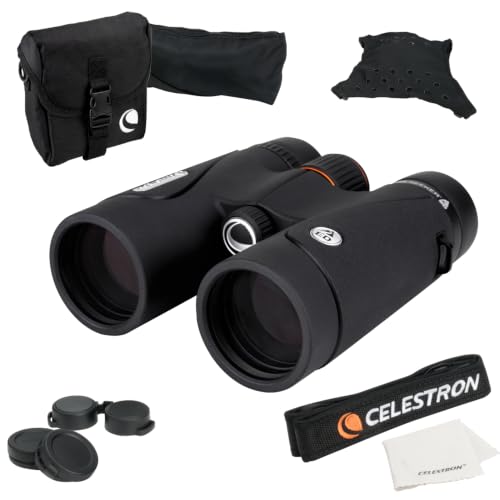
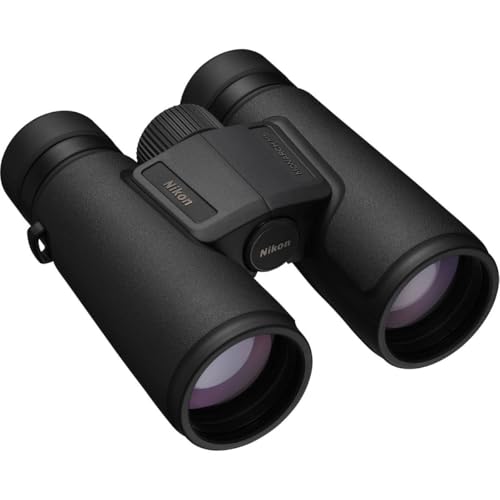


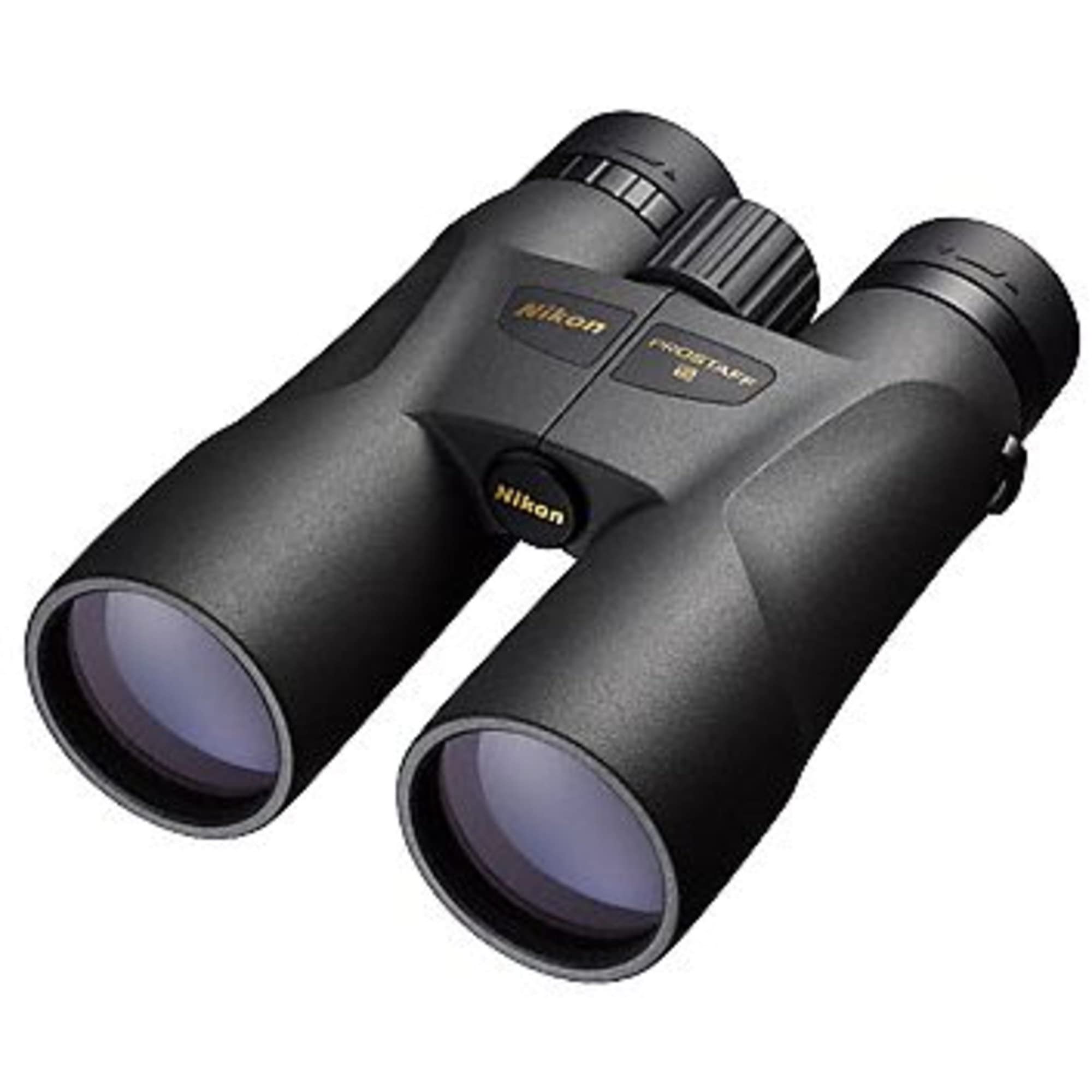


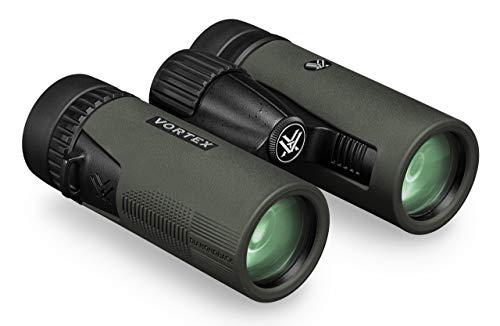
Types of Binoculars Compared
Every whitetail binocular falls into a few design families, and each trades brightness, size, and price differently. If your season also includes open country spot and stalk hunts, our guide to best binoculars for deer hunting covers that ground, while this page stays on whitetail woods and edges. The sections below explain what each type in the product table above really offers.
| Type | Best For | Pros | Cons | Typical Price |
|---|---|---|---|---|
| Full Size | Stand and blind hunting | Brightest view in low light, wide field | Heaviest option on long walks | about $150 to $400 |
| Mid Size | Mixed woods and field hunting | Good brightness with easier carry | Less bright at last light | about $100 to $300 |
| Compact | Long stalks, mobile hunting | Very light, fits a jacket pocket | Dim at dusk, narrow field of view | about $60 to $200 |
| Porro Prism | Budget glassing from a fixed position | Strong depth, strong value | Bulkier body, fewer sealed options | about $70 to $180 |
Full Size Binoculars
Full size binoculars use objective lenses of about 42 mm, most often as 8x42 or 10x42, and they are the default for stand hunting. The larger glass gathers more light, so an 8x42 delivers an exit pupil of about 5.3 mm and stays bright through the first and last legal light, so you judge antlers against brush instead of guessing at a dark shape. The cost is weight, about 24 to 28 ounces, which barely matters on a short walk to a stand but adds up over miles of broken ground.
Mid Size Binoculars
Mid size binoculars shrink the objective lenses to about 32 mm, again in 8x or 10x form. They keep most of the handling and field of view of a full size pair while dropping the weight to about 16 to 20 ounces, a balance many stand and still hunters find easiest to live with all season. The trade off shows at dusk, when smaller lenses pass less light and the image darkens sooner, a difference you feel first in thick timber on a grey evening.
Compact Binoculars
Compact binoculars use objective lenses of about 25 mm and often fold small enough for a jacket pocket. They suit hunters who move constantly or want a backup pair in the pack, and at about 9 to 13 ounces you forget they are there. Their small lenses are the limit, though: an 8x25 gives an exit pupil of about 3.1 mm, so the view dims early and the field narrows. Compacts earn their place through carry comfort, not low light strength.
Porro Prism Binoculars
Porro prism binoculars use an offset lens layout that gives the body its classic stepped shape. The design is simple to build well, so a porro pair often delivers a bright, deep feeling image for less money than a similar roof prism pair, and that depth helps when you pick a deer out of tangled cover. The body is wider and bulkier, and fully sealed models are less common, so hunters who glass from a blind rather than hiking all day get the most value here.
Full Size vs Compact Binoculars: Which Should You Choose?
Choose full size if you hunt mostly from a stand or blind and the walk in is short. The brighter dawn and dusk view helps you confirm a deer before you touch the rifle, and the wider field catches movement along an edge. Weight is the only real sacrifice, and a good harness removes most of it.
Choose compact if distance on foot is the hard part and most glassing happens in decent light. Hunters on a tight budget can start with the classes in our guide to best inexpensive binoculars for hunting and upgrade once they know their ground. Mid size splits the difference for everyone in between.
How to Choose the Right Pair of Binoculars
Star ratings and review counts on retail pages reflect shopper reports about shipping, comfort, and first impressions rather than measured optical tests, so treat lists of best rated binoculars for hunting as popularity signals and let the specs below decide. Four factors matter most for whitetail work, weighed in this order.
Exit Pupil and Light at Dawn
Exit pupil governs how bright a binocular looks in low light, and it is the first number to check. Divide objective size by magnification: an 8x42 gives about 5.3 mm, while a 10x42 gives about 4.2 mm, and that larger beam feeds your eye more light at dawn and dusk, when deer move most.
Your own pupils set the ceiling, opening to about 7 mm when young and closer to about 5 mm with age, so an exit pupil near 5 mm uses nearly all the light your eye can take at last light. That is why an 8x42 often looks brighter than a 10x42 in the woods despite the same lens size.
Field of View for Scanning Cover
Field of view decides how much ground you can watch at once, and wide views catch flicking ears and tails at the edge of vision. A typical 10x42 shows about 315 to 340 feet at 1,000 yards, while most 8x42 models show more, so at woods ranges that width means fewer sweeps to cover a plot.
Magnification works against field, so 10x reach costs width in the timber. Match the balance to your ground: tight cover favors the wider 8x view, while open fields reward 10x reach.
Durability and Weather Sealing
Whitetail seasons bring rain, frost, and sharp swings between a warm truck and a cold stand. Look for a fully waterproof body with fogproof nitrogen purged optics, which keeps internal lenses clear in cold air. Rubber armor adds grip with gloves on and softens stand ladder knocks.
Sealing matters more than any brightness spec once weather turns, because a fogged binocular is useless however good its glass is. Check that the maker states waterproof and fogproof plainly instead of vague splash resistant wording.
Size, Weight, and Ergonomics
A binocular left in the truck helps nothing, so carry weight matters. Full size pairs run about 24 to 28 ounces, mid size about 16 to 20, and compacts about 9 to 13. Many stand hunters carry with best binoculars harness for hunting setups that move the load to the chest and keep them quiet and close.
Eye relief of about 16 mm or more lets glasses wearers see the full field, and a smooth center focus wheel that turns with one gloved finger speeds adjustments on a moving deer. Check that the twist up eye cups stay put.
Setup and Care Tips
Set the diopter once following the manual, and the center wheel keeps both eyes sharp after that. Clean lenses with a soft lens cloth, never your shirt, because grit in fabric scratches coatings. Store the binoculars in a dry, padded bag indoors rather than on a truck dashboard, where heat ages the seals.
- Adjust the strap or harness at home so the binoculars rest at chest height without swinging.
- Blow dust off the lenses before wiping, so grit never grinds into the coating.
- Let a cold, wet pair dry slowly indoors instead of sealing it into an airtight case.
Frequently Asked Questions
What features matter most in binoculars for whitetail hunting?
Brightness in low light matters most, followed by field of view and weather sealing. Whitetail deer move at the dim edges of the day, so glass that stays bright at dawn and dusk beats extra magnification. Lens coatings matter here too, since fully multicoated glass passes more light than single coated glass. A sealed, armored body then protects that view through a wet season.
How much should I spend on my first binoculars for whitetail hunting?
About $100 to $250 buys a first pair with honest glass and real weather sealing. Below that band, coatings and sealing are the corners that get cut, and the view suffers exactly when deer move. Spending more buys better coatings, smoother focus wheels, and stronger warranties rather than a different kind of view. On open fields, put extra money toward 10x reach instead of premium 8x glass.
What does 8x42 or 10x42 mean on a binocular?
The first number is magnification and the second is the objective lens size in millimeters, so 8x42 magnifies eight times through 42 mm front lenses. Dividing the second number by the first also gives the exit pupil. Both numbers are printed on the body near the focus wheel. Higher magnification also magnifies hand shake, which is why 8x feels steadier on a cold morning.
Which binoculars are better for low light, 8x42 or 10x42?
An 8x42 is better in low light because its larger exit pupil delivers a brighter image at dawn and dusk. The 10x42 shows a deer slightly larger, which helps judge antlers at field ranges in good light. Hunters also overlook eye fatigue, since a dimmer, shakier image tires your eyes faster on a long evening sit. In thick woods the 8x wins on field of view too, so most single pair buyers pick the 8x42.
Is a smartphone enough instead of binoculars for whitetail hunting?
No, a smartphone is not enough for serious whitetail glassing. Phone cameras crop a small sensor image to zoom, so detail falls apart at judging ranges, and screens wash out in bright field light. A phone also drains fast in cold weather and ties up both hands. Binoculars give a steady, bright, two eyed view for hours and leave your phone free for maps and wind checks.
The Bottom Line
For most whitetail hunters, an 8x42 or 10x42 pair with an exit pupil near 5 mm, a field of view around 315 to 340 feet at 1,000 yards, and full weather sealing covers the season. Go mid size if you walk far, compact only if carry weight rules every other choice. Compare the types in the product table above, match them to your ground, and the best binoculars for whitetail hunting for your hunts will be an easy call.


