
Best Binoculars for Whale Watching at Every Price in 2026: What Your Money Really Gets You
Disclosure: We may earn a commission when you buy through links on this page, at no extra cost to you. As an Amazon Associate I earn from qualifying purchases. Learn more

Shore watchers and boat passengers can see what each price tier buys in the best binoculars for whale watching, and which upgrades pay off.
Binocular prices run from the cost of a family lunch to the cost of a short holiday, and the gap is not all marketing. Glass, sealing, and build quality climb in steps, and each step buys something real for watching whales. This guide prices out best binoculars for whale watching tier by tier, so you can see what your money actually gets and where it stops getting more. No tier is wrong; the mistake is paying for the wrong one.
Whale watching splits into two jobs: watching from a steady deck or headland, and watching from a boat that never stops moving. Your tier should follow your platform, because motion changes which specifications earn their keep. The product table lays out the picks across the price range, and the feature section explains which upgrades matter on the water and which you can skip.
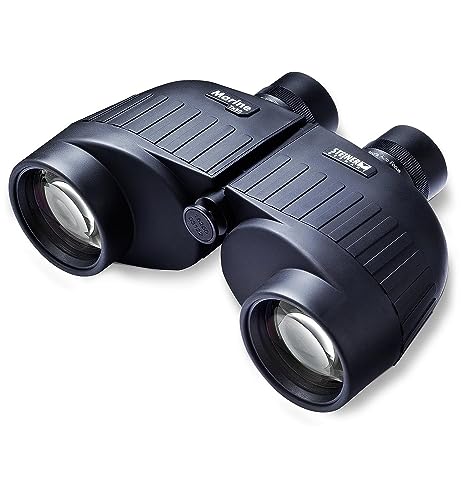
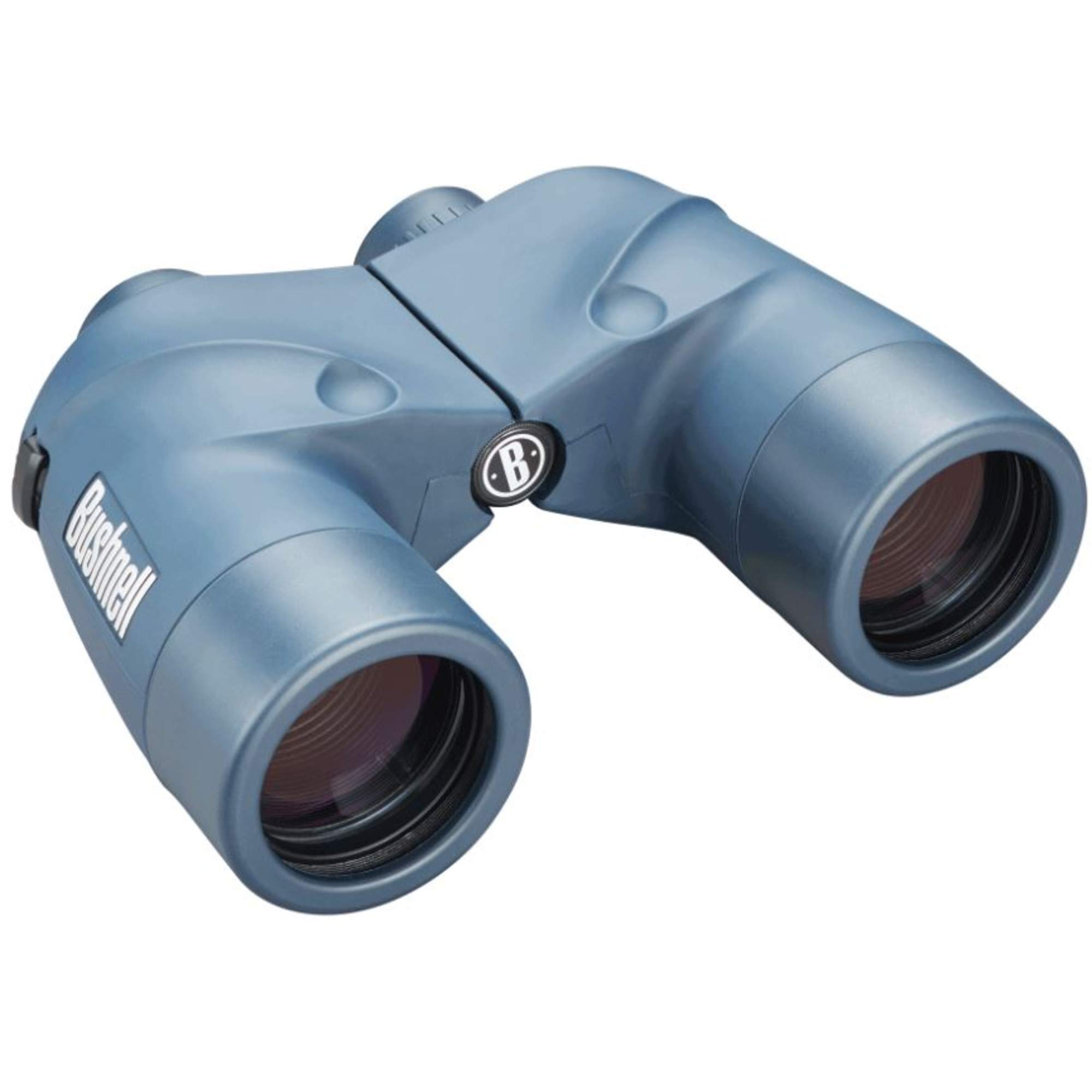

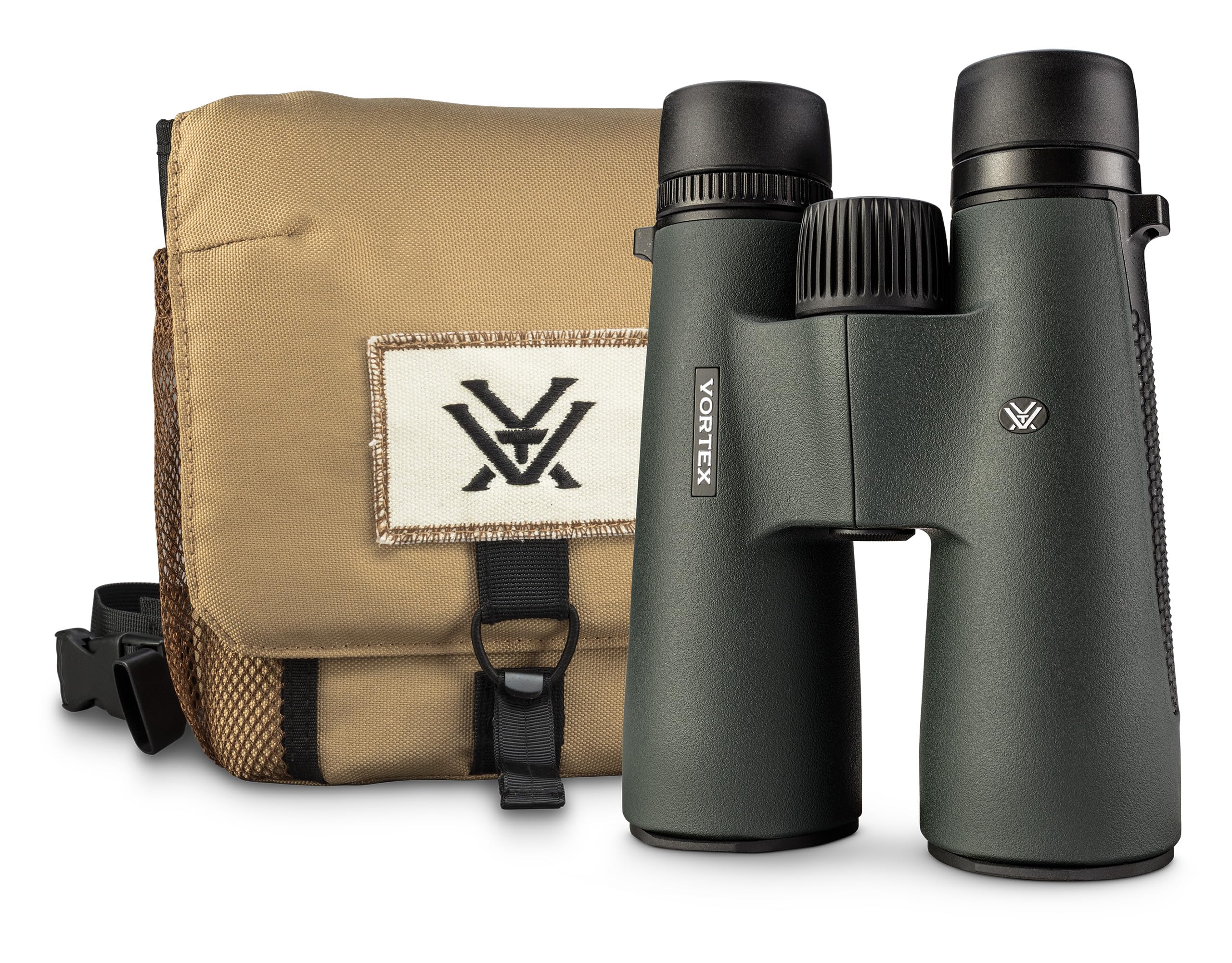
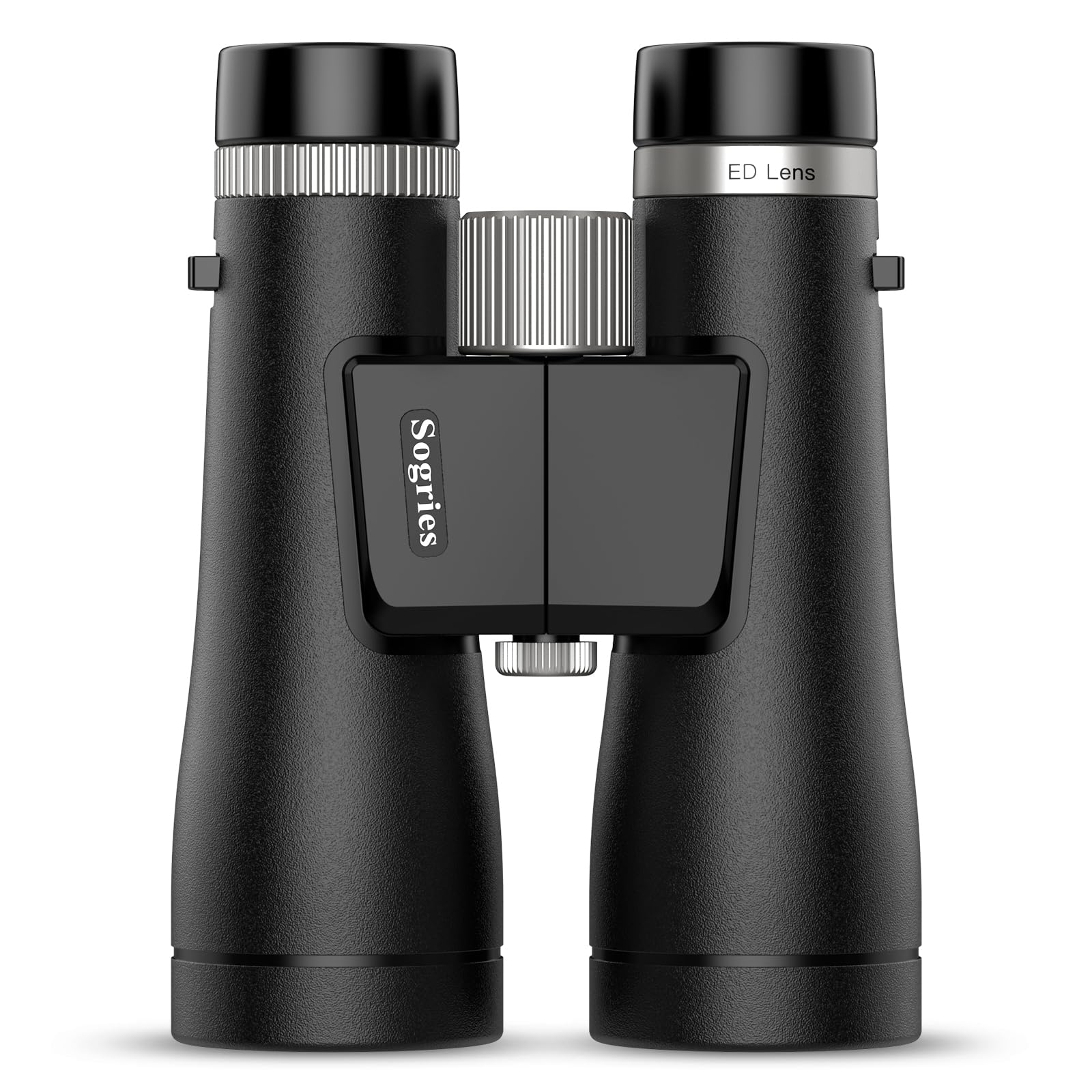


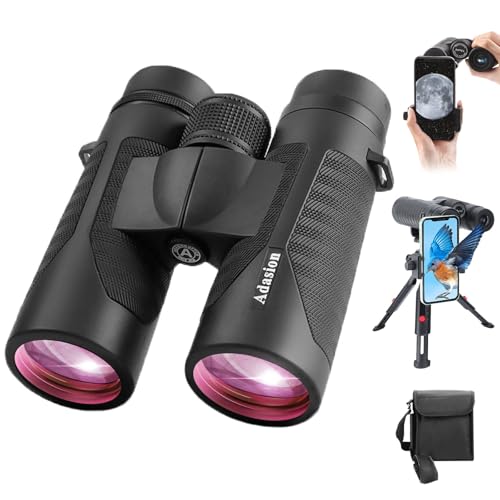

Best Binoculars for Whale Watching at Each Price Tier
Shore Tier: Under About $100
The shore tier buys a simple, honest pair for harbours, piers, and headlands. Expect basic coated glass, a plastic heavy body, and little or no sealing against spray. On solid ground that is often enough: whales seen from a cliff are usually distant and slow, and a steady hand on a railing does the rest.
Many watchers work from the beach or a breakwater, and guides to best binoculars for whale watching from land focus on exactly this steady platform case. The trade is durability and dim light: this tier gives up early on grey mornings, and one soaking can end it. Buy it to learn whether you love the hobby.
Boat Tier: About $100 to $300
The boat tier is the sweet spot for most watchers, because it buys the two things the water demands: sealing and steadier glass. Waterproof and fogproof construction becomes standard, coatings improve, and the build survives knocks against rails and seats. Magnification in this tier is usually sensible for a moving deck, and eye relief grows kinder to glasses wearers.
This is also the tier where a good strap and case start appearing in the box. If you watch from tour boats a few times a year, this tier returns its cost quickly and asks little care beyond rinsing and drying.
Open Water Tier: Above About $300
The open water tier buys light and refinement rather than more magnification. Premium coatings gather more of the grey morning light, focus wheels turn with a precision you feel in cold gloves, and seals and housings shrug off years of salt air. Weight often drops even as strength rises, which matters on a long watch.
Guides and frequent watchers who scan for hours notice these gains daily; occasional watchers may not. Readers who also watch other wildlife on the same trips can compare best binoculars for animal watching, where the same glass serves wider duties. Pay this tier when watching is a habit, not an outing.
Features Worth Paying For (and Ones to Skip)
Steadiness on a Moving Deck
On a boat, motion is the viewing condition, and it outranks every glass figure. A lower magnification class is steadier in the hand, because each swell moves the image less and the whale stays in view longer. An 8 power pair is the classic boat choice for this reason, while higher powers belong on shore or on a mount.
A wide field of view helps the same way, letting you find a surfacing whale and stay with it as the boat rolls. If you watch from shore, where the ground holds still, a guide to best binoculars for whale watching from shore covers the higher power options that a steady platform allows. For the best binoculars for whale watching on a boat, spend on steadiness before you spend on reach.
Waterproof and Fogproof Sealing
Waterproof and fogproof classes are the marine facts, worth paying for from the boat tier up. Spray comes over the bow, rain arrives sideways, and a cold deck fogs a lesser class from the inside when warm hands and cold air meet. Sealed, nitrogen filled construction keeps the fog outside the glass and lets you rinse salt off under a tap without worry.
Check that the sealing claim covers full immersion for a short time, not just splashes. An unsealed pair can serve for years on dry headlands, but one wet boat trip can spot its lenses for good.
Magnification and Objective Lens Size
The two numbers in a name like 8x42 describe power and the front lens width in millimetres. Power decides how close the whale appears; the front lens decides how much light enters, which drives the low light section below. For boats, 8x42 is the balanced class; for shore watching, 10x42 or 10x50 buys reach and light at the cost of a narrower, shakier view.
Bigger front lenses also add weight around your neck. Numbers above 12 power are a shore and tripod class, not a hand held boat class, whatever the listing suggests.
Field of View and Eye Relief
Field of view is how much water you can scan at once, and whales reward it every trip. A blow appears at the edge of your view, a back rolls two body lengths away, and a wide field lets you follow without losing the animal. Eye relief is the distance your eye can sit behind the lens and still see the full picture, which decides comfort with glasses.
Long eye relief with twist up eyecups suits glasses wearers and fast changes between watchers. Both figures are printed on every listing; compare them before comparing coatings, because they shape every minute of use.
Lens Coatings and Grey Light
Exit pupil honesty matters here: the exit pupil is the beam of light leaving the eyepiece, and a larger beam feeds your eye more light in dim conditions. Grey light on water is the most demanding condition, with whales active at dawn, dusk, and under heavy cloud. Fully multi coated glass passes more of that weak light instead of scattering it, which is why the upper tiers look brighter at the same numbers.
A 42 mm front lens at 8 power gives a generous exit pupil; the same lens at 10 power gives a smaller one. Choose the pairing for the hours you actually watch.
Size, Weight, and Ergonomics
A whale watch lasts hours, and your neck keeps the accounts. Full size pairs gather more light but hang heavier; compact pairs ride lightly and give up light and field. Rubber armour protects the body in a boat and grips better with wet or gloved hands.
The focus wheel should turn smoothly with one finger, because a surfacing whale gives you seconds. Try the strap early: a wide, padded strap is a cheap upgrade that makes a midweight pair feel lighter all day. Weight figures in listings exclude the strap and case, so add them in your head.
Long Term Costs to Factor In
The purchase price is not the whole cost. A padded strap, a hard case for boat bags, and a lens cleaning kit are small, sensible additions at every tier. Sealed pairs ask for a rinse in fresh water after salt trips and a dry shelf at home; unsealed pairs ask for more caution and sometimes an early replacement.
Warranty length grows with tier and is part of what the upper bands buy. One pair often serves a second hobby too: coastal walkers who also follow birds can compare best binoculars bird watching, where smaller and closer subjects change the ideal size. The product table keeps the tier prices in view while you add these extras.
Sharing a pair between watchers costs nothing but a minute of setup. Set the diopter adjustment once for each regular user and note the position, because a pair focused for one pair of eyes blurs for another. Folding the eyecups down for glasses and up without them keeps the full field for everyone on the rail. A pair that is quick to hand over gets used more, and on a boat that ease is worth as much as a small step in glass quality.
Frequently Asked Questions
What features matter most in binoculars for whale watching?
Sealing and steadiness matter most, ahead of magnification. A waterproof, fogproof pair survives the spray and temperature swings of a boat, and a moderate power with a wide field keeps a rolling whale in view. After those two, look at eye relief if you wear glasses and at the exit pupil if you watch at dawn or dusk.
Coatings and premium glass refine the picture, but they refine a picture you can only use if the pair is dry inside and steady in your hands. That order holds at every tier.
Is a smartphone enough instead?
A smartphone is enough for recording a close whale beside the boat, and not enough for finding or following one at distance. Phone cameras crop a small sensor image, so distant whales stay tiny and shaky, and a bright screen is hard to read in sea glare. Binoculars also keep your phone dry, charged, and free for the photos that matter when a whale surfaces near the rail.
Many watchers carry both: glass for the watch itself, phone for the few seconds when the animal is close. If you can only bring one on a paid tour, bring the binoculars.
What specs matter most for beginners?
Beginners should start with 8x42, a wide field of view, and full waterproofing. That single specification set is forgiving: steady on a boat, bright in grey light, and simple to share between watchers of different heights and eyesight. Add long eye relief if anyone in the group wears glasses.
Skip high magnification, zoom models, and very compact pairs until you know your platform and your hours. A beginner also gains more from a good strap and a quick practice session on shore than from any upgrade in glass class.
What does 8x42 or 10x42 mean?
The first number is magnification and the second is the front lens diameter in millimetres. An 8x42 makes a whale appear eight times closer through a 42 mm front lens; a 10x42 brings it closer still through the same glass. Dividing the second number by the first gives the exit pupil: about 5.25 mm for 8x42 and about 4.2 mm for 10x42, which is why the 8 power pair looks brighter in dim light. The same division explains the steadiness gap, since higher power magnifies your hand movement along with the whale.
Which is better for low light?
A larger exit pupil is better for low light, which usually means lower power on a full size front lens. An 8x42 or a 7x50 gathers a wider beam for dawn and dusk watching than a 10x42 of the same price. Coatings matter next: fully multi coated glass in the boat tier and above passes more of the weak light to your eye.
No binocular creates light, so manage expectations under full darkness. For most whale watching, which happens in daylight and grey light rather than true night, a sealed 8x42 is the low light answer.
Final Thoughts
Pick your tier by platform first: shore watchers can start low, boat watchers should start at the sealed middle, and daily watchers earn back the top tier in light and comfort. Keep the product table open while you compare listings, and check sealing and exit pupil before magnification. Bought in that order, best binoculars for whale watching become the pair you forget you are carrying, until a blow appears on the horizon and they are already in your hands.


