
Best Binoculars for Western Hunting: Every Type Explained Side by Side for 2026
Disclosure: We may earn a commission when you buy through links on this page, at no extra cost to you. As an Amazon Associate I earn from qualifying purchases. Learn more

Compare the best binoculars for western hunting type by type, with notes on glass quality, price bands and which style suits each hunter.
Western hunting asks more of a binocular than almost any other use. You set up above open country and glass basins, ridges, and sage flats for long stretches, often in the first and last minutes of light. The wrong format or weak glass means animals you never spot at all. This guide compares the types that make up the best binoculars for western hunting so you can match a format to the country you hunt.
Open country is a long glassing game. A 10x42 pair is the hand held class most hunters can hold steady for minutes at a time, while a 12x or 15x pair wants a tripod for a still image. The comparison table below lines the four types up side by side, and the sections after it cover glass, sealing, and carry gear.
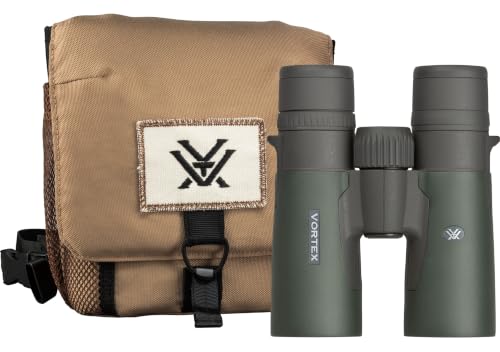


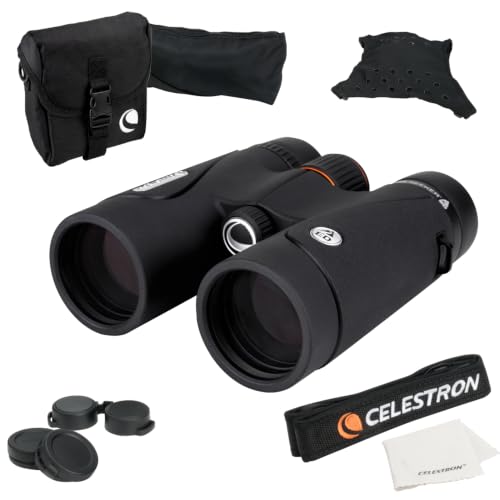
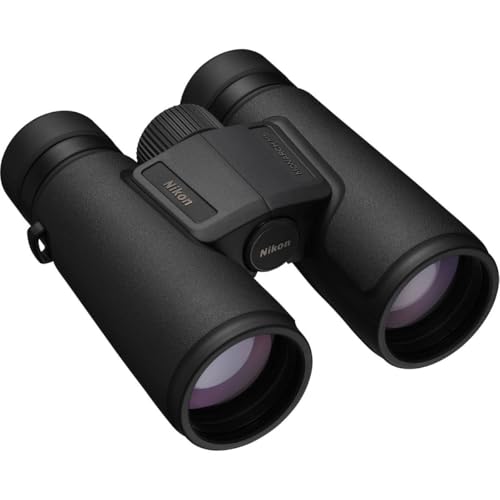


Types of Binoculars Compared
Each type below trades weight, light, and steadiness in a different way.
| Type | Best For | Pros | Cons | Typical Price |
|---|---|---|---|---|
| Compact 8x25 or 10x25 | Backup pair, short stalks | Very light, fits a pocket | Dim at dawn and dusk | about $40 to $120 |
| Mid size 8x32 or 10x32 | Mobile hunters on foot | Light with a wider view | Less light than full size | about $100 to $300 |
| Full size 10x42 | All round open country | Steady by hand, bright view | Heavier on long hikes | about $150 to $500 |
| High power 12x50 or 15x56 | Tripod glassing at range | Most detail at distance | Needs a tripod, heavy | about $400 to $1,200 |
Compact Binoculars
Compact pairs in 8x25 or 10x25 weigh about 10 to 13 ounces and slip into a shirt pocket, which makes them a sensible backup or a loaner for a partner. The small front lenses gather little light, so the view fades fast at dawn and dusk, the hours that matter most out west. Field of view is narrow too, which slows down scanning a wide basin. Treat a compact as a spare, not as your main glass.
Mid Size Binoculars
Mid size pairs in 8x32 or 10x32 split the difference between pocket compacts and full size glass. They weigh about 16 to 20 ounces, hang comfortably on a chest harness all day, and give a wider and brighter view than compacts at first light. The 10x32 still gives up low light reach next to a 10x42, because the smaller lenses pass less light to your eye. For hunters who cover steep miles on foot, this is the honest compromise.
Full Size Binoculars
Full size pairs in 10x42 are the workhorse format for open country. The 42 millimetre lenses feed a bright view at dawn, and the 10x reach reads antlers and body detail across a basin while staying steady enough to hand hold from a seated rest. Weight runs about 24 to 28 ounces, which is real weight on a long climb, yet the format balances reach, light, and steadiness better than any other.
High Power Binoculars
High power pairs in 12x50 or 15x56 exist for one job: judging animals at long range from a fixed glassing point. Mounted on a tripod, they hold a still image that hand held glass cannot match, and they save long stalks after animals that turn out to be too small. The cost is weight, often 38 to 48 ounces before the tripod, plus a narrow field of view.
Full Size vs High Power Binoculars: Which Should You Choose?
Choose the 10x42 if you glass while moving, change positions often, and need one pair to do every job on the hunt. Choose the high power format if your style is to sit for hours over one drainage and judge animals before committing to a stalk. Steadiness is the deciding test, because an unsteady 15x image shows less than a still 10x image every time.
Timber and brush hunters face the opposite problem of short ranges and quick movement. Our guide to the best binoculars for deer hunting covers that closer game and the wider fields of view it calls for.
How to Choose the Right Pair of Binoculars
Format gets you halfway. The checks below decide whether a pair earns its place in your pack for a full western season.
Glass Quality and Coatings
Glass quality is the factor that governs how a pair performs at dawn and dusk, the two windows when western game moves most. Better glass and fuller coatings pass more light and keep edges sharp, so a bedded animal stands out from sage and shadow instead of melting into it. Cheap glass looks fine at noon in a store and then fails at last light. If your budget forces a trade, put the money here before anywhere else.
Features That Matter for Western Hunting
Start with the exit pupil, the width of the light beam that reaches your eye. A 10x42 pair gives an exit pupil of about 4.2 millimetres, and a 15x56 pair gives about 3.7 millimetres, so the bigger lens on the stronger glass does not always mean a brighter view. A wide field of view matters less in open country than in timber, because you scan slowly from a rest rather than following fast movement.
Some hunters also want a distance reading before a stalk. If that matters as much as spotting game, the combined units in our guide to best hunting binoculars with rangefinder are the neighbour class to weigh against a plain binocular plus a separate rangefinder in the pack.
Weather Sealing and Armor
A sealed and nitrogen filled pair shrugs off the dust, frost, and sudden rain that western country serves up in a single week. Waterproof seals keep grit out of the focus wheel, and fog proof internals stop the lenses misting when you move from a cold truck into warm air. Rubber armor absorbs the knocks that come with rocks and tailgates. Sealing is not a luxury here, it is what keeps the glass working.
Weight, Harness, and Tripod Fit
Weight decides how long you can glass before your arms and neck give out. A chest pack keeps the pair centred and protected, and our guide to the best binoculars harness for hunting explains the strap and pouch styles on offer. High power pairs also need a tripod adapter and a head that pans smoothly, so check the threaded socket on the hinge before you buy. Add the tripod weight to the glass weight when you judge a setup.
Setting a Sensible Budget
Serious western glass starts at about $200 to $500, where coatings and build quality take a clear step up, and premium pairs run about $800 to $2,500. Entry pairs in our guide to the best inexpensive binoculars for hunting suit a first season or a spare. Read star scores with care, because a rating average blends backyard users with hunters, and the rankings behind the best rated binoculars for hunting lists say more about popularity than dawn performance.
Ease of Use for Your Skill Level
A focus wheel that turns too fast or feels gritty makes fine focus at long range a chore, so check that the wheel moves smoothly with gloves on. The diopter ring should lock or sit stiff enough that it stays set once your eyes are matched. Twist up eye cups with firm stops help glasses wearers keep the full field of view.
How to Make Your Pair of Binoculars Last Longer
Blow grit off the lenses before you wipe, then use a lens cloth rather than your shirt, because trapped sand scratches coatings. Keep the caps on whenever the pair rides in a pack, and store it in a dry, padded bag away from truck heat. Rinse dust off the body after a storm, and check the hinge and focus wheel for play each season.
Binoculars for Western Hunting: Questions Answered
What features matter most in binoculars for western hunting?
Glass quality and format matter most, since dawn light and long distances punish weak optics. Beyond those, check two details many buyers skip: the tripod adapter thread hidden under the hinge cap, and the width adjustment range, because a pair that cannot match your eye spacing never gives one clean round image. Both take ten seconds to confirm in a store and save a return later.
Which binocular format is better for low light, 8x56 or 10x42?
The 8x56 is better for low light because its larger lenses and lower power give a wider exit pupil of about 7 millimetres, which feeds more light to your eye at dusk. One catch is age: the pupil of the human eye opens less as you get older, so senior hunters may not use the full beam the big glass delivers. Weight also climbs steeply in this format.
How much should a hunter spend on a first pair of western hunting binoculars?
About $200 to $400 buys a first pair with glass good enough for dawn and dusk work in open country. Spending more mainly buys edge clarity and build strength rather than a different class of view. One point buyers miss is resale: a respected mid price pair holds its value well, so upgrading later costs less than the sticker gap suggests. Renting big glass for one trip also beats buying cheap high power.
What does 10x42 mean on a pair of binoculars?
The first number is magnification, so 10x makes an animal look ten times closer, and the second number is the front lens width in millimetres. The pair of numbers also hides a third figure, because dividing 42 by 10 gives the exit pupil of about 4.2 millimetres. On most pairs the numbers sit on or near the focus wheel, next to the field of view figure.
Is a smartphone camera enough instead of binoculars for spotting game?
A smartphone is not enough, because its zoom is mostly digital cropping, which turns a distant animal into a blur of pixels. Glass also works all week on no charge, while a phone battery is your map, your emergency call, and your camera at once. Keep the phone for photos through the lens once you have found game worth a closer look.
Final Thoughts
Western country rewards the hunter who matches format to style: a 10x42 for all round hand held work, or tripod glass for long judging sessions. Let glass quality lead your budget, confirm the sealing, and sort the carry gear before the season opens. Whichever route you take, the best binoculars for western hunting for you is the pair that stays steady and clear in the first and last light. Compare the formats in the product table above before you decide.


