
Best Binoculars for Stargazing Reviews 2026 Made Simple: A Clear Buying Guide
Disclosure: We may earn a commission when you buy through links on this page, at no extra cost to you. As an Amazon Associate I earn from qualifying purchases. Learn more

Learn how to choose the best binoculars for stargazing, with plain English help on magnification, lens size, exit pupil, weight and price for beginners.
If you have been reading best binoculars for stargazing reviews and every listing seems to speak a different language, you are not alone. Numbers like 10x50, terms like exit pupil, and claims about coatings can hide the simple question of what you will actually see. This guide starts with the basics and builds step by step, so you can use the comparison table below with confidence.
You do not need expert knowledge or a large budget to enjoy the Moon, bright planets, star clusters and the Milky Way. You need a pair that gathers enough light, stays steady in your hands and feels comfortable for a full session.


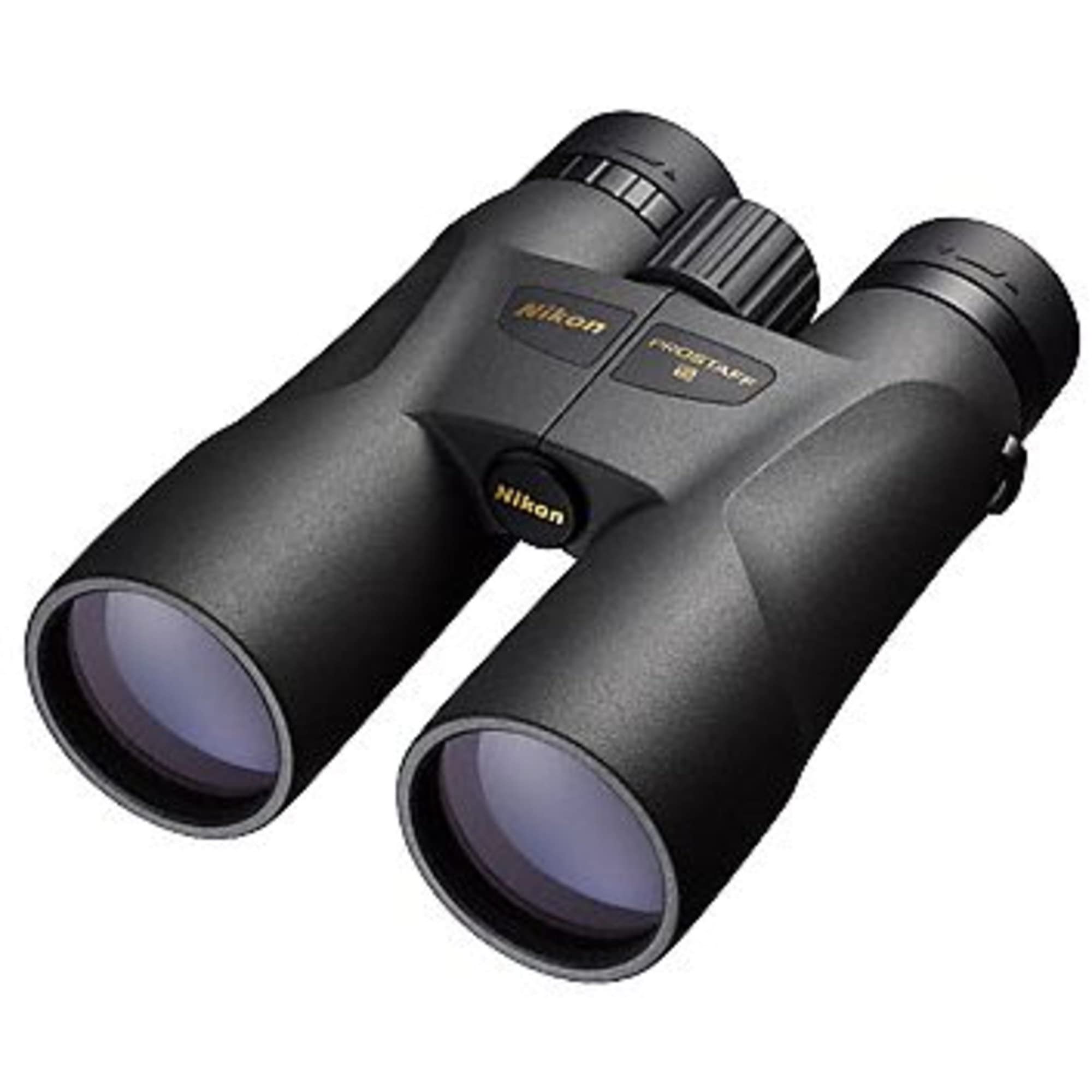


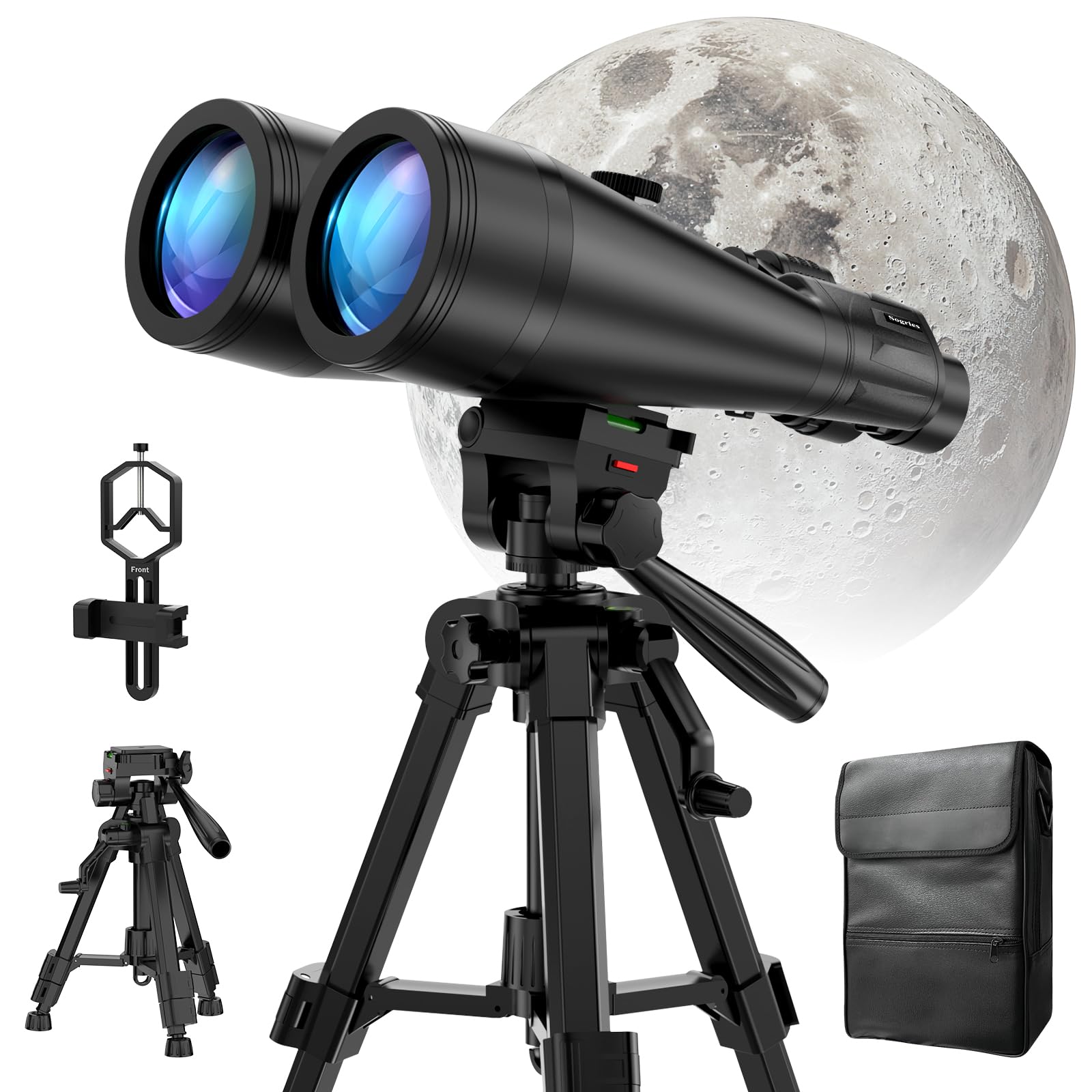
Who Should Buy Binoculars for Stargazing?
Binoculars suit first time buyers because they show the sky with both eyes and need no complex setup. Your main choice is how you will view most often, because that decides the size and power that will feel right.
Backyard Learners Who View From Home
You step outside on clear nights and learn the sky a little at a time, often under some city glow. Choose a moderate size such as 8x42 or 10x50 that you can grab quickly and hold without tiring. A pair that lives near the door gets used far more than a larger pair stored away.
Campers and Travelers Who Chase Dark Skies
You view away from home, where darker skies reveal fainter targets but bag space is limited. Choose a lighter 8x42 or 10x42 pair with sealed construction for damp nights at camp. This size rewards you most when the dark sky itself does much of the work.
Patient Scanners Who Love Wide Milky Way Views
You settle into a chair, sweep slowly along the Milky Way and linger on dense star fields. Choose 7x50 or 10x50 optics for a bright view, and consider a tripod adapter for longer sessions. A relaxed posture lets you notice faint detail that a tense grip hides.
Binoculars 101: The Basics for Night Sky Viewing
A pair of binoculars is two small telescopes joined side by side, one for each eye. Light enters the large front lenses, called objective lenses, passes through glass prisms that flip the image upright, and reaches the eyepieces where you look. Using both eyes feels natural and lets you scan without closing one eye.
A useful way to read best binoculars for stargazing reviews is to translate each claim back to these parts. A bigger objective lens gathers more light, the prisms and coatings decide how much of that light reaches your eyes, and the eyepieces set magnification and comfort.
Decoding the Specs You See in Reviews
Compare these factors in order, because the first two decide most of what you will see. Prices matter only after the basic fit is right.
Magnification and Objective Lens Size in Binoculars for Stargazing
The two numbers in a size such as 10x50 tell the whole story. The first number is magnification, so the view looks ten times closer, and the second is the objective lens width in millimetres. More power also magnifies hand shake and narrows your view, which is why 7x to 10x suits most beginners. For a deeper look at power choices, see our guide to the best magnification binoculars for stargazing.
Exit Pupil and Low Light Brightness in Binoculars for Stargazing
Exit pupil is the width of the light beam that leaves each eyepiece, found by dividing the objective size by the magnification. A 10x50 pair gives a 5 mm exit pupil, while an 8x42 pair gives about 5.25 mm. A larger exit pupil looks brighter in dim light and is more forgiving when your eye moves. For stargazing, about 4 to 7 mm works well.
Field of View and Eye Relief in Binoculars for Stargazing
Field of view is how much sky you see at once, often listed in degrees. A wider field, around 6 to 8 degrees for astronomy use, makes finding targets easier and sweeping the Milky Way more relaxing. Eye relief is the distance your eyes can sit from the eyepieces while still seeing the full view. If you wear glasses, look for about 15 mm or more.
Prism Type, Glass and Lens Coatings in Binoculars for Stargazing
Prisms fold the light path and turn the image upright, and they come in Porro and roof designs. Porro models often give a bright view for the price, while roof models are slimmer and often cost more for equal quality. Coatings reduce reflections and raise contrast, so faint stars stand out better. Look for multi coated or fully multi coated optics, stated plainly.
Durability and Weather Sealing in Binoculars for Stargazing
Night air brings dew, and a good pair should shrug off moisture that forms while you view. Waterproof seals keep damp air out, and fog proof construction filled with dry nitrogen stops the inside glass from misting when temperatures change. Check that the maker states both protections clearly, because a pair used outdoors will meet cold nights and damp grass often.
Size, Weight and Ergonomics in Binoculars for Stargazing
Weight decides how long you can hold a pair steady, and most full size models weigh about 20 to 35 ounces. A lighter 42 mm pair suits travel and long hand held sessions, while a heavier 50 mm pair feels better on a tripod. Grip shape and balance matter on cold nights when you wear gloves. To compare formats, see our guide to the best size binoculars for stargazing.
Getting Started: Setup and First Use for Stargazing Binoculars
Start in daylight, when adjustments are easy to learn. Move the two barrels closer or farther apart until the two circles merge into one clear circle. That spacing is your interpupillary distance, and setting it well removes dark edges and eye strain.
Next, set the diopter ring, usually on the right eyepiece, to balance focus between your eyes. Cover the right lens, focus the left eye with the center wheel, then cover the left lens and turn the diopter until the right eye is sharp. On your first night, give your eyes about 20 to 30 minutes in darkness to adapt, and brace your elbows on a chair for a steadier view.
Rookie Mistakes to Avoid
These errors are common for first time buyers, and each one is easy to prevent.
- Choosing very high magnification for a first pair makes hand shake ruin the view and makes targets hard to find.
- Ignoring exit pupil leaves you with a dim view that hides faint clusters and nebulae.
- Buying tiny travel binoculars for astronomy gives you small objective lenses that gather too little light at night.
- Skipping eye relief checks means glasses wearers lose the outer part of the view.
- Holding binoculars by one barrel or with raised elbows tires your arms and adds constant wobble.
Care and Maintenance for Stargazing Binoculars
Keep the lens caps on when you are not viewing, and store the pair in its case in a dry place. Dew is normal after a night session, so let the binoculars sit open in room air until fully dry before you close the case. Storing a damp pair invites fogging and can damage coatings.
Clean glass only when dust or a smudge truly blurs the view. Blow loose grit off first, then wipe gently with a clean lens cloth, never your shirt, because fabric can drag grit across the coating. Seek a repair service if the two sides no longer point at the same target.
Binoculars for Stargazing: Your Questions Answered
What features matter most in binoculars for stargazing reviews for first time buyers?
Objective lens size and exit pupil matter most, because they set how bright the night view will look. Next comes a field of view wide enough to find targets without frustration. One point reviews often skip is focus wheel feel, so check that the wheel turns smoothly with light gloves on.
What does 10x50 mean on stargazing binoculars?
10x50 means the binoculars magnify the view ten times and each front lens measures 50 mm across. That pairing is popular because it balances brightness, detail and a weight most adults can hold. The numbers are printed near the focus wheel, so you can confirm the format at a glance.
How much magnification should first time buyers choose for stargazing binoculars?
Most first time buyers should choose 7x to 10x magnification for stargazing binoculars. That range keeps the view steady enough to enjoy and wide enough to search with. If you view from a reclining chair, 10x feels manageable for longer, because the chair supports your arms.
Can a smartphone replace binoculars for stargazing?
No, a smartphone cannot replace binoculars for stargazing, because its small lens gathers far less light and shows the sky on a flat screen. A phone still earns a place in your kit as a finder tool. Sky map apps help you locate a cluster first, and then the binoculars show it with depth and brightness.
How much should you spend on your first pair of stargazing binoculars?
A sensible first budget is about $80 to $150, where optics and coatings are usually strong enough to keep for years. Pairs under about $80 can work for casual Moon viewing but often cut corners on coatings. For lower priced options, see our guide to the best budget binoculars for stargazing.
Which binocular size is better for low light stargazing, 7x50 or 10x50?
For pure low light comfort, 7x50 is better, because its exit pupil of about 7 mm delivers the brightest and steadiest view. 10x50 shows more detail but shakes more in your hands. Age matters too, because pupils dilate less with age, so many older viewers find a 5 mm exit pupil already fills the eye. If you want that format, see our guide to the best 10x50 binoculars for stargazing.
Wrapping Up
Keep your decision simple. Start with a 42 mm or 50 mm objective lens, an exit pupil near 5 mm and magnification between 7x and 10x, then check eye relief, weight and sealing. Use the product table above to compare those points.
When you return to best binoculars for stargazing reviews with these basics clear, the long spec lists stop feeling like a test. Choose the pair you will carry out most often, step into the dark, and let your eyes settle.


