
Best Binoculars for Squirrel Hunting: Buying Guide for 2026
Disclosure: We may earn a commission when you buy through links on this page, at no extra cost to you. As an Amazon Associate I earn from qualifying purchases. Learn more

Choose binoculars for squirrel hunting with guidance on magnification, field of view, close focus, low light clarity and fit for long sits in timber.
Squirrels give you very little to see. A flick of a tail, a shaking twig, or a brief pause on a limb can be the whole chance, and thick leaves hide the rest. The best binoculars for squirrel hunting help you confirm the animal and pick a clear shot before it moves. Use the comparison table below to check the traits that matter most in timber.
This guide skips long range glass for open ground and focuses on close, shaded woods. You will learn which magnification stays steady and which build survives damp mornings.
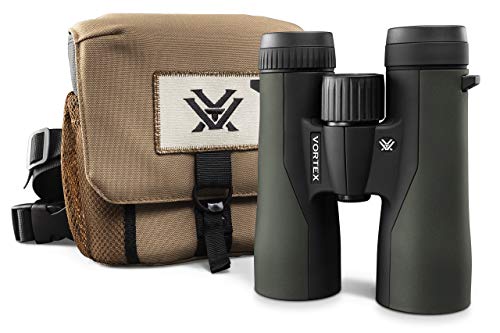


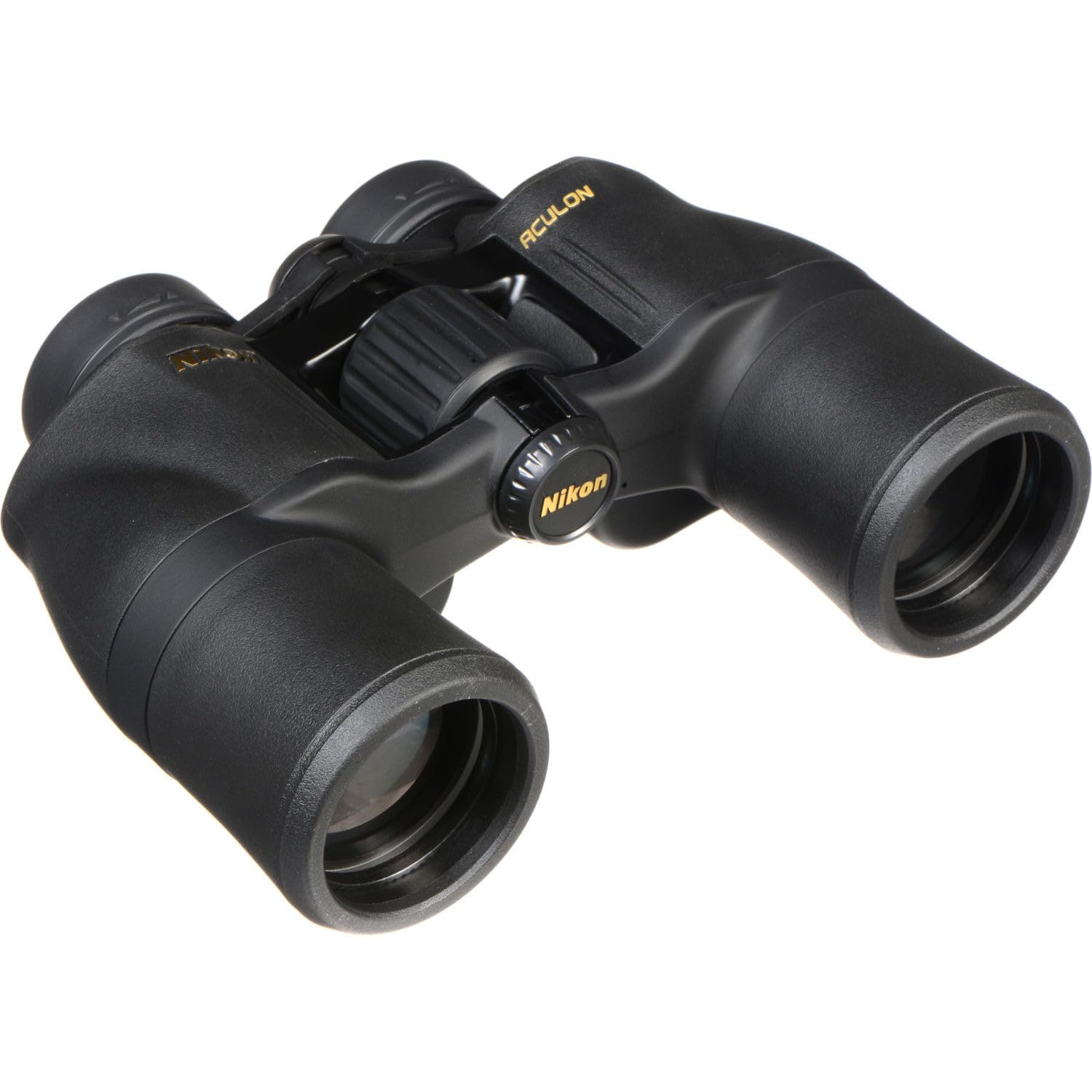
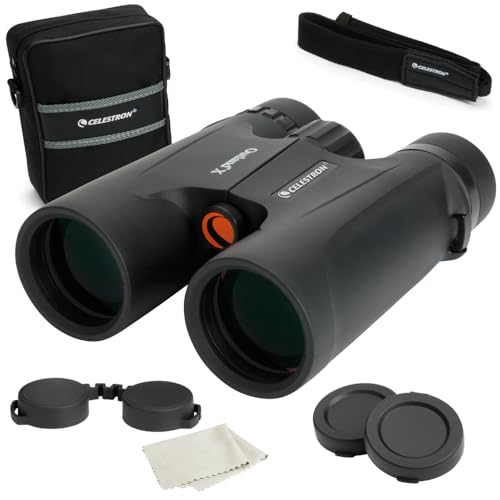


Who Should Buy Which Binoculars for Squirrel Hunting?
Your hunting style sets the right balance of power, size, and brightness.
Hunters Who Sit Near Mast Trees
You settle against an oak or hickory and wait for squirrels to come to feed. Distances are short and light is dim under the canopy. Choose a standard size pair with strong dawn brightness and a smooth focus wheel, because your glassing is slow scanning from limb to limb.
Hunters Who Walk and Scan Timber
You move slowly from tree to tree and glass ahead before each few steps. Choose compact binoculars that ride light on your chest and come to your eyes fast. A wide field of view matters more than extra power, because you need to catch movement at the edge of your view while you stand.
Hunters Who Wear Glasses in the Woods
You need room between the eyecups and your lenses so you can see the full view without dark edges. Choose longer eye relief and eyecups that stay at the height you set. A focus wheel you can turn with gloves also helps on cold late season mornings.
Key Features to Compare
Compare these factors in order, because the best binoculars for squirrel hunting are judged in shade and at close range, not across a field. If you also glass open fields, see our guide to the best rated binoculars for hunting for broader hunting use.
Magnification and a Steady View
An 8x view is the sweet spot for most timber, because it enlarges a squirrel on a limb while staying steady in your hands. A 10x view helps when you sit and brace your elbows, but it magnifies hand shake and makes a fast squirrel harder to follow. Extra shake often costs more sightings than extra power gains.
Objective Lens Size and Dawn Brightness
The second number in a rating such as 8x42 is the objective lens size in millimeters. A larger front lens gathers more light, which helps at dawn when the canopy is still dark. An 8x42 pair gives a generous exit pupil, the circle of light that reaches your eye. A 32 mm pair is lighter, but its view dims sooner at first and last light.
Field of View for Fast Movement
Field of view is the width you can see at a set distance, and it decides how easily you follow a squirrel that jumps between limbs. A wider view keeps the animal in frame while it runs and helps you find the next branch. Narrow, high power views frustrate you in thick timber, where most movement starts close.
Close Focus for Near Squirrels
Close focus is the shortest distance at which the image stays sharp. Squirrels often feed or freeze within about 15 to 30 feet of a quiet hunter, where some hunting glass turns blurry. Look for a close focus of about 6 to 8 feet or less, because that covers a squirrel on a nearby stump or low limb.
Lens Coatings and Color Detail
Coatings reduce glare and help you separate a gray squirrel from gray bark in flat shade. Fully multi coated optics, with coatings on all air to glass surfaces, give the clearest contrast for this work. Color detail matters because a red squirrel, a fox squirrel, and a dead leaf share warm tones, so better contrast lets you confirm the animal before you shoot.
Weatherproof Build and Grip in Damp Timber
Squirrel seasons bring rain, fog, and wet leaf litter, so sealed construction protects the view you paid for. Look for waterproof sealing and fogproof filling, often described as nitrogen purged, so cold mornings do not cloud the inside lenses. Rubber armor adds grip when your hands are damp and guards the body if the pair bumps a tree.
Types of Binoculars for Squirrel Hunting Compared
Three broad types cover most squirrel hunters, each trading brightness, size, and price differently.
Compact Binoculars for Walking Hunters
Compact binoculars use smaller front lenses, often around 25 to 32 mm, and pack small in a vest pocket. They suit hunters who cover ground and glass often for short periods. The tradeoff is a dimmer view at dawn and a smaller field that can feel tight. For midday hunts, that tradeoff is often worth the saved weight.
Standard Roof Prism Binoculars for Most Hunters
Roof prism models have straight barrels and a slim shape that handles well with one hand. In 8x42 form they balance brightness, field of view, and weight for sits and walks alike, so most hunters should start here. If you hunt deer from the same timber, see our guide to the best binoculars for deer hunting for the longer shots that work demands.
Porro Prism Binoculars for Value and Depth
Porro prism models have offset barrels and a wider body, and they often give a strong sense of depth between branches. That depth helps you tell whether a squirrel sits in front of a limb or behind it. They can cost less for similar glass quality, but the wider shape takes more pack room.
How to Set Up Binoculars for Squirrel Hunting
Set the fit once at home, and the pair will work faster in the woods. Bend the barrels until you see one clean circle. Focus the main wheel on a distant sign, then adjust the diopter control for your other eye and leave that setting alone. Set the eyecups out if you hunt without glasses and in if you wear them.
Carry the pair where your hands find it without looking down. A chest carry keeps the glass close and off your rifle sling, and our guide to the best binoculars harness for hunting explains the fit points to check. Practice one smooth motion at home, because a squirrel rarely waits while you sort out straps.
Most squirrel shots are close, so a rangefinder adds weight you seldom use. Hunters who split time between woods and fields can see our guide to the best hunting binoculars with rangefinder for that different need.
Common Mistakes to Avoid
- Choosing 12x or higher power for timber makes hand shake hide the squirrel and shrinks your field of view.
- Ignoring close focus leaves a nearby squirrel blurry at the exact moment it offers the clearest shot.
- Buying the largest objective lens for dawn brightness alone makes the pair heavy enough that you leave it in the truck.
- Setting the diopter again on every hunt wastes the pause a squirrel gives you and invites a missed chance.
- Judging glass in bright store light hides weak contrast that fails in shaded canopy.
- Carrying binoculars on a loose neck strap lets them swing and make noise in quiet woods.
Care and Maintenance for Binoculars Used in Timber
Clean the lenses with a soft lens cloth, never with a shirt that can drag grit across the coating. Blow loose dust off first, because a single grain pressed into the glass can leave a fine scratch. Keep lens caps on while you walk through brush.
After a wet hunt, let the pair dry at room temperature with the caps off before you store it in a dry, padded bag. Wipe mud from the armor and focus wheel with a damp cloth, and check strap clips for fraying. Store the pair away from heat in a car, because repeated heat ages seals.
FAQ
What features matter most in binoculars for squirrel hunting?
A wide field of view and short close focus matter most in timber, because squirrels move fast, stop close, and hide in clutter. One point hunters overlook is focus wheel travel. A wheel that goes from near to far in a short turn helps you sharpen a squirrel that drops from a limb to the ground.
How much should I spend on binoculars for squirrel hunting?
Most squirrel hunters do well with binoculars that cost about $80 to $250, and the middle of that range usually buys clearer coatings and better sealing. If cost is your main limit, see our guide to the best inexpensive binoculars for hunting and spend first on contrast, because shade, not distance, is your main problem in timber.
What does 8x42 or 10x42 mean on binoculars for squirrel hunting?
The first number is magnification and the second is the objective lens size in millimeters, so 8x42 magnifies eight times with a 42 mm front lens. The extra check is the exit pupil, found by dividing lens size by power. An 8x42 pair gives about 5.25 mm, which suits dim timber better than the roughly 4.2 mm from a 10x42 pair.
Which binoculars for squirrel hunting work better in low light?
Binoculars with a larger exit pupil and strong coatings work better in low light, so an 8x42 pair usually looks brighter at dawn than a 10x42 pair of similar quality. Arrive and settle before first movement, because your eyes adapt to dim light over several minutes, and a raised heart rate adds shake.
How do you hold binoculars steady while squirrel hunting?
Brace your elbows against your chest, a knee, or the tree you sit against to hold binoculars steady. A seated position with your back supported removes most shake without extra gear. When you stand, lean a shoulder lightly against a trunk, because that contact point steadies an 8x view enough for identification at timber ranges.
Our Verdict
Start with a steady 8x view, a wide field, and a close focus short enough for the squirrel that freezes beside your tree. Add sealed, fogproof construction and coatings that separate fur from bark. Then check the product table above for size, weight, and price.
Chosen that way, the best binoculars for squirrel hunting become a quiet tool you trust at first light. You will spot more movement and take only shots you have clearly seen.


