
Best Binoculars for Sports and Concerts of 2026: Complete Buying Guide
Disclosure: We may earn a commission when you buy through links on this page, at no extra cost to you. As an Amazon Associate I earn from qualifying purchases. Learn more

Compare binoculars for sports and concerts by magnification, field of view, brightness and size, with a checklist for fast action and dim halls.
A distant play or a performer at the far end of a stage can feel just out of reach from an upper seat. The best binoculars for sports and concerts close that gap without adding shake, dimming the view or weighing down your bag. This guide explains the numbers that matter so you can read the comparison table below with confidence.
Sports and concerts pull in opposite directions. A game rewards a wide view that follows fast movement in daylight, while an evening show rewards brightness in dim light.
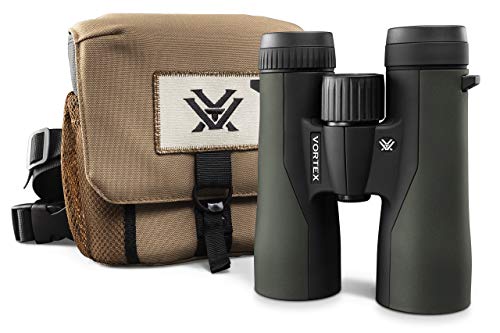

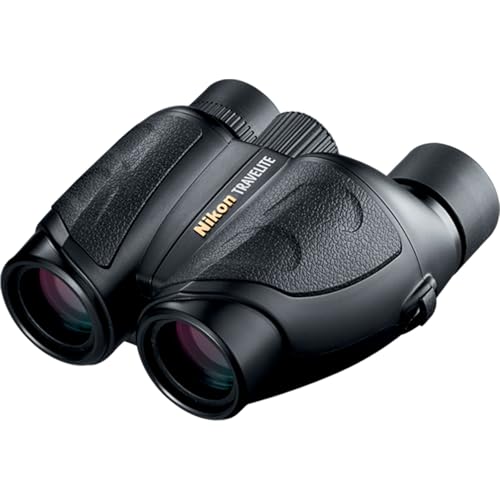


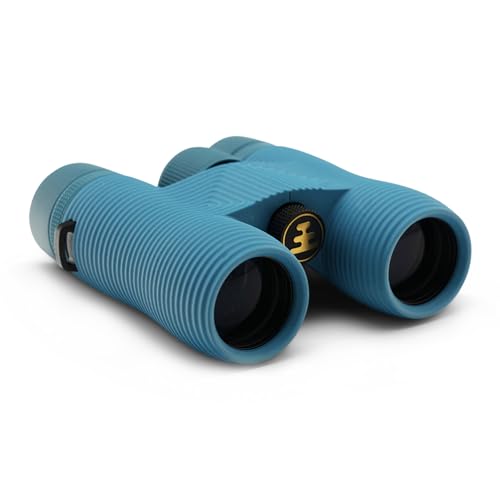
Who Should Buy Which Binoculars for Games and Shows?
Start with the seat you buy most often and the light you usually sit in. Those two facts narrow the size and power you need more quickly than any brand name.
Sports Fans Who Follow Fast Play from the Stands
You track a ball, a puck or a runner that changes direction without warning, often from seats well above the field. Choose 8x power for a steadier and wider view, and read our guide to the best sports binoculars if stadium use is your main plan.
Concertgoers in Theaters, Arenas and Amphitheaters
You sit in dim light and care about faces, hands on instruments and small stage details. Choose larger front lenses for a brighter image, and check our guide to the best binoculars for concerts if evening shows matter most.
Fans Who Split Time Between Stadiums and Stages
You need one pair that works at a noon game and at a night show in the same month. A versatile 8x42 or 10x42 pair is the usual answer, and our guide to the best binoculars for watching sports can help you weigh reach against steadiness.
Key Features to Compare
Read each model in the same order: power, lens size, field of view, eye comfort and body design. Comparing the best binoculars for sports and concerts this way keeps a high power number from hiding a narrow or dim view.
Magnification: 8x for a Steady View or 10x for More Reach
Magnification is the first number in a code such as 8x42, and it tells you how much closer the scene appears. At 8x, a play 80 yards away looks about 10 yards away, and hand movements stay manageable through a long game. At 10x, distant faces and jersey numbers grow larger, but every tremor grows too and the view narrows. Powers of 12x and above suit a braced view far better than hands in a crowded row.
Objective Lens Size, Brightness and Lens Coatings
The second number in 8x42 is the diameter of each front lens in millimeters, and it drives brightness. A 42 mm lens gathers far more light than a 25 mm compact lens, which matters at night games and in dark halls. Dividing lens size by power gives the exit pupil, about 5 mm for 8x42 and about 4 mm for 10x42, and a larger value looks brighter at dusk. Coatings reduce glare and improve contrast, so look for glass described as fully coated on all surfaces.
Field of View for Tracking Players and Performers
Field of view is the width of the scene you can see at once, often listed as feet at 1000 yards. An 8x pair commonly shows about 350 to 430 feet at that distance, while a 10x pair more often shows about 300 to 360 feet. That extra width at 8x helps you keep a moving ball in frame. At a concert, a generous field lets you take in a whole band at once.
Eye Relief, Exit Pupil Comfort and the Focus Wheel
Eye relief is the distance your eye can sit from the rear lens while still seeing the full picture, and glasses wearers should look for about 15 mm or more. Twist up eye cups let you set that distance, while a diopter ring on one side balances focus between your two eyes. The center focus wheel should turn smoothly with one finger, because sports demand quick refocusing as play moves. Close focus near 6 to 8 feet only matters at small shows.
Body Size, Prism Design and Weather Sealing
Roof prism models are slim and straight, so they slip into a jacket pocket or small venue bag and usually cost more for the same clarity. Porro prism models are wider and can cost less, but they take more room. Full size pairs near 42 mm often weigh about 20 to 28 ounces, while compacts near 25 mm may weigh about 10 to 14 ounces. Sealed bodies resist rain and slow fog inside the barrels.
Types of Binoculars for Stadiums and Stages
Size is the simplest way to sort the market. Each type below trades brightness and comfort against weight and ease of carrying.
Full Size Binoculars for Evening Games and Dim Halls
Full size binoculars with 42 mm front lenses give the brightest and most relaxed view of the three types, and they suit long events where eye fatigue matters. They fit night baseball, evening soccer and dark theater seats best. Expect prices of about $100 to $300 for solid dual use models. Their drawback is bulk, so check venue bag rules first.
Compact Binoculars for Travel and Upper Seats
Compact models with lenses of about 25 to 32 mm fold small, ride lightly on a neck strap and pass strict venue bag checks with ease. They work well at daytime games and well lit arenas, and many cost under $100. The trade is a dimmer image after sunset and fussier eye placement. A 32 mm compact gives a middle path between pocket size and brightness.
Opera Glasses and Low Power Binoculars for Close Stages
Opera glasses and low power pairs, often around 3x to 5x, suit front and middle seats at plays, musicals and small recitals. The low power keeps the whole stage in view and hides hand shake almost completely. They gather little light for distant upper seats and offer no real help at a stadium, so treat them as a theater only tool.
Common Mistakes to Avoid
Most regrets with event binoculars come from chasing one number and ignoring the seat, the light or the venue rules.
- Choosing 12x power or higher for handheld use makes the image shake and narrows the scene so fast plays leave the frame.
- Buying tiny 21 mm lenses for night events gives a dim and dull view just when stage light falls.
- Ignoring field of view means a wide receiver or a guitarist can move out of sight before you react.
- Skipping eye relief as a glasses wearer cuts off the edges of the picture and strains your eyes.
- Testing a pair only under bright store lights hides weak brightness and glare that appear in a dark hall.
- Forgetting venue bag and size rules can leave your pair turned away at the gate.
Care and Maintenance for Event Binoculars
Blow or brush grit from the lenses before you wipe them, because a trapped grain can scratch the coating in one pass. Clean glass with a soft lens cloth and a small amount of lens fluid, working in light circles from the center outward. Keep the caps on whenever the pair is not at your eyes.
After a wet game, let the pair dry at room temperature before it goes back into its padded case, and never leave it in a hot car trunk. Check the neck strap, hinge tension and focus wheel each season, and replace a worn strap before it fails in a crowd. Store the pair in a dry place.
Frequently Asked Questions
What do the numbers 8x42 and 10x42 mean on binoculars for a stadium seat?
The first number is magnification and the second is front lens size in millimeters, so 10x42 magnifies more than 8x42 with the same lens size. One practical check is to read a distant seat number in the store and note which code stays readable while your hands sway.
Are binoculars allowed inside stadiums and concert venues?
Most stadiums and concert venues allow standard binoculars, but rules on cases and bag size vary by venue and by event. Check the venue page for your date, carry the pair on its strap or in a clear bag if required, and arrive a little early in case staff inspect it.
Can I wear glasses while using binoculars at a game or concert?
Yes, you can wear glasses with binoculars, and the setup works best when you twist the eye cups fully down first. Set the diopter with your glasses on, because that is how you will actually watch, and remove tinted lenses at evening shows to keep the image bright.
How much should a first time buyer spend on binoculars for sports and concerts?
A first time buyer usually does well at about $100 to $250, where glass clarity and build quality take a clear step up from entry models. Below that range, compacts can still serve at day games, while spending above it mainly buys better coatings and a smoother focus feel.
How can I hold binoculars steady during a long game or performance?
You can hold binoculars much steadier by bracing your elbows against your ribs or the seat arms and letting the strap hang with light tension. Rest your thumbs under the barrels, breathe out slowly before a key play, and lower the pair between moments instead of holding it up for minutes. A railing or seat back in front of you makes a fine brace when the row layout allows it.
The Bottom Line
Match power to your steadiness, lens size to your light, and body size to your venue before you look at price. For most readers, an 8x42 pair is the safest single choice, with 10x42 reserved for steady hands and distant seats. Use the product table above to confirm field of view, weight and eye relief for each model.
Chosen with those points in mind, the best binoculars for sports and concerts will bring faces, plays and small stage moments close without fuss. Bring the pair you will actually carry, and every seat in the house gets a little closer.


