
Best Binoculars for Watching Sports in 2026: Which Type Is Right for You?
Disclosure: We may earn a commission when you buy through links on this page, at no extra cost to you. As an Amazon Associate I earn from qualifying purchases. Learn more

Compare compact, mid size and full size binoculars for watching sports by field of view, power, brightness and price before your next game day.
From the top row of a stadium, the game can feel far away: jersey numbers blur, the ball vanishes into a crowd of players, and a great play reads as a scrum. The best binoculars for watching sports fix that by matching field of view, power and size to the seat you sit in. Confusion is normal, because the same three numbers mean different things at a ballpark, a racetrack and a soccer field. This guide compares the main types side by side, and the comparison table below sums up each type at a glance.
Speed is the theme of every section. Plays develop in seconds, so the pair that finds the action fastest usually beats the pair with the biggest numbers. Below you will find the type comparison, the field and power trade explained in plain terms, care habits, and answers to the questions new buyers ask most.
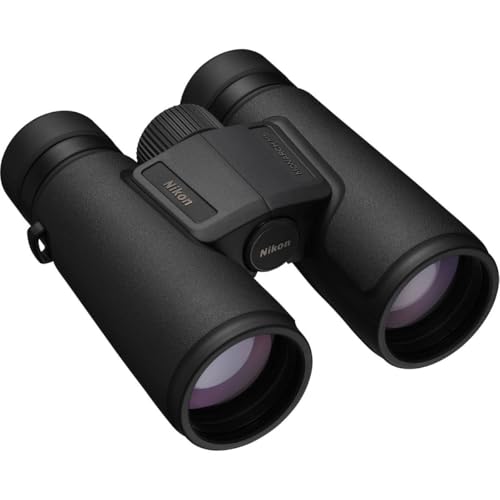


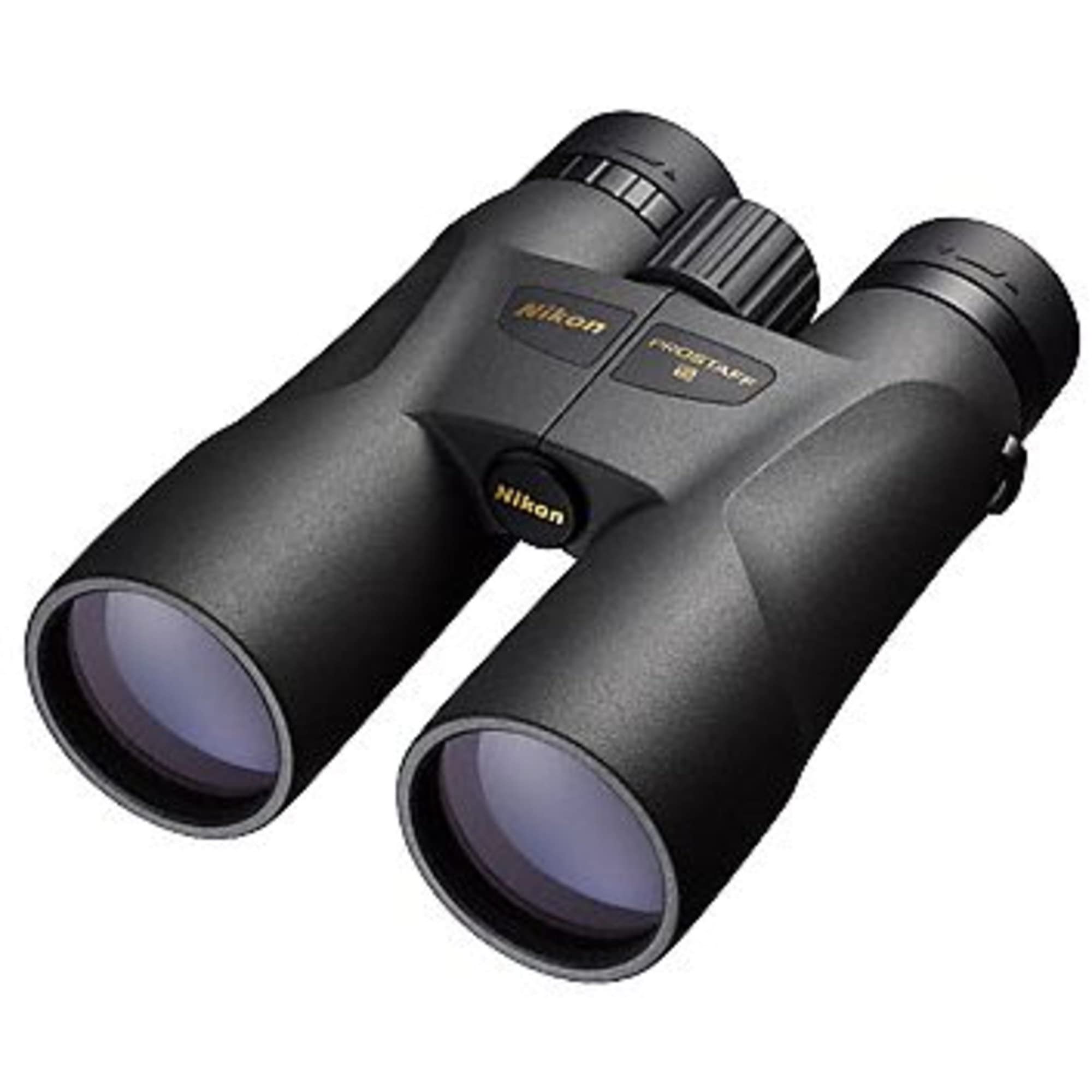


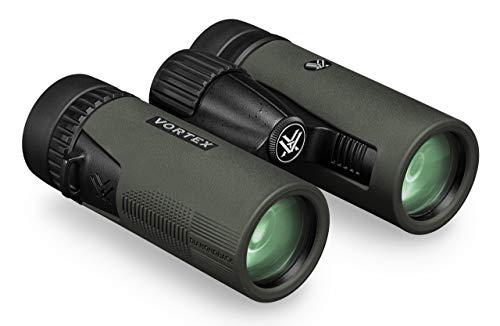


Types of Binoculars Compared
Field of view comes first in this comparison, because a wide field governs how well you follow the play. A pair that shows more of the field lets you track a pass or a breakaway without sweeping the glass back and forth across the stands. Each type below trades that width against power, brightness and pack size in a different way, and none of them wins on every count.
| Type | Best For | Strength | Trade Off | Typical Price |
|---|---|---|---|---|
| Compact 8x25 | Close seats and travel | Pocket size, wide field | Dimmer at night games | About $30 to $80 |
| Mid size 8x42 | Most stadium seats | Bright, steady, balanced | Heavier in the hand | About $80 to $200 |
| Full size 10x50 | Distant fields and tracks | Most detail and light | Shake and bulk | About $120 to $300 |
Compact Binoculars for the Stands
A compact pair at 8x21 or 8x25 folds small enough for a jacket pocket and weighs under a pound. It suits seats in the lower bowl, where the action stays close and a wide field matters more than reach. The small objectives gather less light, so the view dims sooner under evening lights. Shoppers who want the smallest option can start with our guide to best compact binoculars for watching sports and compare folded sizes and weights there.
Mid Size Binoculars for All Day Games
A mid size pair at 8x42 is the class most fans settle on, and for good reason. It balances a bright image, a wide field and a weight your hands can hold through nine innings. The same 8x42 formula anchors our guide to best sports binoculars, which walks through stadium seating section by section. If you buy one pair for every sport you attend, this is the shape to start from.
Full Size Binoculars for Distant Fields
A full size pair at 10x50 earns its keep where the action sits far away: the far turn of a racetrack, the opposite end of a soccer pitch, or a golf fairway two holes off. The bigger objectives keep the image bright at dusk, and the extra power pulls detail out of distant plays. The trade is shake, because 10x magnifies your hand movement as well as the game. Readers who glass wildlife between games can compare our notes on best binoculars for animal watching, where long sitting and low light push the balance toward this same full size class.
Compact Versus Full Size: Which Should You Choose?
Set the two ends of the range side by side and the choice turns on four checks. A compact wins on carry: it fits a pocket, weighs little, and comes out fast when a play develops. A full size pair wins on light and detail: it stays bright at night games and resolves a distant jersey number.
The compact shows a wider field at the same power, while the full size pair shakes more at 10x. Price runs in the same direction, since bigger glass costs more to make well. Pick the compact for close seats and mixed use, and the full size pair for distant fields and evening starts.
How to Choose the Right Pair of Binoculars
Choosing the best binoculars for watching sports comes down to four checks: power, exit pupil, focus and fit. None of this applies to watching from home, a different product class covered by guides to best tvs for watching sports, which solve game day from the couch instead of the stands.
Power: 8x Steadiness Versus 10x Detail
Power decides how the game feels in your hands. An 8x class is the steady class: the image holds still, the field stays wide, and you can follow a play for minutes without tiring. A 10x class is the detail class: numbers and faces grow clearer, but every tremor grows with them and the field narrows.
Most stadium seats reward steadiness, because the play moves faster than you can chase it. Reach for 10x only when your seats sit truly far from the field, or when you can rest your elbows on a rail.
Exit Pupil and Brightness at Night Games
Exit pupil is the objective size divided by the power, and it predicts how bright the view stays as light falls. An 8x42 pair gives about 5.3 millimetres, a circle wide enough to feed your eye at dusk and under stadium lights. An 8x25 compact gives about 3.1 millimetres, which is fine at noon and noticeably dimmer in the late innings of a night game.
If most of your games start after dinner, weight this number heavily. Day game fans can safely trade it away for a smaller body.
Focus Speed and Eye Relief
A center focus wheel with a smooth, short travel lets you snap from the line of scrimmage to the end zone without hunting. Stiff or gritty wheels cost you plays.
Eye relief matters if you wear glasses or sunglasses, because short relief crops the field into a tunnel. Look for about 15 millimetres or more, and fold the eye cups down before you judge the view in a shop. The same habit serves birders, which is why our guide to best binoculars bird watching puts eye relief on its first page of checks.
Weight, Weather Sealing and Price
A pair you hold for three hours should weigh about 25 ounces or less, and a neck strap with some width saves your neck over a long game. Sealed and fog proof bodies shrug off rain delays and spilled drinks, and they cost more than open designs. Expect about $40 to $100 for a sound compact, about $80 to $200 for a mid size pair worth keeping, and about $120 to $300 for full size glass. Spending past those bands buys refinement, not a new category of view.
How to Make Your Binoculars Last Longer
- Clean the lenses with a soft lens cloth in small circles, never with a shirt tail, which drags dust across the coating.
- Hang the pair from the strap instead of setting it on a seat, where a kicked row or a spilled drink can reach it.
- Store the pair in its padded case in a dry drawer, with the caps on, away from heat and steam.
- Dry a rain soaked pair at room temperature with the case open before you put it away.
Binoculars: Your Questions Answered
What magnification is best for stadium seats?
Lower bowl seats suit 8x, while high upper deck seats can use 10x if you can brace your elbows. A useful test is your row distance: the farther you sit, the more the extra power earns its shake. Fans who split time between a small ballpark and a big stadium often choose 8x42 as the single answer. It stays steady everywhere and gives up little detail at the distances most seats involve.
Are binoculars allowed inside stadiums?
Most stadiums allow binoculars, but bag rules vary by venue and event, so check the venue policy before you travel. Compact pairs pass entry checks fastest because they fit the small clear bags many venues require. Cases and straps sometimes count toward bag size, so carry the pair around your neck if your bag runs tight. Professional leagues and college venues post their rules online, and a two minute check at home beats a long walk back to the car.
What does 8x42 mean on a sports binocular?
The first number is the power, so the game appears eight times closer, and the second number is the objective lens width in millimetres. A larger second number gathers more light, which is why 8x42 stays bright at dusk while 8x25 fades sooner. The pair of numbers also sets the exit pupil when you divide the second by the first. Reading the numbers this way lets you compare any two pairs on a shelf without opening a single box.
Can I use sports binoculars at a concert?
Yes, and the steadiness that helps at games helps even more at concerts, where you hold the pair up for whole songs. Indoor halls sit closer than stadiums, so an 8x compact often beats a 10x full size pair there. Bright stage lighting also forgives small objectives, which makes a pocket pair a sensible concert choice. If the venue seats you in an arena upper tier, treat the distance like a stadium and bring the mid size pair instead.
How much should a first sports binocular cost?
A first pair worth keeping costs about $40 to $100 in compact form or about $80 to $150 in mid size form. Very cheap pairs under about $25 usually suffer dim glass and loose focus wheels, which frustrate new users fast. The money in the sound bands buys coated optics and a wheel that turns smoothly. Buy once at that level and the pair will serve for seasons, instead of joining a drawer of almost good enough attempts.
Final Thoughts
Match the type to your seat, let field of view lead, and keep power at 8x unless your rows sit far from the field. Run those checks against the product table above and the best binoculars for watching sports for your game day will pick itself out of the lineup.


