
Best Binoculars for Shed Hunting in 2026: Matching the Right Model to Your Routine
Disclosure: We may earn a commission when you buy through links on this page, at no extra cost to you. As an Amazon Associate I earn from qualifying purchases. Learn more

Choose the best binoculars for shed hunting with guidance on magnification, field of view, low light clarity, weight and price for long winter walks.
Shed hunting rewards patience more than speed. You walk slowly, scan the ground in strips, and look for a single pale tine or curved beam among grass, snow, and fallen leaves. The best binoculars for shed hunting help you check that ground from a distance, so you cover more of it without trampling spots you have not searched yet. Use the comparison table below to match each model type to your terrain.
No single setup suits every shed hunter. A walker crossing open prairie needs more reach, while a walker picking through thick timber needs a wider and brighter view at short range. Your usual distance, light, and walking time should decide the specs.

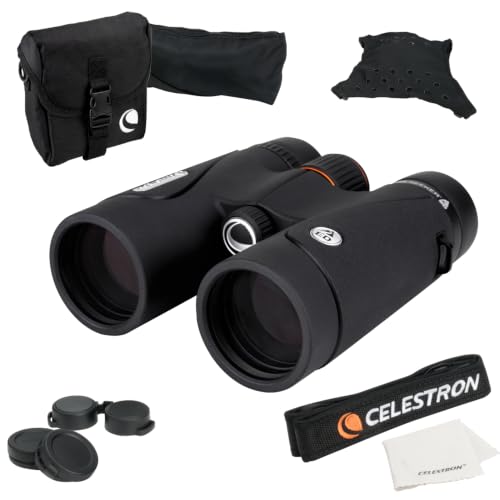


Who Should Buy Which Binoculars for Shed Hunting?
Start with the ground you actually search. Terrain sets your working distance, and distance sets the magnification, size, and brightness that will feel right.
Open Country Walkers Scanning Distant Slopes and Fields
You search wide fields, cut crop ground, and open hillsides where the next likely patch may be several hundred yards away. A 10x42 full size model suits you best, since the extra power shows antler tips on distant slopes before you commit to walking there. Prioritize a steady grip, because small hand shake grows at 10x. Glass from a high edge first, then walk only toward ground that looked promising.
Timber and Brush Walkers Checking Bedding Areas at Close Range
You search bedding cover, creek bottoms, and brushy edges where most glassing happens inside 100 yards. An 8x42 model suits you best, since lower power gives a wider view and a brighter image under shade. Close focus also matters, because a shed can lie a few steps off the trail. If you also glass live deer in these woods during autumn, see our guide to the best binoculars for deer hunting.
New Shed Hunters Walking Short Routes Near Home
You walk an hour or two on local trails, field edges, and winter feeding areas while you learn where deer spend the cold months. A simple 8x42 model, about $100 to $200, covers this routine without extra size or cost. Skip oversized 50 mm glass for now, since weight discourages new walkers quickly. To see what the lower price range offers, see our guide to the best inexpensive binoculars for hunting.
Key Features to Compare
Choosing the best binoculars for shed hunting in practice means judging five things in order: power and lens size, field of view, contrast, sealing, and carrying comfort.
Magnification and Objective Lens Size
The first number in a size such as 8x42 or 10x42 is magnification, and the second is the front lens width in millimeters. An 8x view feels steadier and wider on uneven ground. A 10x view pulls distant detail closer, which helps on open slopes, but it also magnifies hand shake. A 42 mm lens gathers enough light for dawn and dusk, while 32 mm models feel lighter yet look dimmer in shade, and 50 mm models look brighter yet weigh more.
Field of View for Scanning Ground in Strips
Field of view tells you how much ground you can see at once, often listed as about 300 to 400 feet at 1,000 yards. A wider view lets you sweep the ground in overlapping strips without losing your place, the core skill of shed hunting. With a narrow view, you move the binoculars more often and can skip a strip where a shed lies half hidden. Timber walkers should favor the wide end of that range.
Glass Quality, Coatings, and Contrast for Pale Antlers
A shed antler is pale tan or nearly white, and it often rests on dry grass, snow, or leaf litter of a similar tone. Contrast separates that antler from its background, so glass quality matters more than raw power here. Look for lenses with multiple coatings on all glass surfaces, which cut glare and keep colors honest in flat winter light. Extra low dispersion glass can sharpen edges against dark brush.
Weatherproof and Fogproof Sealing for Late Winter Days
Shed season means cold mornings, melting snow, and sudden rain, so sealing protects both your view and the binoculars. Waterproof construction keeps melt water and light rain out. Fogproof models are filled with nitrogen or argon and sealed, which stops the inner lenses fogging when you step from a warm truck into cold air. That internal fog cannot be wiped away, so this feature can save a whole morning.
Weight, Eye Relief, and Focus Control on Long Walks
Most full size binoculars weigh about 24 to 30 ounces, and you will feel every extra ounce after several miles. Eye relief of about 15 to 18 mm lets glasses wearers see the full view, and twist up eyecups help everyone set a repeat distance. The center focus wheel should turn smoothly with gloved fingers, since you refocus constantly as the ground rises and falls. For all day routes, see our guide to the best binoculars harness for hunting to spread that weight across your shoulders.
How to Scan Ground Methodically With Binoculars for Shed Hunting
Good scanning technique finds more sheds than extra magnification does. Begin each area from a slightly raised spot, glass the ground closest to you first, then work outward in slow strips that overlap a little. Overlap matters because an antler near the edge of one strip sits in the middle of the next, where your eye catches detail best.
Spend your time where deer lived through winter. South facing slopes warm first and draw deer to feed and rest, bedding edges hide sheds dropped at first light, and trails between feeding and cover collect antlers along fence crossings. Glass a promising patch before you walk into it, because your boots can bury a lightly covered shed. Hunters who want one optic for both tasks can also see our guide to the best rated binoculars for hunting.
When you spot a likely shape, note a landmark beside it before you lower the binoculars. A lone stump or a bend in the trail will guide you straight to the spot.
Common Mistakes to Avoid
Most poor purchases come from chasing one impressive number instead of matching the binoculars to your route.
- Choosing 12x power for timber searching makes the view shake and narrows it so much that nearby sheds pass outside the frame.
- Buying small 25 mm lenses for dawn walks gives a dim image that hides pale antlers in shaded cover.
- Ignoring field of view forces constant panning, so your strips stop overlapping and gaps appear in your search.
- Carrying binoculars on a thin neck strap for miles causes neck pain that shortens the walk.
- Wiping a dusty lens with a shirt sleeve grinds grit across the coating and leaves fine scratches.
Cleaning and Storing Binoculars After Shed Season Walks
Clean lenses only after loose grit is gone. Blow dust off first, then wipe with a clean lens cloth in small circles from the center outward. Keep the lens caps on while you push through brush, and carry the binoculars inside your harness during rain.
At home, let a wet pair dry at room temperature with the caps off before you store it in a dry, padded bag. Check the harness mounts, hinge tension, and eyecups for wear each spring. Never leave binoculars on a hot car dashboard, since heat can damage seals and coatings.
Frequently Asked Questions
What features matter most in binoculars for shed hunting on winter ground?
Field of view and contrast matter most, ahead of extra magnification. A wide view keeps your scanning strips connected, and strong contrast lifts a pale antler off snow or dry grass. One point worth checking in person is center sharpness compared with the edges, because a soft edge hides tines at the side of the view. If the outer third blurs heavily, keep looking.
How much should I spend on binoculars for shed hunting as a beginner?
Plan on about $100 to $250 for a capable first pair. Below about $100, brightness and focus smoothness usually drop enough to make long scanning tiring. Above that range, gains in glass clarity are real but smaller for a new walker. Use any return window to test the pair at dawn in your own fields, since shop lighting flatters every model.
Which magnification is better for shed hunting in low light at dawn?
An 8x42 is usually better at dawn than a 10x42 of the same lens size. Divide the front lens size by the power to find the exit pupil: 42 divided by 8 gives about 5.3 mm, while 42 divided by 10 gives about 4.2 mm. The larger number passes a wider beam of light to your eye. Pupils also widen less with age, so older walkers gain the most from the 8x choice.
What does 8x42 or 10x42 mean on binoculars for shed hunting?
The first number is how many times closer the view appears, and the second is the front lens width in millimeters. An object 80 yards away looks as if it stands 10 yards away through an 8x model. The marking usually sits near the focus wheel, alongside the field of view figure. Comparing both numbers together tells you the balance a model strikes.
What specs matter most for beginners choosing binoculars for shed hunting?
Beginners should check the fit between the eyepieces and their own eyes first. The hinge should fold until both round views merge into one circle, a range often listed as about 56 to 74 mm of interpupillary distance. A pair that cannot match your eye spacing shows dark crescents at the edges. Set the diopter adjustment once for your weaker eye, then leave it alone.
Final Thoughts
Match power to your terrain first, then judge field of view, contrast, and carrying comfort. Open country walkers lean toward 10x42, timber walkers toward a wide and bright 8x42, and new walkers toward the simplest model they will carry all morning. Use the product table above to confirm weight, lens size, and price.
Chosen that way, the best binoculars for shed hunting become a quiet tool for reading winter ground. Pick the pair that fits your route, learn your local deer ground strip by strip, and the sheds will follow.


