Best Binoculars Distance Viewing: A Complete Buying Guide for 2026
Disclosure: We may earn a commission when you buy through links on this page, at no extra cost to you. As an Amazon Associate I earn from qualifying purchases. Learn more

Learn how to choose the best binoculars distance viewing setup with clear guidance on magnification, lens size, stability, and value for long range watching.
Watching a hawk circle a ridge, a ship cross a harbor, or a striker break free at the far end of a field all ask the same thing from your glass. You need reach without a shaky, dim view. Choosing the best binoculars distance viewing setup means balancing magnification, light, and steadiness for your hands and your ground.
This guide explains that balance in plain terms, then walks through types, care, and price so you can buy once and enjoy it. Note the configurations that match your distance, and use the buying guide that follows to check the details that spec sheets hide.

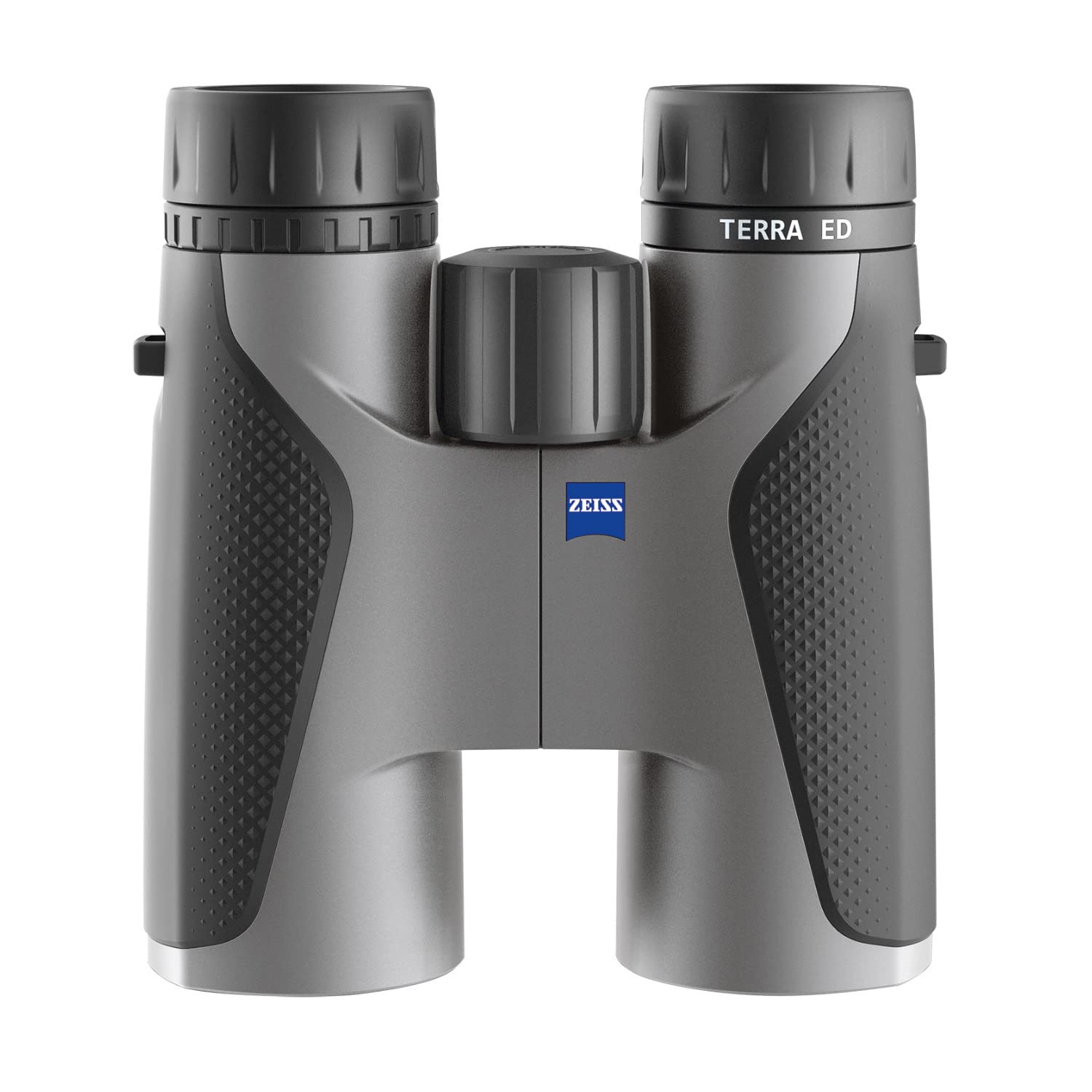


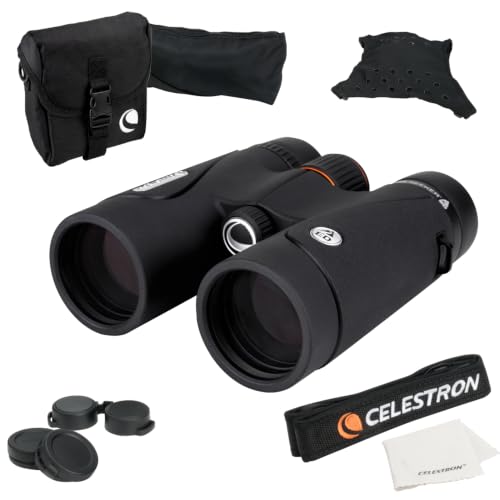


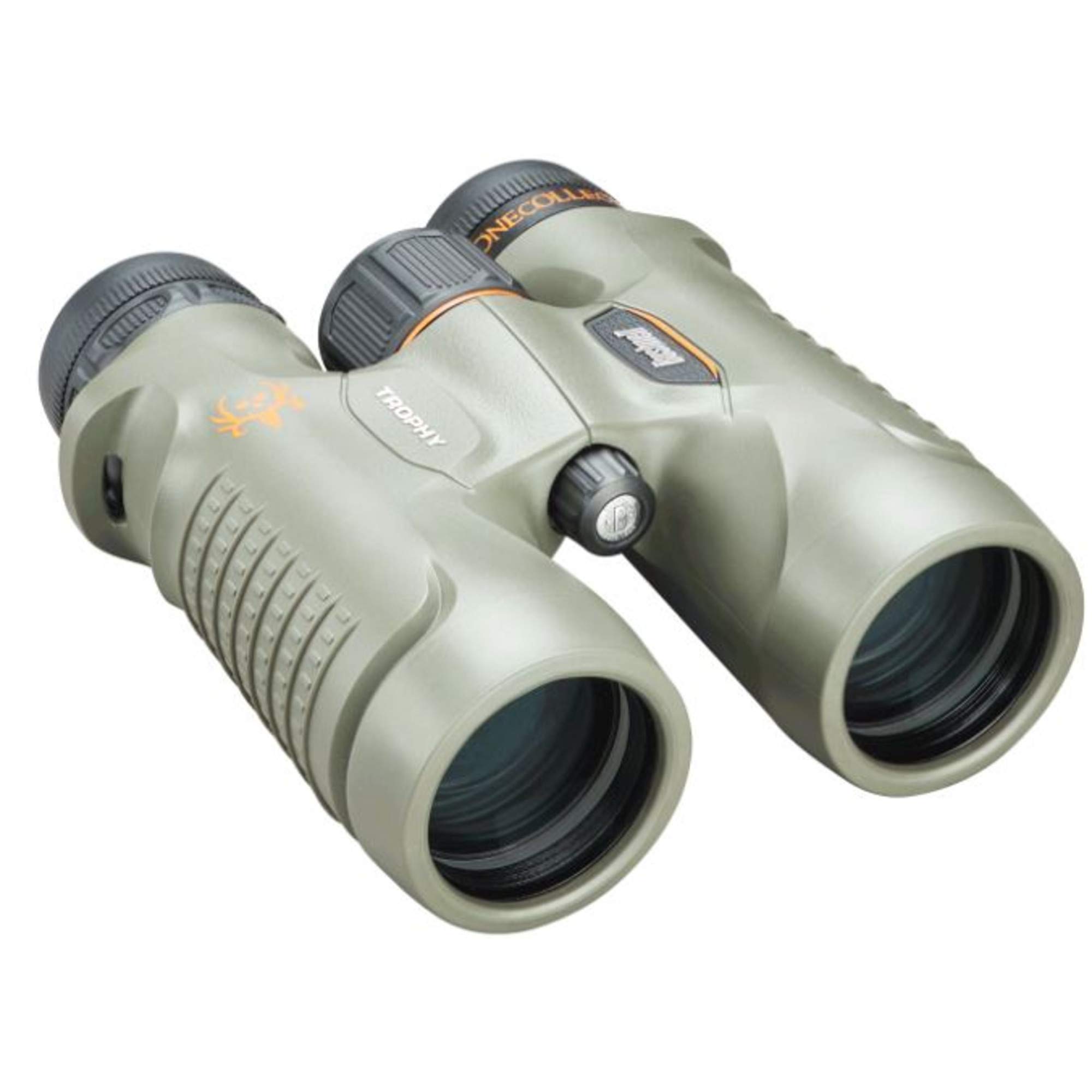

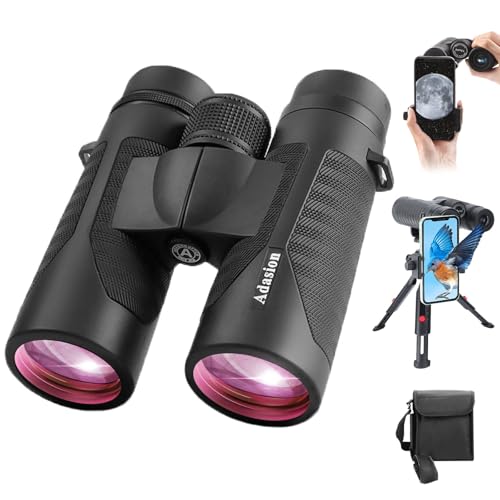
Choosing by Price and Purpose at a Glance
Distance viewing rewards honesty about how far you really watch and how still you can hold your glass. The three tiers below replace any named short list with what your money actually buys, who each tier suits, and the limit you accept. Match the tier to your most common outing, not your rarest one.
Mid Range Tier
For most long range watchers, a quality 10x42 or 10x50 from the mid range, around $250 to $600, is the sweet spot. You get bright multi coated optics, waterproof and fogproof sealing, and enough magnification for shore birds, open country wildlife, and large stadiums. The limit is hand shake on windy days, which good technique and a monopod can tame. This tier suits anyone who watches weekly and wants one pair that handles both travel and home use without feeling fragile or dim at dusk.
Value Tier
Value distance pairs, often around $120 to $250, keep the useful basics and trim edge sharpness and premium coatings. An 8x42 or 10x42 in this range still gives a clear center view and honest reach for school sports, scenic overlooks, and casual birding. Expect a narrower field of view and faster dimming at sunset. This tier suits new buyers and families who need a second pair for the car. Spend the savings on a harness and a cleaning kit and you will enjoy the view more.
Beginner Tier
Beginners do best with forgiving glass, and that usually means 8x magnification rather than chasing maximum power. A light 8x42 around $150 to $300 is easier to aim, easier to hold, and better for learning to find a subject fast. The trade off is less reach on truly distant targets, but a steady and bright view teaches good habits. Once you know your typical range, you can add a higher power pair or a spotting scope later with far less guesswork.
How to Choose the Best Binoculars Distance Viewing: Buying Guide
This is the core decision section. Work through each factor in order, because magnification alone will mislead you. A pair of best binoculars distance viewing binoculars must stay bright, stay steady, and stay comfortable for the full length of your outing, not just the first minute at the shop counter.
Optical Quality and Light Gathering
In binoculars, image quality comes from objective lens size, prism quality, and coatings rather than any sensor. A 42 mm or 50 mm objective gathers more light than a 32 mm lens, which keeps distant detail visible at dawn and under cloud. Fully multi coated glass raises contrast so a brown bird stands out against brown brush. Judge brightness by exit pupil as well. A 10x50 gives a 5 mm exit pupil and a calmer, brighter view than a 12x42 for most adults.
Size, Weight, and Ergonomics
Distance glass trends large, and weight adds up during long scans. A full size pair near two pounds feels solid on a tripod but heavy around your neck after an hour. A harness that spreads load across your shoulders is a practical upgrade that costs little and saves real strain. Check eyecup travel, focus wheel reach, and whether the barrels fit your hands with gloves on. If you hike far to your viewpoint, a slightly smaller 10x42 may get used more than a heavier 10x50 left at home.
Ease of Use for Your Skill Level
Long range viewing is a skill as much as a spec. New watchers find subjects faster with a wider field of view, so favor 8x or 10x with at least 6 degrees of true field when you can. Set the diopter once for your eyes, then use only the center wheel. Practice by picking a landmark near your target and walking your view across to it. That simple habit cuts search time in half and makes even modest glass feel far more capable in the field.
Lens and Zoom Range
Binoculars use fixed magnification, written as power times objective size, such as 8x42 or 10x42. Higher power shrinks your field, magnifies shake, and often dims the view unless the objective grows too. For handheld distance work, 10x is a sensible ceiling for most people, and 12x belongs on a tripod. If you need more reach for shore birds or range targets, compare options in our guide to the best binoculars for long distance viewing before you jump to extreme power.
Stability and Support Options
Stability decides how much of your magnification you can actually use. Image stabilization in select models calms shake well on boats and in stands, at the cost of weight, price, and battery care. For most buyers, bracing your elbows, leaning on a rail, or adding a light monopod gives most of the benefit for far less money. Readers comparing names for this niche often start with our guide to the best distance binoculars and then test steadiness in person, because hands differ more than spec sheets do.
Weather Sealing and Field Durability
Distance viewing happens outdoors, often in wind, spray, and sudden rain. Choose waterproof and fogproof construction, which usually means sealed barrels filled with dry nitrogen or argon. Rubber armor helps with grip and small bumps, but it does not replace careful handling. Check the warranty for water damage exclusions and store the pair dry after wet outings. A sealed pair that survives a squall will serve you longer than a brighter pair that fogs internally on its second season.
Types of Binoculars for Distance Viewing
Standard Full Size Binoculars
Full size models in 8x42, 10x42, and 10x50 are the workhorse choice for distance. They balance brightness, field, and portability and accept tripod adapters easily. Their weakness is bulk on long climbs. Most watchers who split time between wildlife, scenery, and events should start here, because accessories, cases, and straps are easy to find and the learning curve is gentle.
Compact Binoculars
Compact binoculars in 8x25 or 10x25 fold small enough for a coat pocket and weigh very little. They are handy for stadium seats and travel days when distance is moderate. The cost is brightness and comfort, since small exit pupils dim quickly and eye placement is picky. Treat compacts as a second pair for convenience. If distance is your main job, look at the broader options in our guide to the best binoculars for viewing and keep compacts for backup duty.
High Power and Tripod Ready Binoculars
High power models at 12x, 15x, and beyond serve seawatching, astronomy, and range use where a tripod is normal. On a stable mount they reveal detail no handheld pair can match. Off a mount they frustrate quickly, because every tremor grows with power. These pairs suit patient, stationary watching. If your distance work is mainly wildlife that moves, weigh the advice in our guide to the best binoculars for viewing wildlife and favor steadiness over raw reach.
How to Make Your Binoculars Last Longer
- Use a lens cloth, not your shirt, because grit on fabric scratches coatings over time.
- Keep lens covers on during travel and store the pair in a dry, padded bag away from heat.
- Rinse salt spray off with a damp cloth, then dry fully before casing the binoculars.
- Check hinge tension and eyecup function each season and send alignment issues in early.
- Carry the pair on a harness rather than a thin neck strap to reduce drops and neck strain.
- Never leave binoculars on a hot car dashboard, since heat can harm seals and lubricants.
One more habit helps at distance. Clean only when needed, blow loose dust off first, and use light strokes from the center outward. Aggressive rubbing on a dirty lens does more harm than a little dust ever will. Readers who also compare general long range names may find our guide to the best binoculars long distance useful for checking care expectations by tier.
FAQs
How much should I spend on my first one?
Spend about $150 to $300 for a first distance pair that you will keep. That range buys sealed construction, decent coatings, and magnification you can hold steady. Spending far less often means dim glass and weak alignment that frustrate learning. Spending far more helps mainly if you watch at dawn often. Put a small part of the budget toward a harness, because comfort decides how long you stay at the viewpoint.
What specs matter most for beginners?
Magnification, field of view, and eye relief matter most for beginners. Start at 8x or 10x, look for a wide field so you can find subjects, and choose at least 16 mm of eye relief if you wear glasses. Weight under about two pounds keeps sessions pleasant. A close focus spec matters less at distance, but waterproof sealing matters a lot, since one wet outing can end an unsealed pair.
Is a smartphone enough instead?
No, a smartphone is not enough for serious distance watching. Phone zoom is mostly a crop, so distant detail turns soft and grainy, and holding a phone up for minutes tires your arms. Binoculars give true optical reach, a stable two eye view, and instant use in bright sun. Keep your phone for photos after you find the subject with glass, and you will enjoy both tools more.
Which is better for low light?
A larger exit pupil is better for low light at distance. Choose 8x42 or 10x50 over 10x42 or 12x42 if dawn and dusk are your hours, because the bigger exit pupil delivers a brighter image to your eye. Quality coatings add contrast as light falls. Avoid very high power compacts for evening use, since their tiny exit pupils dim fastest and make distant detail vanish early.
What does 8x42 or 10x42 mean?
The first number tells you magnification and the second tells you objective lens diameter in millimeters. An 8x42 pair shows subjects eight times closer through 42 mm front lenses, while a 10x42 pair shows them ten times closer through the same size lenses. The 10x view is larger but narrower and shakier. For handheld distance work, many people settle at 10x42 as the practical limit.
Final Thoughts
Reach only helps when brightness and steadiness keep up with it. Settle your typical distance first, pick 8x or 10x you can hold well, and favor a sealed, bright pair over extreme power. With that balance, the best binoculars distance viewing choice for your outings becomes clear and durable. Compare your finalists in the product table above and choose the pair you will happily carry to the viewpoint every time.