
Best Binoculars for Long Range Viewing in 2026: Everything to Know Before Your First Purchase
Disclosure: We may earn a commission when you buy through links on this page, at no extra cost to you. As an Amazon Associate I earn from qualifying purchases. Learn more

Learn how to choose binoculars for long range viewing with plain guidance on magnification, lens size, field of view, eye relief, tripod support and care.
Buying your first pair for distance work feels confusing because two numbers on the box seem to decide everything. They do not. The best binoculars for long range viewing balance power, brightness, steadiness and comfort for the place where you will stand and watch. This guide starts with the basics, explains each spec in plain English, and helps you read the comparison table below with confidence.
Think about your most common view first. A bird across a lake, a ship near the horizon and a target down a long lane differ in light, movement and watching time. Matching the pair to that view matters more than chasing the biggest magnification.


Binoculars 101: The Basics for New Buyers
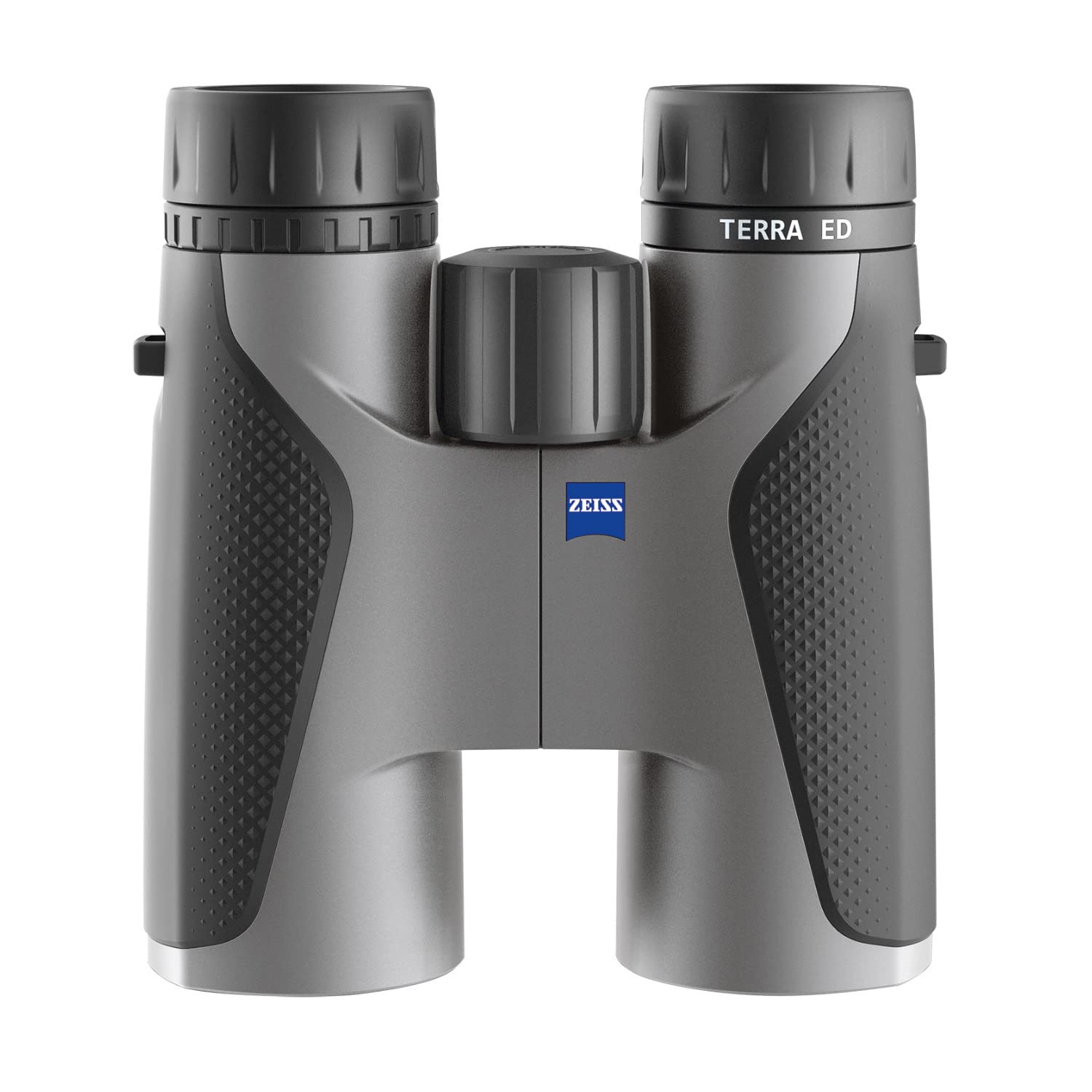
A pair of binoculars uses two matching tubes, each with lenses and prisms, so both eyes see the same magnified scene. The prisms fold the light path and turn the image the right way up, while the center focus wheel sharpens both sides together. A small diopter dial then fine tunes one side for your own eyes.
The two numbers in a name such as 10 by 42 tell you the magnification and the width of the front lenses in millimeters. Ten power makes a subject look ten times closer, and a larger front lens gathers more light.
Who Should Buy Binoculars for Watching at a Distance?
Distance viewers share one need, clear detail far away, but their light and patience differ. Pick the group closest to your usual outing.
Wildlife Watchers Across Fields and Wetlands
You watch birds and animals that wander off when you walk closer, often in the softer light of morning or evening. Choose 10 power with a 42 mm or 50 mm front lens, a field wide enough to follow movement, and sealing against damp air. Natural color helps you separate plumage and markings.
Hunters and Spotters in Open Country
You glass slopes and field edges for long spells and judge detail in shadow, often from a braced position. Prioritize steady handling, a smooth focus wheel you can turn with gloves, and generous eye relief. If that work fills most of your season, see our guide to the best long range binoculars for hunting.
Sightseers at Overlooks, Coasts and Airfields
You scan ridges, harbors, landmarks and aircraft from a fixed spot, often in bright daylight and often sharing the pair. Moderate weight, a wide field and quick center focus matter more than extreme power. For sharing one pair across a group, see our guide to the best binoculars for long distance viewing.
Key Features to Compare
The best binoculars for long range viewing are not simply the pair with the highest number on the box. Work through the five factors below in order, because each one limits what the others can deliver.
Magnification and How Steady You Can Hold It
Magnification decides how large a distant subject appears, and most first time buyers do best at 10 power or 12 power. Ten power gives useful reach while staying fairly easy to hold, while 12 power shows finer detail but magnifies every tremor in your hands. At 15 power and above, most people need a tripod or a braced rest. Choose the highest power you can hold steady for a full minute, not the highest power on the shelf.
Objective Lens Size and Brightness in Low Light
The objective lens is the large front lens, and its width in millimeters controls how much light enters the pair. A 42 mm lens suits daylight, a 50 mm lens keeps the image brighter at dawn and dusk, and a 56 mm lens helps in deep shade but adds weight. Brightness also depends on glass and coatings, so a good 42 mm pair can look clearer than a poor 50 mm pair. Pick larger glass only if your hours truly include dim light.
Field of View and Finding Your Subject Fast
Field of view is the width of the scene you can see at a set distance, often stated as feet at 1,000 yards. Higher magnification narrows that width, so a powerful pair can make a moving bird or boat hard to follow. A wider field feels calmer and helps you find the subject before you focus. If you watch moving subjects, favor a wider field over one extra step of power. Static subjects, such as buoys, forgive a narrower view.
Eye Relief, Exit Pupil and Viewing with Glasses
Eye relief is the distance your eye can sit from the eyepiece while still seeing the full picture, and glasses wearers usually need about 15 mm or more. Exit pupil is the width of the light beam reaching your eye, found by dividing lens width by magnification, so a 10 by 42 pair gives about 4.2 mm. A larger exit pupil feels brighter in dim light. Twist up eye cups set that distance quickly when people share a pair.
Prisms, Lens Coatings, Weight and Tripod Support
Roof prism pairs are slim and straight, while Porro prism pairs are wider and often give strong depth at a lower price. Fully multi coated lenses pass more light and cut glare, and extra low dispersion glass can sharpen edges and color. Weight matters because a heavy pair tires your arms and adds shake, which cancels its extra power. Many pairs accept a tripod adapter, the biggest upgrade for calm viewing above 12 power. For supported setups, see our guide to the best long range binoculars.
First Setup: Dialing In Focus and Diopter for Distant Targets
Start at a window with a fixed target, such as a sign or a chimney. Set the spacing between the tubes so the two circles merge into one round view with no black edges. Cover the right front lens, focus the left side with the center wheel, then cover the left lens and turn the diopter dial until the right side is sharp.
Note the diopter setting so you can restore it after someone else uses the pair. Outdoors, brace your elbows on your ribs or a rail, and focus in small turns while you breathe out slowly. On a tripod, set the height so your neck stays straight.
Common Mistakes to Avoid
- Buying the highest magnification available makes hand shake so large that distant detail blurs instead of improving.
- Ignoring eye relief leaves glasses wearers seeing only the center of the scene, with the edges cut off.
- Choosing huge front lenses for daylight only adds weight that tires your arms and shortens every watching session.
- Judging a pair indoors under bright shop lights hides dim performance that will disappoint you at dawn.
- Skipping the diopter setup leaves one eye slightly soft, which causes strain and headaches during long viewing.
Care and Maintenance for Binoculars
Blow loose dust off the lenses first, then wipe gently with a clean microfiber cloth in small circles from the center outward. Never wipe a dry, gritty lens with a shirt, because grit dragged across glass can mark the coating. Use a drop of lens fluid on the cloth, not on the glass, for stubborn marks.
Store the pair in its case in a dry place, with the caps on. After a wet outing, let the body dry at room temperature before you close the case, and check the focus wheel and hinges for grit. If the inside of a lens stays fogged, or the two sides no longer line up after a drop, send the pair for professional service rather than opening it yourself.
FAQ
What features matter most in binoculars for long range viewing?
Steadiness matters most, because no spec helps if the image will not sit still. After that, look at lens size for your light, eye relief for your glasses, and a field wide enough to find the subject. One point new buyers miss is the focus wheel. A wheel that turns smoothly in small steps lets you sharpen a distant edge precisely, while a stiff wheel makes fine focus a guessing game.
Is 10 power or 12 power better for binoculars used at long range?
Twelve power is better only when you can support the pair or hold it very steadily. From standing hands, many viewers read more detail at 10 power because the image moves less. A simple test helps. Time how long you can read a distant sign through each power, and pick the one that stays readable longest, not the one that looks biggest for five seconds.
How long does a pair of binoculars last with regular use?
A sound pair of binoculars can last for many years of regular use, often well past a decade. The parts that age first are usually the strap, the eye cups and the rubber armor, not the glass. Keeping the pair cased, dry and out of a hot car slows that wear. Budget lines may lose alignment sooner after knocks, so gentle handling protects your money as much as your view.
Can you use long range binoculars without a tripod?
Yes, you can use long range binoculars without a tripod, especially at 10 power and for short looks. For longer sessions, free support is everywhere. Rest the pair on a fence post, a backpack on a wall, or the roof of a parked car, and keep your elbows tucked in. These braces often close most of the gap between handheld viewing and a tripod setup.
Do long range binoculars work well for stargazing as a second use?
Long range binoculars can show the Moon, bright planets and wide star fields well as a second use. The large front lenses that help at dusk gather light at night, but the narrow field makes faint targets hard to find by hand. A reclining chair steadies you and the pair, and makes sky sessions far more comfortable than standing.
The Bottom Line
For most first time buyers, a 10 by 42 or 12 by 50 pair with good coatings, enough eye relief and a weight you can hold calmly covers nearly every need. Buy for steadiness and light before raw power, and add a tripod adapter above 12 power.
Compare your short list against the product table above, and choose the best binoculars for long range viewing that fit your viewpoint, hands and hours of light. A pair you can hold steady will show more than a stronger pair you cannot.


