
Best Binoculars for Long Range Shooting for 2026: Which One Fits the Way You Use It?
Disclosure: We may earn a commission when you buy through links on this page, at no extra cost to you. As an Amazon Associate I earn from qualifying purchases. Learn more

Learn how to choose binoculars for long range shooting, with guidance on magnification, glass quality, reticle options, eye relief and steady support.
There is no single binocular that suits every shooter at distance. Your job might be spotting bullet impacts on steel, reading mirage to judge wind, or calling corrections for a partner. The best binoculars for long range shooting match that job first, and you can use the comparison table below to check each model against it.
Start with how you actually shoot. A pair used from a bench needs different power, weight and support than a pair carried between stages at a match. The sections below sort buyers by task, then explain the optics that change what you can see at distance.


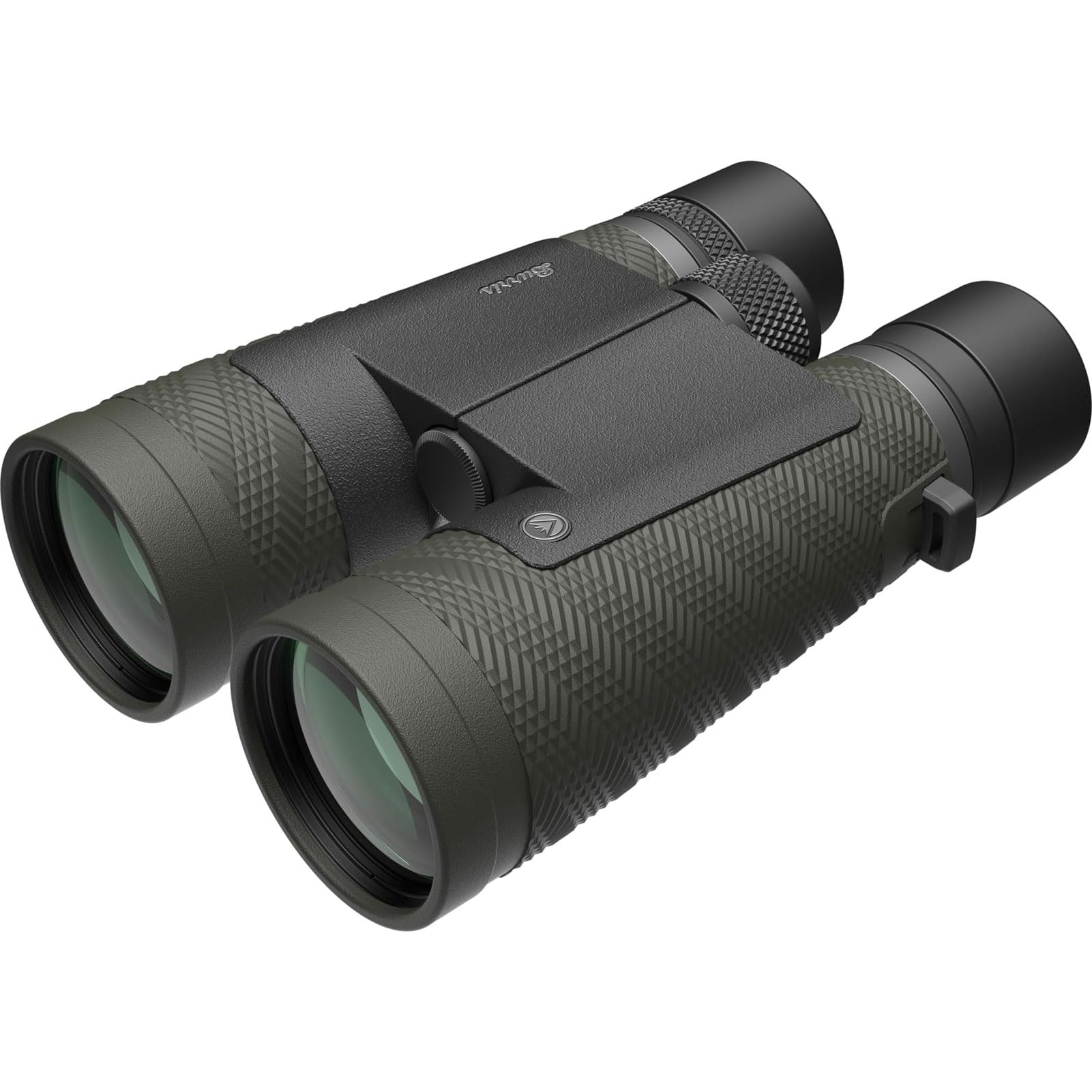
Who Should Buy Which Binoculars for Long Range Shooting?
Pick by the task you repeat most often, not by the highest power on the box. Shooters who need a wider context for general target work can also see our guide to the best binoculars for shooting, while the groups below stay focused on distance work.
Precision Match Shooters Who Spot Impacts and Read Mirage
You watch steel and berms at known distances, often for many shooters in a row. Prioritize clear glass, a reticle that matches your scope units and a mount that lets the binocular sit on a tripod all day. Power around 12 to 15 times suits this work on a support.
Shooting Partners and Coaches Who Call Corrections
You sit beside the shooter and turn what you see into a clear, fast correction. Prioritize a wide field of view so you can follow trace and splash without losing the target, plus focus controls you can reach without shifting position. A plain binocular can work if you call by target size, but shared units make calls shorter and clearer.
Solo Range Shooters Who Check Their Own Targets
You shoot, then look, then shoot again, often walking forward to confirm holes on paper. Prioritize moderate power you can hold steady, fast focus and a size you will bring to every session. A compact 10 power pair in your range bag beats a larger pair left at home. Lens covers and a sturdy strap matter more than extra power.
Key Features to Compare
When you compare the best binoculars for long range shooting, work through magnification, lens size, glass, field of view and reticle in that order. For a broader view of distance optics, see our guide to the best long range binoculars. A strong score in one factor cannot rescue a weak score in another.
Magnification and How Steady You Can Hold the Image
Magnification decides how large a distant target looks, and common choices run from 10 to 15 times. Higher power shows smaller impact marks and finer mirage, but it also magnifies shake in your hands and narrows what you see at once. Use 10 power if you mostly hold the binocular, and reserve 12 to 15 power for a tripod or solid rest. A steady 10 power image often reveals more than a shaking 15 power image.
Objective Lens Size, Exit Pupil and Image Brightness
The second number in a rating such as 10 by 42 is the front lens width in millimeters, and a larger lens gathers more light. Divide that number by the magnification to find the exit pupil, so a 10 by 42 pair gives about 4.2 mm. A larger exit pupil keeps the image brighter at dawn, at dusk and under range shade. Field shooters often accept 42 mm, while bench shooters choose 50 or 56 mm for the extra light.
Glass Quality, Coatings and Clarity at Distance
Glass quality decides whether fine detail survives the trip to your eyes. Extra low dispersion glass helps keep colors true and edges sharp, which makes pale impact marks stand out against dirt and painted steel. Coatings on the lenses cut glare when the sun sits low. Judge clarity at the edge as well as the center, because targets drift off center while you scan a berm.
Field of View and Eye Relief for Long Sessions
Field of view is the width you can see at a stated distance, often given at 1000 yards. A wider view helps you catch wind flags and the first puff of dust from a miss without moving the binocular. Eye relief is the distance your eye can sit from the rear lens and still see the full image, and about 15 to 18 mm suits most glasses wearers.
Reticle Options and Focus Controls That Match Your Scope
Some binoculars carry a reticle with graduations in the same units as your rifle scope, either MOA or milliradian. That match lets a spotter measure a miss and give a correction the shooter can dial at once, with no conversion in your head. Plain binoculars cost less and show a cleaner view for pure observation. Check the focus wheel and diopter ring too, because sloppy controls slow every adjustment between shots.
Types of Binoculars for Long Range Shooting and How to Set Up at the Range
Three formats cover most distance work. A plain 10 power pair suits quick checks and paper targets. A reticle pair suits partnered shooting where measured corrections matter most. A larger 15 power pair on a tripod suits match spotting and mirage reading, but it is clumsy for fast handheld looks. Pure observation is a different job, so readers focused only on scenery can see our guide to the best binoculars for long range viewing instead.
Set up before the first shot. Adjust the hinge until you see one round image with no dark edges, then set the diopter by focusing each eye in turn with the other lens covered. Mount the binocular on a tripod adapter or rest it on a bag so the image settles. Shooters building a fixed station can also see our guide to the best range binoculars for range specific setups.
Finish with a focus routine you can repeat under time pressure. Focus on the target first, then shift focus slightly toward you to read mirage between you and the steel. Note the wheel position for your main distance so you can return to it after checking a closer target.
Common Mistakes to Avoid
Most poor choices come from chasing one number while ignoring how the binocular will be held, focused and carried.
- Buying the highest magnification without a tripod leaves you with a shaking image that hides the impacts you paid to see.
- Choosing a reticle in different units from your scope forces slow conversions and invites wrong corrections under match pressure.
- Ignoring eye relief if you wear glasses cuts the edges of the image and makes long spotting sessions tiring.
- Skipping the diopter setup leaves one eye slightly soft, so fine mirage and small holes blur together.
- Leaving lens covers at home exposes the glass to dust, brass and grit that scratch coatings over time.
Care and Maintenance for Binoculars Used at the Range
Blow loose dust from the lenses before you wipe, because grit dragged across glass can mark the coatings. Use a clean lens cloth with light strokes from the center outward. Clean the body with a damp cloth after dusty matches, and dry the binocular fully before you close the case.
Store the pair in a cool, dry place with the covers on. Check the hinge, focus wheel and diopter ring each season for play or grit, and have a professional service a binocular that fogs inside or loses alignment after a drop. Internal fog and double images are not home repairs.
Binoculars for Long Range Shooting: Your Questions Answered
What features matter most in binoculars for long range shooting?
Steady magnification, clear glass and controls that match your task matter most in binoculars for long range shooting. Spend first on glass and a solid mount, since those decide what detail reaches your eyes. A reticle adds value only when a spotter and shooter share units. Set a firm budget ceiling before you shop, because prices climb fast once reticle and premium glass combine.
How long does a pair of binoculars for long range shooting last?
A well kept pair of binoculars for long range shooting can serve for many years of regular range use. Sealed, nitrogen filled bodies resist internal moisture, and the parts that wear first are usually eye cups, strap lugs and coatings scratched by poor cleaning. Keep warranty terms in your range log, since coverage for alignment and seals varies by brand.
What magnification do most long range shooters choose for spotting impacts?
Most long range shooters choose 10 to 12 power for handheld spotting and 15 power on a tripod. The right test is practical: at your longest distance, you should be able to tell a fresh impact from an old mark on the same plate. If you cannot, add support before you add power, because support raises usable detail without narrowing your view.
Can binoculars for long range shooting replace a spotting scope at the range?
Binoculars for long range shooting can replace a spotting scope for steel targets and group checks at moderate distances. Two eyes tire less than one during long sessions, and a wide view makes finding splash faster. A spotting scope still wins for reading tiny paper holes at the longest distances, where its higher power helps.
Why does the image in binoculars for long range shooting shimmer on hot days?
The image in binoculars for long range shooting shimmers because heat rising from sunlit ground bends light on its way to you. That shimmer is mirage, and skilled spotters read its direction and speed to judge wind near the target. Shooting early, while the ground is cooler, gives a calmer view for confirming zero. On hot afternoons, read mirage closer to the target instead.
The Bottom Line
Match the binocular to your task first: moderate power for solo checks, a shared reticle for partnered calls and a tripod mounted larger pair for match spotting. Then judge glass, field of view and eye relief. Use the product table above to confirm size, weight and support options before you order.
Chosen that way, the best binoculars for long range shooting stop being a spec contest and become a tool you trust for every call. Buy the clearest, steadiest pair your setup can hold, and spend the savings on practice ammunition.


