
Best Binoculars for Hunting Out West in 2026: What Your Money Really Gets You
Disclosure: We may earn a commission when you buy through links on this page, at no extra cost to you. As an Amazon Associate I earn from qualifying purchases. Learn more

Choose the best binoculars for hunting out west by magnification, lens size, field of view, weight and price tier for open country glassing.
Western hunting asks more of your glass than a woodlot will. You scan basins a mile wide, judge animals at long range, and spend hours behind the eyepieces. The best binoculars for hunting out west balance reach, brightness and carry weight for that country, and the price tiers below show what each step buys.
Start with your hunt, not a spec sheet. A mule deer hunter who glasses from a tripod needs different glass than a backpack elk hunter who counts every ounce.

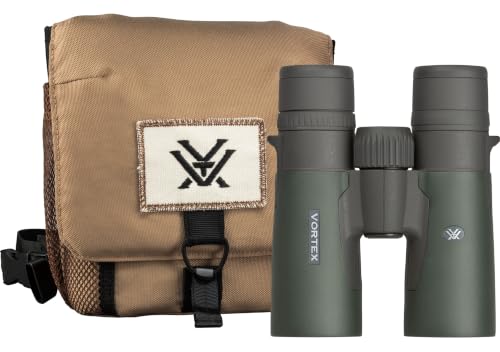

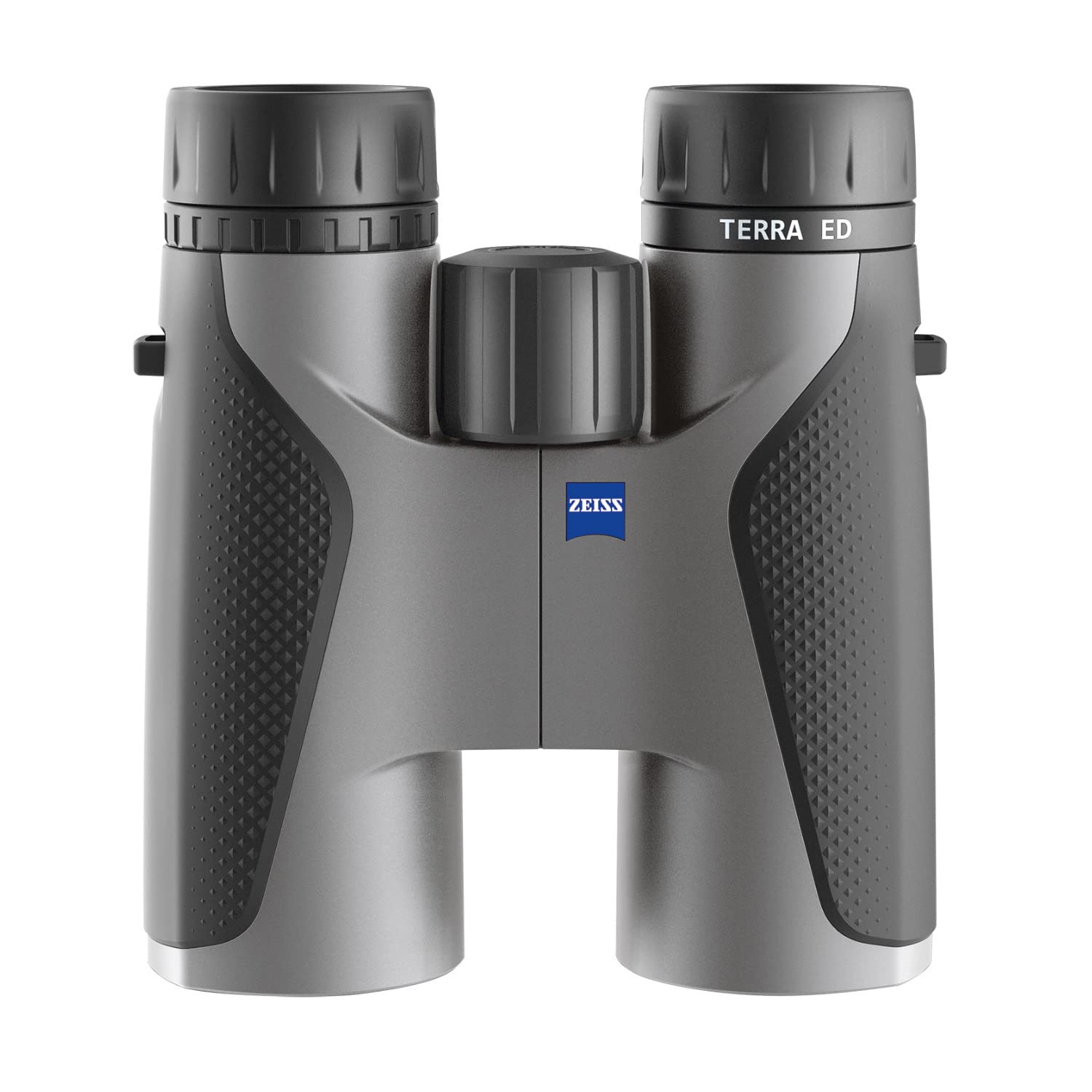


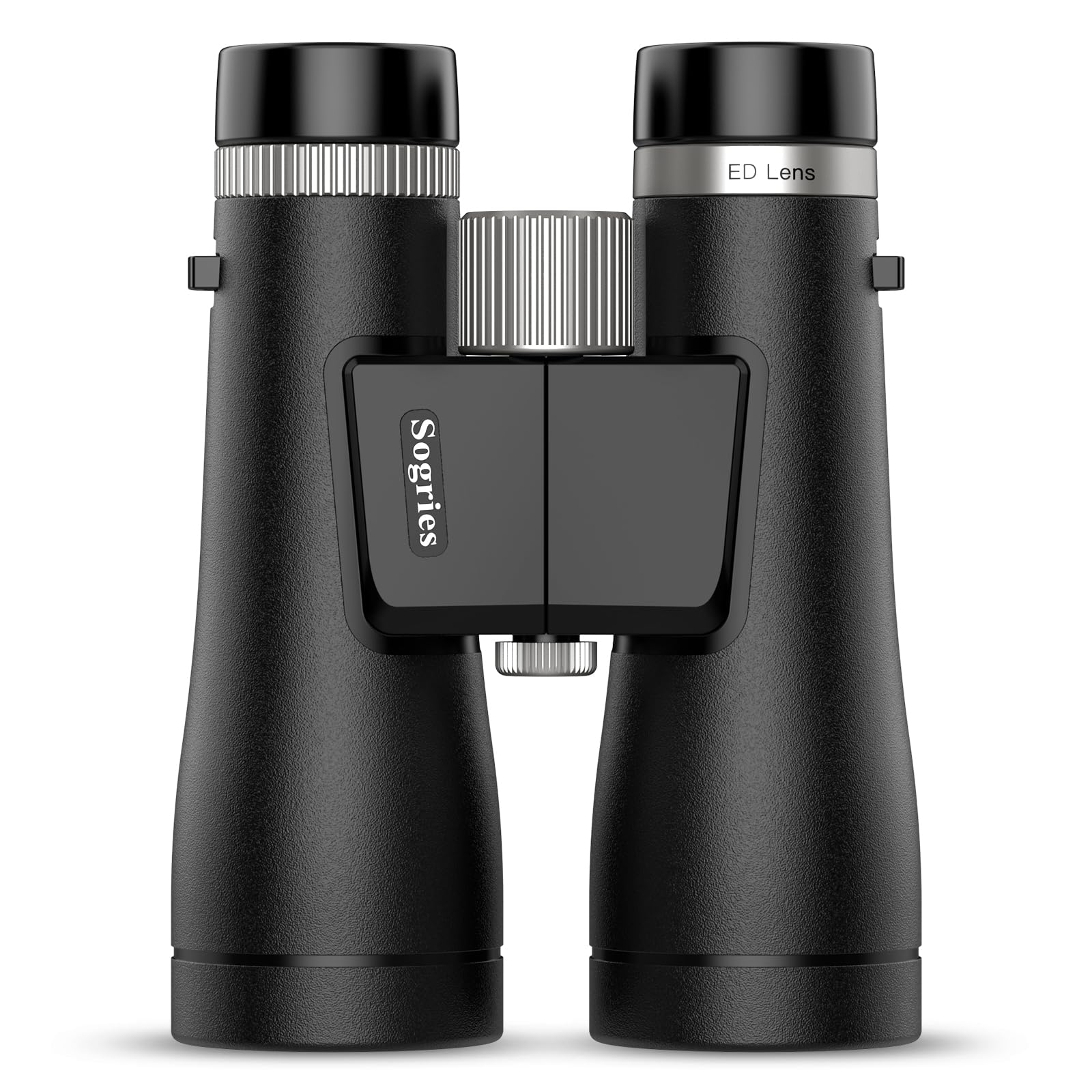
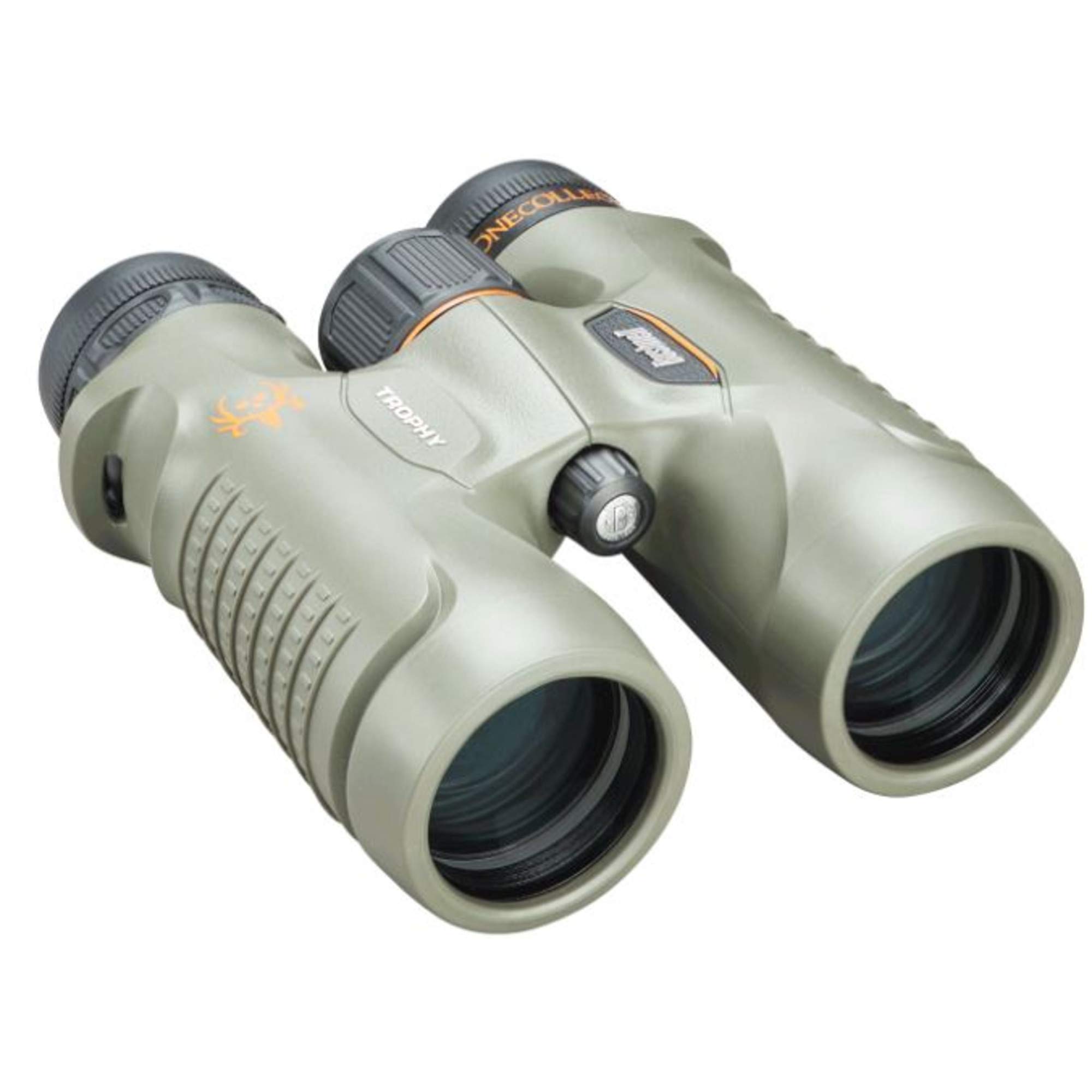
Who Should Buy Which Binoculars for Western Hunting?
Pick by the country you hunt, because glass that feels right on open plains can feel wrong in steep timber.
Spot and Stalk Mule Deer Hunters
You find deer by glassing shaded cuts and sagebrush edges at first light, then move to close the distance. A 10x42 gives you the reach to judge bucks across a basin while staying light enough to carry all day. If your deer country mixes timber with openings, see our guide to the best binoculars for deer hunting.
Backcountry Elk Hunters Who Cover Big Country on Foot
You hike in before dawn, glass high meadows, and carry the binocular on your chest all day. Weight matters as much as reach here, so a 10x42 at about 24 to 28 ounces suits most packs, and sealed optics shrug off rain and wet snow.
Pronghorn Hunters on Open Plains
You glass animals that can spot you at long range, often in heat shimmer and bright glare. A 12x50 earns its keep here, because the extra reach helps you judge horns before a stalk, and a tripod keeps that power steady while you study a herd. Strong coatings cut the glare that washes out detail at midday.
Key Features to Compare
Compare these factors, because the best binoculars for hunting out west are the ones whose strengths match open country, not the longest spec list.
Magnification for Open Country
Magnification decides how much detail you can read at distance. An 8x image is steady in hand but often leaves you short when judging antlers across a canyon. A 10x is the middle ground, strong enough for most basins yet usable off hand. A 12x shows more, but hand shake grows with power, so pick it only if most glassing happens seated and supported.
Objective Lens Size and Low Light Glassing
The second number in 10x42 is the lens size in millimeters, and it drives brightness at dawn and dusk, when western game moves most. A 42 mm lens keeps weight sane and still gathers light for the first and last hours. A 50 mm lens pulls in more light and gives a larger exit pupil in dim light, but it adds bulk most hunters do not need.
Field of View for Scanning Big Country
Field of view is the width you can see at 1,000 yards, often about 300 to 380 feet on a 10x42. A wider view lets you sweep a hillside in fewer passes and catch movement at the edge of the frame, which matters when animals feed along brush lines. Narrow glass tires your eyes over a long sit, so when two models share the same power, choose the wider view.
Glass Quality, Coatings and Fine Detail
At long range you judge inches of antler through haze, so glass quality matters more out west than raw power. Extra low dispersion glass, often marked ED, keeps edges sharp and colors true. Fully multi coated lenses pass more light and cut glare, while phase coated roof prisms keep contrast high. For a broader look at top rated glass, see our guide to the best rated binoculars for hunting.
Eye Relief and Comfort for Long Glassing Sessions
Eye relief is the distance your eye can sit from the eyepiece and still see the whole picture, usually about 15 to 20 mm. If you wear glasses, look for about 17 mm or more so the frames do not shrink your view. Twist up eyecups hold that distance, and a focus wheel you can turn with gloves helps on cold mornings, since sore eyes end a session early.
Weight, Weather Sealing and Tripod Use
A western binocular lives in dust, wind and sudden rain, so build matters. Look for waterproof sealing and nitrogen purging, which keeps inner lenses from fogging when temperatures swing. Rubber armor guards against rock knocks. Most 10x42 models weigh about 24 to 28 ounces, while 12x50 glass can pass 32 ounces, and a threaded socket for a tripod adapter turns long sits into steady work.
Price Tiers for Western Hunting Glass
Price buys glass quality, sealing and low light reach in that order. Set a budget from these tiers.
About $100 to $250: Honest Glass for Shorter Basins
At this level you get sound 8x42 or 10x42 optics with basic coatings and solid sealing, well suited to coulee country and shorter basins. Images soften near the edges and dim faster at dusk, so judging animals at long range is harder. This band suits hunters whose glassing stays inside a few hundred yards. For current options, see our guide to the best inexpensive binoculars for hunting.
About $250 to $600: Reach and Clarity for Most Western Hunts
This band brings ED glass on many models, wider fields of view and coatings that hold contrast in glare. Low light images stay usable deeper into the evening, and focus wheels and eyecups feel smoother. Most western hunters who buy once and hunt for years land here, because the jump in clarity at distance is easy to see.
About $600 to $1,500 and Above: Edge Clarity for Serious Glassing
Premium glass sharpens the edges of the image, holds color in harsh backlight and squeezes the last minutes out of dusk. Sealing and focus mechanisms also step up at this level. The gains are real but smaller than the step into the middle band, so this tier suits hunters who glass for hours each day and judge trophy quality.
Budget past the binocular itself, too. A chest harness at about $30 to $80 keeps the glass snug on the move, so see our guide to the best binoculars harness for hunting, and add about $15 to $40 for a tripod adapter and cleaning kit.
Common Mistakes to Avoid
These errors feel large on the mountain.
- Choosing 12x or higher power for hand held use leaves the image shaking until fine detail disappears.
- Buying a heavy 50 mm binocular for a backpack hunt adds ounces your shoulders feel on every climb.
- Judging brightness by lens size alone ignores coatings, so a well coated 42 mm can look brighter than a plain 50 mm.
- Skipping the tripod socket check leaves you hand holding high power glass through long sits.
- Checking binoculars only at midday in a bright store hides the weak low light image you face at dawn.
Care and Maintenance for Binoculars in Dust and Wind
Blow loose grit off the lenses before you wipe, because dragging dust across glass with a cloth can scratch the coatings. Use a soft brush or an air blower first, then a microfiber cloth with lens fluid for smudges. Keep the covers on while you ride, since fine dust works into every seam.
Dry a soaked binocular at room temperature with the covers off, and never leave it sealed inside a hot truck, where heat stresses seals. Check the hinge and focus wheel each season for grit or stiffness, and store it in a cool, dry place. If fog appears inside the lenses and does not clear, send it for service rather than opening the body yourself.
FAQ
Is 10x42 or 12x50 better for glassing mule deer in open basins?
For most mule deer hunters, 10x42 is the better choice because it stays steady in hand and light on your chest. Choose 12x50 only if you glass seated from a tripod most days. A simple field test helps: read a distant road sign with each power and note which image holds still long enough to judge detail.
What does exit pupil mean on binoculars for western hunting?
The exit pupil is the width of the light beam that reaches your eye, found by dividing lens size by power, so a 10x42 gives about 4.2 mm. Your own pupil widens to about 5 mm in dim light, so a larger exit pupil feels brighter at dusk. In bright midday sun your pupil shrinks and the extra width adds little.
Can binoculars for western hunting be mounted on a tripod for long sits?
Yes, most binoculars for western hunting mount on a tripod with a small adapter that screws into the front hinge socket. A tripod at sitting height suits basin glassing, since you stay low and out of the wind. A quick release plate speeds the swap between glassing and moving.
How much should a first pair of binoculars for a western hunt cost?
A first pair for a western hunt makes sense at about $250 to $600, where glass quality jumps the most. Spend less and low light clarity suffers, while spending more buys smaller gains. Leave room for a harness and a tripod adapter rather than stretching for the binocular alone, and buy early enough to learn the diopter setting at home.
How far can binoculars for western hunting spot game in open country?
Binoculars for western hunting can spot a deer or elk shape at well over a mile, but judging antlers is a much shorter game, often inside about 800 to 1,200 yards with 10x glass. Heat shimmer at midday blurs detail long before power runs out, so the longest useful looks come in the first and last hours.
Final Thoughts
Match the glass to your country. Hunters who walk far do best with a clear 10x42, plains hunters who study herds from a tripod can use 12x50, and nearly everyone gets the most value from the middle price band.
Use the product table above to compare the best binoculars for hunting out west against your terrain, your pack weight and your budget, then choose the clearest glass you can carry all day.


