
Best Binoculars for Glasses 2026: Everything to Know Before Your First Purchase
Disclosure: We may earn a commission when you buy through links on this page, at no extra cost to you. As an Amazon Associate I earn from qualifying purchases. Learn more

Eye relief decides the best binoculars for glasses. Learn the fit numbers, eyecup styles and price bands before you order.
Buying binoculars while wearing glasses feels confusing at first, because the number that decides your comfort is one most listings bury. Start with best binoculars for glasses as a fit question rather than a power question: your frames hold your eyes farther from the lenses, and the glass has to bridge that gap. This guide walks a first purchase in plain order, from the fit number to the price bands.
The product table gathers the details side by side, so use it after you know which numbers matter for your frames. By the end you will know how to read a spec sheet, which mistakes cost new buyers money, and what to do in the first ten minutes after the box arrives.

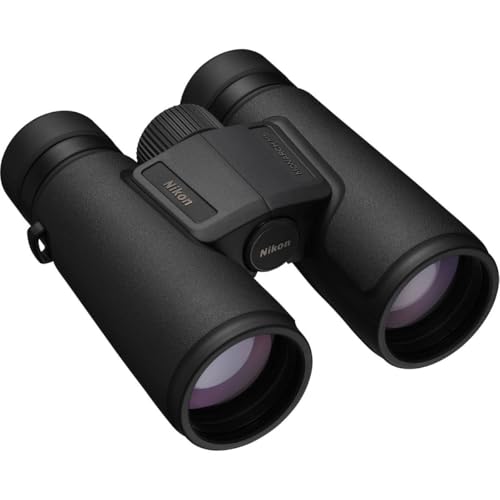

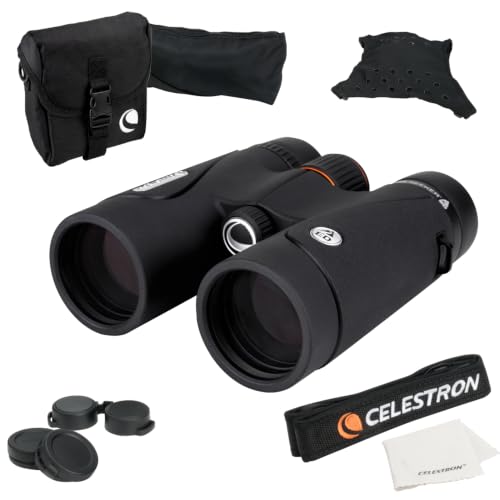

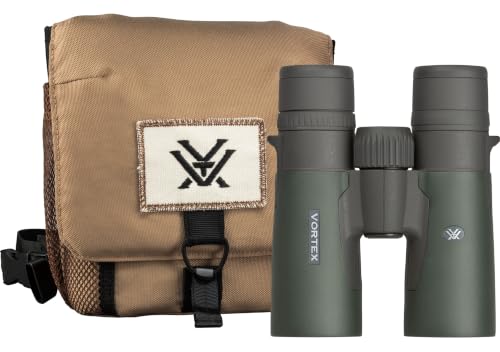

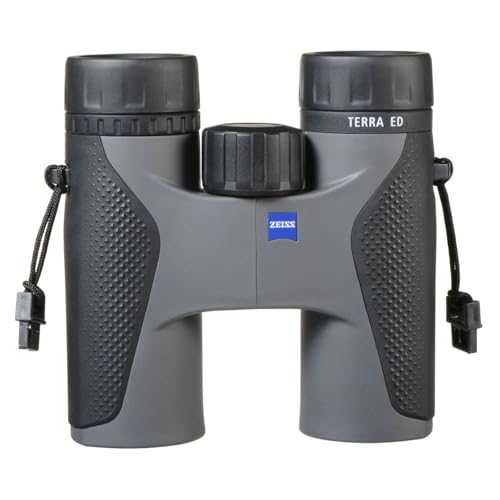
Best Binoculars for Glasses: The Basics
Eye relief is the fit class for glasses wearers, stated plainly. It is the distance your eye can sit from the rear lens while still seeing the whole picture, and the relief figure is read before the magnification figure, because power you cannot see in full is wasted. With frames on, look for relief of about 16 to 20 mm, and fold or twist the eyecup class fully down so your glasses sit close to the lens.
A binocular is two small telescopes joined at a hinge, and your hands set three things: the hinge width for your eyes, the center focus wheel, and a diopter ring that balances one eye against the other. Readers comparing notes from other best binoculars for people with glasses will find the same relief rule at the top of every honest checklist.
Two numbers describe most models, written like 8x42. The first is magnification, how much closer the scene appears. The second is the front lens width in millimeters, which shapes size, weight, and brightness at dawn or dusk. Neither number mentions glasses at all, which is exactly why the relief figure, not the headline pair, decides whether a model suits a wearer of frames.
Key Specs Explained in Plain English
Eye Relief and Eyecups Decide the Fit
A short relief class shows a tunnel view to a glasses wearer: the edges of the picture go dark, and the field you paid for is the loss. Long relief keeps the full circle visible with frames pressed lightly against the folded cups. Eyecups come in fold down rubber and twist up styles; both work, but twist up cups should be used fully down with glasses, never halfway, because a halfway stop steals relief you need. Many guides to best eye relief binoculars for glasses rank this figure first for good reason.
Maker Relief Figures Are Class Figures
Maker relief figures are class figures, measured under maker conditions and rounded in maker favor. Treat a printed 17 mm as a class promise, not an exact result for your frames, because frame depth and lens position vary from face to face. Thick frames and lenses set far forward need relief at the top of the range. If two models tie on paper, the safer first purchase is the one with the longer relief figure and a return window you can actually use.
Magnification and Objective Size
For a first pair, 8x42 is the calm starting class: wide, steady, and forgiving when your hands move. A 10x42 brings distant detail closer but narrows the view and magnifies shake, which glasses wearers feel sooner because the folded cups give less bracing against the face. Compact 8x25 glass travels well yet often carries short relief, so small size and glasses rarely mix. Choose the class by your main outing, then check relief before falling for a bigger first number.
Field of View and Close Focus
Field of view is the width of scene visible at 1,000 yards, and a wide field helps you find a moving bird or boat before it leaves the glass. With glasses, the usable field is whatever survives your relief, so a wide printed field paired with short relief is a paper win only. Close focus, often about 6 to 8 feet on mid priced glass, matters for butterflies, garden birds, and museum detail, and it costs nothing to check on the listing.
Coatings, Sealing, and Weight
Lens coatings fight glare and keep colors honest; fully multicoated glass is the sensible floor for a first purchase. Sealed and nitrogen filled bodies resist internal fog when you step from a cool car into warm air, a real glasses wearer headache because your frames fog at the same moment. Weight matters more than new buyers expect: a pair around 20 to 28 ounces rides fine on a strap, while heavier glass ends up left at home.
Choosing Binoculars for Your Situation
Your main outing should pick the class, and your frames should veto the shortlist. The three groups below cover most first purchases, and each one still starts with relief.
Best Binoculars with Glasses
The word with changes the check: the glass must perform while your frames stay on, not after you take them off. Three criteria separate this group: relief of about 17 mm or more, eyecups that sit fully down without creeping back up, and a diopter range wide enough to balance your eyes while wearing your prescription, since your lens correction changes what the ring must do. Shoppers who start from lists of best binoculars for glasses wearers should apply those three checks before comparing prices.
Birdwatchers Who Wear Frames
Birding asks for a wide field, close focus, and color that stays true in shade. An 8x42 with long relief suits most beginners because birds move and light changes fast. The same shortlist logic appears in guides to best binoculars for birdwatching, but glasses wearers should strike any model under about 16 mm of relief no matter how bright the glass sounds, since a tunnel view loses more birds than dim glass ever will.
Travel and Stadium Watchers
Travel rewards smaller glass, yet compact models cut relief first, so measure twice here. A mid size 8x32 with honest relief often beats a pocket 8x25 for a wearer of frames. At stadiums, a wide field matters more than power because play moves sideways. Whatever the outing, buyer scores compress many eyes into one number, so treat pages about best rated binoculars as a starting list and let your own relief figure make the final cut.
Rookie Mistakes to Avoid
- Buying by magnification alone, then discovering the relief is too short for your frames and the view tunnels.
- Leaving twist up eyecups raised out of habit, which pushes your glasses even farther from the lenses.
- Setting the diopter with glasses off, then wondering why focus never feels even while wearing them.
- Choosing the smallest compact for travel without checking its relief figure, the number compacts sacrifice first.
- Skipping the return window check, even though fit with frames is personal and paper figures are class figures.
Getting Started: Setup and First Use
Fold or twist the eyecups fully down before anything else. Open the hinge until the two circles merge into one, then look at a plain distant sign. Cover the right lens and focus the left eye with the center wheel; then cover the left and turn the diopter ring for the right eye, all with your glasses on. Finish with the strap adjusted so the glass hangs at chest height, caps tethered, and a soft lens cloth in your pocket instead of your shirt tail.
Store the pair in a dry padded case, away from car heat. If the view ever looks doubled, the hinge has drifted or the pair took a knock, and alignment is a workshop job rather than a home fix.
Binoculars: Your Questions Answered
How much eye relief do glasses wearers really need in binoculars?
Most glasses wearers need about 16 mm of eye relief at minimum, and 17 to 20 mm is the comfortable band. Slim metal frames sit closer to the eye and can work near the low end, while deep plastic frames and progressive lenses push you toward the top. Your own frame depth is the variable no chart knows, so order from a seller whose returns are painless and check relief indoors against a bright window first.
Can glasses wearers use binoculars without taking their glasses off?
Yes, glasses wearers can use binoculars with their glasses on, and for most people that is the better method. Removing frames means the diopter must replace your prescription, which fails for astigmatism because a diopter only shifts focus, not cylinder correction. Keeping glasses on is also simpler on long watches. Contact lens wearers sit between the two cases and can treat relief as a comfort bonus rather than a hard requirement. If you have questions about your eyes, ask your eye doctor.
What does the second number in 8x42 mean for glasses wearers?
The second number is the front lens diameter in millimeters, and it shapes brightness and size rather than fit. A 42 mm lens gathers more light for dawn and shade, while a 32 mm lens keeps the pair lighter for travel. Glasses wearers should note that bigger front lenses say nothing about relief, so a bright 10x50 with short relief still tunnels. Read the pair as power and light, then read relief as the separate fit figure.
Should a first time buyer choose 8x or 10x magnification?
Most first time buyers should choose 8x, because it is steadier, wider, and easier to aim while learning. A 10x pair rewards still hands and open country, but every wobble grows and the field shrinks, which punishes new users twice. Glasses add one more reason: less face contact means less bracing, so shake shows sooner. If your main use is distant shorebirds or range targets from a rest, 10x earns its place; for mixed use, 8x is the honest default.
How should glasses wearers clean binocular lenses safely?
Glasses wearers should clean binocular lenses with a blower first, then a microfiber cloth in small circles from the center outward. Grit dragged across a coating leaves fine scratches that scatter light, and shirt fabric often carries that grit. Eyecup folds collect skin oil and sunscreen, so wipe them with a barely damp cloth after summer outings. Keep caps on whenever the pair hangs unused, because most lens damage happens in bags and car consoles, not in the field.
Wrapping Up
For a first purchase, the order of checks is simple: relief first, field second, power third, and the product table lets you compare those figures without hunting through listings. Pick the class that fits your main outing, keep your frames on during setup, and let best binoculars for glasses mean glass that works with your prescription instead of against it.


