
Best Binoculars for Glasses Wearers for 2026: Which One Fits the Way You Use It?
Disclosure: We may earn a commission when you buy through links on this page, at no extra cost to you. As an Amazon Associate I earn from qualifying purchases. Learn more
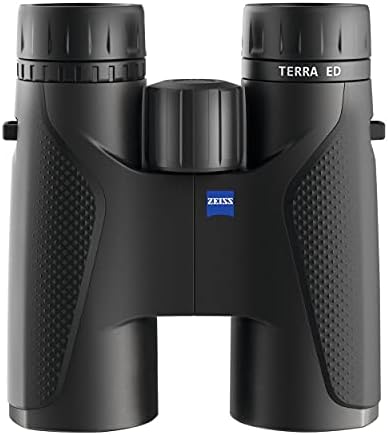
Learn how eye relief, eyecups, field of view and weight shape the best binoculars for glasses wearers, plus simple checks that help you buy with confidence.
Choosing best binoculars for glasses wearers starts with one simple truth: there is no single pair that suits every face, every frame and every outing. Glasses change the distance between your eyes and the eyepiece, so a pair that feels wonderful to a bare eyed viewer can feel cramped or dim when you keep your glasses on. The product table can help you compare the main options side by side, but the fit checks in this guide matter just as much as any specification.
A good pair for glasses wearers gives you the full view without pressing hard against your frames or forcing you to tilt your head. Look for generous eye relief, eyecups that adjust in small steps, a comfortable weight and a focus control you can reach without shifting your grip. This guide walks through those points in plain language, so you can narrow the choice to the style that fits your outings, your budget and your glasses.


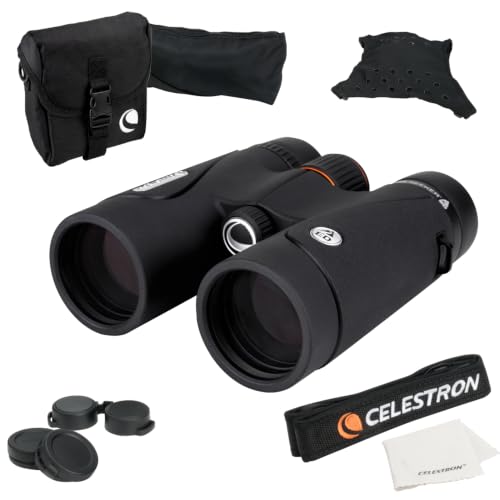

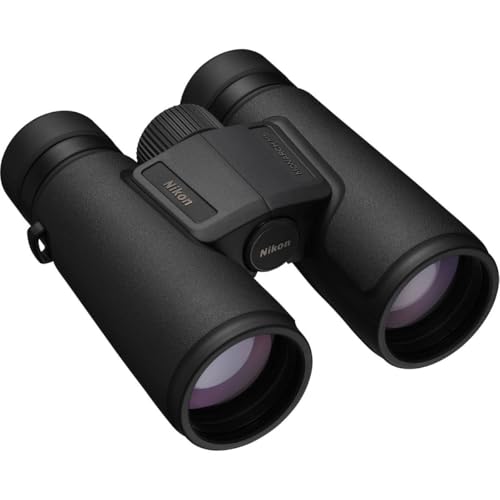
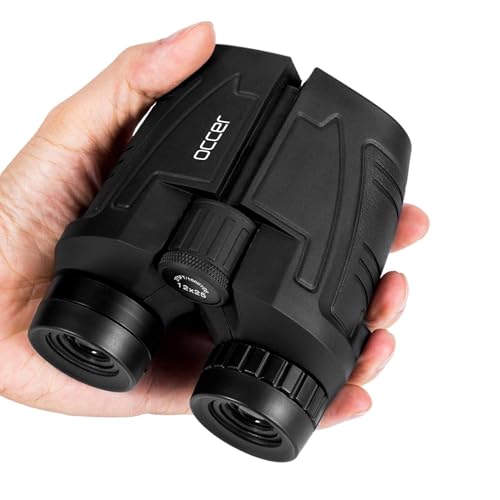
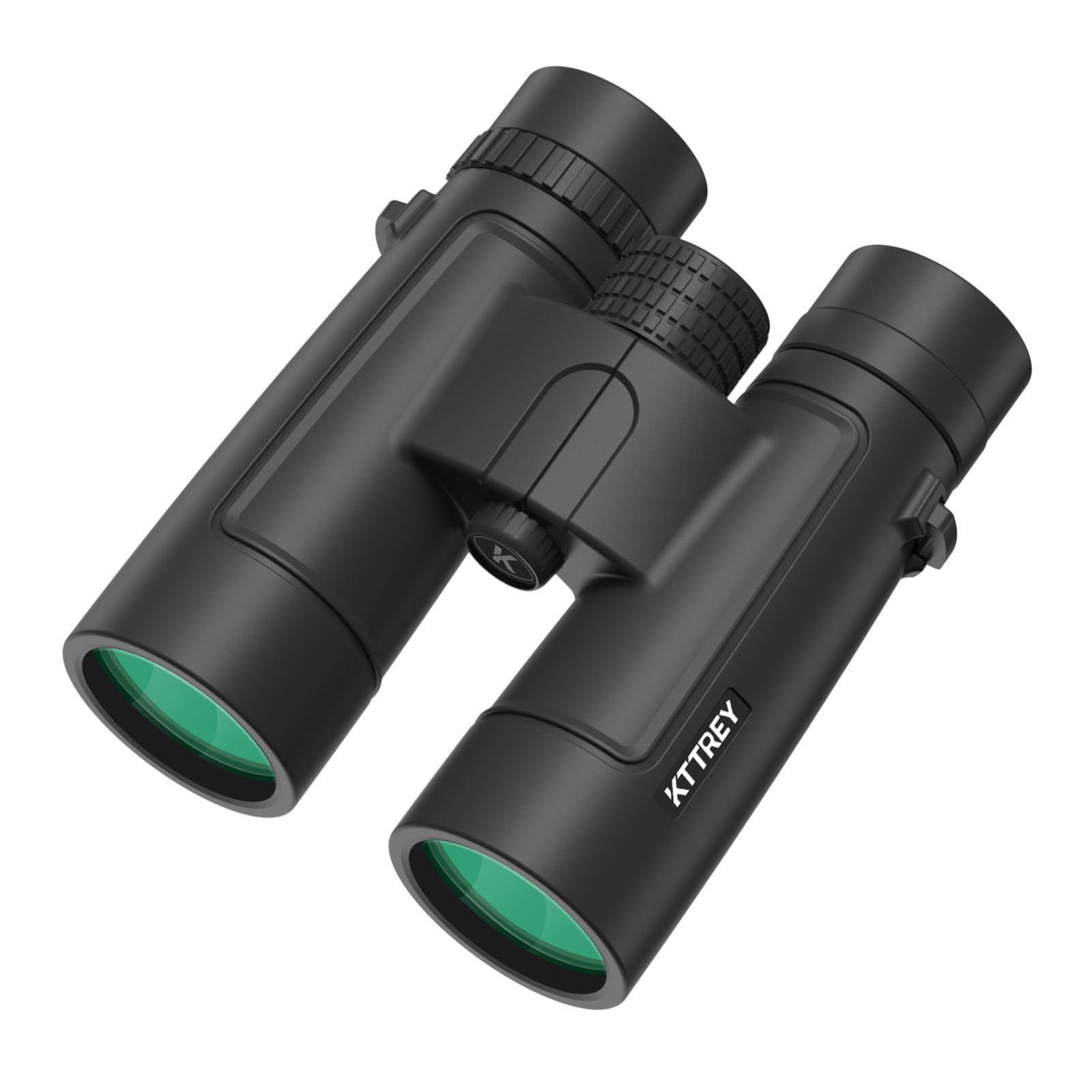


Who Should Buy Which Binoculars?
Your main use shapes the size, brightness and handling you should favour. A birder who scans treetops for hours has different needs from a spectator who watches a game for an afternoon, and both differ from a new buyer who wants one dependable pair for many occasions. The groups below describe those needs in practical terms, so you can spot the one that sounds most like you.
For Birdwatchers Who Wear Glasses
Birdwatchers need a wide, bright view and a focus wheel that moves smoothly from a nearby warbler to a distant hawk. Eye relief of about 15 to 20 mm helps you see the full field without vignetting, which is the dark ring that appears when your eyes sit too far from the eyepiece. An 8x42 size is a popular starting point because it balances brightness, steadiness and a field wide enough to follow a moving bird. Keep the weight in mind too, since a pair that hangs around your neck all morning should feel balanced rather than front heavy.
For Spectators and Travelers Who Wear Glasses
Spectators and travelers often want a compact pair that slips into a jacket pocket or a small bag. An 8x32 or 10x32 model can work well here, provided the eye relief still lets you see the full image with glasses on. Twist up eyecups are useful because you can set them to the lowest position for glasses and raise them later if you view without glasses. A rubber armoured body also helps, since a travel pair is more likely to be bumped, set down on a bench or used in light rain.
For New Buyers Who Wear Glasses
New buyers should favour simplicity over exotic features. A central focus wheel, a clear diopter control and a comfortable neck strap cover most everyday needs, and a forgiving eye box makes the view easier to find. The eye box is the small range of positions where the full image stays visible, and a generous one matters when you are still learning to hold the pair steady. Start with a mid size model, learn what magnification feels steady in your hands, and only then consider a larger or more specialised pair.
Key Features of the Best Binoculars for Glasses Wearers
Specifications only help when you know what each one changes in real use. The factors below are the ones that matter most when glasses sit between your eyes and the optics, and each one is explained in terms of what you will notice on your next outing.
Features That Matter for Glasses Wearers
Eye relief is the distance from the eyepiece lens to the point where the full image is visible, and it is the single most important number for glasses wearers. Aim for at least 15 mm, and treat 17 to 20 mm as a comfortable target if your frames are thick or sit far from your eyes. Twist up eyecups with several stops let you fine tune that distance, while fold down rubber cups offer a simpler but less precise setting. A diopter control on one barrel lets you fine tune focus for a difference between your two eyes, which is helpful even when you wear glasses.
Ease of Use for Your Skill Level
Easy handling starts with a focus wheel that turns smoothly without sticking at the ends of its travel. A bridge that opens and closes with light resistance lets you set the distance between the two barrels to match your eyes, and that setting should stay put while you walk. A neck strap that adjusts easily and a case that opens one handed also matter more than they sound, because fumbling with gear can cost you a sighting. If you share the pair with family, a focus lock or a simple way to note your diopter setting can save repeated adjustment.
Field of View and Brightness
Field of view tells you how wide a scene you can see at a set distance, often given in feet at 1000 yards, and a wider field makes it easier to find and follow a moving subject. Brightness depends on the objective lens size, the coatings and the exit pupil, which is the beam of light that leaves the eyepiece. Divide the objective size by the magnification to estimate it: an 8x42 pair gives about 5.25 mm, which suits daylight and mild low light well. Larger objectives gather more light but add weight, so balance brightness against how long you plan to carry the pair.
Build and Weather Protection
A sealed body keeps dust and moisture out, and nitrogen purging helps prevent internal fogging when you move between cold air and a warm room. Rubber armour improves grip and cushions small knocks, which is useful on trails, boats and sidelines. Check that the lens caps stay attached and that the rain guard fits over both eyepieces, since lost caps are a common annoyance. A pair that feels solid in your hands, with no rattling hinge and no loose eyecups, is more likely to stay pleasant to use over many seasons.
Common Mistakes to Avoid When Buying Binoculars
- Choosing magnification first: higher power narrows the view and shakes more, so an unsteady 12x view can show less than a steady 8x view.
- Ignoring eye relief: a pair with short eye relief can cut off the edges of the image when you wear glasses, no matter how sharp the centre looks.
- Buying too large or too heavy: a big pair left at home helps no one, so match size and weight to how far and how long you will carry it.
- Skipping the warranty check: look for clear cover on seals, coatings and mechanical parts, and note whether the maker offers repair rather than only replacement.
- Judging by price alone: a modest pair with good eye relief and coatings often serves a glasses wearer better than a costly pair built for bare eyed viewing.
Setup and Care Tips
Set the eyecups to their lowest position first, then raise them one click at a time until the full field appears without dark edges. Adjust the hinge so both barrels line up with your eyes, then set the diopter with one eye closed and fine tune it until a distant sign looks crisp. Use a lens cloth, not your shirt, to clean the lenses, since shirt fabric can carry grit that scratches coatings. Store the pair in a dry, padded bag, keep the caps on when it is not in use, and carry a spare lens cloth rather than a spare battery, since binoculars need no power at all.
Binoculars: Your Questions Answered
What features matter most in binoculars for glasses wearers?
Eye relief matters most, followed by adjustable eyecups, a clear diopter control and a comfortable weight. Aim for eye relief of about 15 to 20 mm, and check that the eyecups offer several stops rather than only fully up or fully down. A wide field of view helps you find subjects quickly, while good coatings keep the image bright at the edges. Together, these points decide whether the view feels open and relaxed or cramped and tiring during a long outing.
How much should I spend on my first one?
Most first time buyers find a satisfying pair for about $100 to $250, with simpler compact models below that range and brighter, fully sealed models above it. Spend more when you need better low light performance, tougher sealing or a wider field, and spend less when your outings are short and mostly in daylight. Put eye relief and handling ahead of extra magnification, since a comfortable pair you enjoy using will teach you more than a powerful pair you avoid carrying.
What does 8x42 or 10x42 mean?
The first number is magnification, so 8x makes a subject look eight times closer than the naked eye, while 10x makes it look ten times closer. The second number is the objective lens diameter in millimetres, so 42 means a 42 mm front lens that gathers light. An 8x42 pair usually gives a wider, steadier and brighter view than a 10x42 pair, while the 10x42 pair shows more detail when you can hold it steady. For glasses wearers, the wider eye box of many 8x models is often the deciding factor.
Which is better for low light?
A larger exit pupil usually helps in low light, so an 8x42 pair often outperforms a 10x32 pair at dawn or dusk. Coatings matter too, since fully multi coated lenses lose less light at each glass surface than partly coated ones. Prism type also plays a role, with well made roof prism models offering a slim shape and good contrast when the coatings are strong. Whatever you choose, never point binoculars at the sun, and follow the manufacturer's instructions for safe use.
What specs matter most for beginners?
Beginners should start with magnification, eye relief, field of view and weight, in that order. Magnification sets how steady the view feels, eye relief decides whether glasses wearers see the full image, field of view decides how easily you find subjects, and weight decides how long you will happily carry the pair. Objective size, coatings and sealing come next, once those four feel right. A simple pair that scores well on the first four is a better teacher than a complex pair with features you rarely use.
Is a smartphone enough instead?
A smartphone works well for photos and for identifying a subject after the fact, but it cannot match the live, bright and steady view of binoculars at a distance. A phone screen also washes out in bright sun and shows a narrow slice of the scene, while binoculars let both eyes work together for depth and comfort. Many people use both: binoculars to find and watch, and a phone to record notes or a quick photo. If watching matters more than recording, binoculars remain the better main tool.
Wrapping Up
The best choice comes down to three checks: enough eye relief to see the full field with your glasses on, a weight and size you will actually carry, and a view bright enough for the light you usually meet. Try the eyecups, the hinge and the focus wheel before you commit, and use the product table to compare those points across the picks in your budget. When those three checks pass, best binoculars for glasses wearers stops being a puzzle and becomes a pair you reach for on every outing. If your eyes feel strained, or if you notice persistent eye pain or vision changes, talk with an eye care professional before you keep pushing through long sessions.
See our guide to best binoculars for eyeglass wearers for a closer look at eye relief ranges and eyecup styles. If you also use headsets, see our guide to best headsets for glasses wearers for frame friendly fit advice. For a related comparison, see our guide to best binoculars for people with glasses. The product table remains a useful starting point, but your own fit check with your own frames is the final step that matters.


