
Best Binoculars for Duck Hunting in 2026: Which Type Is Right for You?
Disclosure: We may earn a commission when you buy through links on this page, at no extra cost to you. As an Amazon Associate I earn from qualifying purchases. Learn more

Compare the best binoculars for duck hunting by type, with exit pupil, low light, sealing and price guidance to pick the right pair for the marsh.
A duck blind at first shooting light is a hard test for any optic. Birds cross fast, the light is thin, and everything you own gets wet. Shoppers comparing the best binoculars for duck hunting usually find dozens of sizes and price points with little guidance on which type fits a marsh. This guide compares the main types side by side so you can match the glass to your blind, your boat, and your budget.
The comparison table below sums up each type by its best use, exit pupil, and typical price. After the table, each type gets its own section, followed by the specs that actually matter in low light and wet weather. By the end you will know which configuration to buy first and which features you can safely skip.


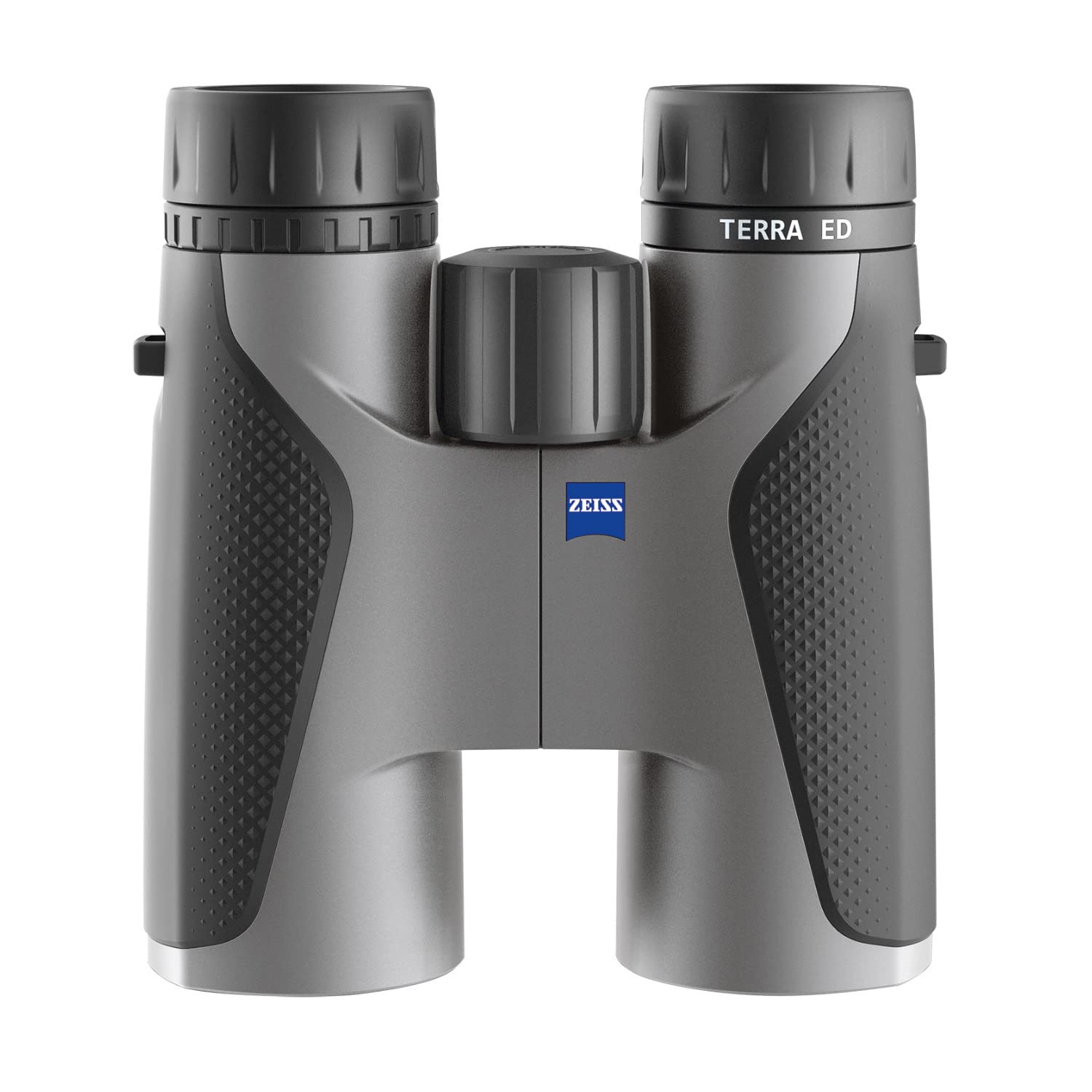


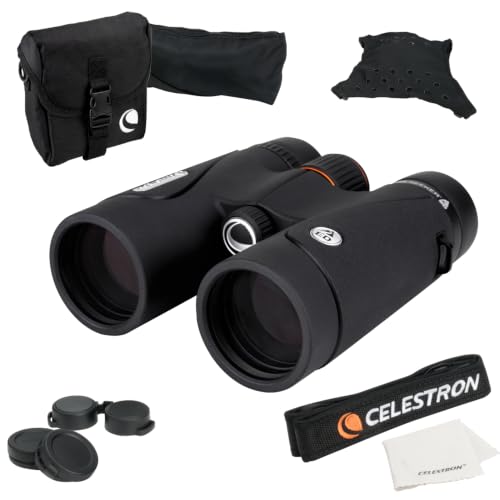


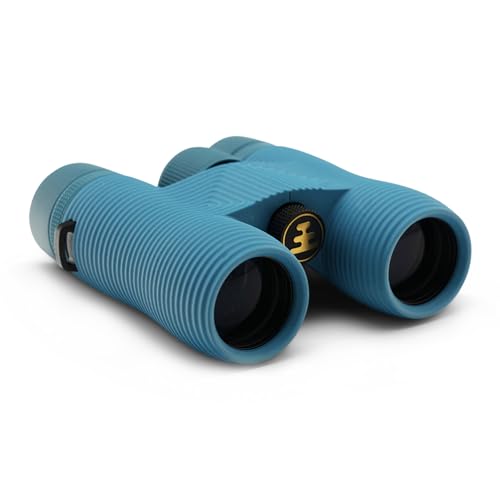
Types of Binoculars Compared
Start with light, because light runs a duck hunt. Legal shooting hours begin before sunrise and end after sunset, so the dawn and dusk windows govern what a duck hunter can see. In those windows a larger exit pupil gathers more of the available light and keeps the image bright, while a small one fades fast. The four types below trade brightness against weight and price.
| Type | Best For | Exit Pupil | Typical Price |
|---|---|---|---|
| Full size 8x42 or 10x42 | Blinds and boats | About 5.3 mm or 4.2 mm | About $120 to $400 |
| Mid size 8x32 or 10x32 | Walk in hunts | About 4.0 mm or 3.2 mm | About $90 to $300 |
| Compact 8x25 or 10x25 | Backup and travel | About 3.1 mm or 2.5 mm | About $40 to $150 |
| Low light 8x56 or 10x50 | Fixed blinds at dawn | About 7.0 mm or 5.0 mm | About $200 to $600 |
Full Size Binoculars
Full size binoculars pair 42 mm objective lenses with 8x or 10x magnification and are the default choice for most waterfowl hunters. The 8x42 gives a wider field of view for tracking birds over decoys, while the 10x42 shows more detail on distant flocks at the cost of a narrower view and more visible hand shake. Both ride well in a blind or a boat and hold enough brightness for the first and last minutes of legal light. If you buy one pair for every style of duck hunt, buy this type.
Mid Size Binoculars
Mid size binoculars shrink the objective to 32 mm, which cuts weight and bulk for hunters who walk far to a pothole or a timber hole. The trade is brightness, since the smaller lenses pass less light at dawn. For midday scouting, bright weather jump shooting, and younger hunters who tire of a heavy pair, the smaller size earns its place. Choose 8x32 over 10x32 for the brightest, steadiest image this class can offer.
Compact Binoculars
Compacts fold small enough for a jacket pocket and cost the least of the four types. Their 25 mm lenses and small exit pupil make them the weakest choice at dawn and dusk, which is exactly when ducks move. Treat a compact as a backup pair, a scouting tool for bright days, or a loaner for a guest in the blind. Hunters who rely on a compact as their only glass usually replace it within a season or two.
Low Light Binoculars
Low light models push the objective to 50 mm or 56 mm so the exit pupil grows and the image stays bright in the first gray minutes of the morning. That brightness costs weight, and a pair near two pounds grows tiring on a long walk. In a fixed blind, a pit, or a boat where the glass mostly rests on a rail, the trade favors brightness. If your hunts live at dawn over open water, this is the type built for you.
Full Size vs Compact Binoculars: Which Should You Choose?
The honest split between these two types comes down to light and carry. A full size 8x42 delivers an exit pupil of about 5.3 mm, close to what a young eye can use in dim light, while a compact 8x25 manages about 3.1 mm and dims early. Full size glass also gives a wider field of view, a larger focus wheel, and stronger sealing at a given price.
A compact wins only on weight and pack size. Choose the full size type if the binocular is your main bird finding tool, and choose the compact only as a second pair. If the budget is the real limit, our guide to best inexpensive binoculars for hunting shows how the entry band still covers sealing and coatings. Hunters who split time between marsh and timber often land on a mid size pair instead, a route covered in our guide to best binoculars for deer hunting.
How to Choose the Best Binoculars for Duck Hunting
Durability and Weather Sealing
A marsh is the harshest common home for an optic, so sealing comes before almost every other spec. Look for a fully waterproof build, because a waterproof seal governs whether rain, spray, and a dropped moment in the shallows stay outside the barrels. Fog proof models are purged with nitrogen so the inside stays clear when you move from a warm truck to cold air. Rubber armor adds grip with wet hands and softens knocks against blind frames and boat rails.
Exit Pupil and Low Light
The exit pupil is the objective size divided by the magnification, and it predicts how bright the view looks at dawn. An 8x42 gives about 5.3 millimetres, and a 10x42 gives about 4.2 millimetres, which is why the 8x42 looks brighter in the same gray light. Lens coatings matter alongside the raw numbers, since better coatings pass more of the gathered light to your eye. For most duck hunters, 8x42 is the low light sweet spot, and 10x42 suits open water where range matters more.
Features That Matter for Duck Hunting
A wide field of view helps you pick up birds against the sky and follow them across a decoy spread, so favor width over extra power. A fast, smooth center focus wheel matters because range changes quickly as birds work in toward the blind. Close focus, by contrast, matters little over open water.
Some hunters want distance judged for them, and our guide to best hunting binoculars with rangefinder explains that combined class, though most duck hunters read range from the decoys they set. Ratings deserve the same care you give specs: lists of the best rated binoculars for hunting report buyer scores rather than light gathering, so treat those lists as a popularity signal only.
Weight and Carrying Comfort
Weight decides how often the glass actually leaves the truck. A full size pair usually weighs about one and a half pounds, and a thin neck strap grows uncomfortable on a long walk through cattails. A chest harness spreads that load and keeps the binocular against your body while you handle a call or a paddle, and our guide to best binoculars harness for hunting compares harness styles for field use. Pick a pair you will bring every time, because a lighter pair in hand beats a brighter pair left at home.
Tips to Get the Most From Your Pair of Binoculars
Wipe lenses with a clean lens cloth, never a sleeve or a glove, because grit trapped in fabric scratches coatings. Rinse the body in fresh water after a hunt in brackish marshes, then let the pair dry before it goes back in the case. Keep the caps on while you motor to the blind, and store the pair in a dry, padded bag at home. Set the diopter once for your eyes and note the setting, so a borrowed pair returns to your focus fast.
Binoculars: Your Questions Answered
What features matter most in binoculars for duck hunting?
Sealing, exit pupil, and field of view matter most, in that order for most hunters. One point buyers often miss is the interpupillary adjustment, since the barrels must fold close enough or wide enough to match your eye spacing. If that fit is wrong you will see dark edges at the sides of the view, and no coating upgrade can fix it. Check the fit at home before the season opens.
Is a smartphone enough instead of binoculars for duck hunting?
No, a smartphone is not enough for identifying ducks at working distances. A phone camera crops a small sensor and loses feather detail exactly when you need it, and a bright screen in a dark blind ruins your own low light vision for several minutes. A phone still helps for a quick photo through one barrel, but it replaces neither the reach nor the dawn brightness of a real binocular.
Which is better for low light duck hunting, 8x42 or 10x42?
The 8x42 is better for low light duck hunting. Its larger exit pupil feeds your eye more light, and its wider view makes fast birds easier to find at first light. One extra trick closes much of the remaining gap: rest the binocular on a blind rail or your knees whenever you can, because a steady 8x42 shows more real detail than a shaking 10x42. Choose the 10x42 only for long open water where you judge distant flocks.
What specs matter most for a beginner buying duck hunting binoculars?
A beginner should start with an 8x42 size, full waterproof sealing, and a weight near one and a half pounds or less. Add one spec many new buyers skip: eye relief of about 15 mm or more if you wear glasses, because short eye relief shrinks the view to a tunnel. A soft case and a comfortable strap in the box matter more than extra accessories.
What does 8x42 or 10x42 mean on a binocular?
The first number is magnification, so 8x makes a bird appear eight times closer, and the second number is the objective lens width in millimetres. Use the numbers this way in a shop: hold each size on one small, distant target for ten seconds and watch your own shake. The size that stays steadier is the one your hands can truly use in the field, whatever the spec sheet promises.
Final Thoughts
Match the type to your light and your walk, and the choice gets simple. Blind and boat hunters should start with a full size 8x42, walk in hunters with a mid size pair, and dawn specialists with a low light pair. Everyone should put sealing ahead of extra magnification. The product table above gathers the leading types in one view, and the best binoculars for duck hunting are the sealed, bright pair you will carry on every cold morning.


