
Best Binoculars for Coyote Hunting: 2026 Checklist
Disclosure: We may earn a commission when you buy through links on this page, at no extra cost to you. As an Amazon Associate I earn from qualifying purchases. Learn more

A clear checklist for the best binoculars for coyote hunting: magnification, low light glass, field of view, weight and weather sealing.
Coyotes rarely give you a long, easy look. You scan a field edge at first light, catch movement in brush, and need to confirm the animal and what sits behind it. The best binoculars for coyote hunting make that scan fast and clear, and the checks below make the key specs easy to compare.
This guide uses a checklist built for coyote work. It covers magnification, brightness at dawn and dusk, field of view, glass quality, weight, and sealing. Match those points to your terrain, and you will avoid paying for power you cannot hold steady.

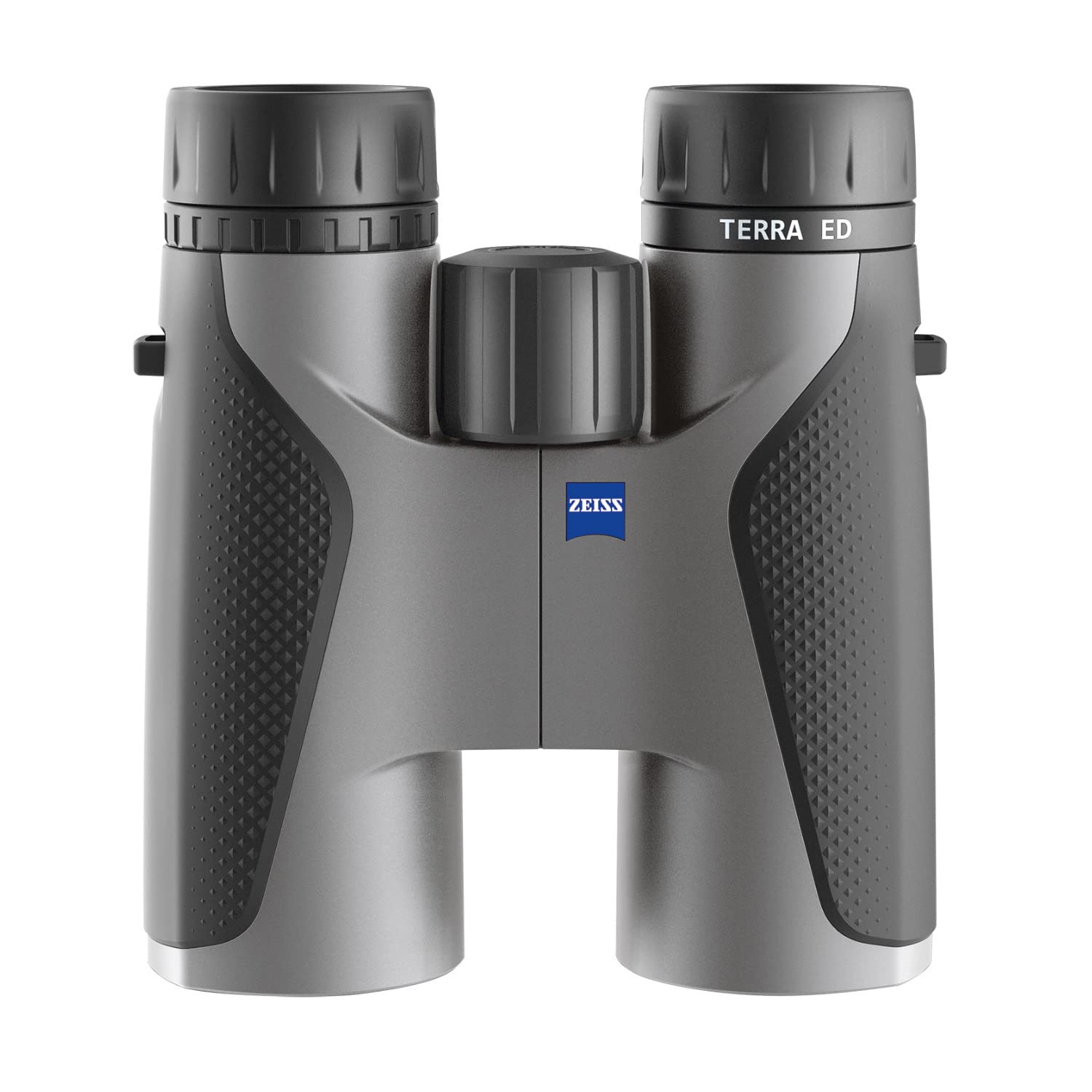


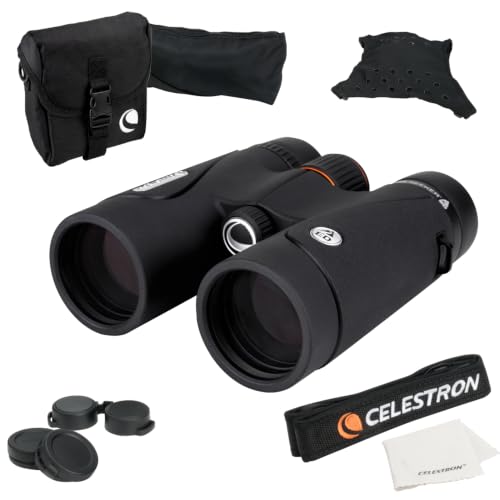


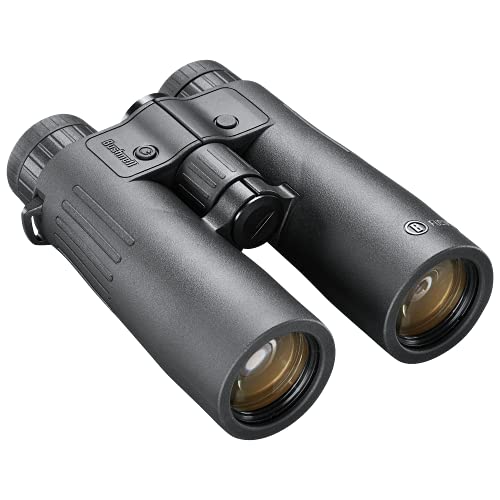


Who Should Buy Which Binoculars for Coyote Hunting?
Your ground decides more than brand or price. Open basins, cut fields, and brushy creek bottoms each reward a different balance of power, width, and brightness.
Open Country Callers Who Glass Basins and Field Edges
You watch animals crossing open ground a few hundred yards out. Choose 10x42, since the extra reach helps you judge size and movement while the view stays wide enough to relocate an animal. A tripod mount helps during long sits, because a steady image shows detail that tired arms will blur.
Dawn and Dusk Hunters in Low Country Light
You glass in the dimmest legal minutes, when coyotes move most and shadows hide shape. Choose a 42 mm or 50 mm objective lens with quality coatings, since brightness matters more than size. If legal hours in your state extend into full darkness, see our guide to the best night vision binoculars for coyote hunting for that separate job.
Mobile Hunters Who Walk Between Calling Stands
You cover ground on foot and glass for a few minutes at each stand. Choose 8x32 or 8x42 to save weight and gain a wider view for close brush. Carry the pair on your chest, and see our guide to the best binoculars harness for hunting if a neck strap swings while you walk.
Key Features to Compare
Work through these factors in order. They explain why the best binoculars for coyote hunting differ from a general hunting pair.
Magnification for Coyote Hunting: Reach Versus a Steady View
Magnification is the first number in a label such as 10x42, and it shows how much closer the animal appears. An 8x view is easier to hold steady and suits brush, while 10x adds reach for open fields. A 12x view can help from a tripod, but hand shake grows with power and the image can swim when you breathe hard. Start at 8x or 10x and add power only with support.
Objective Lens Size and Brightness at Dawn and Dusk
The second number in 10x42 is the objective lens diameter in millimeters, and a larger lens gathers more light. A 42 mm lens balances brightness and weight, while a 50 mm lens gives a brighter image in deep shade at a cost in bulk. A 32 mm lens packs smaller but dims sooner as light falls. Judge this factor by when you hunt, since a midday hunter gains little from the largest glass.
Field of View for Following a Moving Coyote
Field of view is the width you can see at 1,000 yards, often listed in feet. A wider view helps you find a trotting coyote, keep it in frame as it angles toward your call, and pick it up again after you lower the binoculars. Higher magnification narrows the view, so a powerful pair can feel slow in brush. Value a generous field over the last step of power.
Glass Quality, Coatings, and Exit Pupil
Clear edge detail helps you separate a coyote from a dog or tall grass at distance. Look for fully coated lenses and extra low dispersion glass if your budget allows, since both improve contrast and reduce color haze. Exit pupil is the objective size divided by magnification, so a 10x42 gives about 4.2 mm. A larger exit pupil feels brighter as light falls.
Size, Weight, and Focus Wheel Feel
A full size pair often weighs about 24 to 32 ounces, while compact models can weigh under 20 ounces. Weight you barely notice at the truck grows on your chest after several stands, yet a light pair can feel jumpy in wind. Test the center focus wheel with gloves on, since coyote season means cold hands. Smooth focus lets you follow an animal without overshooting.
Durability and Weather Sealing for Field Use
Coyote hunting puts optics in frost, dust, and light rain. Choose a waterproof and fogproof body, usually sealed and filled with nitrogen or argon, so moving from cold air into a warm cab does not cloud the inside lenses. Rubber armor helps the pair survive knocks. Confirm warranty terms in writing, since vague sealing claims are a warning sign.
Binocular Types Compared for Coyote Hunting
Use this comparison to match the format to your ground.
Full Size 10x42 Binoculars for All Round Coyote Work
This is the default choice for mixed farms and open draws. You get useful reach, a solid low light image, and a view wide enough for animals that change direction. If you also hunt bigger game, see our guide to the best binoculars for deer hunting to compare how the priorities shift.
Compact 8x32 Binoculars for Brush and Long Walks
A smaller 8x pair suits creek bottoms and days when you walk far between stands. The wider view and lighter carry help you react fast at close range. The trade is brightness late in the day, so this type fits hunters who hunt bright mornings more than deep dusk.
Large 10x50 and 12x50 Binoculars for Tripod Glassing
A larger objective and higher power suit fixed positions over big fields, where a tripod carries the weight. You gain detail at distance and a brighter image at last light. This type is a poor fit for walking hunts, since bulk slows you down and the narrow view makes brush work harder.
Final Checks Before You Buy Binoculars for Coyote Country
Answer each question before you buy. If you answer no to two or more, keep looking. See our guide to the best inexpensive binoculars for hunting if price is the main limit.
- Does the magnification match your terrain, with 8x for brush and 10x for open ground?
- Is the objective lens at least 42 mm if you glass at dawn or dusk?
- Is the field of view wide enough to follow a trotting coyote?
- Can you hold the pair steady for a full minute without the image swimming?
- Does the focus wheel turn smoothly while you wear your hunting gloves?
- Is the body listed as waterproof and fogproof with clear warranty terms?
- Does the weight feel fine on your chest with your other gear?
- Do the eye cups and eye relief work with your glasses, if you wear them?
Common Mistakes to Avoid
- Buying 12x or higher power for hand held use makes shake blur the detail you paid to see.
- Choosing a tiny objective lens for dusk hunting leaves the image too dim to judge the animal.
- Ignoring field of view makes a moving coyote hard to find and harder to follow.
- Trusting a huge zoom range claim hides weak glass that looks soft at every setting.
- Skipping the eye relief check leaves glasses wearers unable to see the full view.
- Storing a wet pair in a closed case invites fog, odor, and damage to coatings.
Cleaning and Storing Binoculars Between Coyote Hunts
Blow loose dust off the lenses first, then wipe with a clean lens cloth in small circles. Never use your shirt, since grit in fabric can scratch coatings. Keep lens caps on in brush, and let a cold pair warm up slowly in its case so condensation fades on the outside.
Store binoculars dry in a padded bag away from heat and sun. Check the strap, hinge, and eye cups every few hunts, and replace a worn strap before it fails. If the image stays cloudy after the outside lenses are clean and dry, contact the maker about service rather than opening the body.
Frequently Asked Questions
What features matter most in binoculars for coyote hunting?
Brightness, field of view, and a steady image matter most in binoculars for coyote hunting. Coyotes move in dim light and cross your view quickly, so glass quality and width beat extreme power. One point hunters overlook is close focus. A pair that focuses down to about 6 to 8 feet helps you check tracks at your stand.
What does 8x42 or 10x42 mean in binoculars for coyote hunting?
The first number is magnification and the second is objective lens size in millimeters, so 10x42 makes the animal look ten times closer through 42 mm front lenses. For coyote work, the difference is feel. The 8x42 view is wider and calmer in brush, while the 10x42 view reads ear tips and body shape farther out.
Is a smartphone enough instead of binoculars for coyote hunting?
No, a smartphone is not enough instead of binoculars for coyote hunting, since digital zoom crops the image and drains the battery you need for maps and calls. A phone can still earn its place later. Use it to record the stand location and the direction an animal came from, which helps you plan wind for the next visit.
Which binoculars are better for low light coyote hunting?
A 10x42 or 10x50 pair with quality coatings is better for low light coyote hunting than a compact 8x32 pair. The larger exit pupil sends a brighter circle of light to your eye as daylight fades. Arrive early enough to let your eyes adjust, since even good glass cannot offset eyes that just left bright headlights.
How much should I spend on a first pair of binoculars for coyote hunting?
Most first time buyers should plan on about $150 to $350 for binoculars for coyote hunting. Below that range, dim glass and loose focus wheels are common, while above it gains come in smaller steps. Spend on the pair you will carry every stand.
Our Verdict
Start with magnification that fits your terrain, then check brightness and field of view before price. A 10x42 pair covers most coyote ground, an 8x pair serves brush and long walks, and a larger pair earns its weight only on a tripod. Compare your short list against the product table above, and choose the best binoculars for coyote hunting that you can hold steady and carry all morning.


