
Best Binoculars for Birding under $200 in 2026: Everything to Know Before Your First Purchase
Disclosure: We may earn a commission when you buy through links on this page, at no extra cost to you. As an Amazon Associate I earn from qualifying purchases. Learn more

Choose the best binoculars for birding under $200 with plain guidance on magnification, field of view, close focus and low light for first time buyers.
Boxes list numbers and coating terms with little context, which confuses many first time buyers. The best binoculars for birding under $200 are not the pair with the biggest numbers, but the pair that helps you find a bird fast, hold it steady, and name the marks that separate one species from a close look alike.
Think about where you will bird most often before you look at price tags. Woods, wetlands, and open fields reward different strengths, and matching the pair to one main habitat saves money.

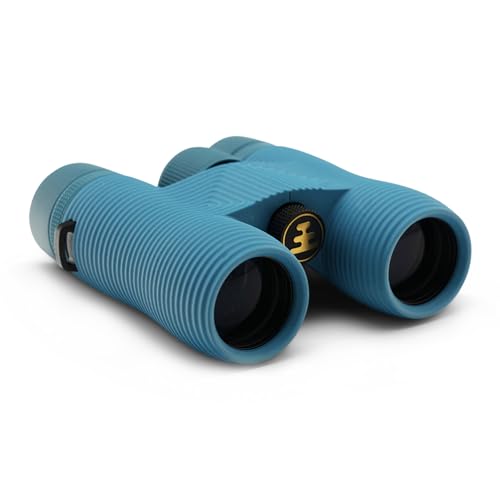


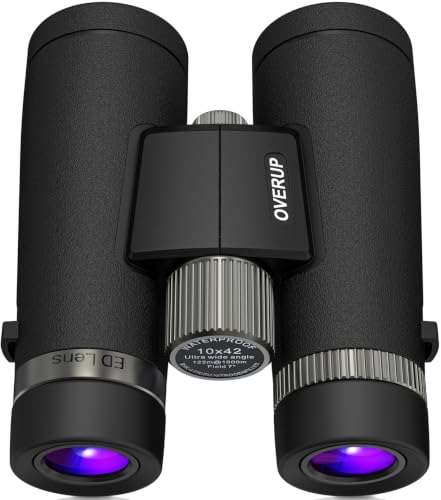
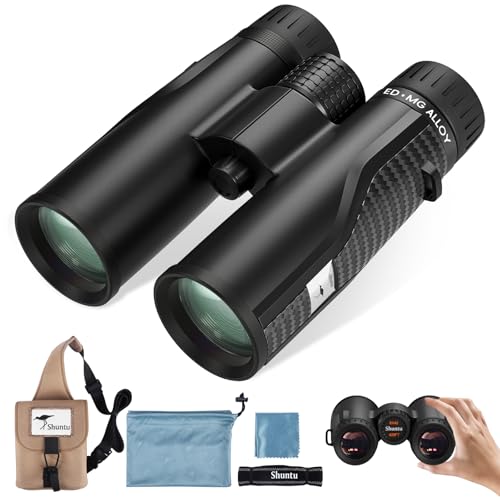
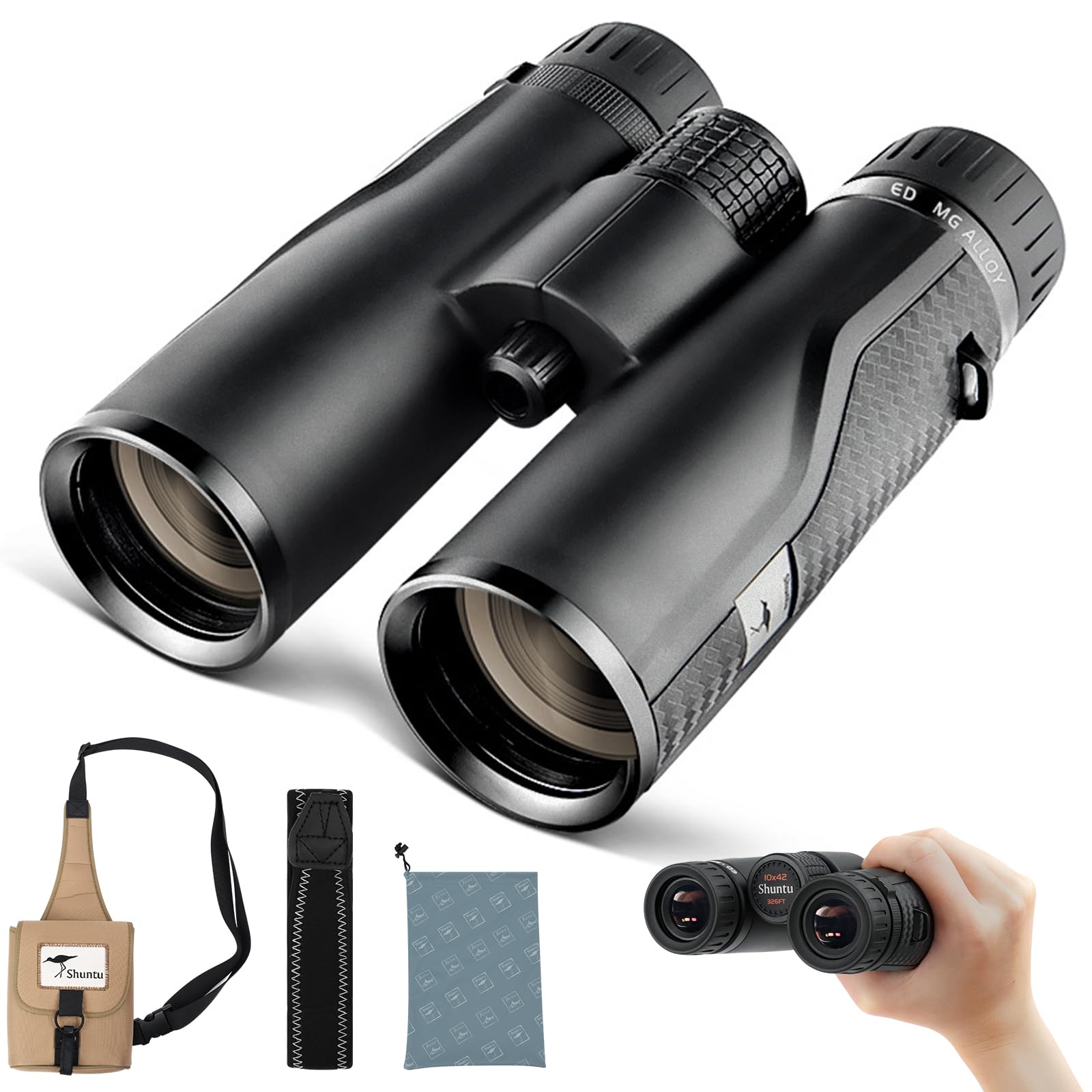
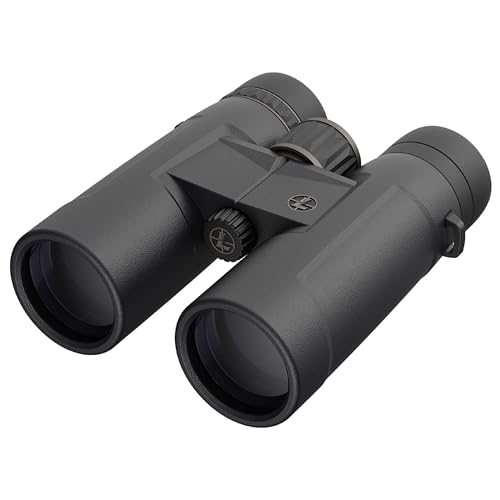

Who Should Buy Which Birding Binoculars on a $200 Budget?
Your habitat and your hands should shape your short list. The groups below cover three ways new birders spend their mornings.
Backyard and Park Birders Who Watch Feeders and Paths
You watch birds at feeders and around ponds where subjects are often 20 to 60 feet away. An 8x42 pair suits you, because the wide view makes a moving songbird easier to follow between branches. Close focus matters too, since a warbler in a near bush can sit inside the range where a distant focused pair goes soft.
Wetland and Shore Birders Who Scan Open Water
You look across marshes and mudflats where birds rest far from the trail. A 10x42 pair can help you pick out bill shape and leg color at distance, but it also magnifies hand movement, so brace your elbows on your ribs. A broad strap will feel better than a thin cord after an hour.
Woodland Hikers Who Bird While They Walk
You bird on forest trails where light is dim, birds are close, and you may walk several miles. Choose 8x42 for the brighter image and wider view in shade, and keep weight near or under about 25 ounces. Grippy rubber armor also helps when gloves or light rain make smooth barrels hard to hold.
Binoculars 101: The Basics for Birding
A binocular is two small telescopes joined on one hinge, one for each eye, so you can judge depth and follow movement. You fold the barrels until the two views merge into one circle, set the center focus wheel on your subject, and use a diopter dial to balance any difference between your eyes.
Birding models sit inside a wider family of general purpose optics. If your outings mix birds with boating, sports, or travel, see our guide to the best binoculars under $200 for that broader view. A wide view, honest color, and quick focus are what the best binoculars for birding under $200 must balance, because a bird rarely waits.
Key Features to Compare
Compare these five factors in order, because each changes what you see on a real outing.
Magnification and Objective Lens Size for Birding Binoculars
The two numbers on every pair, such as 8x42 or 10x42, give magnification first and objective lens width in millimeters second. Eight power makes a bird look eight times closer and stays steadier, while ten power shows more feather detail but narrows your view and amplifies shake. The 42 mm front lenses gather enough light for dawn and shaded woods without heavy bulk. Readers set on extra reach can see our guide to the best 10x42 binoculars under $200.
Field of View and Close Focus for Finding Birds Fast
Field of view tells you how wide a scene you see at 1000 yards, and birding pairs at this price commonly span about 330 to 430 feet. A wider view helps you land on a calling bird in leaves and keep it centered as it moves. Close focus tells you the shortest distance that still sharpens, and you want about 6 to 8 feet or less for feeder birds. Strong magnification still frustrates daily if either number is poor.
Exit Pupil and Low Light Performance at Dawn and Dusk
Exit pupil is the width of the light beam that reaches your eye, found by dividing objective size by magnification, so an 8x42 gives about 5.25 mm and a 10x42 gives about 4.2 mm. Your own pupil widens in dim light, so the larger beam from 8x42 looks brighter at dawn, at dusk, and under thick tree cover. Lens coatings decide how much light survives the glass, and fully multi coated lenses waste less than basic single coated ones.
Eye Relief and Eyecups for Glasses Wearers
Eye relief is the distance your eye can sit behind the eyepiece while still seeing the full round view, and glasses wearers generally need about 14 to 17 mm or more. Twist up eyecups set that distance in steps, extended for bare eyes and rolled down for glasses. Test this before you judge sharpness, because an eye placed too close or too far cuts the edges of the view and can look like a flaw in the glass.
Prisms, Coatings and Color for Naming Plumage Marks
Birding asks more of glass than most uses, because you separate species by small cues such as wing bars, eye rings, and the wash on a breast. Roof prism models at this price should list phase coating, which keeps contrast crisp, and extra low dispersion glass in some models can reduce the colored fringe around a bird against bright sky.
What You Can Realistically Get under $200
Expect honest value at this level, with clear limits. Most pairs around $120 to $200 offer waterproof and fogproof housings, nitrogen purged barrels, rubber armor, and coatings that look bright in daylight. What you give up is mostly edge sharpness, finer focus wheel feel, and the very best low light clarity. Do not drop waterproofing or phase coating to save money.
If your birding grows toward distant shorebirds, a larger budget changes the glass more than the frame. Readers weighing that step can see our guide to the best birding binoculars under $300, or our guide to the best birding binoculars under $500 for the tier above it.
Getting Started: Setup and First Use for Birding Binoculars
Unbox the pair, attach the neck strap, and fit the lens caps before you go outside, because caps left in the box never protect anything. Set the hinge width so the two views merge into one circle. Then cover the right barrel, focus the left eye on a distant sign with the center wheel, switch sides, and use the diopter dial to sharpen the right eye.
On your first outing, start with large and still subjects such as herons or a hawk on a post, and keep your gaze locked on the bird while you raise the binoculars. Looking up first and then lifting the glass is the habit that loses the bird.
Common Mistakes to Avoid
Most first purchase regrets trace back to a short list of avoidable errors.
- Choosing 12x or higher magnification makes hand shake blur feather detail and shrinks the view you search with.
- Judging a pair only in a bright store hides weak low light performance that dawn outings will expose.
- Ignoring eye relief leaves glasses wearers seeing a narrow tunnel instead of the full field.
- Buying a heavy pair without trying a strap first turns long walks into neck pain.
- Skipping the diopter setup leaves one eye slightly soft and causes tired eyes on long mornings.
Care and Maintenance for Birding Binoculars
Clean lenses only with a soft lens cloth, never your shirt, because shirt fabric drags grit across coatings and leaves fine scratches that scatter light. Blow loose dust off first, breathe lightly on a stubborn smudge, and wipe in small circles from the center outward.
After a wet outing, let the pair dry at room temperature with the caps off before you close it in a case, because trapped moisture invites fog and mildew inside. Store it in a cool and dry spot away from car heat, and check strap anchors every few months.
Binoculars for Birding: Your Questions Answered
Can you get good birding binoculars for under $200 for regular weekend use?
Yes, you can get good birding binoculars for under $200 that serve weekend birders well for years. Spend your test time on the return window instead of the shelf tag, and view a printed page across a yard to check sharpness and color fringing before it closes.
What does 8x42 or 10x42 mean on birding binoculars?
On birding binoculars, 8x42 means the view appears eight times closer through front lenses that measure 42 mm across. One quick home check is to hold the pair at arm length toward a bright window and look at the small bright circles in the eyepieces, which show the exit pupils. Round and even circles suggest the inside parts are aligned well.
Which birding binoculars are better for low light, 8x42 or 10x42 binoculars?
For low light, 8x42 birding binoculars are usually the better choice because they deliver a wider beam of light to your eye. The difference shows most in the first and last half hour of the day and under closed forest canopy. If you bird mainly open marsh at midday, the gap shrinks and steadiness decides instead.
Can a smartphone replace birding binoculars for bird identification?
No, a smartphone cannot replace birding binoculars for identification, because phone zoom mostly crops and enlarges pixels rather than gathering real detail through large front lenses. A phone still earns its pocket space for recording songs, snapping a record shot of a rare visitor, and checking range maps.
How close can birding binoculars under $200 focus on a nearby bird?
Most birding binoculars under $200 focus as close as about 5 to 8 feet, near enough for a hummingbird at a feeder outside a window. At the closest range the two barrels overlap less, so the center of the view carries the sharpest detail. Backing up one step often gives a calmer view.
Wrapping Up
Start with 8x42 for one versatile pair, value a wide view for finding birds, honest color for naming them, and waterproofing that survives real weather. Use the product table above to confirm field of view, eye relief, and weight.
Chosen with those checks, the best binoculars for birding under $200 will show you marks you have walked past for years, from the eye ring on a kinglet to the bill bands on a plover.


