
Best Binoculars for Birding under 100 2026: Matching the Right Pair to Your Routine
Disclosure: We may earn a commission when you buy through links on this page, at no extra cost to you. As an Amazon Associate I earn from qualifying purchases. Learn more
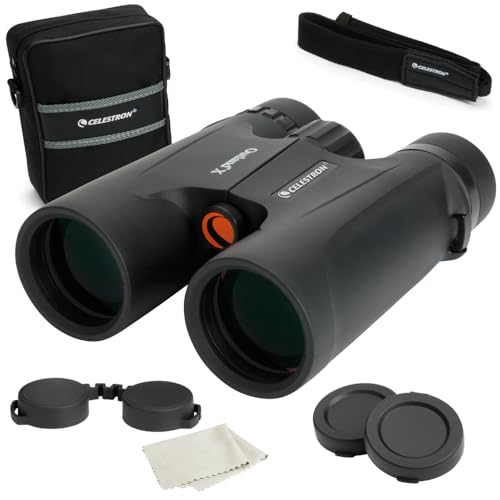
Choose the best binoculars for birding under 100 dollars: magnification, field of view, close focus and comfort explained, with mistakes to avoid.
There is no single pair that suits every birder, because an open marsh asks for different optics than shaded woodland. The good news is that the best binoculars for birding under 100 dollars can still show feather detail and true colors if you match the specs to how you watch.
Start with your usual outing, not a spec sheet. The light you bird in, your typical distance to the bird, and how far you carry your gear point you toward the right magnification, lens size, and body style.


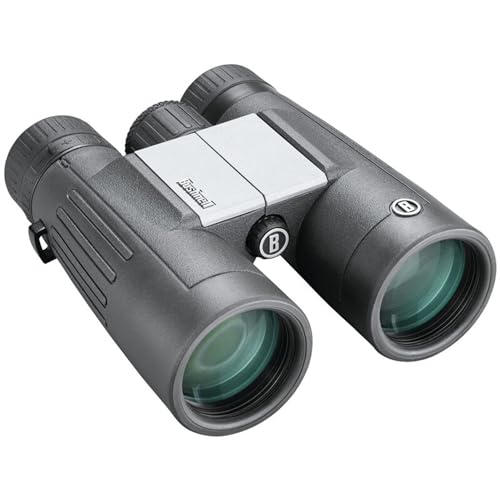
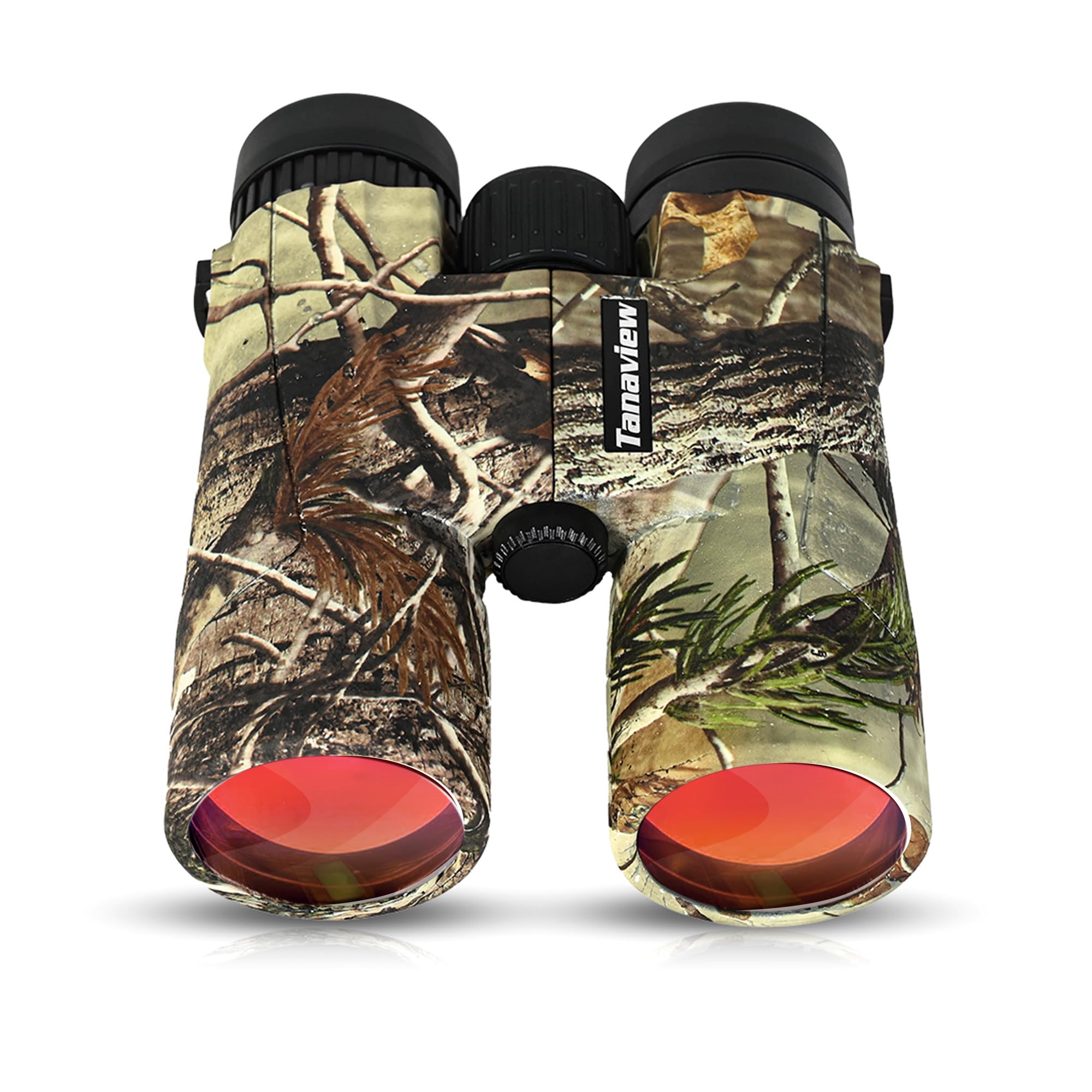

Who Should Buy Which Binoculars for Birding?
Your routine decides which compromises are worth making at this budget.
Backyard Birders and New Birders Learning Identification
If most of your watching happens at feeders, in a garden, or on short park walks, choose an 8x42 pair with a wide field of view. The lower power keeps the image steady and makes it easier to land on a bird that hops between branches. A close focus of about 6 feet or less also helps, because feeder birds and butterflies often sit nearer than you expect.
Hikers and Travel Birders Who Carry Gear All Day
If you bird along trails or on trips, weight and size move to the top of your list. A compact 8x32 or a light 10x42 pair slips into a jacket pocket or small pack and is less tiring around your neck by midday. Look for a sealed body that shrugs off drizzle and dust. You give up a little dawn brightness, but you gain a pair you will actually bring.
Dawn, Dusk, and Woodland Birders in Dim Light
If you listen for the dawn chorus, watch owls at dusk, or bird under a thick canopy, brightness is your priority. A full size 8x42 pair gathers more light than a compact model and gives a larger exit pupil, so the view stays usable as light fades. A 10x50 setup can help over open water at last light, and if that format interests you, see our guide to the best 10x50 binoculars under 100.
Key Features to Compare
Compare these five factors in order before you look at extras.
Magnification and Objective Lens Size for Birding
The two numbers in a name such as 8x42 describe power and lens size. The first is magnification, so 8x makes a bird look eight times closer, and the second is the front lens diameter in millimeters. An 8x view is steadier and usually wider, which suits woodland birds that move fast and stay close. A 10x view pulls distant shorebirds closer, but it magnifies hand shake and narrows what you see at once. For most birders at this price, 8x42 is the safer choice.
Field of View for Following Birds in Movement
Field of view tells you how wide a scene you can take in at a set distance, often listed as feet at 1,000 yards. A wider view makes it easier to find a bird with your eyes first, then lift the binoculars without losing it. It also helps you follow a warbler through branches, because the bird stays in frame longer. At this budget, look for about 330 feet or more at 1,000 yards in an 8x42 pair.
Close Focus and the Focus Wheel on Birding Binoculars
Close focus is the shortest distance at which the image stays sharp. Birds at a feeder often let you approach within a few yards, and dragonflies and butterflies reward a pair that focuses down to about 6 feet. The focus wheel matters just as much, because birds rarely sit still while you hunt for the setting. Choose a large central wheel that turns smoothly with one finger, without stiff spots, and that does not drift each time you raise the pair.
Eye Relief, Eyecups, and Comfort for Long Sessions
Eye relief is the distance your eye can sit from the rear lens while still seeing the whole view, and it decides comfort if you wear glasses. Glasses wearers should look for about 15 mm of relief or more, with eyecups that twist or fold down. Without enough relief, the edges turn black and you miss birds at the sides. Check also that the barrels adjust smoothly to the spacing of your eyes and that the pair feels balanced during a long hold.
Lens Coatings, Glass Quality, and Image Brightness
Coatings reduce reflections and let more light reach your eyes, which improves contrast and color on dull days. At this price, look for fully coated or multicoated glass, and treat vague claims about special glass with caution, because premium glass is rare under $100. Judge the result instead: edges that stay reasonably sharp, colors that look natural, and no strong color fringe around a bird against a bright sky.
Porro Prism or Roof Prism: Which Shape Fits Your Birding?
Budget binoculars come in two body shapes, named for the prisms inside. Porro prism pairs have the classic offset shape with wide spaced front lenses. They often give a bright view for the money and a strong sense of depth, but they are bulky and harder to seal fully against water.
Roof prism pairs are the straight, slim design most birders now carry. They pack easily, handle knocks and rain better at this price, and usually focus closer than a similar Porro model, though the cheapest examples can look slightly less bright. Choose Porro for porch or car birding, and roof prism if you walk or travel.
What You Can Realistically Get Under $100
A budget near $100 buys honest, useful optics, but not everything at once. Expect clear central sharpness and a usable focus wheel, and accept softer edges and modest low light reach. That is the heart of shopping for the best binoculars for birding under 100 dollars: you choose which strength matters most instead of paying for all of them. Spend on glass, focus, and a sealed body, and save on extras such as phone adapters.
A stated warranty of at least a year is worth having, since budget focus wheels and hinges most often need service. If your budget can stretch later, see our guide to the best birding binoculars under $200 for what the next step up adds, or the best birding binoculars under $300 for gains beyond that.
Common Mistakes to Avoid
- Choosing 12x or higher power for the bigger number, because the extra shake and narrow view make small birds harder to follow.
- Judging a pair by price alone, because the cheapest option often cuts the coatings and focus quality that decide clarity.
- Ignoring field of view, because a narrow view turns every quick movement into a search and costs you woodland sightings.
- Buying a heavy full size pair for long hikes, because neck strain builds and the binoculars end up left at home.
- Skipping the warranty and return terms, because a loose hinge or drifting focus then leaves you with no remedy.
Care and Maintenance for Birding Binoculars
Clean lenses only when they need it, and blow loose grit off first so you do not drag it across the coating. Wipe with a clean lens cloth, and never use a shirt, because fabric holds dust that can mark the surface. A drop of lens fluid on the cloth, not on the lens, handles fingerprints.
Store the pair in a dry, padded bag with the caps on, and let a wet pair dry at room temperature before putting it away. Check the strap for wear, since a failed strap is the most common cause of a damaging drop. Have a professional service a pair that shows a double image, because that fault cannot be fixed at home.
FAQ
Can you get good birding binoculars for under $100?
Yes, you can get a genuinely useful pair under $100 if you choose a sensible setup such as 8x42. Expect a clear center view and reliable focus for everyday birding, with softer edges and modest dusk performance. Before you buy, check the return policy, because a short trial at your own feeder tells you more about comfort than any spec list.
What does 8x42 or 10x42 mean on birding binoculars?
The first number is magnification and the second is the front lens diameter in millimeters, so 8x42 magnifies eight times through 42 mm lenses. Dividing lens size by power gives the exit pupil, about 5.3 mm for 8x42 and 4.2 mm for 10x42, which hints at brightness in low light. Beginners usually find 8x42 easier to hold steady.
Are 8x42 or 10x42 birding binoculars better for low light?
An 8x42 pair is usually better in low light, because its larger exit pupil gives a brighter image and the lower power stays steadier as you tire. A 10x42 pair still helps with a distant bird in open country at dusk. For close woodland work, eyecups that block stray light from the sides of your eyes are a helpful extra.
Is a smartphone enough instead of binoculars for birding?
No, a smartphone is not enough on its own, because its digital zoom crops and softens the image just where you need feather detail. A phone also makes you watch a screen instead of the bird, so you miss behavior when it moves. Phones do shine after the sighting, since you can note the location or record a call for later checking.
How do you set up birding binoculars for your eyes and glasses?
Fold the barrels until you see one round view with no black edges, then set the eyecups down if you wear glasses or up if you do not. Close your right eye and focus on a distant sign with the central wheel, then close your left eye and adjust only the diopter ring until the sign is sharp. Redo that step if your glasses change.
The Bottom Line
Match the pair to your routine first: 8x42 for most birders, a lighter 8x32 or 10x42 for long walks, and a brighter full size option for dawn and woodland light. Then compare field of view, close focus, and eye relief, and spend on glass and focus rather than extras. Chosen that way, the best binoculars for birding under 100 dollars will serve you well, so look back at the product table above and pick the setup that fits your outings.


