
Best Binoculars for Big Game Hunting: Reviews and Buying Guide for 2026
Disclosure: We may earn a commission when you buy through links on this page, at no extra cost to you. As an Amazon Associate I earn from qualifying purchases. Learn more

Compare the best binoculars for big game hunting by magnification, lens size, field of view and weather sealing, with a simple checklist for your hunt.
Big game often shows itself for a few seconds at first light, at the edge of timber or across a basin, and your binoculars decide whether you can judge that animal or only guess. Choosing the best binoculars for big game hunting means matching magnification, lens size and field of view to the country you hunt, not buying the highest power available.
Start with how and where you hunt. A steady pair that stays clear in poor light beats impressive numbers.
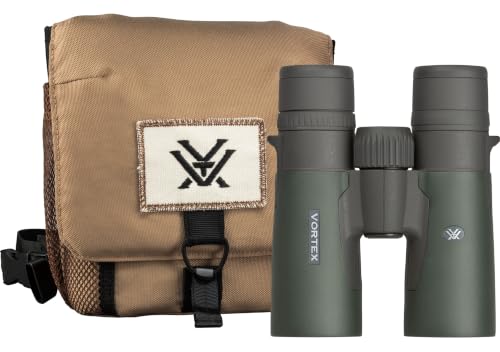

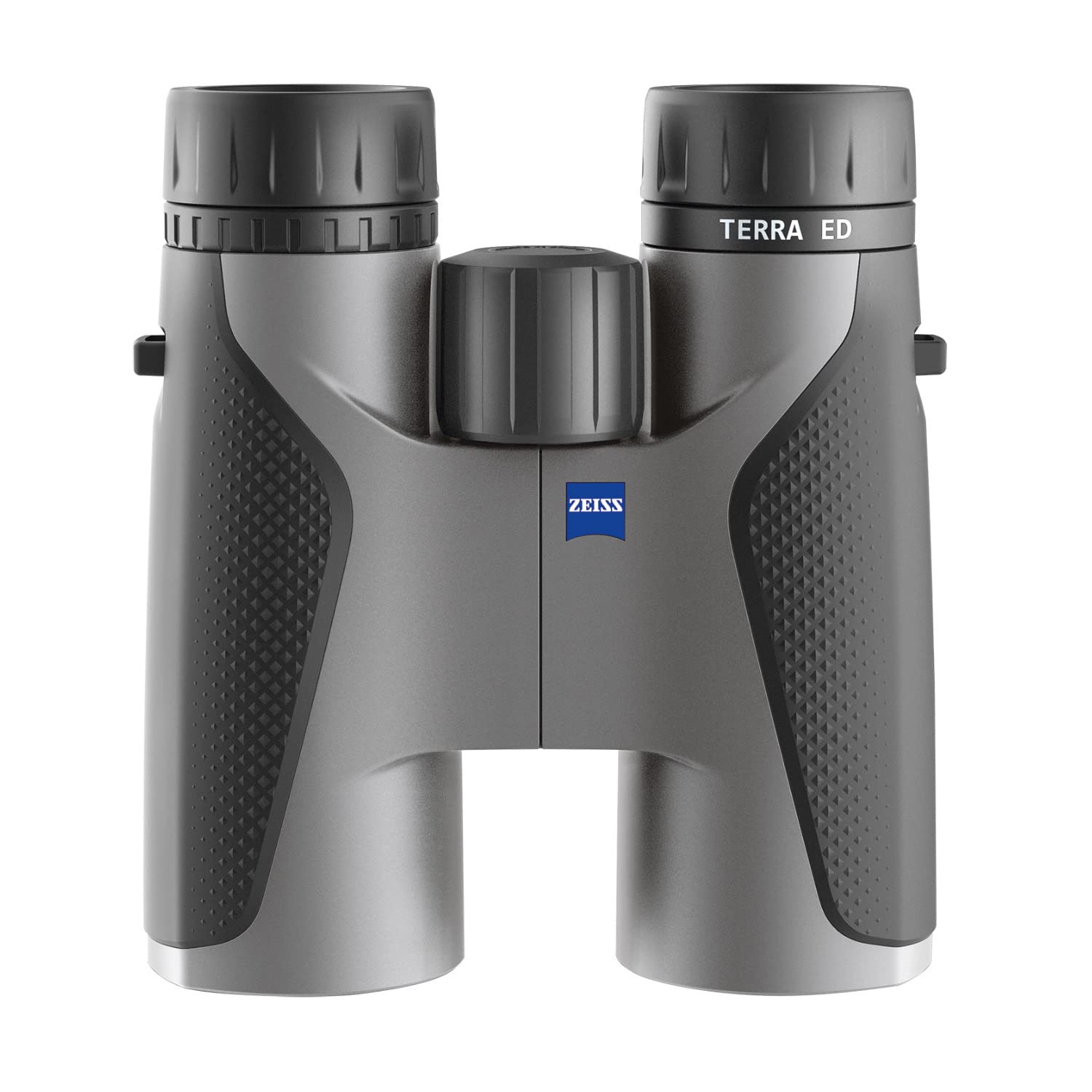

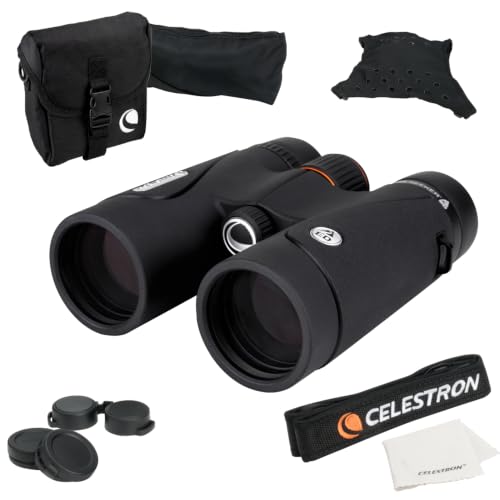


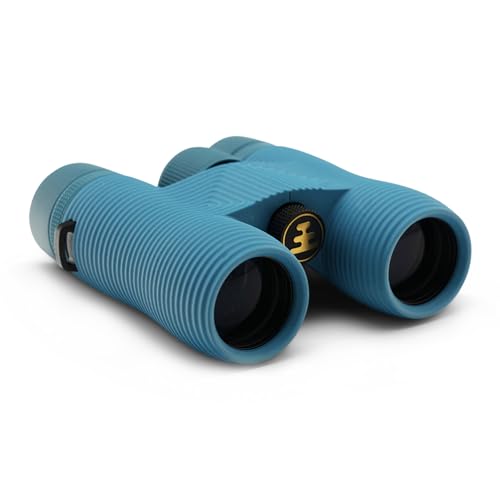

Who Should Buy Which Binoculars for Big Game Hunting?
Begin with the group below that sounds most like your season, before you compare glass or price.
Western Hunters Glassing Open Country
You glass from ridges and sage flats, often watching slopes a mile or more away for elk, mule deer or pronghorn. A 10x42 roof prism pair suits this work, helping you judge antler points at distance while you grid a hillside in sections. Long sessions reward a tripod adapter. For wider comparison, see our guide to the best rated binoculars for hunting.
Eastern and Timber Hunters in Thick Cover
You hunt whitetails or black bears where most game appears inside 200 yards and cover closes in fast. An 8x42 pair gives a wider field and a steadier image on a moving animal. Brightness matters more than power here because timber shade flattens detail.
Backcountry Hunters Counting Every Ounce
You climb with a pack for several days, so weight on your chest shapes how often you stop and look. A mid size pair around 8x32 or 10x32 trims ounces and bulk, though you give up some brightness at dawn. Choose this route if you travel far and mostly glass in decent light. For short walks from a truck, larger glass will serve you better.
Key Features to Compare
The best binoculars for big game hunting share traits that matter in the field, and each section below explains one through the choice you will make.
Magnification for Big Game Distances
Magnification tells you how much closer an animal appears, and 8 power and 10 power cover nearly every hunt well. Eight power is easier to hold steady, shows a wider area and hides hand shake after a climb. Ten power reveals more detail on antlers and body condition at long range, but it magnifies every tremor and narrows your view. Twelve power belongs mostly on a tripod. Pick 8 power for timber, 10 power for open ground.
Objective Lens Size and Exit Pupil at Dawn and Dusk
The second number in a rating such as 10x42 is the objective lens diameter in millimeters, and larger front lenses gather more light. Dividing lens size by magnification gives the exit pupil, so a 10x42 offers about 4.2 mm and an 8x42 about 5.25 mm. A larger exit pupil keeps the image brighter as light fades, when elk and deer move most. For dawn and dusk work, favor 42 mm or 50 mm lenses over smaller glass.
Field of View for Finding and Following Game
Field of view is the width of ground you can see at 1,000 yards, listed in feet or as an angle in degrees. A wider view helps you pick up an animal at the edge of your glass and follow moving game between trees or brush. Higher magnification usually narrows this width, so timber hunters may trade power for view. Compare this figure between models at the same magnification, where differences are real.
Glass, Coatings and Prism Design
Clear glass matters more than brand names, and two details tell you a lot. Extra low dispersion glass, often shortened to ED glass, reduces color fringing around antlers so edges stay sharp at distance. Fully multi coated lenses pass more light and cut glare when you glass toward a low sun. Roof prism designs keep the body slim for chest carry, while porro prism designs are bulkier but can offer strong depth perception for less.
Weatherproof Sealing and Fog Proofing
Big game seasons bring rain, wet snow and sharp swings when you step from a warm truck into cold air. Look for binoculars sealed with O rings and filled with dry nitrogen or argon gas, which keeps moisture out and stops inner lenses fogging. Prefer a pair rated for brief immersion over one called only water resistant. Rubber armor adds grip with gloves and softens knocks against rocks and packs.
Weight, Eye Relief and Focus Wheel Feel
Full size hunting binoculars often weigh about 24 to 32 ounces, and that load is easier with a padded chest harness, as our guide to the best binoculars harness for hunting explains. Eye relief of about 15 mm or more lets glasses wearers see the full view. Test the center focus wheel with gloves on, because a stiff wheel slows you on moving game.
Types of Binoculars for Big Game Country
Each size class trades brightness, weight and view width differently.
Compact Binoculars for Pack Hunts
Compact models pair lenses of about 25 mm to 32 mm with 8 or 10 power, and they slip into a jacket pocket or pack lid. They shine on scouting trips and archery hunts in thick cover. Their small exit pupil dims the view early and late, so treat them as a second pair, not your main dawn glass.
Mid Size Binoculars for Mixed Terrain
Mid size models use lenses around 32 mm to 36 mm and sit between pocket and full size glass in weight and brightness. They suit hunters who move between timber, fields and foothills on one trip. If budget decides the matter, see our guide to the best inexpensive binoculars for hunting for how lower price models handle these trade offs. For many eastern hunters, this is the sensible middle ground.
Full Size Binoculars for Open Country Glassing
Full size models carry 42 mm or 50 mm lenses and give the brightest view for long sessions from a ridge or tripod. They are right when judging game at distance decides whether you start a long stalk. The cost is weight and bulk, which matters on steep climbs. Hunters who mostly sit or drive between glassing points will notice the brightness more than the ounces.
Common Mistakes to Avoid
- Choosing 12 or 15 power for hand held use shakes the image until antler detail disappears.
- Buying tiny 25 mm lenses for dawn hunts gives a dim view when big game moves most.
- Ignoring field of view makes an animal hard to find in the glass after you spot it unaided.
- Skipping a chest harness lets binoculars swing and stay in your pack when you need them.
- Judging glass under bright store lights hides weak coatings that flare facing a low sun.
- Leaving the diopter unset blurs one eye all season and causes headaches on long glassing sessions.
Care and Maintenance of Hunting Binoculars
Simple habits keep hunting binoculars clear for many seasons.
- Clean lenses with a soft lens cloth or lens pen, never your shirt, because grit can scratch a coating.
- Blow loose dust off before wiping, since trapped particles cause most fine scratches.
- Store binoculars in a dry, padded case, not on a hot dashboard where heat stresses the seals.
- Keep lens caps on during travel and use the chest harness as protection, not just a strap.
- Rinse mud off with a damp cloth, then dry the binoculars fully before storing them.
- Check the hinge and focus wheel before each season, and seek service if the barrels no longer align.
FAQ
What magnification is best for binoculars on a big game hunt?
Ten power suits most open country hunts, while 8 power suits timber and close cover. A useful test is to glass a ridge after a brisk uphill walk, because your heart rate shows how much shake your hands add. If the image swims, drop to 8 power. Hunters glassing from a mount or fence post handle 10 power more easily than hunters standing free.
Which objective lens size is better for binoculars used at dawn and dusk?
A 42 mm lens is the safer choice for low light, and a 50 mm lens is brighter still if you can carry it. Lens quality can close much of this gap, so a well coated 42 mm pair can match a cheaper 50 mm pair in real twilight. If you walk far, a 42 mm pair balances brightness against weight best.
Can a smartphone replace binoculars for big game hunting?
No, a smartphone cannot replace binoculars for judging big game at distance. Phone zoom is mostly a digital crop that enlarges pixels rather than gathering detail, and the screen washes out in bright sun. Battery drain is another cost on multi day trips far from charging. A phone still earns its place for maps and notes.
How much should a first pair of big game hunting binoculars cost?
Expect to pay about $150 to $400 for a first pair with sealed construction, decent coatings and a solid warranty. Below that range, seals and focus wheels often fail first. Above it, you buy finer glass and lighter bodies. Set part of the budget aside for a harness and lens pen, because a protected pair you carry daily beats a costly pair left at camp.
Do big game hunting binoculars need a tripod adapter?
Many hunters benefit from one, even if they never planned to use a tripod. A steady mount lets you grid a slope in slow rows without arm fatigue, and it holds the glass on a bedded animal while you rest your eyes. Small screw in adapters fit most roof prism models with a threaded front socket. Practice at home so setup stays quiet in the field.
Our Verdict
Match magnification to your terrain first, choose a 42 mm lens if you hunt the dim edges of the day, and insist on sealed, fog proof construction. Carry the pair on your chest, and compare your short list against the product table above. Chosen that way, the best binoculars for big game hunting become the tool you trust when one brief look settles a long stalk.


