
Best Big Game Hunting Boots for 2026: Pick the Right One
Disclosure: We may earn a commission when you buy through links on this page, at no extra cost to you. As an Amazon Associate I earn from qualifying purchases. Learn more

Compare big game hunting boots by insulation, fit, traction and weight, so you can match a pair to your terrain, season and hunting style before you buy.
There is no single boot that suits every elk, deer or moose hunt. A warm boot built for sitting in snow can feel clumsy on a steep stalk, while a light boot can leave you cold on a long pack out. The best big game hunting boots for you match your season, terrain and hunting style, and the product table helps you weigh that match.
Start with how you actually hunt. Note the coldest weather you expect, the steepest ground you cross, and the heaviest load you may carry back to camp. Those answers drive every choice in this guide.


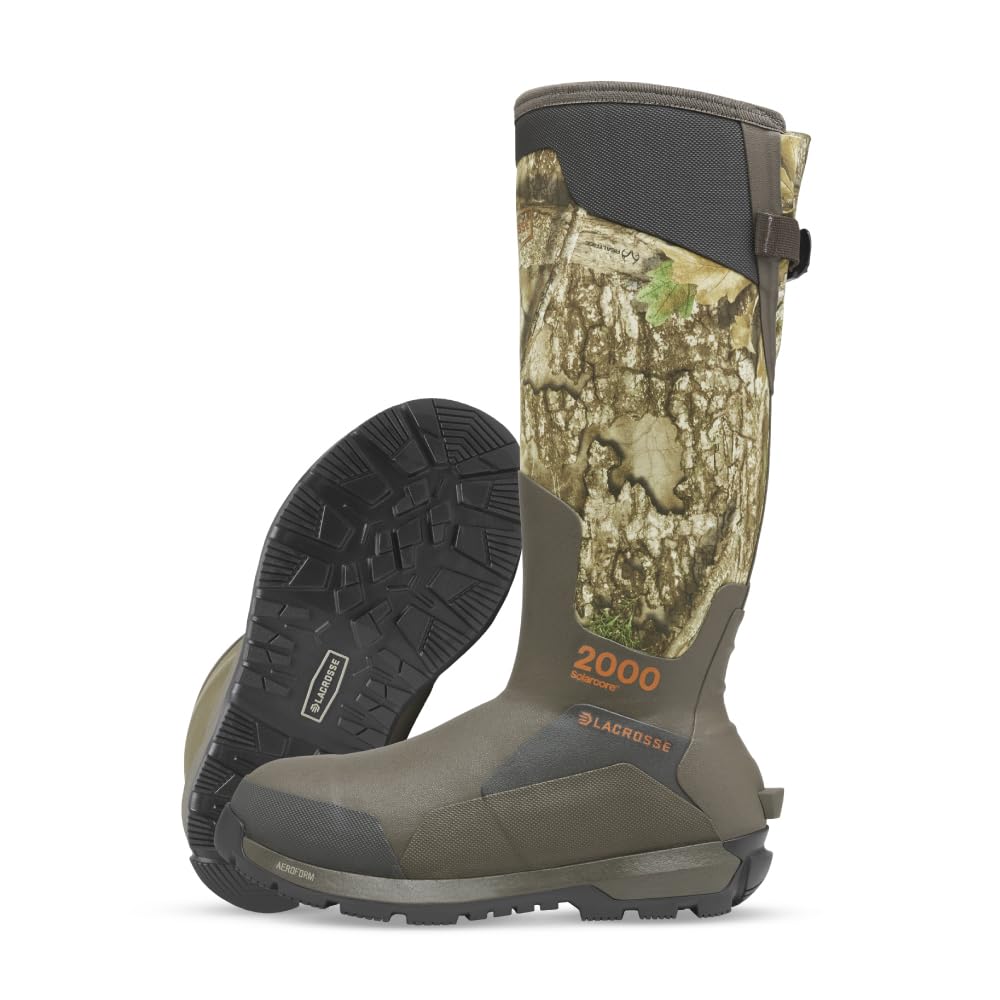
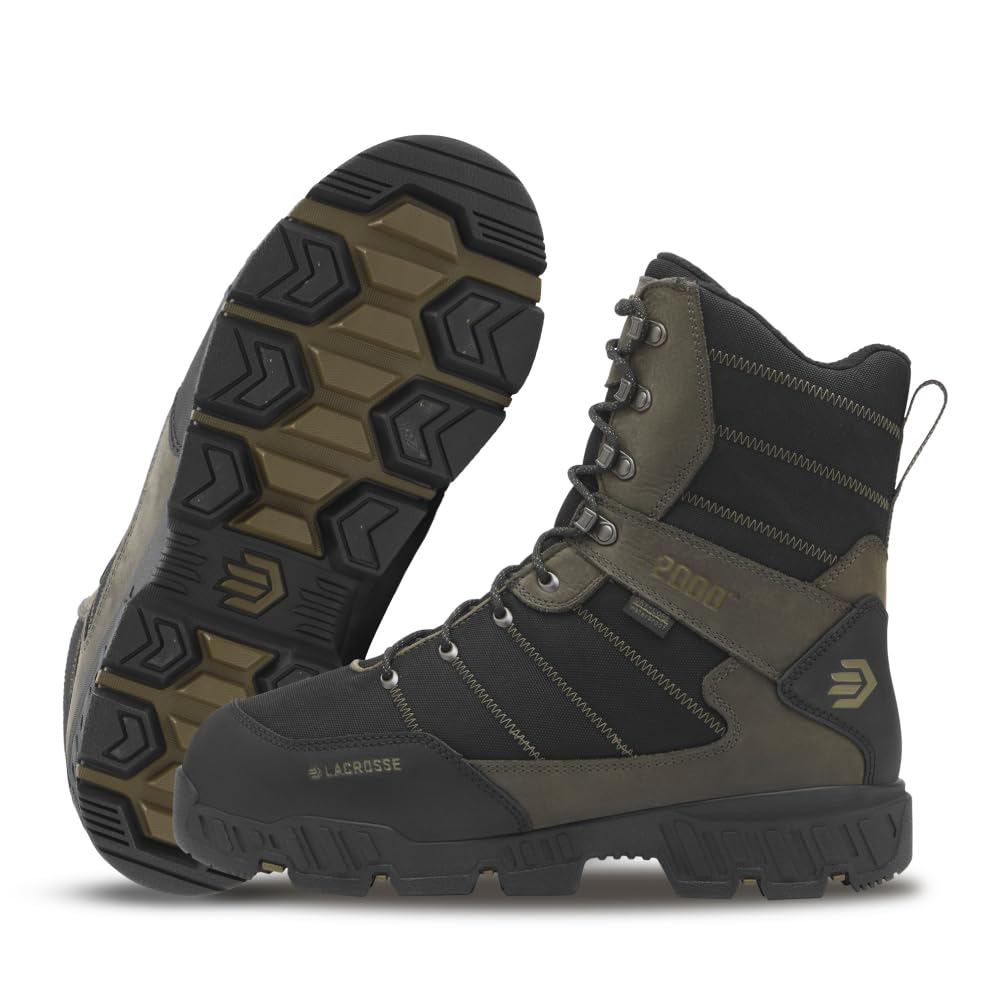


Who Should Buy Which Big Game Hunting Boots?
Pick by the hunt you repeat most often, not by the hardest hunt you can imagine. An extreme boot often stays in the truck.
Mountain Hunters Who Pack In Far and Glass Open Country
You climb early, sit to glass, then move again, often far from the road. Choose a mid weight boot with a stiff sole, strong ankle support and deep lugs for loose rock and mud. For the long spells watching slopes, see our guide to the best binoculars for big game hunting.
Late Season Hunters Who Sit Still in Cold Weather
You move slowly, then stay still for hours while cold creeps in from the ground. Choose warm insulation, a tall shaft that keeps snow out, and room for a thick wool sock. Scouting matters too, so see our guide to the best game cameras for hunting.
Weekend Beginners on a First Big Game Hunt
You need a boot for day hunts near home that does not demand a long break in or a large budget. Choose a versatile mid height pair with moderate insulation, a forgiving fit and a sole that grips wet trails. Simple and dry beats specialized here, because sore feet end more first hunts than modest gear does.
Frequent Hunters Who Cover Ground All Season Long
You hunt early and late, in rain, mud and snow, and your boots take hard use every week. Choose durable full grain leather or tough synthetic uppers and a sole you trust on wet rock. If your season also includes bird cover, see our guide to the best upland game hunting boots.
Key Features to Compare
Compare these factors in the same order each time when you weigh best big game hunting boots against your hunt, so a low price cannot hide a boot that fits poorly or freezes your feet.
Fit, Sizing, and the Toe Box
Fit decides more hunts than any other factor. Try boots late in the day, when your feet are slightly swollen, and wear the exact socks you hunt in. Your toes need room to spread and to clear the front on downhill ground, so look for a toe box that feels wide without letting your foot slide. Your heel should stay seated when you climb.
Insulation and Waterproof Protection
Insulation is rated in grams, and common hunting boots run from uninsulated to about 1000 grams for severe cold. Active hunters often choose about 200 to 400 grams, while still hunters in late season cold often choose about 600 to 1000 grams. A waterproof membrane such as Gore Tex keeps creek water and wet snow out and lets some sweat escape. In warm, dry country, an unlined boot may feel cooler and dry faster.
Boot Height, Ankle Support, and Stability
Shaft height shapes both support and protection. Boots of about 8 to 10 inches guard your ankle on side slopes, keep brush and snow out, and feel steadier under a heavy pack. Shorter boots feel lighter, which suits flatter ground. Stability also comes from a firm heel cup and a sole that resists twisting.
Outsole Traction and Stiffness for Loads and Slopes
The outsole is your only contact with mud, rock and snow. Deep, widely spaced lugs shed mud and grip soft ground, while firmer rubber can feel steadier on hard rock. A stiff shank and a firm midsole spread the pressure of sharp stones and support your arch when you pack out meat in quarters.
Cushioning, Arch Support, and Heel to Toe Drop
Cushioning softens long miles on hard trails, yet too much soft foam can feel unstable on side slopes. Look for a footbed that gives arch support without pushing hard into your arch. Heel to toe drop is often about 8 to 12 mm, which suits walking under load. If you train in low drop shoes, allow extra time to adapt.
Boot Weight and Durability of Materials
Weight on your feet costs more energy than the same weight on your back, so a lighter boot helps on long climbs. Still, the lightest boot is rarely the toughest. Full grain leather resists brush and rock for years, while synthetic panels cut weight and dry quickly but may wear sooner at flex points. Most pairs weigh about 3 to 5 pounds together.
Matching Big Game Hunting Boots to Season and Terrain
Season narrows your shortlist faster than brand does. For warm early hunts, choose an uninsulated or lightly insulated boot with breathable panels, because heat and sweat are your main problems. For wet mountain hunts, choose a waterproof membrane, mid level insulation and a stiff, deep lugged sole for mud, creek crossings and steep descents.
For cold late hunts with snow, choose a tall and well insulated boot with room for thick socks. On flat farmland or gentle timber, you can trade some stiffness and height for comfort and quiet steps. For a broader view of the category, see our guide to the best hunting boots and then return to the season test above.
Before your first hunt, wear your chosen pair on practice hikes with a loaded pack on ground like your hunting area. Pavement walks will not reveal heel slip, toe strike on descents or a cuff that rubs your calf.
Common Mistakes to Avoid When Buying Big Game Hunting Boots
Most boot regrets come from a short list of avoidable errors.
- Buying for price alone leaves you with thin insulation and a sole that fails on the first steep descent.
- Trying boots in the morning with thin socks gives a false fit that turns tight by the end of a hunt.
- Choosing a size too small lets your toes strike the front on downhill ground and can cost you a toenail.
- Picking heavy insulation for an active hunt makes your feet sweat, and damp feet chill fast once you stop.
- Hunting in new boots without break in hikes invites blisters miles from the road.
- Ignoring the return and warranty terms leaves you stuck with a leaking pair you cannot exchange.
Care and Maintenance for Big Game Hunting Boots
After each hunt, pull out the insoles, loosen the laces and let your boots air dry at room temperature away from direct heat, because strong heat can crack leather and damage glues. Brush off mud once it dries and rinse heavy dirt with plain water. Stuffing the toes with newspaper helps hold shape and draw out moisture overnight.
Condition leather uppers once they look dry or pale, following the maker directions, and reproof waterproof models when water stops beading on the surface. Check laces, eyelets and sole edges before each trip. Store boots upright in a cool and dry place, not in a sealed wet bag, because trapped moisture grows mildew and weakens linings.
FAQ
How often should I replace my big game hunting boots?
Replace big game hunting boots when the lugs are worn smooth, the midsole feels flat and harsh, or the lining leaks after cleaning and reproofing. A useful test is a shallow stream crossing near home. If your socks come out wet or your heel slides inside, plan a replacement before the season.
How long is the break in period for big game hunting boots?
The break in period for big game hunting boots is usually about 20 to 50 miles of walking, spread over several weeks. Stiff leather and tall shafts sit at the longer end of that range. Wear a new pair around the house first, then on short hikes, and tape any hot spot as soon as it appears.
How should big game hunting boots fit on downhill ground?
Big game hunting boots should hold your heel firmly while your toes clear the front when you walk downhill. Test this on a ramp or steep trail section, not only on flat floors. Lace the ankle section firmly for descents, because a locked heel prevents most toe strike. If your toes still hit, the pair is too short.
Are expensive big game hunting boots worth it for most hunters?
Expensive big game hunting boots can be worth it if you hunt steep country often, because higher prices usually buy tougher uppers, firmer support and soles that keep their grip longer. Occasional hunters on gentle ground gain less. Spend first on fit and insulation, with serviceable pairs often around $150 to $350.
Do I need waterproof big game hunting boots for every hunt?
No, you need waterproof big game hunting boots only when wet ground, snow or creek crossings are likely. In hot and dry country, a non waterproof boot vents sweat better and dries overnight in camp after a soaking. Many hunters own one waterproof pair for wet seasons and one lighter vented pair for warm hunts.
Can I wear big game hunting boots all day in camp and on trails?
Yes, you can wear big game hunting boots all day if the fit is right and the pair is fully broken in. In camp, loosen the laces and change into dry socks before an evening hunt. Feet swell over a long day, so a pair that felt snug at dawn should still feel comfortable at dusk.
Our Verdict
Choose fit first, then insulation for your coldest hunt, then traction and stiffness for your steepest ground. Those three checks remove most poor options. Use the product table above to compare the finalists against your season and terrain.
When you judge best big game hunting boots by those checks instead of by looks or price alone, you end up with a pair you can trust far from the road. Pick the boot that matches your real hunts, break it in early, and hunt with dry and steady feet.


