
Best Bike Helmet for Mountain Biking in 2026: Which One Fits the Way You Use It?
Disclosure: We may earn a commission when you buy through links on this page, at no extra cost to you. As an Amazon Associate I earn from qualifying purchases. Learn more
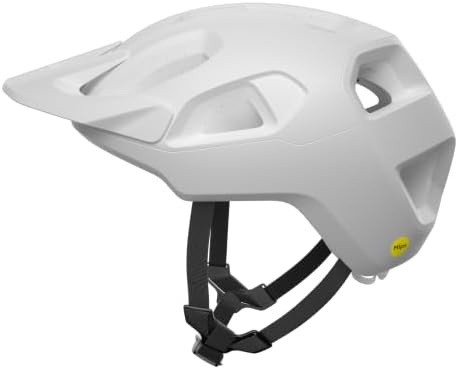
Compare the best bike helmet for mountain biking by fit, coverage, vents and safety ratings, with sizing, care and mistake tips to help you choose well.
There is no single helmet that suits every trail rider, because a slow climb in summer heat and a fast rocky descent ask for different things. The best bike helmet for mountain biking is the one that matches your trails, your speed and your head shape. This guide sorts the choices by use, so you can read the comparison table below with clear priorities.
Start with how you ride most weeks, not with the ride you dream about once a year. The right pick among best bike helmets for mountain biking balances certified protection, deep rear coverage, moving air on climbs and a fit that stays put on rough ground.
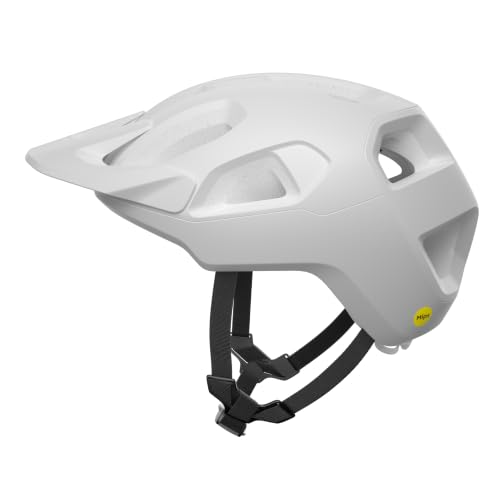


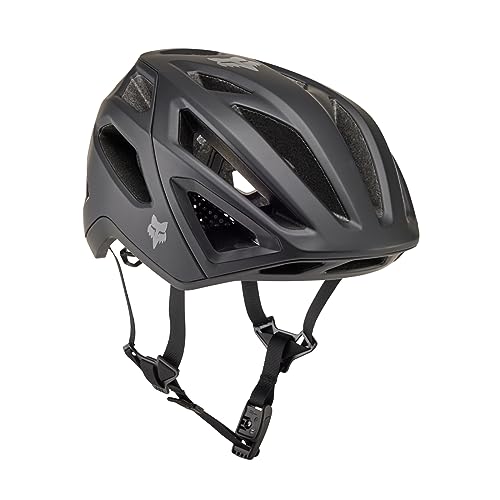
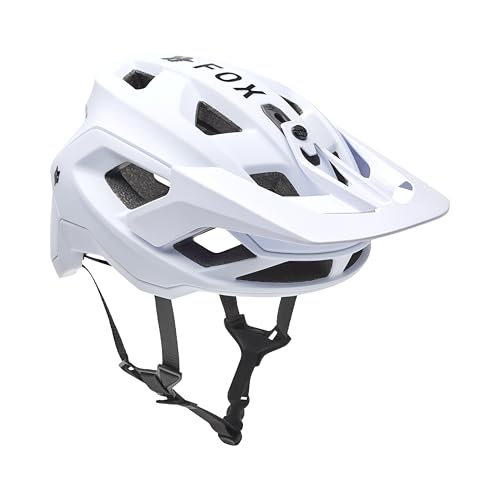

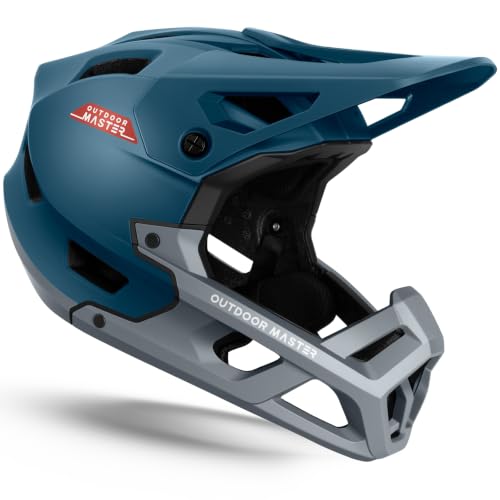
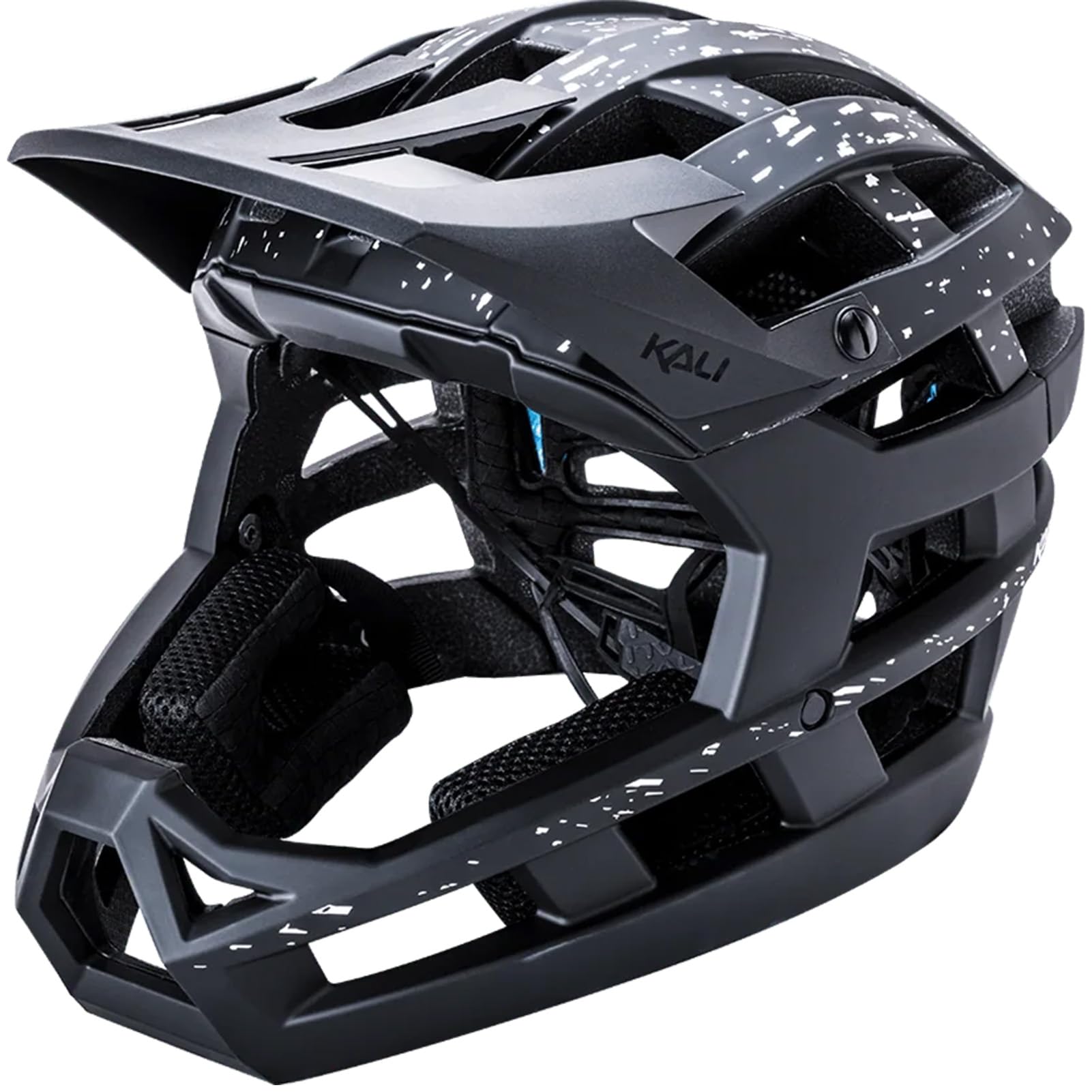
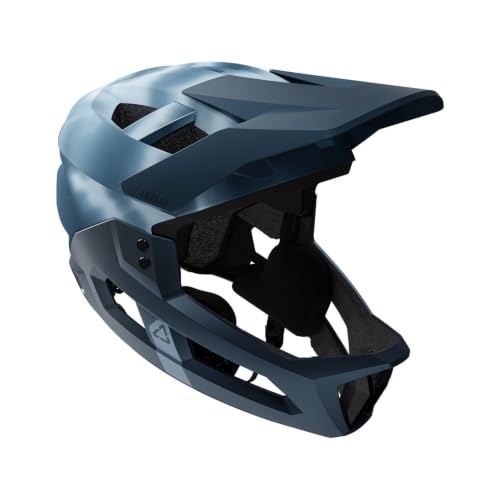
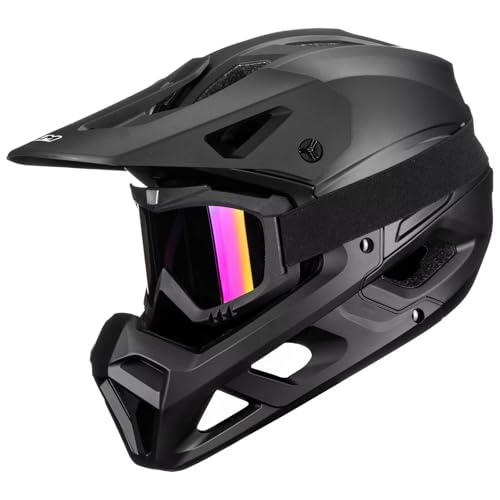
Who Should Buy Which Bike Helmets for Mountain Biking?
Pick by the riding you repeat most often. Speed and terrain change how much coverage you need and how much ventilation you can give up to get it.
Trail Riders Who Climb and Descend in the Same Ride
You earn your descents by pedaling up, so you need a helmet that vents well at low speed and still covers the back of your head on the way down. Choose a half shell trail helmet with a retention dial you can turn with one hand and a visor that lifts for goggles. If your whole setup is due an upgrade, see our guide to the best bike for mountain biking to match the helmet to the bike you ride.
Enduro and Downhill Riders on Faster, Rougher Descents
You ride steeper ground at higher speed, often with a lift doing the climbing, so coverage matters more than saving a few grams. Choose a full face helmet or a model with a removable chin bar, and check that it carries a downhill rating. Riders who focus on this style can also see our guide to the best mountain bike enduro helmet for a closer look at that category.
New and Weekend Riders on Easy Trails
You ride smoother paths and shorter loops, and you want gear that feels simple from the first outing. Choose a certified half shell helmet with a dial fit system and pads you can remove and wash. Spend on fit and comfort before extras, because a helmet you enjoy wearing is one you will put on for every short ride.
Key Features to Compare
Compare these factors in this order. When you shop for the best bike helmet for mountain biking, certification and fit come first, and style comes last.
Safety Certification and Rotational Impact Protection
Every helmet sold for cycling in the United States must meet the CPSC safety standard, so treat that label as the starting point rather than a bonus. Helmets built for downhill use may also meet ASTM F1952, a tougher standard that tests stronger impacts. Many trail helmets add a low friction liner such as MIPS, which lets the shell move slightly on the foam during an angled impact. That sliding motion is meant to reduce rotational forces that reach your head in angled falls.
Fit, Sizing and the Retention Dial
A helmet protects you only when it sits level and stays in place, so sizing deserves more care than any color choice. Most brands size by head circumference, commonly around 52 to 56 centimeters for a small, 55 to 59 for a medium and 58 to 62 for a large, though charts vary by brand. The retention dial at the back snugs the inner cradle. Try the helmet with the straps loose first, because the shell should feel even all around, without a hot spot at the forehead.
Coverage and Helmet Style, From Half Shell to Full Face
Trail half shell helmets extend lower at the back and above the ears than road helmets, guarding areas that rocks and roots threaten most. A full face helmet adds a chin bar that protects your jaw and teeth, at the cost of more heat and weight on climbs. Convertible models with a removable chin bar split the difference for riders who pedal up and race down. Trail helmets often weigh about 300 to 450 grams, while full face models can weigh about 750 to 1,100 grams.
Ventilation and Weight on Long Climbs
Vent count alone tells you little, because a few large ports over the brow and crown can move more air than many small holes. Internal channels guide air across your head and out the back, and they matter most at climbing speed, when no wind helps you. If most of your riding is slow climbing in heat, favor airflow, and if most is descending, accept a warmer helmet.
Visor, Goggles and Sunglasses Compatibility
A visor shades your eyes from low sun and deflects branches and roost from the rider ahead. Look for a visor that adjusts to two or three positions and lifts high enough to park goggles on the front between runs. Check that a rear grip holds a goggle strap without slipping, and that the sides leave room for sunglass arms. Riders comparing wording across guides may also see our guide to the best helmet for mountain bike fit and coverage advice.
Straps, Buckle and Shell Materials
Most mountain bike helmets fuse a thin polycarbonate shell to an expanded polystyrene foam liner in the mold, which keeps weight low and spreads impact force. Side straps should form a V shape under each ear, lie flat without twisting and meet a chin strap set so two fingers fit between strap and chin. Some buckles use a magnetic clasp that gloved hands can work. Full face models may use fiberglass or carbon shells, which raise the price.
How to Measure Your Head and Check a Mountain Bike Helmet Fit
Wrap a soft tape measure around your head about one inch above your eyebrows and ears, at the widest point at the back. Keep the tape level and snug, then measure twice and use the larger number. If you fall between sizes, try both, because an oval head in a round shell will rock side to side.
Put the helmet on level, with the front edge about one to two finger widths above your eyebrows, then tighten the dial until it feels snug all around. Shake your head gently with the chin strap open, and the helmet should barely move. Fasten the strap, open your mouth wide, and you should feel the helmet press down slightly, which shows the straps share the load. If it tips back or pinches one spot, try another size or shape. Riders at lift served parks may also see our guide to the best bike for downhill mountain biking when choosing coverage.
Common Mistakes to Avoid
- Buying by price alone can leave you with a helmet that fits so poorly you stop wearing it.
- Wearing the helmet tipped back exposes your forehead, the area a forward fall is most likely to strike.
- Guessing your size instead of using the chart leads to pressure points and headaches an hour into a ride.
- Leaving the chin strap loose lets the helmet shift or come off in a crash, when you need it locked in place.
- Keeping a helmet after a hard crash risks hidden foam damage that no longer absorbs a second impact well.
How to Make Your Bike Helmet Last Longer
Wash the pads and straps with mild soap and cool water, rinse well and let everything air dry out of direct sun, because sweat and sunscreen slowly weaken straps and foam. Clean the shell with water only, since strong solvents can damage the foam beneath it. Store the helmet in a cool, dry place rather than a hot car.
Replace your helmet after any crash that strikes your head, even when the shell looks fine, because the foam may be compressed in a way you cannot see. After a head impact, stop riding and watch for headache, nausea, confusion, slurred speech, unusual drowsiness or repeated vomiting, and seek urgent medical care if any appear. Talk with your clinician about personal needs after a head injury.
Bike Helmets for Mountain Biking: Your Questions Answered
What features matter most in a bike helmet for mountain biking?
Certification, fit and rear coverage matter most in a bike helmet for mountain biking. Beyond those three, look at how the sizes run, since a medium from one brand can fit like a large from another. Note the date printed inside the shell when you buy, because that date starts the clock on foam age.
How often should I replace a mountain bike helmet?
Replace a mountain bike helmet about every three to five years, sooner if the foam is cracked, the straps fray or the fit feels loose. Write the purchase month on a label inside the shell so the age is never a guess. Helmets kept in a hot garage age faster than helmets stored indoors.
What certifications should a mountain bike helmet carry?
A mountain bike helmet sold in the United States must carry CPSC certification, and downhill models should also meet ASTM F1952. Check for the sticker inside the shell rather than trusting the box. Riders who race should confirm the rules of their event, since some downhill events require the downhill standard by name.
Is a full face helmet better than a half shell helmet for trail riding?
A full face helmet protects more, but it is not automatically better for everyday trail riding. Heat builds fast inside a chin bar on slow climbs, and a rider who overheats may carry the helmet instead, gaining no protection at all. Save the full face for bike parks and races.
Can I keep using a mountain bike helmet after a minor crash?
No, retire a mountain bike helmet after any crash where it strikes the ground, even a slow one. Foam that has done its job once can look unchanged while its cells are crushed, and some makers offer a discounted replacement program if you register the purchase. Keep the receipt and serial number to make that process simple.
Final Thoughts
Start with certification, then fit, then coverage for your terrain, and let vents and weight settle the ties. Use the product table above to compare sizes, ratings and prices against the riding you do most. When the best bike helmet for mountain biking fits your head and your trails, you stop noticing it.


