
Best Beginner Mountain Bike Helmet for 2026: What Actually Matters Before You Buy
Disclosure: We may earn a commission when you buy through links on this page, at no extra cost to you. As an Amazon Associate I earn from qualifying purchases. Learn more
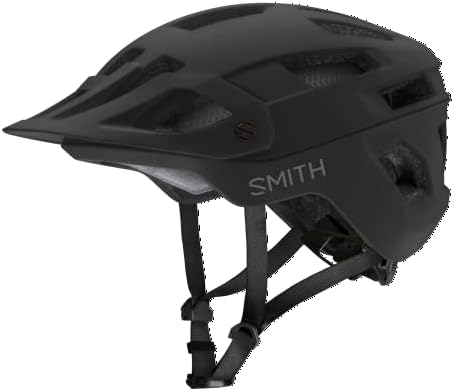
Compare the best beginner mountain bike helmet by fit, coverage, venting, and safety ratings, with a simple sizing checklist and care tips for new riders.
Your first trail helmet has one main job, and it is not matching your bike. A good best beginner mountain bike helmet choice protects the back and sides of your head, stays put when the trail gets rough, and feels comfortable enough that you never leave it in the car. This guide turns that into a simple checklist, so you can judge any model by fit, coverage, and safety ratings rather than by color or price alone.
Start with the comparison table below, then use the sections that follow to check sizing, venting, and visor style against your trails. If you are still choosing the bike itself, see our guide to the best beginner mountain bike first, then come back here with your head measurement in hand.

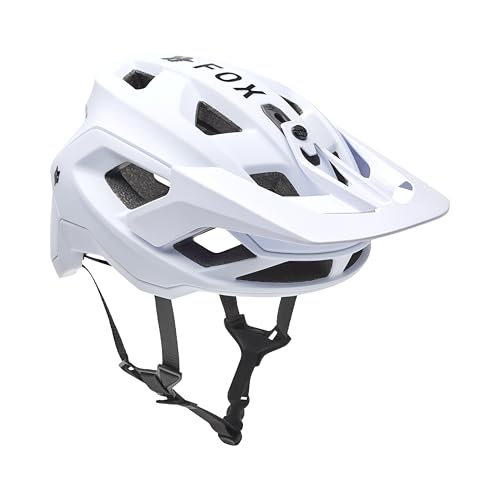


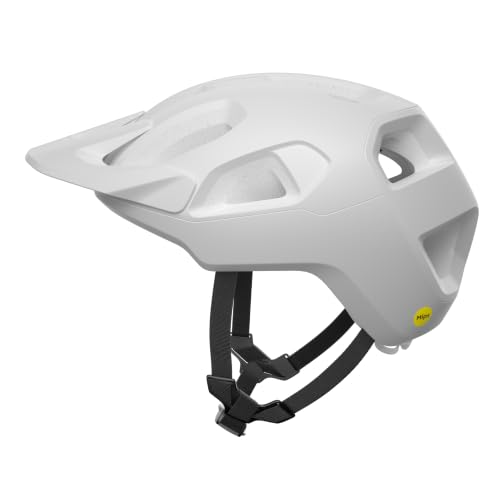

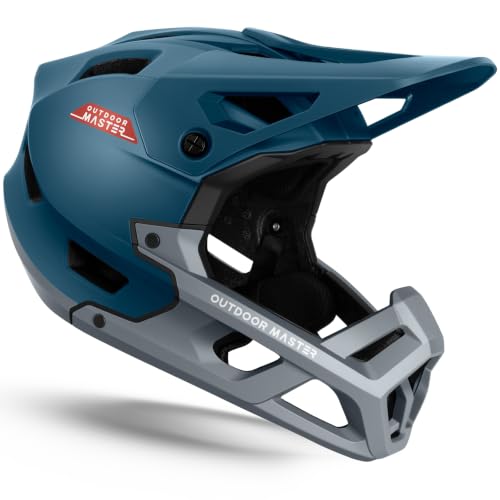

Who Should Buy a Beginner Mountain Bike Helmet?
Beginner helmets are built for learning, which means easy fit systems, generous coverage, and prices that do not sting when a crash ends the helmet life early.
New Trail Riders on Easy and Moderate Singletrack
You ride dirt paths and smooth singletrack at modest speeds, and your falls are most likely slow tip overs on climbs or corners. Prioritize extended rear coverage, a simple dial adjuster you can turn with one hand, and enough vents for summer climbs. A visor helps too, because low sun and loose branches are common surprises for new riders.
Riders Moving From Pavement to Dirt
A road style helmet you already own may meet the basic safety standard, but it leaves the back of your head more exposed and often lacks a visor. On dirt, rocks and roots sit where your head can land, so trail coverage is worth the switch. If most miles stay on pavement, a lighter cross country style works, and our guide to the best xc mountain bike helmet covers that faster end of the range.
Women Learning With Fit Needs Beyond Unisex Sizing
Many beginner models are unisex, yet head shape, hair volume, and a low ponytail can change how a shell sits. Look for smaller size runs, a cradle that leaves a gap at the back for hair, and straps that sit flat. For a full starter setup, see our guide to the best women's mountain bike for beginners.
Key Features to Compare
Check these five factors in order, because fit and certification matter more than vent counts or color.
Safety Certification and Rotational Liners
Every helmet sold for cycling in the United States must meet the CPSC standard, so treat that label as the entry ticket rather than a bonus. Some models add a low friction liner, often sold under the MIPS name, designed to let the shell move slightly during an angled impact and reduce rotational forces. After any crash, watch for confusion, repeated vomiting, a growing headache, slurred speech, or unusual drowsiness, and get urgent medical care if any appear. Talk with your clinician about personal head injury concerns.
Fit System and Sizing Range
Fit decides whether the protection sits where it should during a fall. Most beginner helmets cover a size band of about 4 to 6 cm per shell, with a rear dial that fine tunes the cradle. Turn the dial until the shell feels snug with no single pressure point, then shake your head firmly. The helmet should move your scalp slightly rather than sliding on its own, and the front edge should sit about two finger widths above your eyebrows.
Shell Coverage and Visor Design
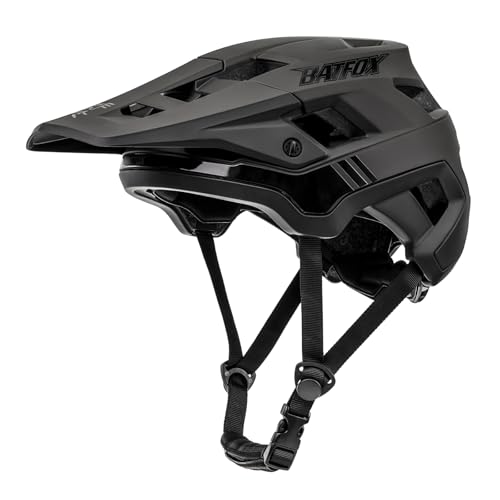
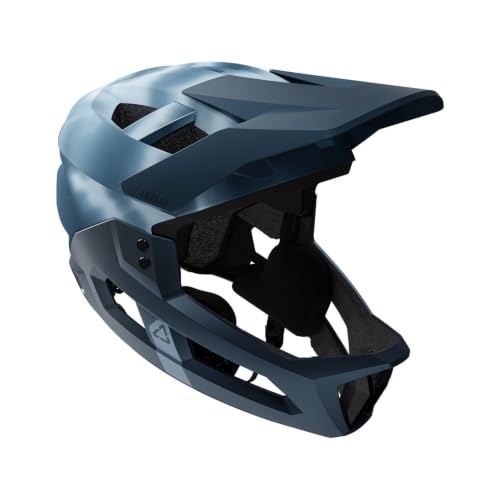
Trail helmets wrap lower at the back and sides than road models, guarding the areas most likely to strike the ground in a slow fall. The shell is usually in mold construction, with a thin outer layer bonded to the foam. A visor shields your eyes from sun glare and trail debris, and an adjustable visor that lifts gives goggles a place to rest on climbs. Fixed visors are simpler and fine if you always wear sunglasses.
Venting, Weight, and Comfort on Climbs
Beginner trail helmets commonly weigh about 300 to 400 grams and carry roughly 14 to 22 vents. More vents help on slow, hot climbs where airflow is weak, while very open shells can feel chilly on fast descents. Padding matters as much as vent count, because a liner that holds sweat and dries slowly will drip into your eyes by mid ride. Removable, washable pads are the practical choice.
Straps, Buckle, and Everyday Ease of Use
You will clip and adjust this helmet hundreds of times, so small annoyances grow fast. A quick release buckle that opens with one hand makes trailhead stops simpler, and strap splitters below your ears keep the webbing flat. Check that the chin strap snugs under your chin with about two fingers of space and does not loosen when you look down. Clear size printing inside the shell suits beginners best.
Trail, Cross Country, and Enduro Styles Compared
Instead of named picks, compare the three helmet styles a beginner is most likely to meet when shopping for the best beginner mountain bike helmet, because style decides coverage and weight more than brand does. A standard trail half shell is the sensible default, balancing rear coverage, venting, and a price often around $50 to $100. Cross country styles trim the visor and shell depth to save weight. Enduro styles add deeper coverage and stronger goggle fit for steep descents, and our guide to the best mountain bike enduro helmet explains that step up.
How to Measure Your Head and Run the Buyer Checklist
Sizing is the one step beginners most often guess, and guessing is easy to avoid. Wrap a soft tape around your head at the widest point, just above your eyebrows and ears, and note the measurement in centimeters. If you fall between sizes, choose the larger shell and take up space with the dial and thicker pads, since a pinching shell will not grow more comfortable.
- Measure your head and match it to the size range printed for the model.
- Confirm the CPSC label is present inside the shell.
- Check that the shell covers the back of your head below the crown.
- Turn the fit dial and shake your head to confirm no sliding.
- Clip the buckle and confirm two fingers fit between strap and chin.
- Try your usual riding glasses and confirm the arms sit without pressure.
- Decide whether a trail, cross country, or enduro style matches your trails.
Any helmet that fails one of these checks is wrong for you, even when a general roundup of the best helmet for mountain bike rates it highly, because fit is personal in a way vent counts are not.
Common Mistakes to Avoid
- Buying by hat size instead of a head measurement, so the shell slides in a fall.
- Wearing the helmet tipped back, which leaves the front of the head exposed.
- Leaving the chin strap loose enough to fit a whole hand, so the helmet can shift or come off.
- Choosing a motorcycle or skate helmet for trails, since each is certified for different impacts.
- Keeping a helmet after a crash because the shell looks fine, while the crushed foam no longer absorbs force.
- Storing the helmet on a car dashboard, where heat and sunlight age the foam.
How to Make Your Mountain Bike Helmet Last Longer
Rinse the pads and straps with mild soap and cool water after sweaty rides, since dried salt stiffens webbing and makes pads smell. Let the helmet air dry indoors away from direct sun, and never use solvents on the foam, because they can soften it without visible signs. Store it in a cool, dry place and inspect straps, buckle, and foam monthly. Most makers suggest replacement after about three to five years of regular use.
Mountain Bike Helmets for Beginners: Your Questions Answered
What makes a mountain bike helmet for beginners different from a regular bike helmet?
A beginner trail helmet differs mainly in coverage, fit help, and forgiveness on price. The shell wraps lower at the back, the dial and straps are simpler to set correctly without help, and the cost, often under $100, hurts less when an early crash ends its life. Many also print a small fit guide inside the shell.
What safety ratings beyond the basic standard should a beginner look for in a mountain bike helmet?
Look for independent star ratings from university helmet labs, which score models on impact performance beyond the pass or fail legal standard. A higher star score means the helmet performed better in that lab program, and the lists are public, so you can check a model before ordering.
Can a beginner wear glasses or goggles with a mountain bike helmet?
Yes, a beginner can wear glasses or goggles with most trail helmets, and trying them together before a first ride prevents pressure surprises. Sunglass arms should slide above the straps without lifting the shell. For goggles, check that the strap stays put on the back of the shell and the frame does not push the helmet up.
How much should a beginner spend on a first mountain bike helmet?
A beginner should expect to spend about $50 to $100 for a first trail helmet that meets the standard and fits well. Paying more mainly buys lower weight, more vents, and a finer fit dial, not a higher legal level of protection, since every model must pass the same test. Spend the savings on a second set of pads instead.
Can a beginner keep using a mountain bike helmet after a minor fall?
No, a beginner should not keep using a helmet after a fall in which it struck the ground, even when the outside looks untouched. The foam absorbs force by crushing in one impact, and that damage often hides under the shell. Many brands offer a discounted crash replacement program in the first years of ownership, so keep your receipt and ask before paying full price again.
Our Verdict
Measure your head, demand the CPSC label and low rear coverage, then let comfort break any tie, because the helmet you forget you are wearing is the one that protects you on every ride. Chosen that way, a best beginner mountain bike helmet needs no premium price or long feature list. Compare your shortlist against the product table above and order the size your measurement supports.


