
Best Bike for Downhill Mountain Biking in 2026: A Buying Guide
Disclosure: We may earn a commission when you buy through links on this page, at no extra cost to you. As an Amazon Associate I earn from qualifying purchases. Learn more
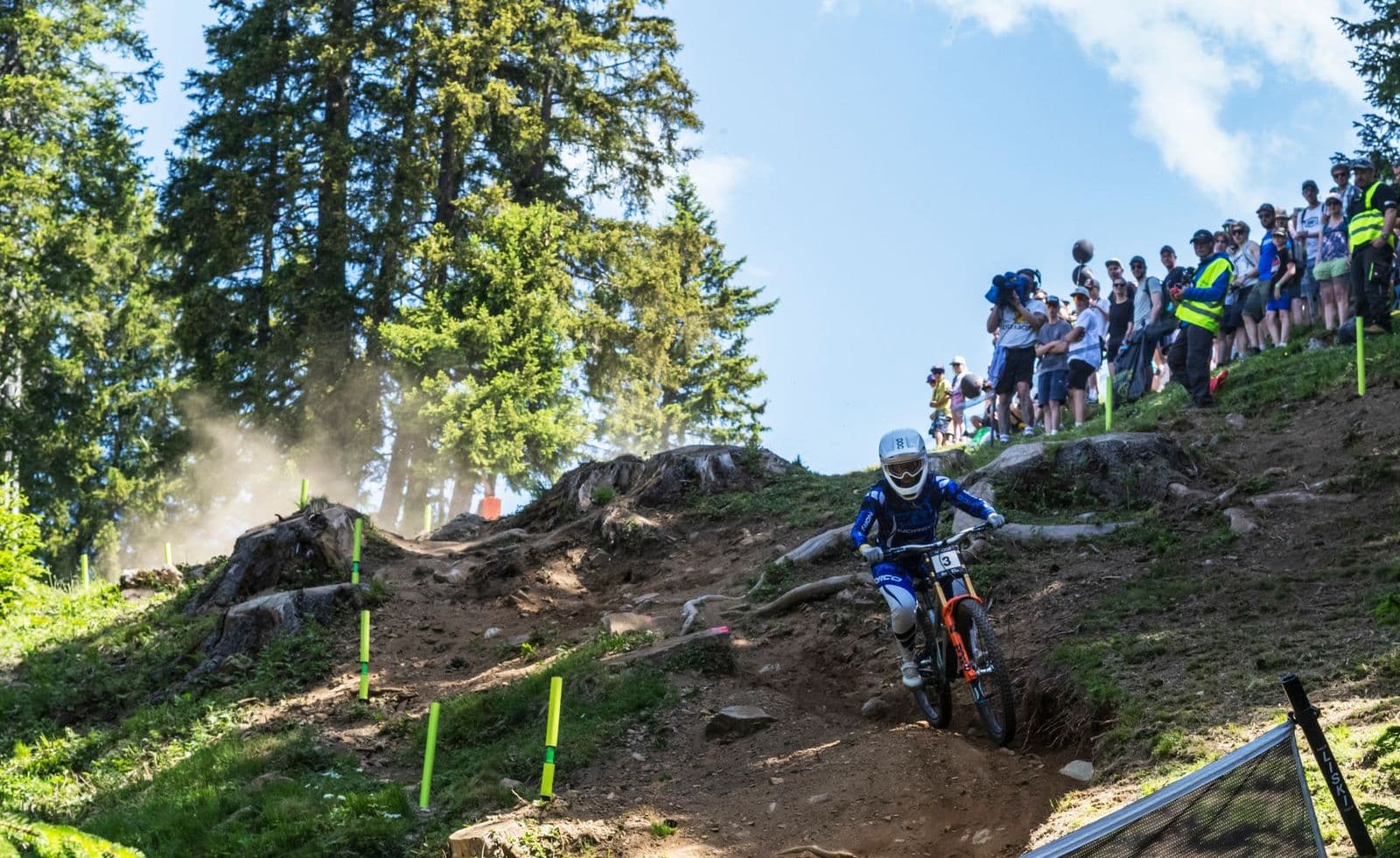
What to look for in the best bike for downhill mountain biking: suspension travel, geometry, brakes, wheels, fit and protective gear for your skill level.
Downhill riding asks more of a bike than almost any other cycling discipline: long suspension travel, strong brakes and a frame that survives drops at speed. The best bike for downhill mountain biking depends on the trails you ride, how you get back to the top, and your skill level. This guide explains the types, the features that matter, and the mistakes to avoid before you spend.
Specialist downhill bikes are built in small numbers and mostly sold through bike shops, so this guide focuses on how to judge a bike rather than on a shortlist.
Who Should Buy Which Type?
Beginners Trying Downhill
New downhill riders benefit from a forgiving bike with stable geometry and reliable brakes. A bike that feels planted builds confidence faster than a twitchy race machine. Start on gentle downhill trails and build skills gradually, with instruction if possible.
Weekend Trail Riders
Riders who descend on weekends need a bike that either shuttles well or climbs to the top, depending on local trails. Suspension that absorbs roots and drops matters, but so does weight for pedaling between runs. Balance descending ability with practical trail access.
Experienced Downhill Riders
Experienced riders push harder and need suspension, brakes and frame strength that match their speed. Geometry that suits steep terrain and strong wheels matter more than weight savings. Regular maintenance becomes essential at higher speeds.
Key Features to Compare
Suspension Travel and Tuning
Downhill bikes use long travel, often around 180 to 200 millimeters, to absorb drops and roots. Tuning changes how the bike feels over small bumps versus big hits. Learn basic rebound and compression settings, or ask a shop to set a baseline for your weight.
Geometry and Fit
Slack head angles and long wheelbases keep downhill bikes stable at speed, while reach affects your standing position. A bike that is too large feels hard to maneuver, and one that is too small feels twitchy. Sit on a few sizes if you can, and check standover clearance.
Brakes
Long descents generate enormous heat, so downhill braking needs powerful, heat resistant brakes with large rotors. Four piston brakes with 200 millimeter rotors are common. Learn brake modulation and avoid dragging the brakes constantly, which overheats them.
Wheels and Tires
Strong wheels and wide, grippy tires handle impacts and loose terrain. Lower pressure grips more but risks rim strikes. Tubeless setups reduce pinch flats and allow lower pressures.
Types Compared
Full Suspension Downhill Bikes
These are built for steep, rough descents, with long travel front and rear. They are heavy and inefficient uphill, but they descend with confidence. They suit dedicated downhill parks and shuttle trails.
Enduro Bikes
Enduro bikes balance climbing and descending, with somewhat less travel than pure downhill bikes. They suit riders who pedal to the top and descend hard, and they are versatile across varied trail networks.
Hardtail Trail Bikes
Hardtails lack rear suspension, so they teach line choice and cost less. They are less forgiving on rough terrain and tire riders faster, so they suit smooth trails and skill building rather than steep downhill parks.
Common Mistakes to Avoid
- Buying too much bike too soon. A race level downhill bike does not make a beginner faster or safer. Start with a forgiving setup and upgrade as skills grow.
- Ignoring brake maintenance. Downhill brakes wear fast. Check pads and rotors regularly, and bleed the brakes when levers feel spongy.
- Skipping protective gear. A full face helmet, gloves and knee pads are basic for downhill riding. Body armor adds protection as speed increases.
- Riding beyond your skill level. Downhill trails reward progression, not bravado. Walk sections beyond your skill and learn them gradually.
Planning for Everyday Use
Inspect the bike before every ride, checking tires, brakes, suspension bolts and wheel trueness. Clean and lubricate the chain after muddy rides, and service suspension at the maker's intervals. Wear a helmet on every ride, and ride with a partner on remote trails. If you crash hard or feel dizzy, confused or in severe pain, seek medical help promptly rather than riding on.
To compare related guides, see our guides to the best bike for mountain biking, the best downhill mountain bike, the best downhill mountain bike brakes and the best downhill mountain bike helmet.
Frequently Asked Questions
Do I need a downhill specific bike?
For gentle trails, an enduro or trail bike may be enough, but steep downhill parks reward a dedicated downhill bike with long travel and strong brakes. Match the bike to the steepest terrain you ride regularly, not to occasional features.
How much suspension do I need?
Downhill bikes typically offer 180 to 200 millimeters of travel, which absorbs drops and rough terrain. More travel helps on rough trails but adds weight. Enduro bikes with 150 to 170 millimeters suit mixed riding.
What size bike should I buy?
Size by reach and standover, not only by height charts. A bike that feels stable standing yet maneuverable in turns is right. Brands size differently, so sit on different sizes when you can.
Are downhill bikes hard to maintain?
They need more maintenance than casual bikes, especially brakes, suspension and wheels. Learn basic checks and budget for professional suspension service. Neglect shows up quickly on steep terrain.
Can beginners ride downhill parks?
Yes, most parks offer beginner trails and lessons. Start on easy lines, wear protective gear and progress gradually. Instruction speeds up learning and reduces crash risk more than any bike upgrade.
Final Thoughts
Match the bike to the steepest terrain you ride, put brakes, wheels and protective gear ahead of weight savings, and size the bike by reach and standover. Chosen that way, the best bike for downhill mountain biking lets you build skill safely and ride with confidence.


