Best Big Refrigerators for 2026: Matching the Right Model to Your Routine
Disclosure: We may earn a commission when you buy through links on this page, at no extra cost to you. As an Amazon Associate I earn from qualifying purchases. Learn more
Best big refrigerators for busy families, small kitchens, and serious cooks. Learn capacity, layout, energy use, and sizing before you buy.
There is no single model that suits every household, because best big refrigerators differ in layout, capacity, and daily habits they serve best. A family that cooks every night needs different storage than a household that shops once a week or entertains often. The product table can help you line up the main options side by side before you dig into the details.
This guide matches refrigerator types to real routines, so you can skip features you will never use and focus on the ones that make daily life easier. You will learn how to size a unit for your kitchen, which layouts suit which cooks, and which common mistakes push buyers toward a fridge that looks great but works poorly.

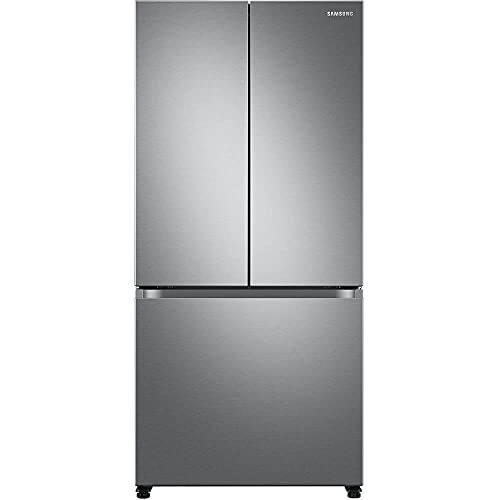
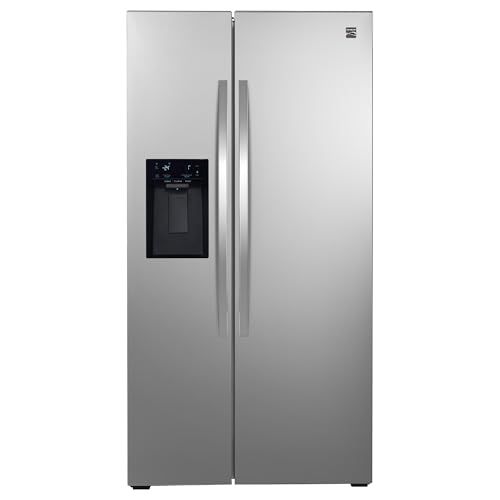
Who Should Buy the Best Big Refrigerators?
Start with how your household actually eats, shops, and cooks. A big refrigerator is a daily tool, so the right one should fit your routine, not just your kitchen wall. The groups below cover the most common routines, and most households will recognize themselves in one or two of them.
For Busy Families Cooking Every Day
Daily cooks need wide shelves, deep door bins, and a freezer layout that keeps weeknight ingredients within reach. Large capacity helps, but organization matters just as much, since a huge box with poor shelving still hides food at the back. Look for adjustable shelves, clear bins, and a layout that puts fresh food at eye level. If your household cooks in batches, extra freezer space for prepped meals is worth prioritizing over fancy extras.
For Small Kitchens and Apartments
A big refrigerator in a small kitchen must earn its footprint, so measure doorways, hallways, and the final spot before you fall in love with a model. Counter depth designs sit closer to cabinets and open up walkways, though they usually give up some interior depth. Choose a layout that opens without blocking traffic, and check that doors swing fully with room to pull out drawers. In tight spaces, a well organized medium large unit often works better than the largest unit you can squeeze in.
For Serious Home Cooks
Serious cooks benefit from precise temperature control, separate zones for produce and drinks, and sturdy shelving that holds heavy pots and trays. A convertible compartment can switch between fridge and freezer duty as menus change through the seasons. Look for consistent cooling across shelves, since hot spots spoil herbs and wilt greens faster. Durable materials and easy to clean surfaces matter too, because a working kitchen fridge gets wiped down often.
For Occasional Users on a Budget
Occasional users who eat out often or shop in small amounts can skip premium features and focus on reliable cooling and sensible size. A simpler layout with fewer gadgets leaves less to break and less to clean. Spend your budget on capacity that matches your shopping habits and on a finish that suits your kitchen, rather than on extras you will rarely touch. Even a basic large fridge should keep steady temperatures and offer shelves you can adjust as needs change.
Key Features to Compare
Once you know your routine, compare features in the order that affects daily use. Capacity and layout come first, followed by cooling control, energy use, and the small details that make a fridge pleasant to live with. Use the product table above to compare options, then read the details below to judge each feature on its own merits.
Capacity and Household Size
A common rule suggests about 4 to 6 cubic feet per person, but shopping habits matter more than headcount alone. Households that buy in bulk or cook in batches need more room than households that shop every few days. Remember that advertised capacity includes freezer space, so check the fresh food share separately. A fridge that looks huge on paper can still feel cramped if the fresh section is small or poorly arranged.
Measuring for Size and Portability
Measure height, width, and depth of the final spot, then add clearance for ventilation and door swing. Measure every doorway and hallway on the delivery path too, since a fridge that fits the kitchen but not the front door helps no one. Note the weight and whether your floors and stairs can handle delivery, especially for upper floor kitchens. A slightly smaller unit that arrives safely beats a larger unit that cannot reach its spot. For tight fits, our counter-depth refrigerator sizing guide goes deeper on measurements.
Temperature Control and Cooling Zones
Separate cooling zones keep produce crisp, drinks cold, and frozen food steady without forcing one temperature on everything. Dual evaporator designs reduce odor transfer between fridge and freezer, which keeps ice and stored food tasting fresh. Look for controls that are easy to reach and read, and for settings that hold steady when the kitchen warms up. Consistent temperature matters more than a long feature list, since steady cooling protects food quality day after day.
Configuration
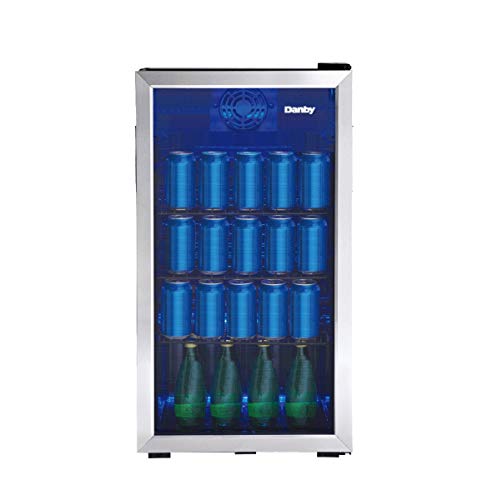
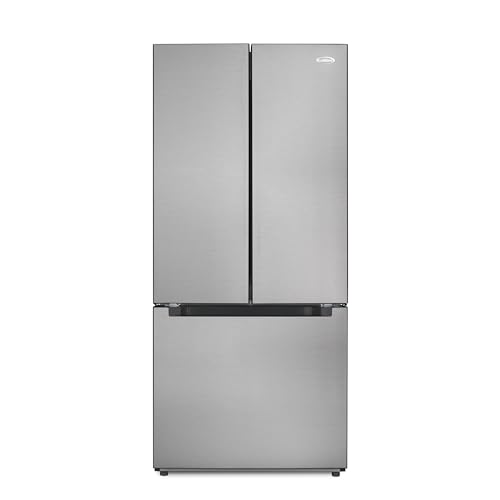
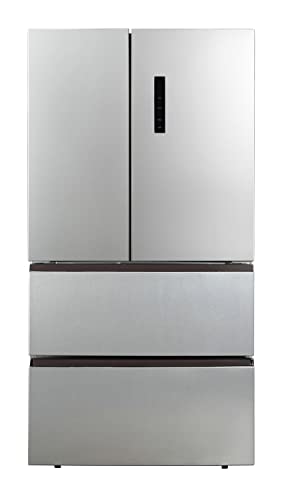
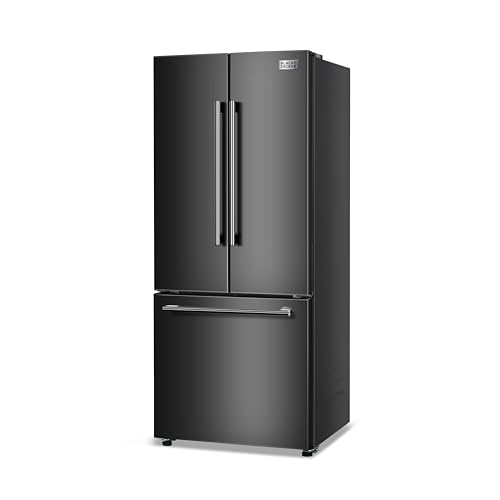
French door models put fresh food at eye level and suit cooks who reach for produce often, while side by side models suit narrow kitchens with limited door swing. Top freezer models cost less and suit budget buyers, while bottom freezer models put fresh food higher and suit people who dislike bending for daily items. Each layout trades access against capacity, so try the door and drawer motion in person when you can. If your household entertains often, see our guide to best beverage refrigerators for drink storage ideas that keep the main fridge free.
Energy Efficiency and ENERGY STAR
Energy use is listed in kilowatt hours per year, and that number translates directly into running costs over the life of the fridge. ENERGY STAR rated models usually use less power than standard models of similar size, which adds up over ten or more years. Larger fridges naturally use more energy, so compare models of similar capacity rather than chasing the lowest number alone. Good door seals, steady temperatures, and a spot away from ovens and direct sun also help keep energy use down.
Common Mistakes to Avoid When Buying Big Refrigerators
- Judging by price alone, which can leave you with poor shelving or weak cooling.
- Ignoring capacity and household size, which leads to a fridge that is always overstuffed or half empty.
- Buying too large for the kitchen, which blocks walkways and strains door hinges.
- Skipping delivery measurements, which can turn delivery day into a costly return.
- Overlooking the warranty and service coverage, which matters most when cooling fails.
Tips to Get the Most From Your Big Refrigerator
Keep the fridge at 37 degrees Fahrenheit and the freezer at 0 degrees Fahrenheit for steady storage. Vacuum condenser coils twice a year, since dust buildup forces the unit to work harder and use more energy. Leave airflow space around the unit so heat can escape, and avoid pushing the fridge tight against walls or cabinets.
Unplug the unit before any maintenance, follow the manufacturer's instructions, and call a qualified technician if you are unsure about wiring, coolant, or sealed parts. For households that cook for many people, our guide to best refrigerators for big families offers more layout ideas, and best large refrigerators for big families covers larger capacity options. If a second unit sounds useful, best garage refrigerators explains garage ready features and temperature limits.
FAQs
How much electricity does a big refrigerator use?
A big refrigerator typically uses several hundred kilowatt hours per year, with the exact number depending on size, age, and efficiency rating. Check the yellow energy guide label for the rated yearly use, then multiply by your local electricity rate for a rough yearly cost. Door seals, kitchen temperature, and how often doors open all shift real use away from the label. Keeping coils clean and avoiding overstuffing helps the unit run closer to its rated efficiency.
Can I put a big refrigerator in the garage?
You can put a big refrigerator in the garage only when the model is rated for garage temperatures, since extreme cold and heat strain compressors. Standard fridges may stop cooling properly in freezing weather or run constantly in summer heat, which can spoil food and shorten the unit life. Check the maker temperature range before buying, and choose a garage ready design when your garage swings widely through the seasons. Insulation and shade help, but they do not replace a proper temperature rating.
How long should a big refrigerator last?
A big refrigerator often lasts ten to fifteen years with regular care, though compressors, seals, and fans wear at different rates. Cleaning coils, replacing worn door seals promptly, and keeping temperatures steady all extend service life. Frequent power surges, poor ventilation, and overloaded shelves can shorten it instead. When repairs cost close to replacement value or cooling becomes uneven despite basic care, replacement usually makes more sense than another repair.
What size big refrigerator do I need for my family?
Start with about 4 to 6 cubic feet per person, then adjust for shopping and cooking habits rather than treating the rule as exact. Bulk buyers and batch cooks need more room, while households that eat out often can manage with less. Measure your kitchen and delivery path first, since the right size must fit both. Finally, compare fresh food capacity separately from freezer capacity, because a large total can still hide a cramped fresh section.
Are counter depth refrigerators worth it?
Counter depth refrigerators are worth it when a flush look and open walkways matter more than maximum interior depth. They sit closer to cabinets, which suits small kitchens and open plan spaces where a deep unit would jut into traffic. The trade off is less storage depth, so large trays and pizza boxes may fit awkwardly. Measure your largest items before choosing, and pick standard depth when storage space matters more than appearance.
Final Thoughts
Capacity, layout, and steady cooling are the three factors that matter most, and the best choice follows your routine rather than a feature list. Measure carefully, compare fresh food space separately from freezer space, and favor organization over raw size. Use the product table above to narrow your options, then pick from the best big refrigerators that fit your kitchen, your shopping habits, and your budget without forcing daily compromises.