Best Beverage Centers: A First Time Buyer's Guide for 2026
Disclosure: We may earn a commission when you buy through links on this page, at no extra cost to you. As an Amazon Associate I earn from qualifying purchases. Learn more
First-time buyers can pick the best beverage centers by learning size, cooling, shelf layout, noise and price basics.
Shopping for the best beverage centers for the first time is easier once you know the basic terms. A beverage center is a compact cooling unit made to store drinks at a steady temperature. This guide explains size, cooling, storage, and price in plain terms, so you can compare options before you look at the product table.
You do not need to learn every technical detail to make a good choice. Focus on the space you have, the drinks you store most often, and how much noise and upkeep you will accept. The sections below walk through each point in order, with rookie mistakes and setup tips at the end.


Best Beverage Centers 101: The Basics
A beverage center cools drinks in a small cabinet, often with shelves or racks that hold cans and bottles upright. Most models use a compressor or a thermoelectric system, and each type has a different mix of cooling power, noise, and price. Compressor models usually cool more strongly and handle warm rooms better. Thermoelectric models are often quieter but may struggle in a hot garage; knowing that basic split helps you match the unit to your room.
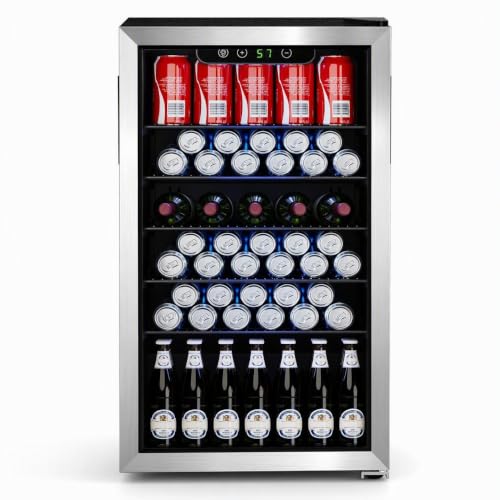
Key terms include capacity, temperature range, and shelf layout. Capacity is often given in cans, bottles, or cubic feet, so compare the same measure across models. Temperature range tells you how cold the unit can run, while shelf layout tells you whether tall bottles fit. A unit that looks large on paper may still waste space if the shelves do not fit your drinks.
Key Specs Explained in Plain English
Read each spec as a practical question about your home. A number only matters if it changes how the unit fits, cools, or lasts in your space.
Intended Use and Who It Is For
Think about who will use the unit and where it will live. A small unit suits a home office or a bedroom corner, while a larger unit suits a kitchen, a bar area, or a game room. If guests use it often, easy access and clear shelves matter more than a fancy display. If it sits in a quiet room, low noise matters more than fast cooling; match the unit to daily use, not to a feature list alone.
Size, Weight, and Fit for Your Space
Measure the width, depth, and height of your space, and leave room for airflow around the unit. Check the door swing, because a door that hits a wall or a cabinet can make daily use awkward. Also check the weight if you plan to place the unit on a counter or a shelf. A freestanding model may need more side clearance than a built in model, so read the maker guidance for your model; measure twice, and do not guess from a photo.
Maintenance and Long Term Costs
Long term costs include power use, cleaning supplies, and parts such as shelves or door seals. A unit with a simple interior is easier to wipe down and less likely to trap spills. Check whether shelves remove easily and whether the drain or drip area is easy to reach. Energy use varies by size and cooling type, so compare the maker energy guidance for models in your shortlist; a low sticker price can cost more over time if power use or repairs run high.
Warranty and Customer Support
Look for a clear warranty that states what is covered, for how long, and how to get help. A short warranty on the cooling system is a warning sign, because that system does most of the work. Check whether support is easy to reach and whether parts are available in your area. Keep the receipt and the model number in a safe place; good support matters most when a unit stops cooling or a door seal fails.
Safety and Certifications
Follow maker electrical safety guidance and local rules for installation and use. Plug the unit into a grounded outlet that matches the maker rating, and do not use a damaged cord or an overloaded power strip. Keep the unit away from water sources that could splash it, and keep small parts and packaging away from children. Look for a safety certification mark that fits your country; if anything about the wiring or placement seems unclear, ask a qualified electrician before use.
Price vs Value
Budget models, often about $150 to $300, tend to be smaller and simpler, with basic shelves and a limited temperature range. Mid range models, often about $300 to $600, may add better shelving, a wider temperature range, or quieter operation. Premium models above that range may offer larger capacity, a built in look, or a dual zone layout. For a closer look at related cooling options, see our guide to the best beverage refrigerators; compare value by fit, cooling, noise, and upkeep, not by price alone.
Rookie Mistakes to Avoid
- Buying by can count alone, without checking whether tall bottles fit the shelves.
- Skipping measurements for door swing and airflow clearance around the unit.
- Placing a quiet thermoelectric model in a hot garage where it cannot keep up.
- Ignoring noise level for a unit that will sit near a bedroom or a work area.
- Forgetting long term costs such as power use, seals, and replacement shelves.
Getting Started: Setup and First Use
Read the manual before first use, and let the unit sit as the maker directs after delivery. Clean the interior with a mild cleaner, dry it fully, and inspect the shelves and door seal for damage. Place the unit level, with the clearance the maker asks for, and plug it into the correct outlet. If you want a simpler way to chill drinks for a party, see our guide to the best beverage tubs; let the unit reach its set temperature before you load it with warm drinks.
Frequently Asked Questions
How long does a beverage center last?
A beverage center often lasts several years, but the exact life depends on build quality, use, and care. Units that run in a hot room or with blocked airflow tend to wear out sooner. Regular cleaning, a good door seal, and steady power help the cooling system last longer. Warranty length can hint at maker confidence, but it does not guarantee a set lifespan; keep the manual and service contacts handy in case cooling weakens over time.
How do I maintain a beverage center?
Clean spills promptly, wipe shelves and walls with a mild cleaner, and dry the interior before restocking. Check the door seal for cracks or gaps, because a weak seal lets warm air in and raises power use. Keep vents clear of dust and clutter, and do not overload shelves beyond the maker limit. If frost or water builds up, follow the maker defrost and drain steps; simple routine care prevents most common problems and keeps drinks at a steady temperature.
Are expensive beverage centers worth it?
A higher price can be worth it when it buys a real benefit for your space, such as larger capacity, quieter operation, or a dual zone layout. It is not worth it when the extra cost only buys a fancy finish or a feature you will never use. Compare models by fit, cooling range, noise, shelf layout, and warranty. If a mid range model meets all of those needs, it often offers better value; pay for function first, and treat looks as a bonus.
How much should I spend on a beverage center?
Your budget should follow your space, capacity needs, and noise tolerance, not a single price rule. Small and simple units often start around $150 to $300, while larger or quieter units often run about $300 to $600 or more. Set a ceiling before you shop, then compare only models inside that range. Leave room in the budget for delivery, setup, and any small extras such as a shelf or a liner; a clear ceiling keeps a feature list from pushing you past what you need.
What features matter most when buying beverage centers?
The features that matter most are fit, cooling range, shelf layout, noise, and ease of cleaning. Fit decides whether the unit works in your room at all, while cooling range decides whether it holds your drinks at the right temperature. Shelf layout decides whether cans and tall bottles both fit without wasted space. Noise matters in quiet rooms, and easy cleaning matters for daily use; warranty and support round out the list, because they protect your purchase over time.
Our Verdict
Start with your measurements, your drink mix, and your noise tolerance, then compare cooling type, shelf layout, and warranty. A unit that fits well and cools steadily will serve you better than a larger unit with features you do not use. Choose the best beverage centers for your space by that short list, and use the product table to compare your final options side by side.