Best Bidet for Travel in 2026: Types and Packing Tips
Disclosure: We may earn a commission when you buy through links on this page, at no extra cost to you. As an Amazon Associate I earn from qualifying purchases. Learn more

Bottles and battery sprayers compared by capacity, nozzle and leak control to help you pick the best bidet for travel that fits your bag.
Away from home, you lose control over the bathroom. Paper may be rough, scarce, or missing, and the fixed bidet you rely on at home stays behind. Choosing the best bidet for travel solves that problem with a small bottle or compact powered unit you fill, aim, and pack again in minutes. This guide compares the main travel types, the features that change how each one feels, and the fit checks that matter on the road, starting with the product table below.
Travel adds needs that a home model never faces. Your bidet must work without plumbing, pack without leaking, and stay discreet in a shared bathroom. It should also be easy to refill from almost any sink and gentle enough for days when your skin already feels irritated from long journeys.


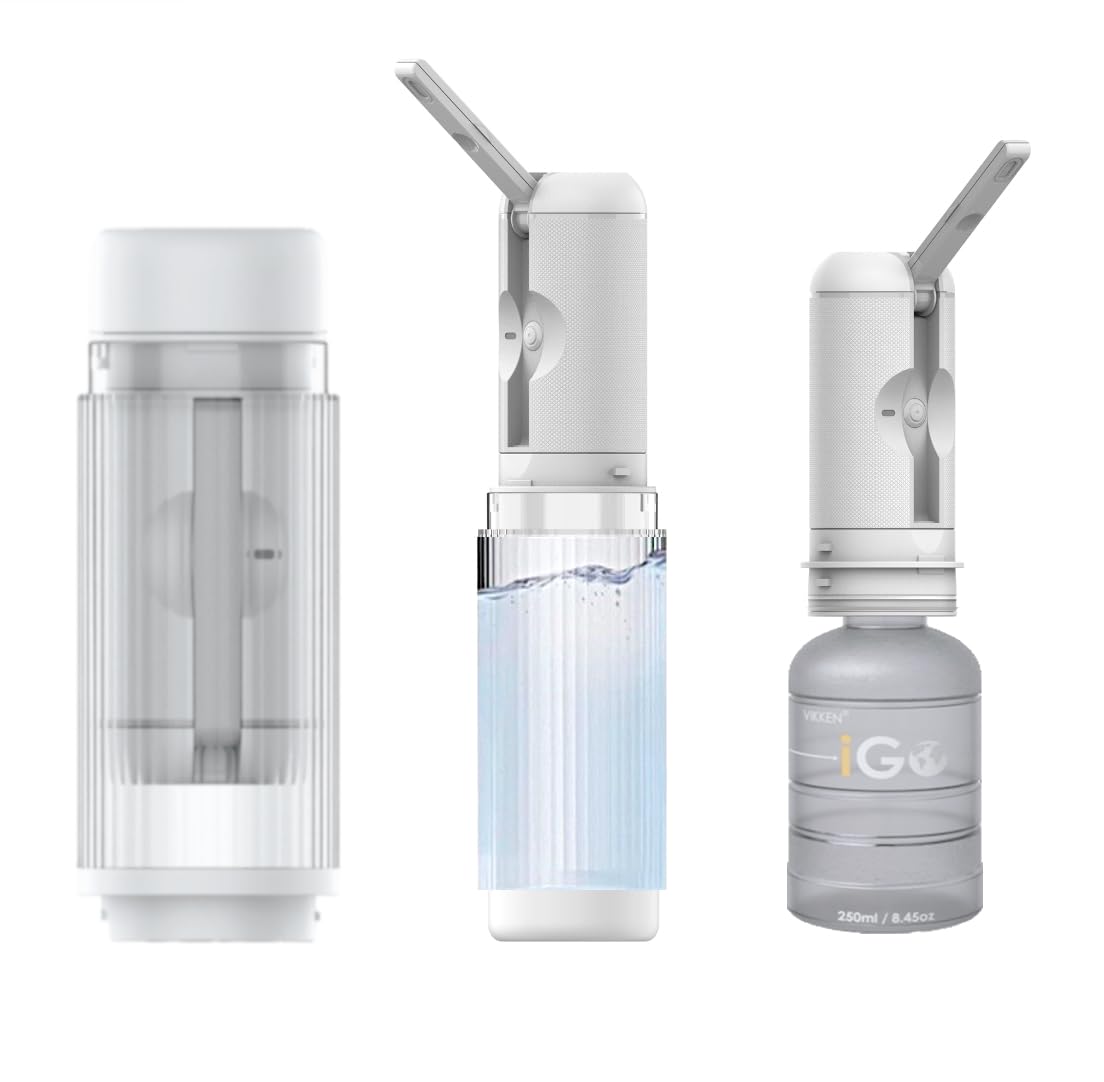


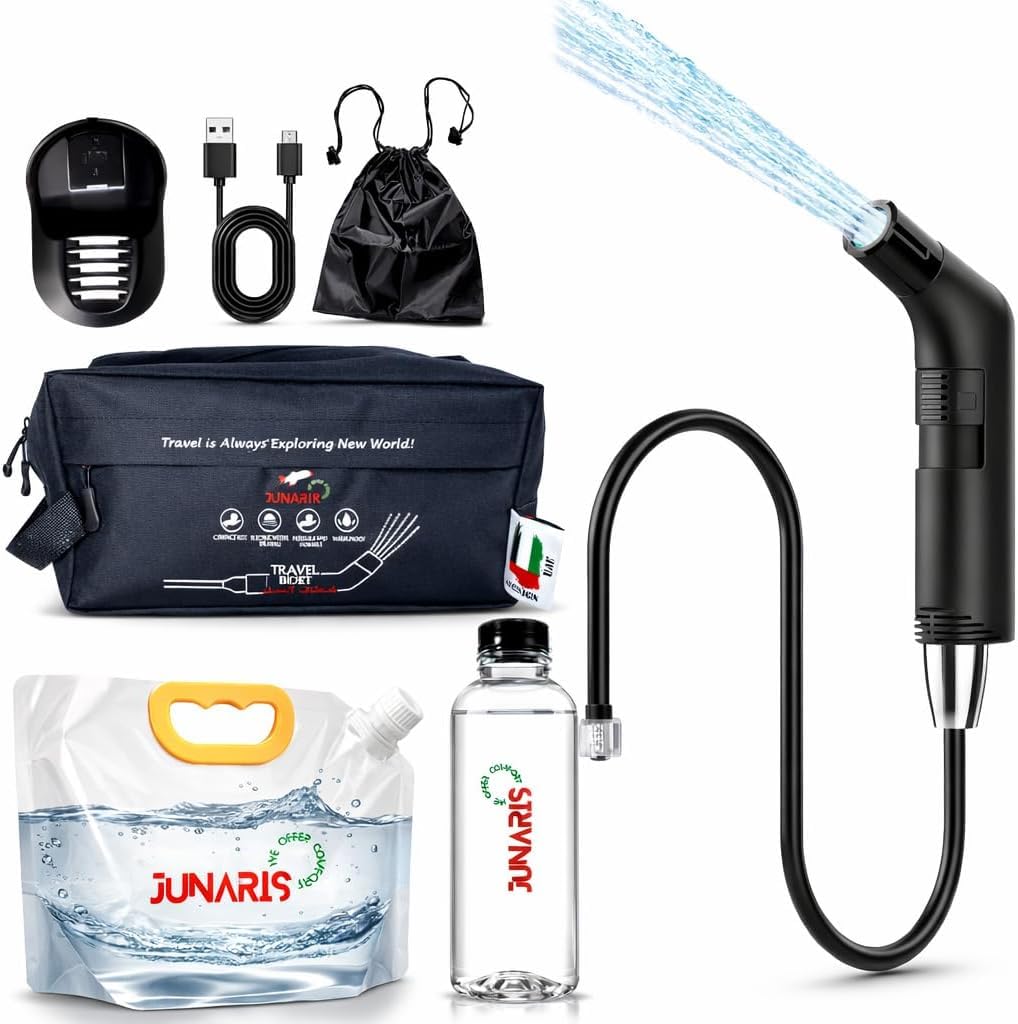
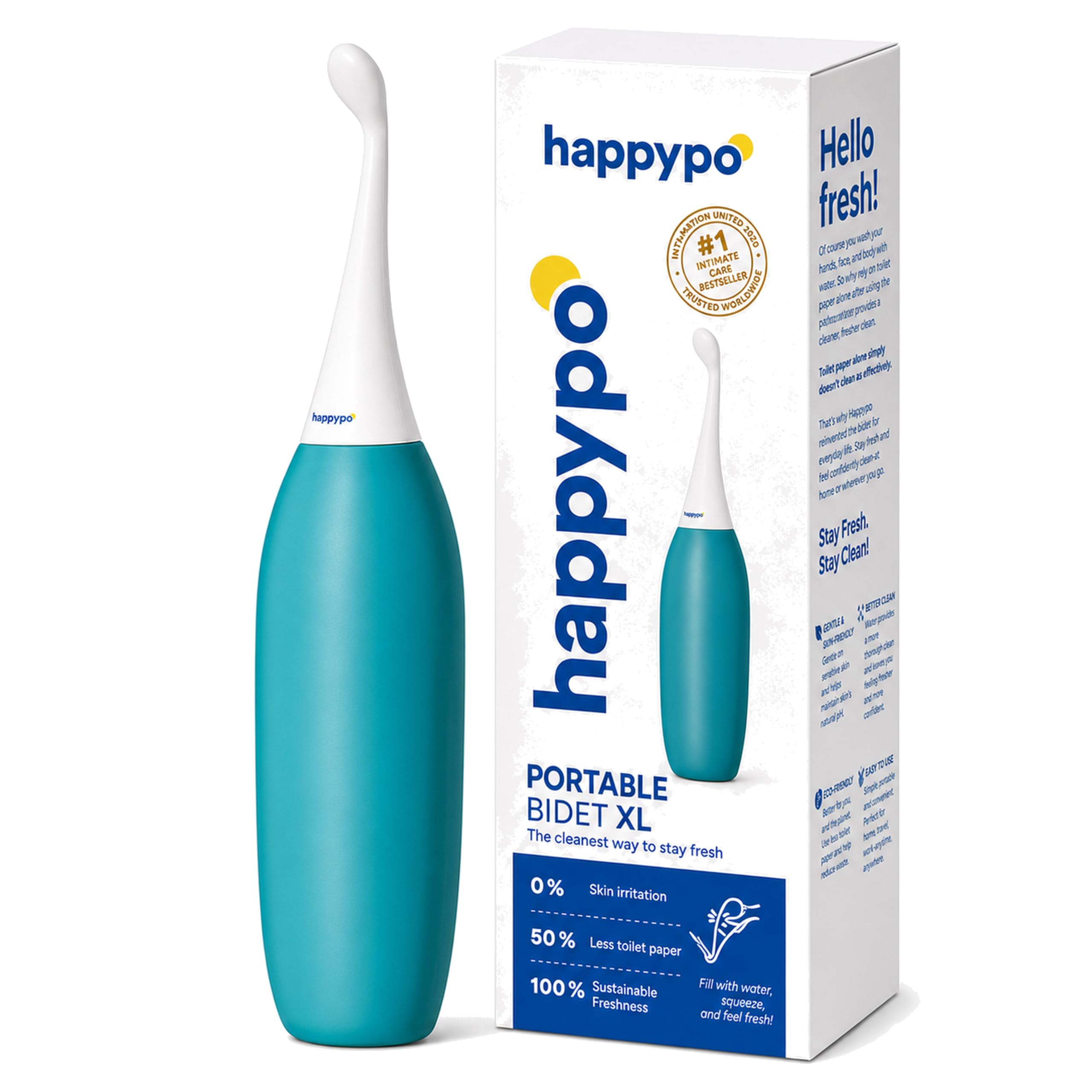


Travel Bidet Types Compared
The simplest type is the squeeze bottle with an angled nozzle. You fill it at a sink, place the tip, and control pressure with your hand. It needs no power and no fitting, so it works in hotels, rentals, trains, and campsites alike. Most travelers start here because there is almost nothing to learn, break, or charge, and the bottle rinses clean in seconds.
Battery powered portable models replace hand pressure with a small motor and usually offer two spray settings. They help if squeezing feels hard, though they add weight, charging, and more parts to keep dry. If you want a broader look at this category, our guide to the best portable bidet covers powered and manual options side by side.
A third option is a slim attachment or seat that you fit at a longer stay, such as a month in a rental. It gives a steady supply of water, but it needs permission from the host, a matching toilet, and tools to fit and remove. For a trip of a few nights, that effort rarely pays off, so most readers should treat attachments as a long stay solution rather than a true travel bidet.
Who Should Buy Which Travel Bidet?
Frequent Flyers and Light Packers
If you fly often and travel with a single bag, choose a squeeze bottle with a retractable or removable nozzle and a sealing cap. Weight and bulk matter more to you than spray settings, because the bottle rides in your luggage on every leg. An empty bottle passes through airport checks without fuss, and you simply refill it once you reach your room or a restroom sink.
Road Trippers, Campers, and Van Travelers
Long drives and campsites can mean basic facilities, limited paper, and sinks that sit far from the toilet. A larger bottle suits you better than a tiny one, because you may need a full wash with no chance to refill midway. Look for a wide mouth that fills fast from a tap or a water container, and pack a small pouch so the nozzle stays clean between stops.
Travelers With Sensitive Skin or Limited Hand Strength
If squeezing is painful or your grip tires quickly, a battery powered model with a gentle setting removes the effort and keeps pressure steady. Sensitive skin also favors a nozzle that starts soft, because you can raise the spray only as much as you need. If you recently had surgery or gave birth, talk with your clinician about suitable water pressure before you rely on any bidet away from home.
Key Features to Compare
Bottle Capacity and Squeeze Control
Capacity decides how often you refill. Small bottles hold about 300 to 400 milliliters and pack easily, while larger ones hold about 500 to 650 milliliters and suit longer washes. A soft bottle wall gives you finer control, because small changes in pressure change the spray in a smooth way. A stiff bottle can surge when your hand tires. If your hands are small, check how the bottle feels when full, since a full large bottle is heavier and harder to hold at an angle.
Nozzle Design and Spray Pattern
The nozzle does the real work. A long, angled tip lets you reach the right spot while seated, without twisting your wrist or standing up. Multiple small holes spread the water into a shower that feels softer and covers more area, while a single jet feels stronger and uses less water. Tips that retract into the bottle or carry a cap stay cleaner in a bag. Avoid very short tips, because they force awkward angles and splash more.
Size, Weight, and Leak Prevention
A travel bidet earns its place only if you actually carry it, so check the packed length and the weight when full, not just the empty weight in the listing. Seals matter more than looks. Look for a cap that screws on with a gasket, a nozzle joint that locks, and a bottle that does not weep when squeezed lightly inside a pouch. Packing the bottle empty and filling it at your destination removes most leak risk and saves the most space.
Power Source and Water Temperature
Manual bottles need nothing but water, which is why many readers prefer the best non electric bidet approach when they travel. Battery models add a motor, a charging cable, and settings, but they also add a failure point far from home. Temperature works differently on the road too. You fill the bottle yourself, so use cool or lukewarm water only, and check it on your wrist first. Heated seats, warm air dryers, remotes, and night lights belong to fixed seats, not to portable units.
Materials, Cleaning, and Certifications
Look for smooth plastic that rinses clean and resists odor, with few seams where residue can collect. Listings should state clearly that the bottle is free of BPA, and any plumbed attachment you consider for a long stay should carry recognized plumbing certifications such as NSF or ANSI marks and fittings free of lead. Simple squeeze bottles rarely carry those plumbing marks, because they never connect to a water line. That gap is normal for this type and is not a reason to reject a bottle.
Compatibility With Bathrooms Away From Home
A bottle bidet fits every toilet because it never attaches to one, which removes the sizing worries that come with seats and attachments. Your real checks are practical ones. Can you reach a sink before or after use, is there a flat spot for the bottle, and does the stall give you room to angle your arm? For a long stay attachment, measure the bolt spacing and bowl shape first, and confirm that the water valve matches the fittings supplied in the box.
What Matters Most in a Bidet for Travel
The best bidet for travel gives you one core value on the road, certainty. You know you can wash with water even when paper runs out, feels harsh, or clogs an unfamiliar toilet. Many travelers also use far less paper once they carry a bottle, a point explored in our comparison of bidet vs toilet paper. Because the bottle travels empty and fills in seconds, it asks almost nothing from your bag, your host, or the bathroom you happen to find.
Cost follows the same simple pattern. Most squeeze bottles cost under $30, and many sit well below that. Battery powered models generally cost about $30 to $60. Once you look above about $100, you are mostly shopping for fixed seats and attachments for home, such as the options in our guide to the best bidet, rather than gear you would pack for a trip. No travel model needs a plumber, so fitting costs stay at zero.
How to Use a Travel Bidet Away From Home
Fill the bottle with cool or lukewarm water and close the cap firmly. Stay seated, lean slightly forward, and place the nozzle tip so it points up and back toward the area you want to wash. Squeeze gently at first, then adjust your grip as you learn how the spray feels. Our full walkthrough of how to use a bidet explains body position and spray direction in more detail for new users.
When you finish, let any remaining water drain, dry yourself with a small amount of paper or a dedicated travel cloth, and rinse the nozzle before you pack it away.
Common Mistakes to Avoid
- Packing a full bottle in your luggage, which invites leaks and wastes the space you saved by choosing a portable model.
- Filling the bottle with hot water, which can feel far stronger on sensitive skin than the same water on your hands.
- Squeezing hard on the first try, which sends a jet that startles you and splashes water outside the bowl.
- Choosing the smallest bottle for a long trip, which leaves you short of water with no sink nearby to refill it.
- Storing the nozzle without a cap or pouch, which lets it pick up lint and dirt from the inside of your bag.
- Buying a fitted seat for a short hotel stay, which adds fitting work and host permission issues for almost no benefit.
How to Make Your Travel Bidet Last Longer
Rinse the bottle and nozzle with clean water after each trip, then let every part air dry fully before you close the cap for storage. Drying matters, because trapped moisture inside a sealed bottle breeds stale smells. Wash the parts now and then with mild soap, rinse well, and check the cap gasket for cracks or flattening, since a tired gasket is the usual cause of slow leaks.
Store the bottle away from direct sun and keep it empty between trips. For battery models, keep the charging port dry during storage. Replace the bottle if the plastic turns cloudy, holds an odor after washing, or the nozzle joint starts to loosen, because a worn joint sprays unevenly and can fail mid trip.
FAQ
Can you take a travel bidet on a plane?
Yes, an empty travel bidet is fine in a carry on bag or checked luggage. Empty it fully before security, because a full bottle counts as liquid and slows screening down. Pack the nozzle with its cap on, inside its pouch, so it stays clean. Once you land, refill the bottle at any sink and it is ready to use again right away.
How do you fill a travel bidet in a public restroom?
Fill it at the sink before you enter the stall, then carry it in its pouch so the trip stays private. If the sink sits inside the stall area, filling there is even simpler. When no sink is reachable in time, water from a plain drinking bottle works as a backup. Planning that order, sink first and stall second, removes most of the awkwardness new users worry about.
Are travel bidets sanitary in shared bathrooms?
They can be, as long as the nozzle touches nothing but water. Keep the tip capped or pouched, rinse it after each use, and never rest it on the seat or floor. Because only you use your own bottle, the risk stays low compared with shared fixtures. Sharing one bottle between people is not wise unless each person has a separate nozzle tip.
Do travel bidets need to be installed?
No. A bottle bidet needs no fitting, no tools, and no changes to the toilet, which is exactly why it suits hotels and rentals. You fill it, use it, and take it with you when you leave. Only the attachment and seat types used for long stays need fitting, and those call for host permission and a matching toilet before you start.
Do travel bidets need electricity?
Squeeze bottle models need no electricity at all. Battery powered portable models run on a rechargeable cell or replaceable cells and work anywhere once charged. Charge yours before stretches of a trip where outlets may be scarce, such as overnight trains or remote campsites. If charging sounds like one task too many, the manual bottle removes the question entirely.
Final Thoughts
For most trips, a simple squeeze bottle with an angled nozzle, a sealing cap, and enough capacity for one full wash is the best bidet for travel you can pack. Choose a powered model only when hand strength makes squeezing hard, and save fitted seats for long stays with permission. Check the product table above for current options, then practice once at home so your first use on the road feels routine.