
Best Bidet Guide for 2026: How to Choose the Right Type for Your Bathroom
Disclosure: We may earn a commission when you buy through links on this page, at no extra cost to you. As an Amazon Associate I earn from qualifying purchases. Learn more
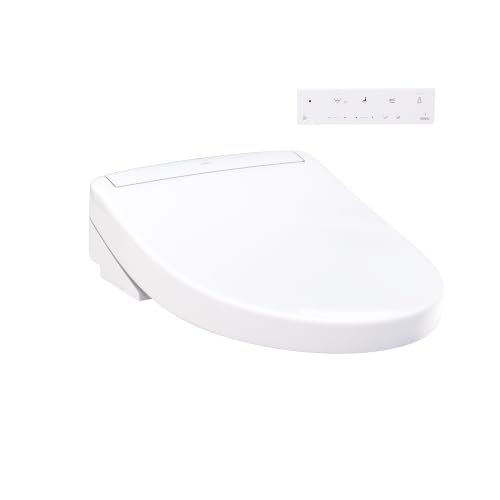
Match bidet type, water temperature and seat shape to your toilet, from simple attachments to heated electric seats, before you order.
Choosing the best bidet for your home is less about chasing the longest feature list and more about matching type, water supply and seat shape to your toilet. A model that fits an elongated toilet may not suit a round toilet, a rental or a small powder room. The product table sums up the main types so you can narrow the field before you measure anything.
This guide walks through who each type suits, the features that change daily comfort, the measurements that decide compatibility and what each price tier actually buys.


Who Should Buy Which Bidet?
Renters and New Buyers Who Want a Simple Start
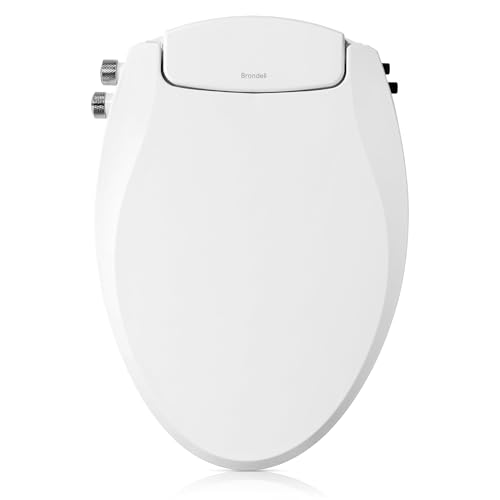
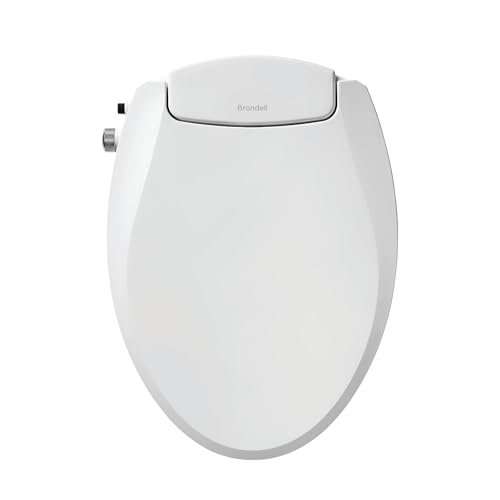
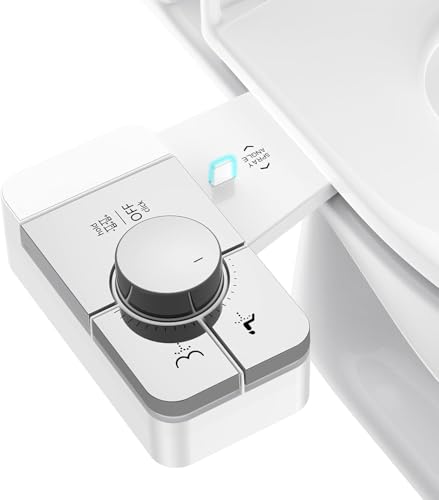
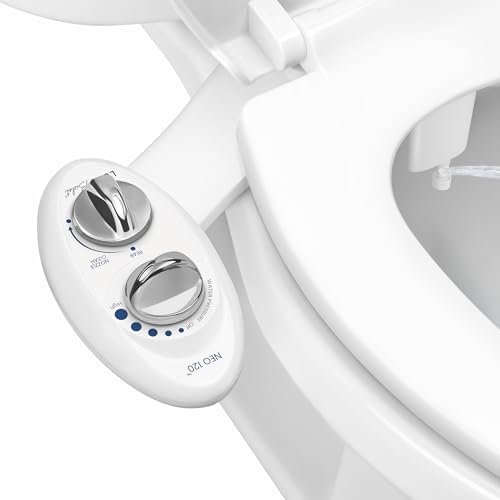
A slim attachment under your existing seat is usually the sensible first step if you rent or want to spend little. It adds a spray nozzle and a pressure dial without replacing the seat, and most versions run on cold water from the toilet supply line. You give up warm water and a heated seat, but you gain a low cost trial you can remove later. Check that your landlord allows changes to plumbing fittings before you order.
Comfort Seekers Who Want Warm Water and a Heated Seat
If comfort in winter is your main reason for shopping, look at an electric seat with warm water, a heated seat and adjustable nozzle position. These seats replace your current seat and need a nearby outlet, so they suit owners rather than short term renters. Expect to pay more, and expect a thicker seat that raises sitting height a little.
Travelers, Caregivers and Households With Limited Space
Some households do not need a fixed unit in every bathroom. If you travel often, help a family member with limited mobility or have no room for extra fittings, a portable or sprayer style option may serve you better. Our guide to the best portable bidet explains those travel options in detail. A handheld sprayer also helps with cloth diaper rinsing and cleaning the bowl, though it takes more hand control than a fixed nozzle.
Key Features to Compare
Type and Form: Attachment, Seat or Separate Unit
Attachments are thin plates that mount between the bowl and your current seat and offer the lowest price and the simplest install. Full seats replace the seat and lid, add power driven features and feel more integrated, but they must match your bowl shape. Separate bidet fixtures sit beside the toilet and are rare in most US homes because they need floor space and dedicated plumbing. If you prefer no power at all, our guide to the best non electric bidet covers cold water and dual temperature models that work without an outlet.
Water Temperature and Pressure Control
Cold water only models connect to the toilet tank supply and feel brisk, especially in winter, while dual temperature models also tap the sink hot water line for a warmer mix. Electric seats heat water inside the unit, either in a small tank or on demand as it flows. Pressure control matters just as much, because a dial or remote setting that moves in small steps is easier to use than one that jumps from weak to harsh. Look for a clear low setting for sensitive users and children.
Nozzle Design and Hygiene Features
Most fixed bidets use one or two nozzles that extend for use and retract behind a guard when idle. Stainless steel and plastic are the common materials, and the practical difference is how easily you can clean mineral buildup from the tip. A self cleaning rinse that runs water over the nozzle before or after use helps, but it does not replace manual cleaning. Adjustable nozzle position and an oscillating spray mode help you aim without shifting your body on the seat.
Seat Comfort, Dryer and Extra Comfort Features
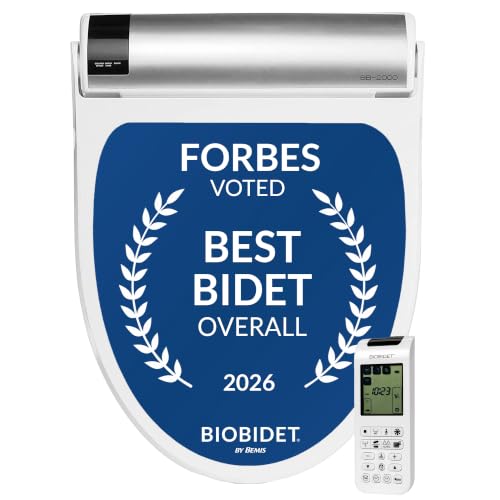
Electric seats add features attachments cannot offer, including a heated seat, a warm air dryer, a night light and a deodorizer fan. A dryer reduces paper use but rarely removes the need for a small amount of paper to check dryness. If you are comparing power driven seats, our guide to the best electric bidet explains heating methods and control styles in more depth. Treat extras such as child mode or user presets as nice additions rather than reasons to buy.
Power Needs and Controls
Electric models plug into a ground fault circuit interrupter outlet, and many bathrooms have no outlet within reach of the toilet. Adding an outlet means hiring an electrician, which can cost more than the seat itself, so confirm outlet position first. Controls come as a side panel on the seat or as a wall mounted remote. A remote is easier for users with limited reach, but it needs batteries and a mount.
Build Quality, Certifications and Warranty
Look for solid seat hinges, metal supply fittings where possible and a braided supply hose rather than a thin plastic line. Plumbing parts should meet current US standards for drinking water safety, and electrical seats should carry a safety listing from a testing lab such as UL or ETL. Warranty length varies from about one year on basic attachments to several years on premium seats. Read what it excludes, since cracked seats and user caused leaks are often not covered.
Measurements and Compatibility With Your Toilet
Bowl shape is the first check, because a seat made for an elongated bowl will overhang a round bowl and feel unstable. Measure from the center of the seat mounting holes to the front edge of the bowl. About 18 to 19 inches usually means elongated, while about 16 to 17 inches usually means round. Also measure the distance between the mounting holes and the space between those holes and the tank, since some attachments need extra clearance behind the seat.
Next, check your water supply. Find the shut off valve behind the toilet, note whether the supply line is rigid pipe or a flexible hose and confirm you can turn the valve fully off. Some older valves may drip when disturbed, so check yours before delivery day. Also confirm there is room to add a T connector at the valve without the fitting pressing against the wall.
- Measure bowl length and note round or elongated shape before ordering any full seat.
- Check the gap between the seat mounting holes and the tank for attachment clearance.
- Locate the nearest outlet and measure cord distance if you want an electric seat.
- Confirm the shut off valve works and that a flexible supply line is present.
- Note any mobility needs, such as remote controls or a wider seat opening.
Installation: What a DIY Job Involves and When to Hire Help
Most attachments and seats install with basic tools in under an hour once the water is off and the old seat is removed. The usual steps are to add the T connector at the supply valve, connect the hose, mount the plate or seat and test slowly for leaks at every joint. Our step by step guide on how to install a bidet walks through each connection in order. Hand tighten first, then use a wrench gently, because overtight plastic fittings crack and then leak under pressure.
Hire a plumber if your shut off valve will not close, if supply pipes are corroded or rigid, or if you need help with fittings. An electrician should add any new outlet and confirm it has ground fault protection. An hour of professional help is cheaper than repairing water damage from a slow leak behind the bowl.
How Much Should You Spend on a Bidet?
Basic attachments often cost under $50 and give you a single cold water spray with a simple dial, which is enough for many first time users. Models at about $50 to $100 may add dual temperature control, a second nozzle or better metal fittings. Electric seats usually start at about $200 to $300 and rise to about $300 to $600 as you add on demand heating, a remote, a dryer and longer warranty cover. Separate fixtures and smart toilets cost far more and involve plumbing work, so treat them as renovation projects rather than simple upgrades.
Spending more mainly buys warmth, finer pressure control and convenience, not a cleaner result by default. A well fitted basic model with good pressure control will satisfy many households. If you are weighing paper savings against cost, our comparison of bidet vs toilet paper looks at ongoing use and household habits in more detail. Budget for small extras too, such as a replacement supply hose, plumber tape and batteries for a remote.
Common Mistakes to Avoid
- Ordering an elongated seat for a round bowl, which leaves the front unsupported and prone to cracking.
- Skipping the outlet check on an electric seat, then finding the cord cannot reach any socket.
- Overtightening plastic fittings, which cracks them and causes slow leaks behind the toilet.
- Choosing the strongest spray as your starting setting, which startles new users and can irritate sensitive skin.
- Ignoring the shut off valve until install day, when a stuck valve turns a simple job into a plumbing call.
- Assuming a top rated bidet will fit every toilet, when tank shape and mounting space vary by bathroom.
Care and Maintenance for a Bidet
Wipe the seat and lid with a soft cloth and mild cleaner, and avoid harsh bleach sprays that can damage plastic over time. Clean the nozzle tip weekly in hard water areas, because mineral deposits narrow the spray holes and make the stream uneven. A soft brush and vinegar solution usually clear light buildup. Check hoses every few months for dampness or white crust, early signs of a fitting that needs attention.
If your model has a water filter, replace it on the schedule in the manual, since a clogged filter reduces pressure and strains the pump on electric seats. When you travel for a long period, consider shutting off the supply valve for peace of mind. Households with children should use any built in lock or lower pressure default the model offers.
FAQ
What is the best bidet for a first time buyer?
The best starting choice for most first time buyers is the type that fits your bathroom and budget with the least plumbing change. An attachment suits renters and cautious buyers, while an electric seat suits owners who value warm water. One point many buyers miss is home water pressure, since very low pressure makes basic models feel weak. Ask your water provider about typical pressure if you suspect it is low at home.
How do you use a bidet correctly?
You use a bidet by staying seated, starting the spray on its lowest pressure and raising it slowly until cleaning feels complete. Angle comes from nozzle position controls or a small shift in how you sit, not from standing or hovering. New users often need less than a minute of spray once they find the right setting. Pat dry with a small amount of paper or a dedicated cloth, and wash your hands as usual afterward.
Are bidets sanitary to use at home?
Yes, bidets are sanitary when the nozzle stays clean and retracts behind a guard between uses. The spray uses fresh supply water, the same water that fills your sink taps, and it flows away from the body into the bowl. One extra habit helps in shared bathrooms, which is to run the nozzle rinse cycle before your own use. Anyone with open wounds or a weakened immune system should ask a doctor about personal hygiene routines first.
Do all bidets need electricity?
No, many bidets work with water pressure alone and need no electricity at all. Attachments and handheld sprayers run entirely on supply pressure, and dual temperature versions borrow hot water from the sink line. Electricity is only required for features the water cannot provide, such as a heated seat, internal water heating, a dryer and powered nozzle movement. A small number of remote controls use batteries even when the seat itself plugs into the wall.
How long does a bidet usually last?
A basic attachment often lasts about three to five years, while a well cared for electric seat can last about five to ten years. Hoses and rubber seals usually age faster than the seat body, so plan to inspect or replace them sooner. Hard water shortens the life of valves and heating parts if deposits are left to build up. Keeping the original manual helps, because model specific seals and filters are easier to order later.
Can a bidet help reduce toilet paper use?
Yes, a bidet can cut toilet paper use a lot, because water does most of the cleaning and paper is left for drying only. Households vary, but many find one roll lasts several times longer once everyone is comfortable with the spray. A warm air dryer reduces paper use further, though most people still use a few sheets to confirm they are dry. Keep some paper stocked for guests who prefer their usual routine.
Final Thoughts
The right choice comes down to fit, water temperature and how much comfort you will truly use each day, not the longest list of extras. Measure your bowl, check your shut off valve and check for an outlet before you order, and the product table will be much easier to read with your bathroom in mind. For most households, the best bidet is the model that matches those checks and feels comfortable at a low, controlled pressure from the very first use.


