Best Ceiling Mount Shower Head 2026: Buying Guide
Disclosure: We may earn a commission when you buy through links on this page, at no extra cost to you. As an Amazon Associate I earn from qualifying purchases. Learn more

Check ceiling supply, stall size and thread fit before choosing the best ceiling mount shower head for your bathroom.
A ceiling mount fixture drops water straight down over your shoulders, and that simple change in direction gives a shower a calm, rain like feel. Choosing the best ceiling mount shower head comes down to three things: a drop arm and ceiling supply that fit your bathroom, solid build quality and a finish that matches your other fittings, and a spray pattern you will enjoy every day. The product table below sums up the main styles so you can compare them at a glance.
Unlike a wall mount head, a ceiling model needs plumbing that reaches the ceiling, so planning matters more than the head itself. This guide walks through sizes, types, compatibility checks, and costs in plain order. If you are still weighing mount styles, you can compare them in our guide to the best shower head before you commit to opening a ceiling.
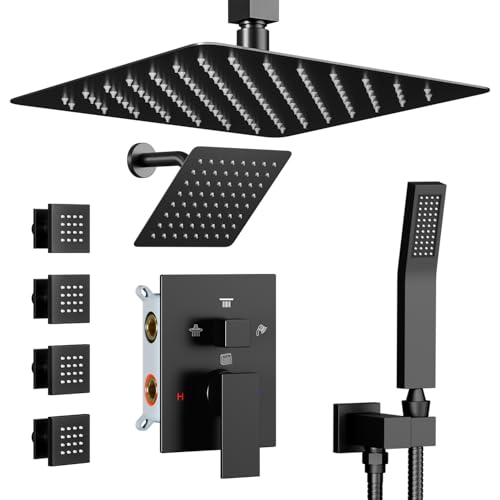

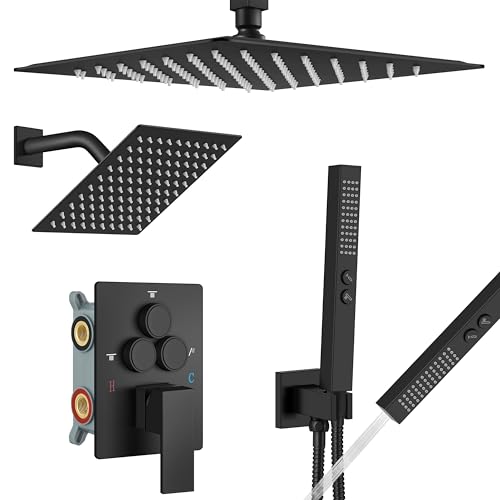
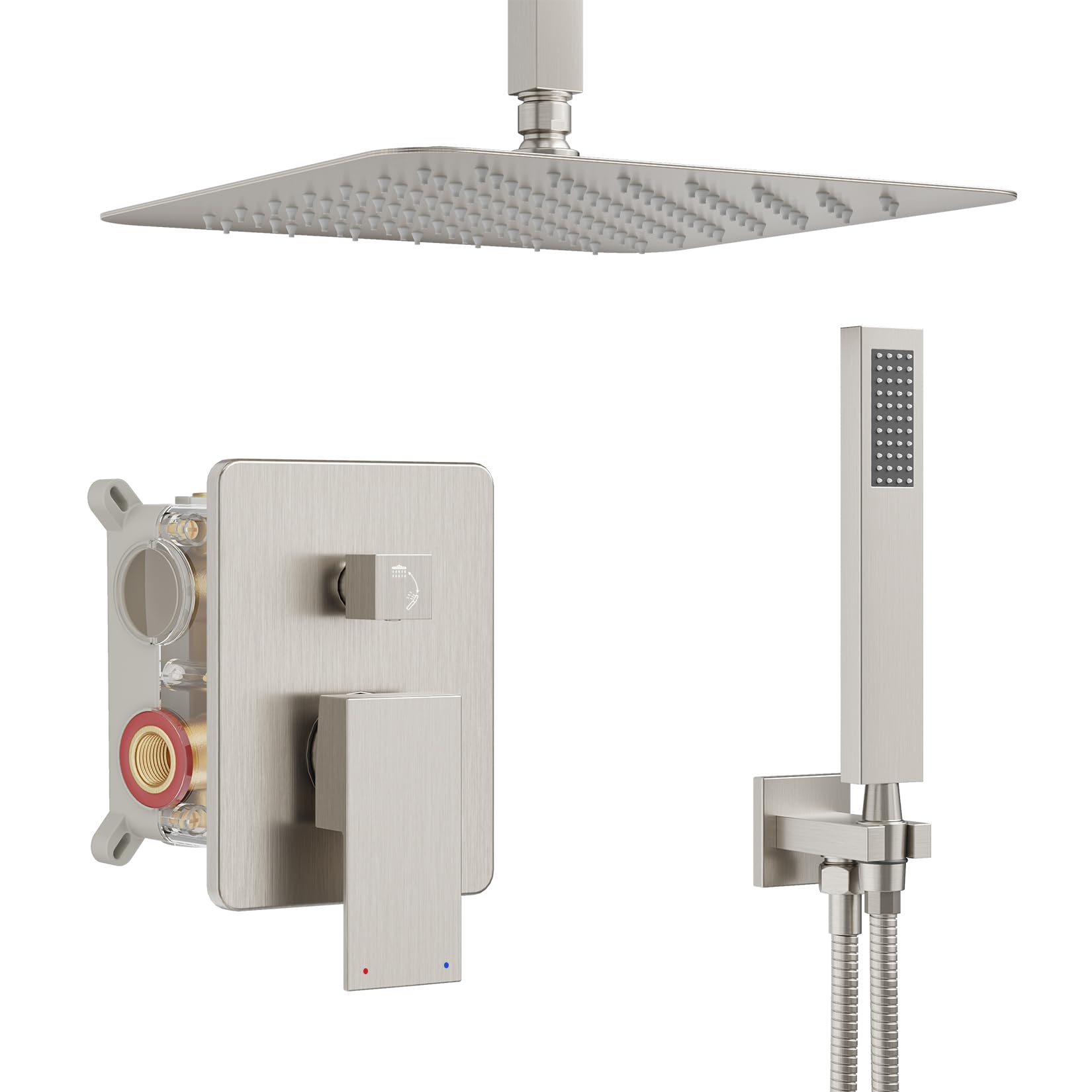


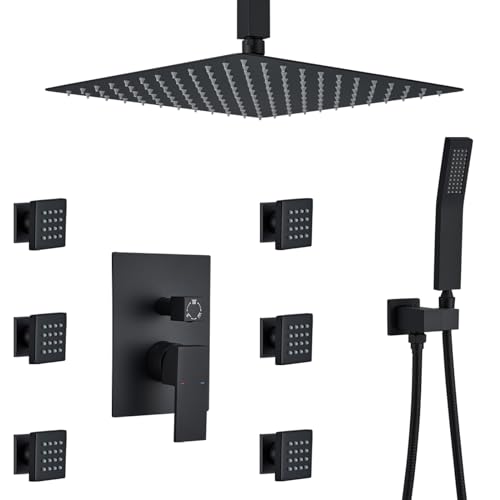

Ceiling Mount Types at a Glance
Most ceiling mount heads fall into three broad styles, and each suits a different bathroom and budget. Large rain heads spread water over a wide area at gentle pressure. Compact fixed heads cost less and work in smaller stalls. Dual setups pair an overhead head with a handheld wand on a diverter, so you can rinse hair or clean the stall without standing under the full flow.
All three styles connect the same way, through a drop arm that screws into a ceiling supply elbow. What changes is head diameter, spray behavior, and how much hardware you add at the wall controls. Keeping those differences in mind will make the style comparison in the next section much easier to use.
Three Ceiling Mount Styles Worth Comparing
Large Rain Heads for Full Coverage
Rain heads are the classic ceiling choice, usually 10 to 16 inches across, with many small nozzles that let water fall in a soft, even sheet. They suit a main bathroom where you want a slow, relaxing shower rather than a strong blast. Because the spray spreads wide, pressure at any one spot feels gentle, so homes with weak supply pressure should keep expectations modest before choosing the largest size. Rain heads also need a stall wide enough that the spray stays inside the glass or curtain.
Compact Fixed Heads for Small Stalls
Compact heads, often 6 to 8 inches across, concentrate the same water supply into a smaller area, so the spray feels firmer and rinses shampoo out faster. They weigh less, which puts less strain on the drop arm, and they cost less than large rain models in the same material. In a narrow stall they also reduce overspray onto the floor outside the curb. For a guest bathroom or a small remodel, this style often gives the best balance of comfort, price, and simple installation.
Dual Setups With a Handheld Wand
A dual setup keeps the overhead head for daily showers and adds a wand on a hose, switched by a diverter valve. The wand helps with rinsing children, washing pets, and spraying down tile and glass after cleaning. It does add parts, though: a hose, a wand holder, and one more set of connections that can drip if they are installed loosely. Choose this style only if you will actually use the wand, because a plain fixed head is simpler and usually cheaper to maintain.
How to Judge a Ceiling Mount Shower Head
Start with installation and compatibility, because a head that your plumbing cannot support is not a bargain at any price. Next, weigh build quality and finish, then the spray features you will use daily. After that, check certifications and the warranty, since a ceiling fixture is awkward to remove once the ceiling is closed. The sections below follow that same order, so you can rule out poor fits early and spend your time comparing models that will actually work in your bathroom.
How to Choose the Right Shower Head
Size and Form Factor
Head size controls both coverage and feel. An 8 inch head suits a stall about 36 inches wide and keeps spray focused on your shoulders. A 10 or 12 inch head fills a larger stall and feels more like rainfall, while a 16 inch head belongs in a spacious walk in shower with strong water pressure. Shape matters less than size, though round heads match round trims and square heads suit modern tile lines. Measure your stall first, then pick the largest head that still keeps spray inside the enclosure.
Type and Spray Pattern
Rain is the standard ceiling spray, but some heads add a firmer stream, a massage setting, or an air infused flow that feels fuller at low pressure. If a strong rinse matters most to you, compare the options in our guide to the best high pressure shower head before deciding how much spray force you need. Settings you change with a lever on the head itself are hard to reach overhead, so prefer models that switch at the wall valve or on the wand instead.
Features Worth Paying For
A filter is worth considering if your water leaves scale on glass or dries your skin, and our guide to the best filtered shower head explains how cartridge systems work. Silicone nozzles are a quieter win, because you can clear mineral buildup by rubbing them with a finger. A pause button on a handheld wand saves water while you lather. Skip light displays and novelty settings you will rarely touch, since each added feature is another part that can fail above your head.
Measurements and Compatibility With Your Setup
Check four things before you order. First, confirm that a supply pipe can reach the ceiling joist bay above the stall, or budget for a plumber to add one. Second, measure ceiling height: with a standard drop arm, the head should hang so its face sits at least 12 inches above the tallest user. Third, confirm the arm thread matches the head inlet, most often a half inch connection. Fourth, read our guide on how to replace a shower head to see the basic tools and thread tape steps involved.
Certifications That Matter
Look for WaterSense labeling if you want a head that limits flow to about 1.75 gallons per minute or less while still spraying well. A lead free certification matters for any brass fitting that touches drinking and bathing water, and listings to NSF and ANSI standards show the fixture passed material and durability checks. These marks do not guarantee a great shower, but they do rule out the cheapest untested imports. Keep the certification list from the box so you can confirm details if a warranty claim comes up later.
DIY or Pro Installation and Cost
If a ceiling supply line already exists, swapping the head and arm is a simple job with an adjustable wrench and thread seal tape, often done in under an hour. If the supply must be moved from the wall into the ceiling, that is plumbing and drywall work, and a licensed plumber is the safer route. Labor for that kind of reroute commonly runs about $300 to $800 depending on access. Getting one quote before you buy the fixture keeps the total project cost honest.
How Much Should You Spend?
Basic compact heads cost about $30 to $60 and cover a simple replacement well. Mid range rain heads run about $60 to $150, and that step up usually buys brass or stainless construction and a better finish. Premium models above about $150 add larger sizes, thermostatic controls, or dual wand setups rather than a basic spray that feels twice as good. Spend first on solid metal parts and a finish that matches your bathroom, because you will look at this fixture every day for years.
Ceiling Mount vs Other Shower Heads: Pros and Cons
The clear gain is posture and comfort. Water falls straight down, so you can stand upright under the full spray instead of leaning toward an angled wall head, and both shoulders get wet at once. A ceiling mount also keeps the wall free for niches, grab bars, or a bench, and it suits a curbless stall where a centered spray contains splashing better.
The trade offs are real, though. Installation costs more because the supply line must reach the ceiling, and any leak at the ceiling connection can stain drywall before you notice it. You cannot angle the spray away from your face, which some people dislike when they want to keep their hair dry. A wall mount or dual wall setup is easier to service and adjust, so renters and anyone planning a quick refresh should think hard before choosing the ceiling route.
FAQ
Are ceiling mount shower heads worth it?
They are worth it if you value the overhead rain feel and you plan to stay in the home long enough to enjoy the plumbing work it takes. The daily comfort gain is real, but it is about experience rather than water savings or cleaning power. In a short term home or a rental, a quality wall mount head delivers most of the comfort for a fraction of the install cost, so the ceiling route makes less sense there.
How long does a ceiling mount shower head last?
A metal head with a sound finish typically lasts about 8 to 12 years, and the first parts to age are the rubber nozzles and the washer at the arm joint, not the head body itself. Replacing a worn washer costs very little and stops the slow drip that often gets blamed on the whole fixture. If spray holes stay blocked after descaling and the finish begins to pit, replacement is more sensible than another round of repairs.
How do you clean a ceiling mount shower head?
Because the head faces down and stays fixed, the easiest method is to tie a bag of white vinegar around it so the nozzles soak for several hours, then run the water to flush loosened scale out. Our full walkthrough on how to clean a shower head covers soak times for heavier buildup. Wipe the face dry after showers in hard water areas, since standing droplets are what leave the white spots that dull the finish.
Can a ceiling mount shower head work with low water pressure?
Yes, if you choose a smaller diameter head or an air infused design that makes a modest flow feel fuller. Very large rain heads are the poor match here, because the same weak flow spreads across hundreds of nozzles and turns into a drizzle. Our guide to the best shower head for low water pressure lists designs built for weak supply lines. Also check the simple causes first, such as a clogged screen washer at the inlet.
Can you add a handheld wand to a ceiling mount shower head later?
Usually yes, by fitting a diverter at the wall outlet where the wand hose connects, so the ceiling head itself stays untouched. That approach avoids opening the ceiling again, which is the part of the job everyone wants to skip. Confirm that your wall valve can hold pressure to both outlets without leaking through the idle one. A wand added this way also gives you a backup spray if the overhead head ever needs to come down for service.
Final Thoughts
Match the head size to your stall, confirm the ceiling supply and arm threads before you buy, and put your money into solid metal construction and a finish you like. Do that, and the best ceiling mount shower head for your bathroom is simply the style above that fits your plumbing and your daily routine. Use the product table above to compare the styles side by side, then order with confidence.