Best Barista Towels: A First Time Buyer's Guide for 2026
Disclosure: We may earn a commission when you buy through links on this page, at no extra cost to you. As an Amazon Associate I earn from qualifying purchases. Learn more

A first time guide to best barista towels covering cloth types, sizes, absorbency, colour coding, washing and how many towels a busy cafe needs daily.
If you are setting up a coffee corner or a small cafe for the first time, towels may look like the simplest purchase on your list. They are not quite that simple, because best barista towels are working tools that touch hot metal, milk and glass all day. This guide starts with the basics, explains each spec in plain English and shows the mistakes new buyers make. The product table gives a quick view before the detail.
You do not need many types. You need the right cloth for each job, enough towels to get through a busy period, and a washing routine that keeps them fresh. Work through the sections in order and the choice becomes straightforward.






Barista Towels 101: The Basics
Stated plainly, a barista towel is a work towel, not a decoration and not a general kitchen cloth. Its jobs are the steam wand, the portafilter and spills: wiping the wand after every milk drink, clearing damp grounds from the basket, drying baskets and cups, and catching drips under the machine. Heat and dairy are its daily loads, so the cloth must handle hot metal without melting and must wash clean of milk again and again.
That workload separates it from home towels. A guide to best quality towels for the home weighs softness and looks first, while a bar towel is judged on grip, heat handling and how it survives constant washing. Keep that contrast in mind whenever a thick, plush cloth catches your eye in a shop.
Best Barista Towels: Key Specs Explained in Plain English
The specs below decide how best barista towels perform at the machine. Read them as working measures, not as marketing words, and match each one to the jobs in the basics section above.
Material and Construction
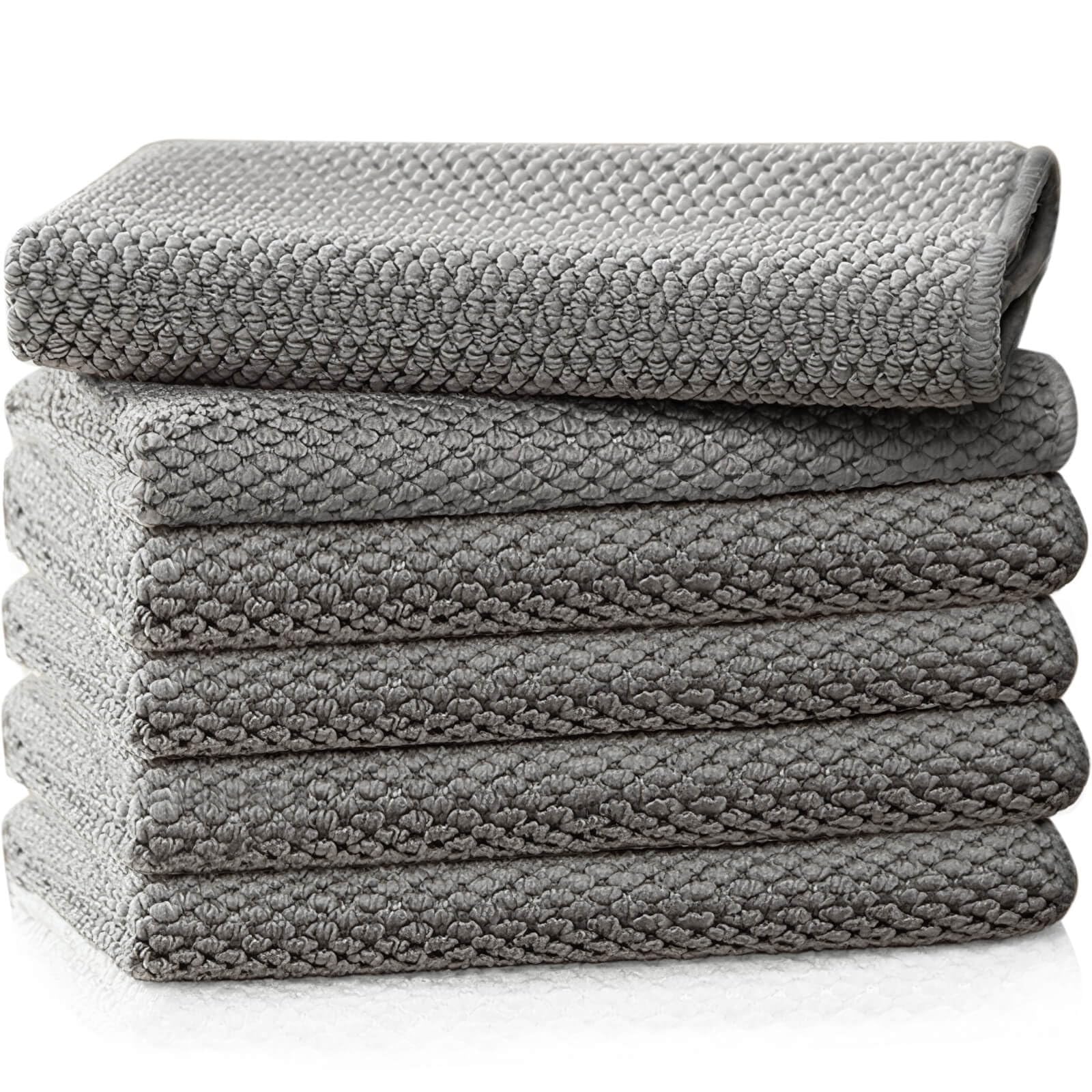
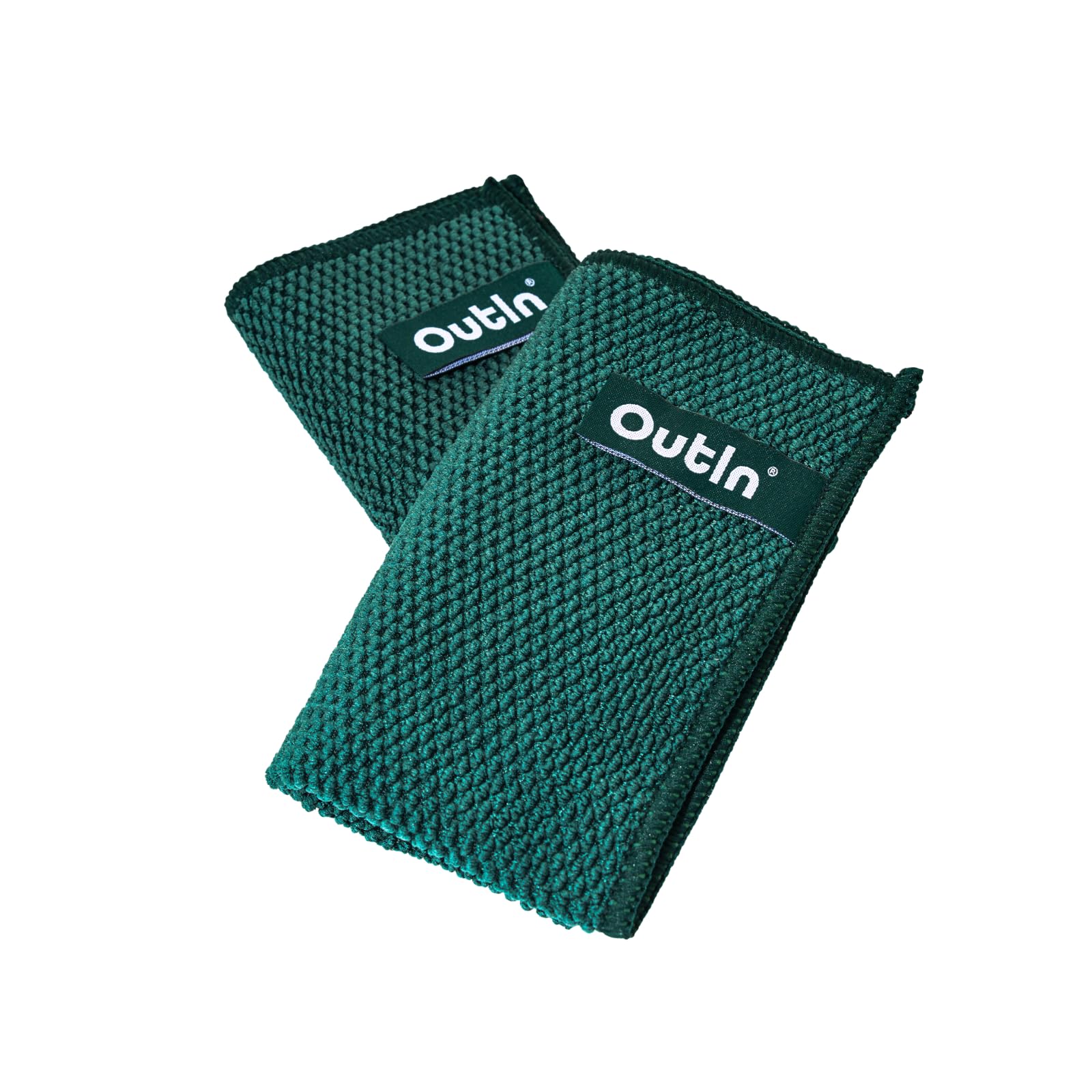
Two cloth families cover most needs. Microfiber grips well, lifts milk residue and dries quickly, and its smooth surface wipes a steam wand clean in one pass. Cotton feels sturdier, tolerates high wash temperatures and suits portafilter and spill work where a thicker cloth protects the hand. Woven edges matter in both families, since a bound edge resists fraying through hundreds of washes.
Weight is often given as GSM, which means grams per square metre and simply tells you how dense the cloth is. Higher numbers feel thicker and hold more water, while lower numbers dry faster and fold smaller. For bar work, a middle density usually balances grip, heat protection and drying speed better than the plushest option on the shelf.
Absorbency and Wiping Performance
Absorbency decides how much milk, water and coffee a towel takes up before it feels saturated. A towel that spreads liquid instead of lifting it will smear the wand and the counter, so look for a tight, thirsty weave rather than a loose decorative one. Microfiber usually leads on pickup, while cotton catches up after a few washes soften the fibres.
Performance also means leaving a clean surface behind. A good bar towel wipes a basket dry without leaving lint in it, because loose fibres can end up in the next drink. Run a new towel over a dark counter at home: if it sheds visibly, keep it for spills and away from baskets and glassware.
Feel, Grip and Heat Handling
A steam wand gets hot enough to matter. Your towel must fold into a pad thick enough to shield your fingers while you wipe and purge the wand, and it must grip the metal rather than slide on a milk film. Very thin cloths fail the heat test, while very thick cloths can feel clumsy around a narrow wand.
Feel guides the rest of the work too. A cloth with some texture clears dried grounds from a basket rim faster than a slick one, and a towel that stays flexible when damp is easier to wring and reuse. Judge feel with wet hands as well as dry ones, because that is the state your hands are in during service.
Durability and Washing
Color coding and wash routines are the hygiene system behind the bar. Give each job its own color: one color for the steam wand, another for the portafilter and benches, and a separate one for floors and bins. A wand towel is never a floor towel, and the color code is what makes that rule easy to follow when service gets busy and staff rotate.
Wash bar towels hot and often, and dry them fully before storage, since damp cloth in a pile turns sour quickly. Skip fabric softener, which coats fibres and cuts absorbency over time. Guides to best bathroom towels give gentler wash advice for home linen, but bar towels live a harder life and need the hotter, plainer routine described here.
Size and Shape
Most bar towels fall in a modest rectangle range that folds into a hand sized pad. A towel that is too small will not fold into enough layers for wand work, while an oversized one bunches around the portafilter and trails into drip trays. Keep one consistent size for the bar so any towel folds the same way in any hand.
Shape affects storage as well. Flat towels stack neatly beside the machine and hang well on a hook or rail between drinks, which keeps them off wet counters. Compare the folded size, not just the open size, when you look through the picks in the product table, because the folded pad is the tool you actually hold.
Rookie Mistakes to Avoid
- Buying decorative towels for bar work: plush home cloths, like those in guides to best quality bath towels, hold water but grip poorly, shed lint and dry slowly, so they frustrate at the machine.
- Using one towel for every job: a single cloth spreads milk residue from the wand to benches and cups, and no washing rhythm can fix a missing color code during service.
- Buying too few towels: a small stack runs out mid service, leaving damp, sour cloths in use because there is nothing clean to swap in.
- Washing with softener: softener coats the fibres, absorbency fades a little more with each wash, and wiping turns into smearing.
- Leaving towels damp overnight: a wet pile sours fast, and the smell transfers to hands and benches the next morning even after the cloth dries.
Getting Started: Setup and First Use
Wash every new towel before its first shift, without softener, to remove loose fibres and factory finishes that block absorbency. Then set your color code and write it where new staff can see it: wand color, bench color and floor color, each with its own hook or rail position near the machine.
Stock is the other half of setup. A cafe buys towels by the dozen, because service needs clean cloths in rotation while others sit in the wash, so read the per towel price against the laundry load it creates rather than as a single purchase.
Barista Towels: Your Questions Answered
How do I keep barista towels fresh for longer?
Rinse milk from towels during the shift, wash them hot the same day and dry them fully before folding. Milk left in cloth sours quickly, so a quick rinse at the sink buys time until the wash. Store dry towels in open air rather than a sealed box, and retire any towel that keeps an odour after washing, since that smell signals residue deep in the fibres that washing no longer clears.
What GSM is best for barista towels?
A middle GSM range suits most bar towels best, giving enough density for heat protection and absorbency without slow drying. Very low GSM cloths feel thin against a hot wand and saturate fast on spills. Very high GSM cloths hold more water but take longer to dry and can feel bulky around the portafilter. If you work a home setup with few drinks a day, the lower part of the middle range is usually plenty.
How often should barista towels be replaced?
Replace barista towels when absorbency fades, edges fray or odours survive a hot wash. In a busy cafe that point can arrive within months, while a home setup may get a year or more from the same cloth. Judge each towel on its own state rather than by the calendar, and demote worn towels to floor duty under your color code before discarding them, which stretches the value of every dozen you buy.
Are luxury barista towels worth paying for?
They are worth it only when the higher price buys denser cloth, stronger edges or better grip that you can feel at the machine. For most first time buyers, plain work grade towels in the right quantity beat a few costly ones, because rotation and washing shape daily results more than finish does. Spend first on stock and a sound wash routine, then upgrade a single set later if a real gap shows.
The Bottom Line
For a first purchase, choose a grippy cloth in a middle density, set a color code before the first shift and buy enough towels to keep clean ones in rotation. Those three points matter more than any single spec. Chosen that way, best barista towels quietly keep a bar clean, safe and pleasant to work at. Compare sizes and cloth types in the product table before you order your first dozen.