
Best Benq Monitors: Everything to Know Before Your First Purchase 2026
Disclosure: We may earn a commission when you buy through links on this page, at no extra cost to you. As an Amazon Associate I earn from qualifying purchases. Learn more

Panels, sizes, ports, and refresh rates explained simply for choosing from the best benq monitors.
Buying your first monitor from a single maker can feel simpler than comparing every brand on the shelf, yet the range still spans office screens, color work screens, and fast gaming screens. This guide walks you through the best benq monitors in plain English, starting with the basics and ending with a confident pick. You will learn what each spec means, which ones matter for your desk, and which ones you can safely ignore.
The comparison table below gathers the current range in one place, so keep it open as you read. By the final section you will know your panel class, your size class, and your budget band, and the table will read like a shortlist you built yourself.


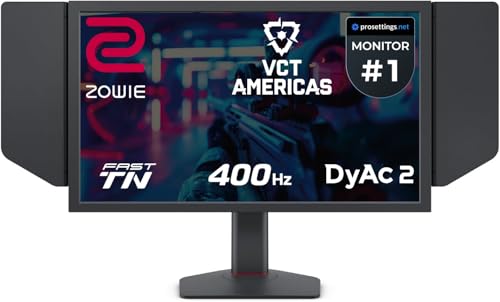


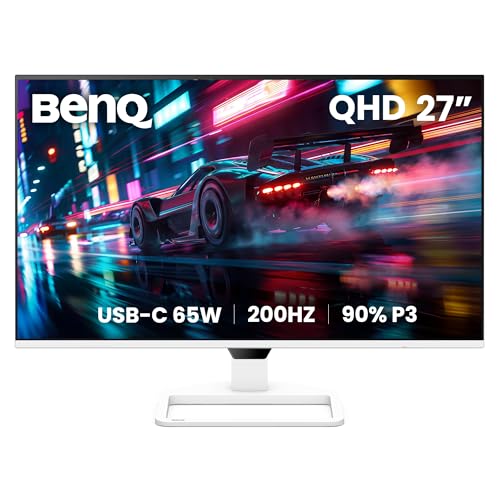


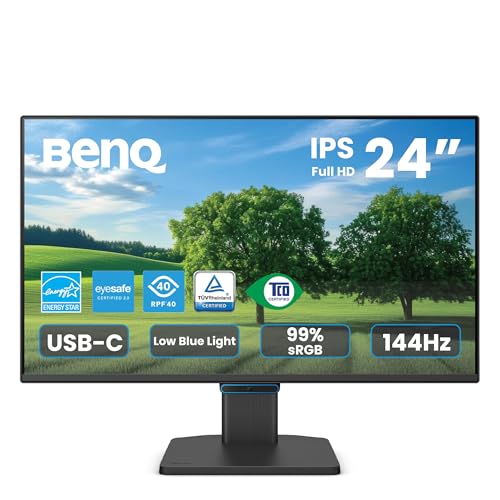
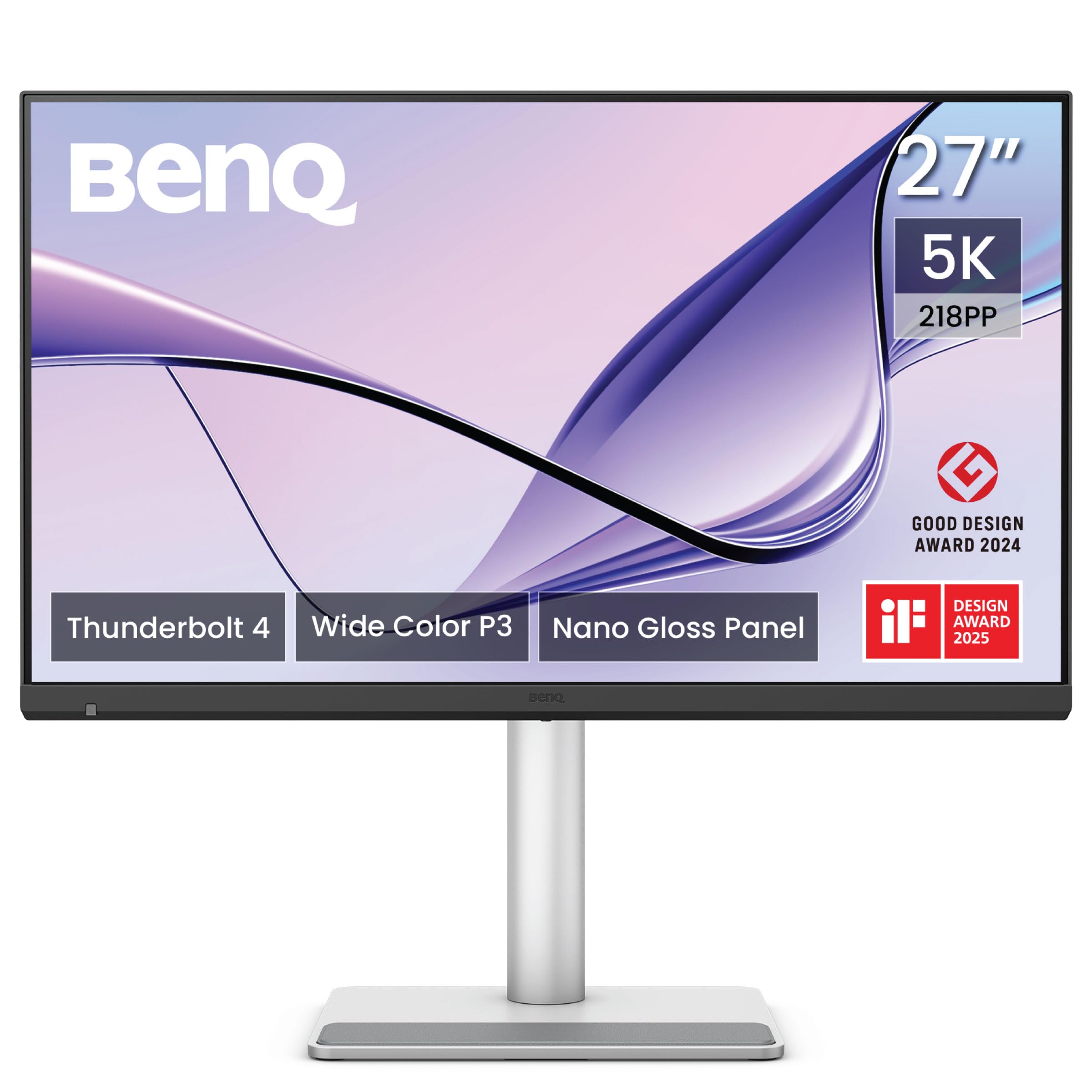
Benq Monitors 101: The Basics
A Benq monitor is a computer display, and this maker sells one connected range rather than separate product families. When you shop inside a single maker range, you compare the same three things you would compare anywhere else: the panel class that makes the picture, the size class that fills your desk, and the refresh class that sets how smooth motion looks. The badge on the bezel matters less than getting those three classes right for your work.
Prices inside the range follow the same three classes. Simple office screens sit at about $120 to $250, larger or faster screens sit at about $250 to $500, and big 4K or high refresh screens sit at about $500 to $1,000.
Key Specs Explained in Plain English
Five specs decide almost every monitor purchase, and each one below is explained the way a patient friend would explain it at your desk. Learn these five and the product table above starts to read like plain English.
Panel Technology (IPS, VA, OLED, Mini LED)
The panel is the layer that creates the picture, and it decides color, contrast, and viewing angle before any other spec does. An IPS class gives accurate color and wide viewing angles, which suits shared desks and photo work. A VA class gives deeper contrast for films and dark rooms, an OLED class gives perfect blacks at a higher price and needs care against burn in from static images, and a Mini LED class boosts brightness and local dimming on larger screens. Buyers comparing best quality monitors across makers usually start here, because the panel class is where picture quality is truly set.
Resolution and Screen Size
Resolution counts the pixels, and size decides how spread out those pixels feel at your chair. A 24 inch screen at 1080p suits basic office work, while a 27 inch screen at 1440p gives about 109 pixels per inch, a sharpness step most people notice in text right away. A 32 inch screen at 4K suits detail work and large spreadsheets, provided your desk is deep enough to sit back from it. Match the pair to your seating distance first, because a big screen on a shallow desk forces constant head turning.
Connectivity and Ports
Ports decide how many cables your desk carries and whether one cable can do two jobs. DisplayPort is the standard link for a desktop computer, HDMI suits laptops and consoles, and a USB C port with power delivery of about 65 to 90 watts can charge a laptop while it sends the picture, clearing a whole charger from the desk. Check the port count before you buy, because a second screen or a work laptop added later needs a free input. A height adjustable stand or a VESA mount pattern also belongs on this checklist.
Adaptive Sync and Gaming Features
Adaptive sync lets the screen match its refresh rhythm to your graphics card, which removes tearing and stutter in moving scenes. A refresh class of 144 Hz or higher makes play feel smoother, and a fast response class keeps fast scenes clear. Console players should look for HDMI 2.1 so the screen accepts the full output of a modern console, a need covered in our guide to the best monitors for ps5. Readers weighing screens across every maker can also compare the wider field of best gaming monitors before settling inside one range.
Eye Comfort and Brightness
No monitor treats eye strain, and any screen that claims to fix tired eyes is overselling. What a good monitor does offer is comfort control: a wide brightness range so the screen matches your room light, a flicker free backlight class that holds brightness steady, and a low blue light mode for evening reading. These are comfort classes, not medical ones, and sore or dry eyes that persist deserve an eye exam rather than a new screen. Set brightness near your room light level as a first step, because a glowing screen in a dim room tires eyes fastest.
Benq Monitors for Specific Needs
The same range serves very different desks, so shop by the job first and the badge second. Each group below names the two or three criteria that decide that job, in the order a first time buyer should check them.
Best Benq Monitors for Gaming: Tips for First Time Buyers
For gaming, three criteria lead. A refresh class of 144 Hz or more, an adaptive sync class that matches your graphics card, and a low input lag class decide how connected play feels. Size comes second, because a 27 inch screen you can see in one glance beats a huge screen in fast games. Our companion guide to the best computer monitors for gaming explains the same checks across makers if you want a wider view before buying.
Best Benq Monitors for Photography: Tips for First Time Buyers
For photography, color leads. Look for an IPS or OLED panel class with a wide color gamut class, a factory calibration report in the box, and a matte surface that keeps reflections off your edits. A 27 inch 4K screen gives the pixel density that makes retouching comfortable at a normal desk distance. Hardware calibration support matters if you print, because the screen and the print must agree.
Best Benq Monitors at 1080p: Tips for First Time Buyers
A 1080p screen is the value class of the range, and at 24 inches it stays sharp enough for office work, study, and casual play. The criteria that matter here are an IPS panel for clear text from side chairs, a refresh class of 75 Hz or more for smoother scrolling, and an adjustable stand that cheaper listings often drop. Skip 1080p at 32 inches, because the pixels grow visible and text turns soft.
Best Benq Monitors under 250
The under 250 class, meaning screens priced under $250, buys an honest first monitor rather than a stripped one. Expect a 24 inch 1080p IPS screen, basic ports, and a simple stand, with prices roughly about $120 to $250 across the band. Spend the savings on a monitor arm if the stand lacks height adjustment, because posture at the desk matters more than one extra port. Avoid paying near the top of this band for a curved or VA screen unless films are your main use.
Rookie Mistakes to Avoid
Most first purchase regrets come from five avoidable slips:
- Buying a 4K screen at 24 inches for office text, then shrinking everything with scaling because the words turn tiny.
- Counting pixels and ignoring ports, then finding no free input for a work laptop.
- Paying for a 240 Hz refresh class for spreadsheets, where the extra speed never shows.
- Choosing a glossy screen for a bright room, so window reflections fight every document.
- Skipping the stand check, then propping a fixed screen on books to reach eye level.
Getting Started: Setup and First Use
Setup takes about fifteen minutes. Attach the stand or a VESA arm first, connect DisplayPort for a desktop or USB C for a laptop, and let the computer detect the screen before changing any setting. Choose the standard picture mode rather than the vivid store mode, which pushes color past accuracy, and set brightness to match your room.
Owners of an OLED class should run the pixel refresh cycle the menu offers after long sessions, since that routine protects the panel from image retention. Keep the box and the dead pixel policy details from your seller until the return window closes, because a faulty pixel shows itself in the first week if it is going to appear.
Your Questions Answered
How long does a Benq monitor last?
A Benq monitor typically serves about five to eight years of daily use before brightness fades enough to notice. The backlight is the wear part, and it dims slowly rather than failing at once, so an aging screen looks yellow and dim long before it dies. Keeping brightness at a moderate level instead of maximum stretches that span. A dead pixel or a flickering corner in the first weeks is a warranty matter, not wear, so report it at once.
Is an IPS or OLED Benq monitor better?
Neither panel class wins for every desk. IPS suits bright rooms, shared viewing, and long text work, and it carries no burn in risk from fixed toolbars. OLED wins in dark rooms for films and games, where its perfect blacks add depth that IPS cannot match. Mixed desks that do office work by day and films by night often pick IPS for safety, while a dedicated movie and gaming corner gains more from OLED.
Is a 4K Benq monitor worth it for office work?
At 27 inches or larger, yes for most office readers, because 4K text stays crisp at a normal viewing distance. The catch is scaling: your system enlarges text and icons so they stay readable, and a few older programs scale poorly and look soft or tiny. If your work lives in a browser and modern office apps, scaling is painless. On a 24 inch screen the gain shrinks, and 1440p is usually the smarter spend.
Does refresh rate matter on a Benq monitor for office work?
For documents and email, refresh rate matters little, and a standard 60 to 75 Hz screen feels fine. The difference shows in motion: scrolling long pages looks a touch smoother at 100 Hz and above, and video calls pan more cleanly. That is a comfort gain, not a productivity one, so office buyers should fund panel quality and an adjustable stand first. Spend on high refresh only when games share the desk.
What size Benq monitor should I get for my desk?
Measure your desk depth before you measure screens. At a shallow desk of about 24 inches deep, a 24 or 27 inch screen keeps the whole picture in easy view. A deeper desk of about 30 inches can carry a 32 inch screen without head turning. Leave roughly an arm length between your eyes and the glass, and count the stand footprint in your measurement, because wide feet steal keyboard room.
Wrapping Up
Your first purchase comes down to three checks: the panel class for your work, the size and resolution pair for your desk depth, and the ports for the machines you own. The product table above gathers the best benq monitors by those same classes, so match your answers to a row and buy once. A careful first screen usually serves through several computers, which makes the extra ten minutes of checking worth it. Prices and availability can change, so check the product page before ordering.


