Best AOC Monitors: Types Compared and How to Choose for 2026
Disclosure: We may earn a commission when you buy through links on this page, at no extra cost to you. As an Amazon Associate I earn from qualifying purchases. Learn more

Compare the best AOC monitors by type, panel, refresh rate and price to find a clear fit for gaming, office work, movies and everyday use at home.
AOC sells a wide range of screens, and the sheer number of sizes, panels, and prices can make a simple purchase feel confusing. The best aoc monitors for you depend less on a single headline spec and more on how you actually spend your hours at the desk. This guide compares each main type in plain terms so you can narrow the field before you shop.
Start with the comparison table below to see how the types differ at a glance. Then read the sections that follow for honest trade offs on size, panel quality, speed, and cost.
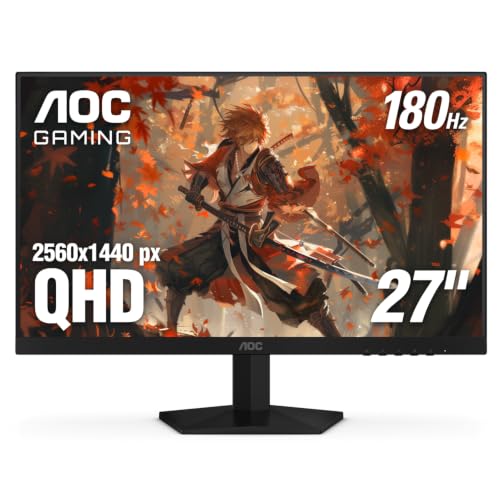

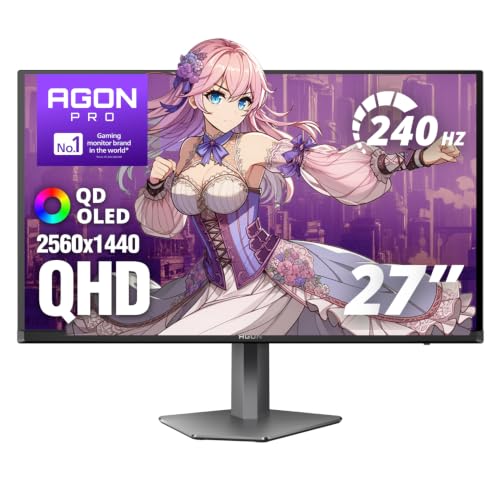
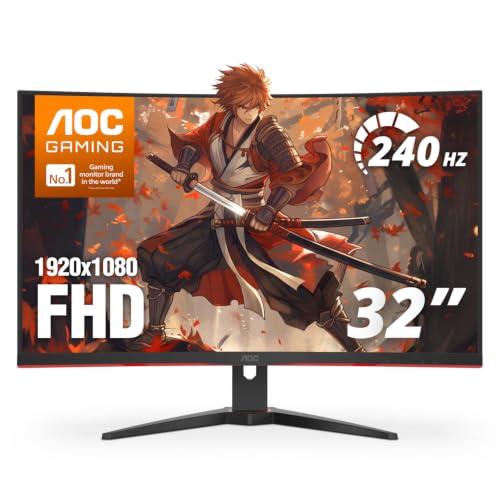
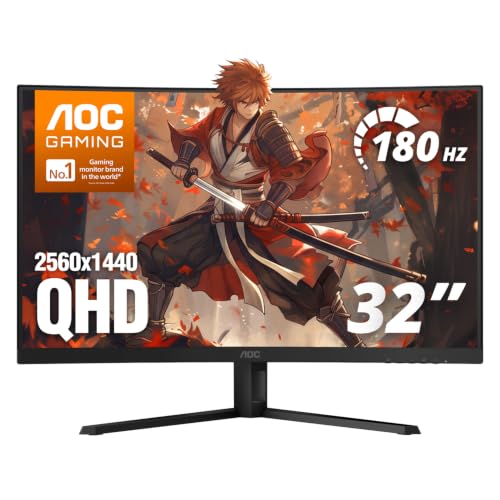

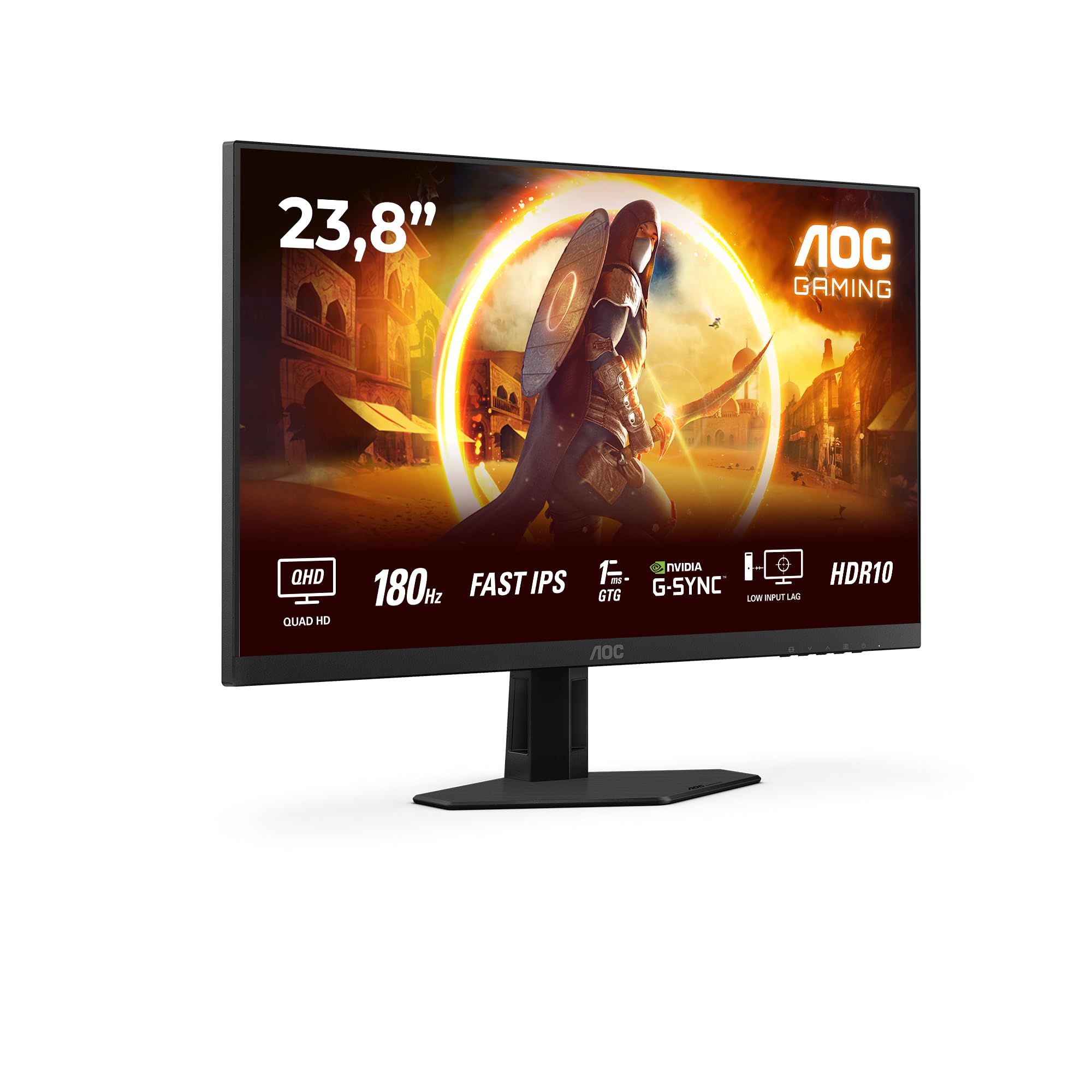

Types of AOC Monitors Compared
AOC monitors fall into a few broad families, and each family makes a different compromise. Large screens trade desk space for comfort and immersion. Budget models trade extra features for a low price. OLED models trade a higher price and some care needs for unmatched contrast, while gaming models trade some color focus for speed. Use the product table above as a starting point, then judge each type against your main use.
As a rough guide, budget displays often sit under $150, large screens often land around $200 to $400, gaming models commonly run about $180 to $450, and OLED models usually start around $500.
Large Screen Options
Large screen options usually means 32 inch and 34 inch displays, including curved ultrawide models that stretch wider than a standard screen. The extra space lets you place two documents side by side, spread a timeline across the full width, or enjoy movies with a stronger sense of immersion. Text stays comfortable at these sizes when you pair the screen with the right resolution.
The trade offs are physical. A big screen needs a deep desk, and a panel placed too close can force constant head movement that tires your neck. Stand footprint also grows, so measure your desk depth first. On a shallow desk, a smaller screen at a sensible distance feels better than a huge panel crowding your face.
Budget Displays
Budget displays focus on the essentials: a clear picture, a standard stand, and the ports most people need for work, school, and everyday browsing. Many use IPS or VA panels at 1080p or 1440p, and many now include modest refresh rates that older cheap screens lacked. For a second screen, that simple formula is often all you need.
What you give up is refinement. Stands may only tilt, speakers may sound thin or be absent, and brightness and HDR effect are usually limited. Color coverage suits documents and video but rarely careful photo editing. Accept those limits going in, and a budget AOC screen can serve you well for years.
OLED Displays
An OLED display lights each pixel on its own, so black areas of the image can turn fully off. That gives you true blacks, very high contrast, and motion clarity that LCD panels struggle to match. Movies at night and dark game scenes look strikingly clean on this type of screen.
The costs are price and care. OLED models cost more than LCD screens of the same size, and a still image left in place for many hours can gradually leave a faint lasting mark called burn in. Normal varied use rarely causes trouble, but a static taskbar shown all day deserves thought. Simple habits later in this guide reduce that risk.
Gaming Displays
Gaming displays are built around speed. They pair a high refresh rate with fast response time and adaptive sync, so motion looks smooth and screen tearing stays away during fast paced games. Many also add gaming menus and crosshair overlays, though the core value sits in panel speed rather than extras.
If you mostly play slower strategy or story games, you may not need the fastest class at all. A mid speed gaming screen with a good panel often looks better than an extreme speed model with weaker color. Console players should note the port limits covered later, since a console cannot use every feature a PC can. For a wider view of the category, see our guide to the best gaming monitors.
Large Screen Options vs Budget Displays: Which Should You Choose?
These two families answer different problems. A large screen solves a space problem: you want room to work and a more immersive view for films and games. A budget display solves a cost problem: you want a dependable screen for daily tasks without paying for extras you will not use.
Compare them on four points. First, workspace: a 32 inch or ultrawide screen changes how you arrange windows, while a 24 inch budget screen does not. Second, sharpness: large screens need 1440p or 4K to stay crisp, while budget 1080p looks fine at smaller sizes. Third, comfort: a big screen on a shallow desk can strain your neck. Fourth, cost: a large screen may push you toward a stronger graphics card for gaming.
Choose the large screen if multitasking or immersion is your daily frustration and your desk can hold it. Choose the budget display if your tasks are documents, browsing, and light entertainment. Many buyers land in the middle with a 27 inch 1440p model, which balances space, sharpness, and price.
How to Choose the Right AOC Monitor
With the types clear, narrow your choice with the specs that change daily use the most. The best aoc monitors for one desk can be a poor fit for another, so work through refresh rate, ports, panel technology, and sync support in that order.
Refresh Rate and Response Time
Refresh rate, measured in Hz, is how many times the screen redraws the image each second. A 60 Hz screen suits office work and video, 144 Hz or 165 Hz feels clearly smoother in games and when scrolling, and 240 Hz mainly serves competitive players. Higher rates only help if your computer or console can deliver frames at that pace.
Response time describes how fast pixels change color, usually quoted in milliseconds. Slow pixels can smear moving objects into a soft trail, which you notice most in dark scenes. Treat maker claims with care, since test methods vary. For console play, current consoles top out at 120 Hz, so a 240 Hz screen brings no extra benefit there.
Connectivity and Ports
Check ports before you fall for a panel. DisplayPort is the usual first choice for a gaming PC because it supports high refresh rates at high resolutions. HDMI serves consoles and laptops, and the version matters: HDMI 2.1 is what unlocks 120 Hz at 4K on current consoles. If console gaming at full speed is your plan, see our guide to the best monitors for PS5.
USB C with video input can carry picture, data, and laptop charging over one cable on models that support it, which keeps a laptop desk tidy. A built in USB hub helps if you plug in a mouse or webcam every day. Confirm the box includes the cable type you need, since a missing DisplayPort cable is a common surprise on setup day.
Panel Technology
IPS panels give you wide viewing angles and dependable color, which suits shared screens, photo work, and general use. VA panels give you deeper contrast for movies and dark rooms, though their viewing angles can be weaker. OLED, covered above, leads on contrast and motion but costs more and needs basic care habits.
Mini LED is a backlight approach used on some LCD models rather than a panel type of its own. Many small backlight zones let the screen brighten highlights and dim dark areas with more precision, which improves HDR impact and narrows the gap to OLED on contrast, usually at a high price. For a broader look at premium panels, see our guide to the best quality monitors.
Adaptive Sync and Gaming Features
Adaptive sync matches the screen refresh rate to the frame rate your graphics card produces, which removes tearing and smooths uneven motion. FreeSync works over a wide range of cards and consoles, while G Sync is the NVIDIA counterpart found on many models in certified compatible form. For PC gaming, this feature is close to essential once you have felt the difference.
Console features deserve a quick check too. Variable refresh rate support helps consoles smooth frame dips, and an automatic low latency mode switches the screen into its fastest setting when a game starts. HDR impact varies a lot, since a screen needs strong peak brightness to show HDR well, so a basic HDR label alone guarantees little. For more on sync trade offs, see our guide to the best computer monitors for gaming.
Tips to Get the Most From Your AOC Monitor
A few setup habits improve any type you choose. Start with picture settings: factory vivid modes push color and brightness past natural levels, so switch to a standard or sRGB mode for work. Set brightness so white areas feel like paper rather than a lamp, which reduces eye strain during long sessions.
Position matters as much as settings. Place the top of the screen near eye level and about an arm length away, and use the stand height adjustment if your model has it. If the stand only tilts, a monitor arm can fix your posture. Check the VESA mount pattern on the back, commonly 100 by 100 mm, before buying an arm.
Care is simple. Clean the screen with a dry or lightly damp microfiber cloth only, and never spray liquid straight onto the panel. On OLED models, let the built in pixel refresh run when prompted, vary your content, and hide static bars when you can. Keep vents clear of dust, and avoid pressing on the panel when you move the monitor.
FAQs
How long do AOC monitors last?
AOC monitors typically last about five to eight years of regular use before brightness fades or parts begin to fail. The backlight ages fastest on LCD models, so a screen used at full brightness for long hours will dim sooner. Keeping brightness moderate and letting the screen sleep when you step away slows that wear. Warranty length varies by model and region, so check the terms before you buy.
Does refresh rate matter on an AOC monitor for office work?
Yes, refresh rate matters on an AOC monitor even without gaming, though the gain is about comfort rather than scores. At 100 Hz or 144 Hz, scrolling text and moving windows look steadier, and long reading sessions feel easier on the eyes. The benefit only appears if your laptop or PC can output that rate over your cable. An older HDMI port may cap the screen at 60 Hz, so check your device limits first.
Is IPS or OLED better for an AOC monitor?
Neither IPS nor OLED is better for every AOC monitor buyer, because each wins on different points. OLED gives you stronger contrast, faster motion, and better dark room movies, while IPS gives you lower prices and safer all day use with static work windows. Choose OLED for entertainment focused use in a dim room. Choose IPS if your screen shows spreadsheets or dashboards in the same place for hours.
Is 4K worth it on an AOC monitor?
Yes, 4K is worth it on an AOC monitor when the screen is 32 inch or larger, or when you edit photos and video and need fine detail. At 27 inch the gain over 1440p is smaller, and at 24 inch most people cannot see a difference worth the price. Remember that 4K gaming demands a stronger graphics card to hold smooth frame rates. For text heavy work, 4K scaling keeps letters crisp while fitting plenty on screen.
What size AOC monitor should you get for your desk?
The right size AOC monitor for most desks is 27 inch, which balances workspace, sharpness at 1440p, and price. Go to 24 inch if you sit close, and go to 32 inch or an ultrawide if your desk is deep and you multitask with several windows open. Before ordering, measure the stand footprint rather than just the screen, since wide feet can crowd out a laptop or speakers.
Final Thoughts
The product table above brings the types together, but your decision rests on three things: the size your desk can handle, the panel that fits your mix of work and play, and a refresh rate your computer or console can actually feed. Match the type to your main frustration first, whether that is cramped windows, a tight budget, weak contrast, or choppy motion.
Confirm ports, VESA spacing, and stand adjustment on the exact model you like, since those details decide how happy you are months later. When you compare the best aoc monitors with those checks in hand, the right choice usually becomes obvious. Prices and availability can change, so check the product page before ordering.