
Best Bench Shoe Racks (2026): Open, Covered and Cushioned Types
Disclosure: We may earn a commission when you buy through links on this page, at no extra cost to you. As an Amazon Associate I earn from qualifying purchases. Learn more
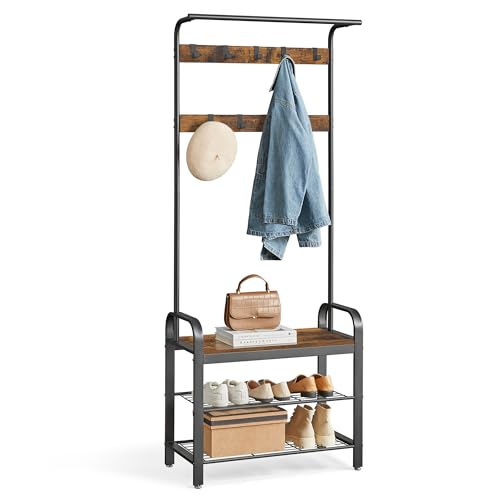
Pick the best bench shoe rack for your entryway: compare open, covered and cushioned benches by seat strength and capacity.
A bench shoe rack solves two entryway problems at once. It gives you a place to sit while you put on or take off your shoes, and it keeps the pairs you wear most often off the floor and within easy reach. Choosing the best bench shoe rack for your home comes down to seat strength, the space you have, and how many pairs the shelves below the seat can hold.
This guide compares the main bench styles by frame material, capacity, and fit, so you can match a design to your doorway, mudroom, or bedroom corner. You will find the product table below a useful summary before you read the details. If you do not need a seat at all, our guide to the best shoe rack covers plain racks in many sizes.

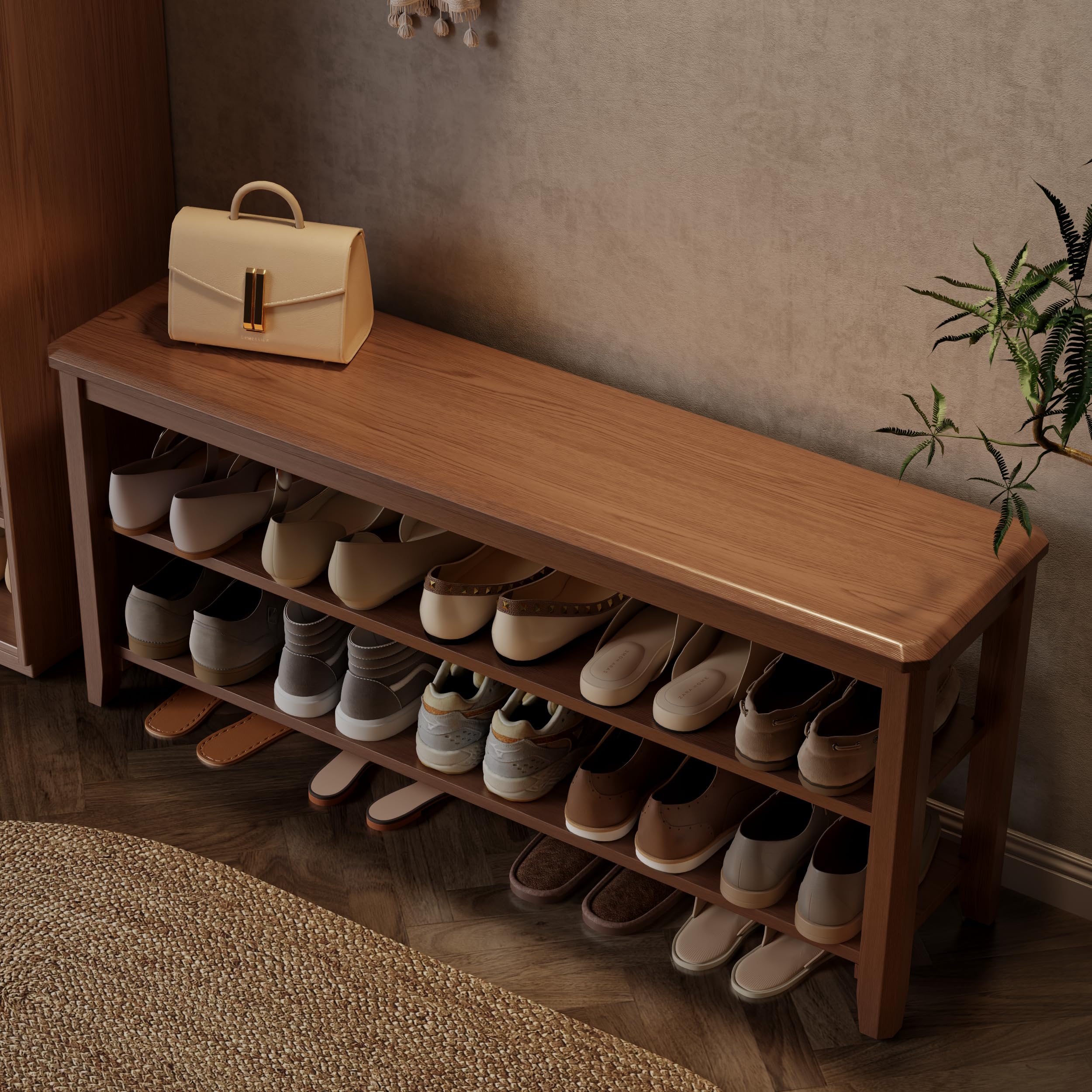
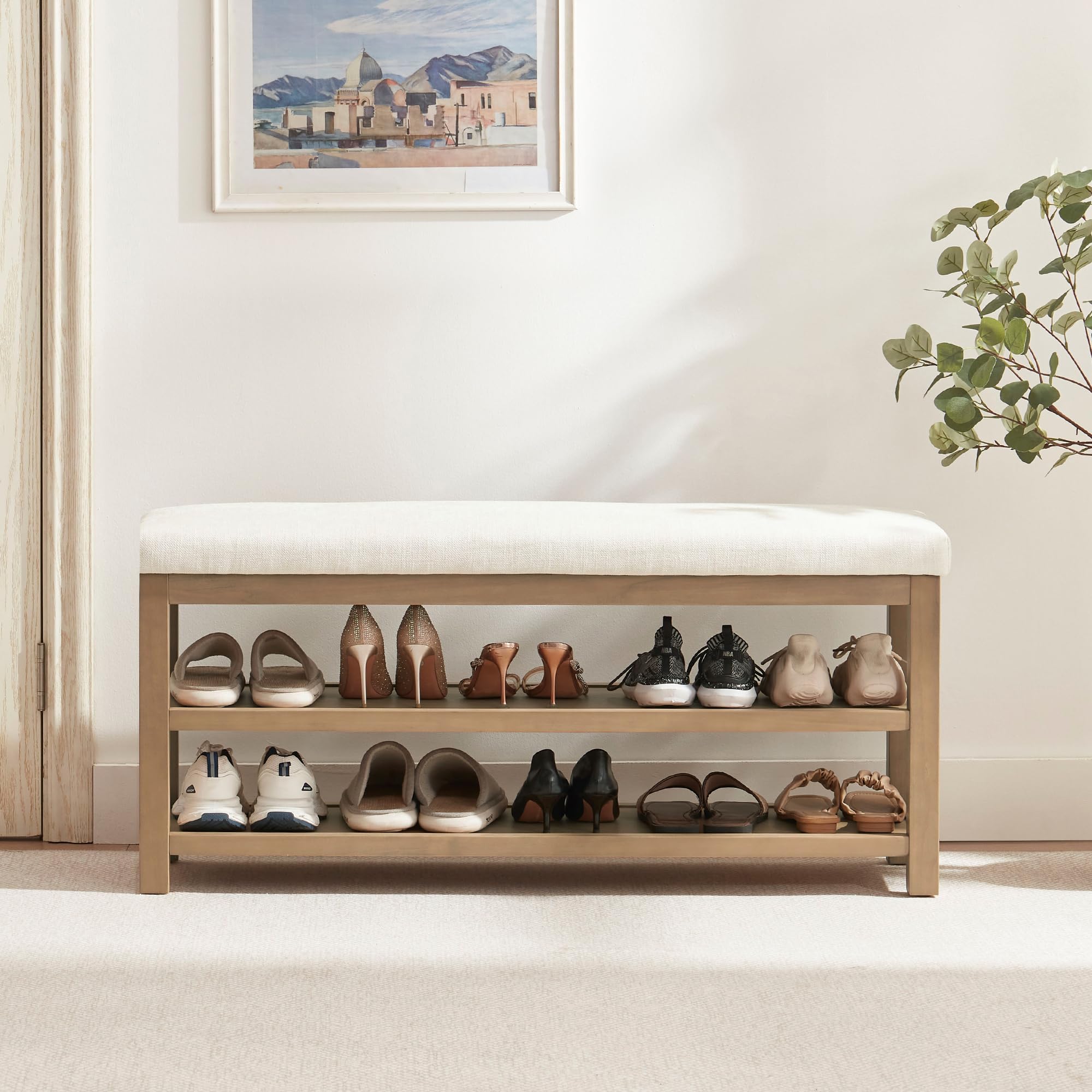
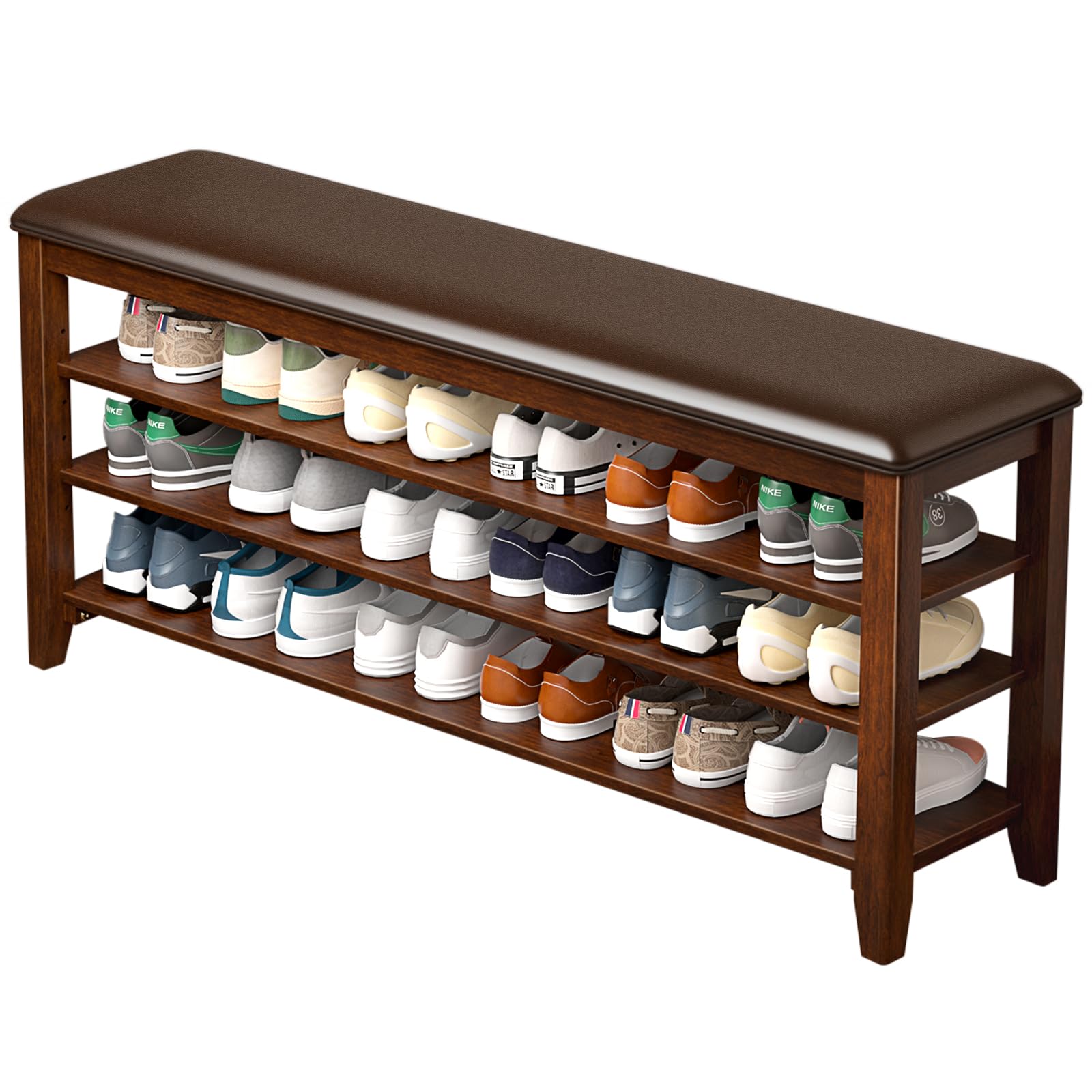

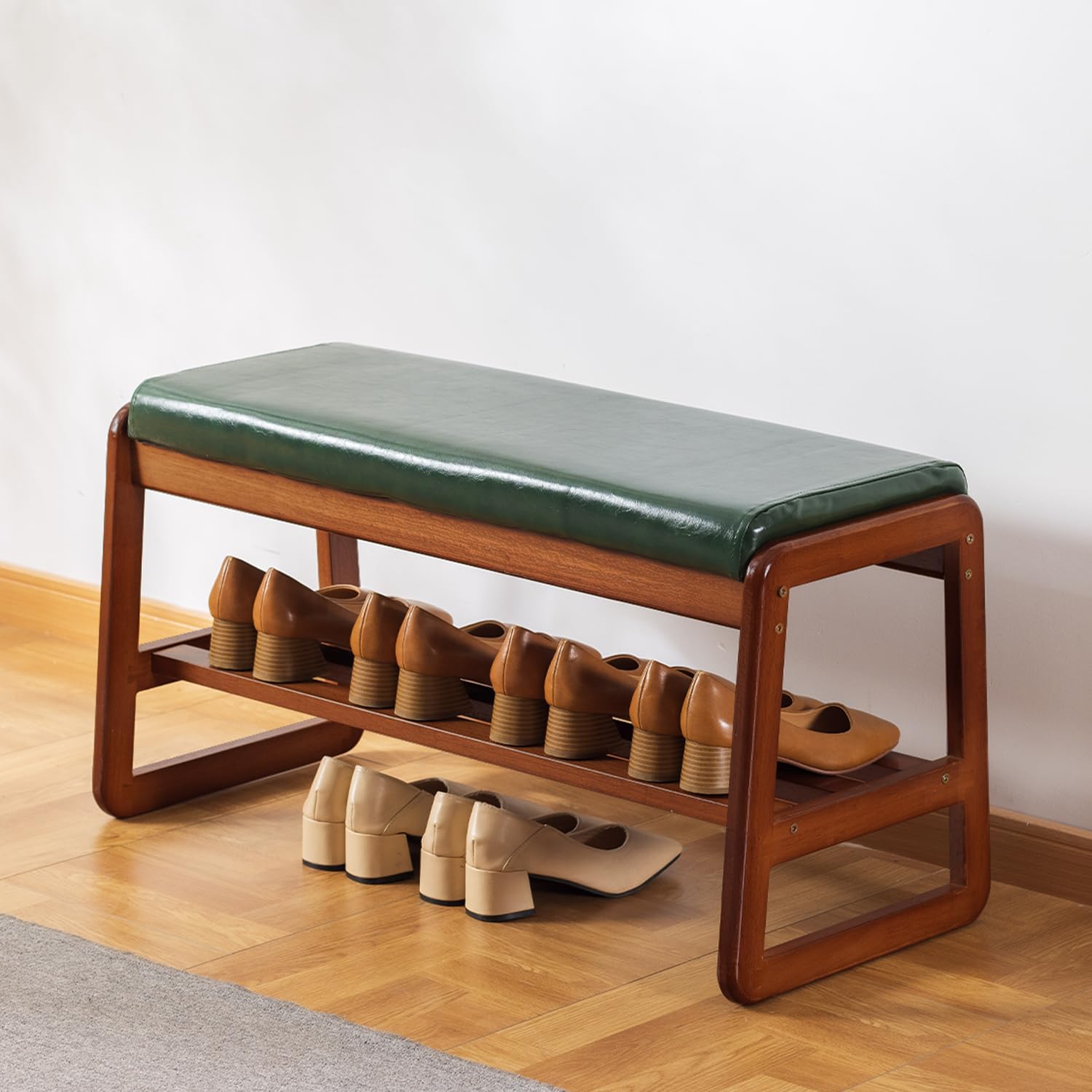

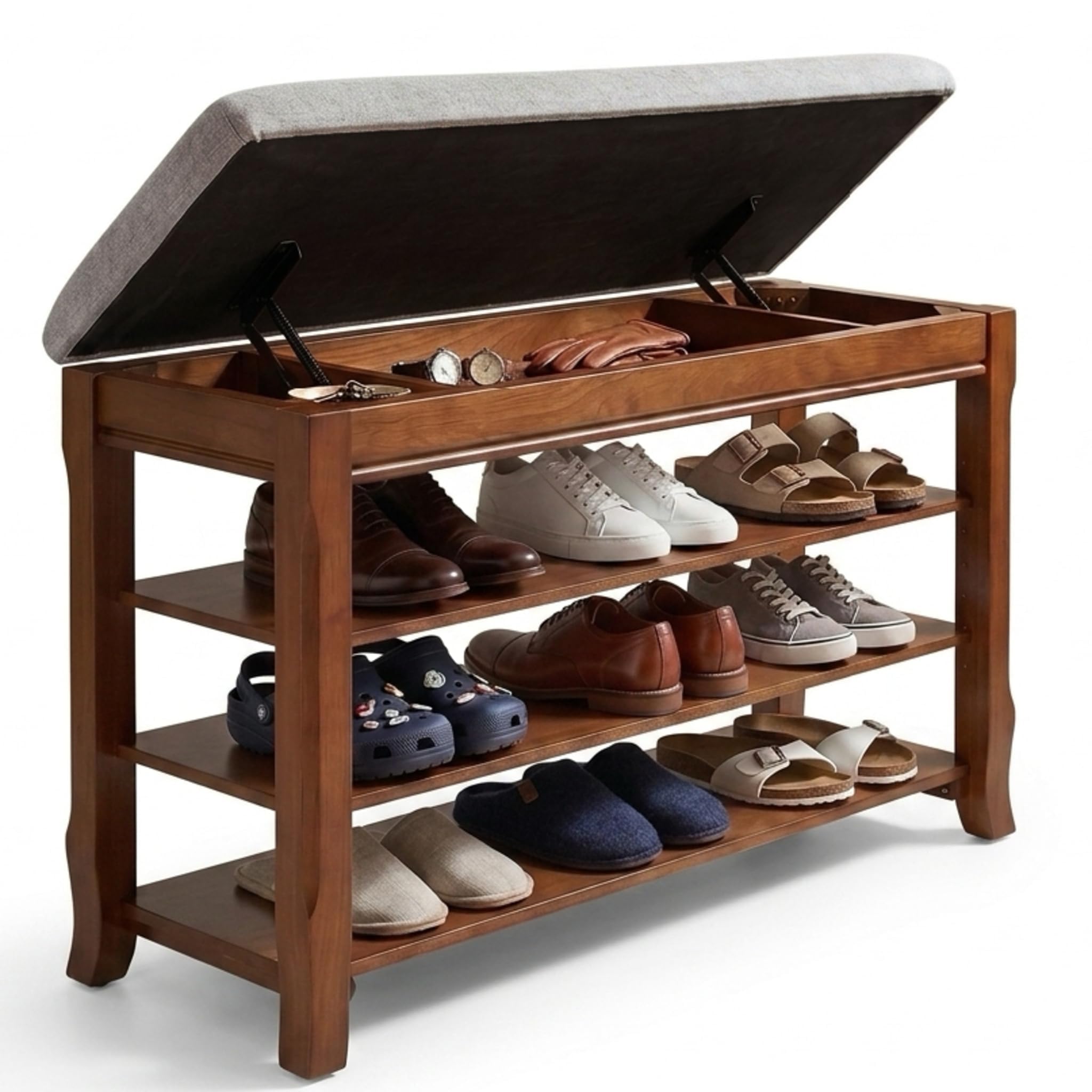
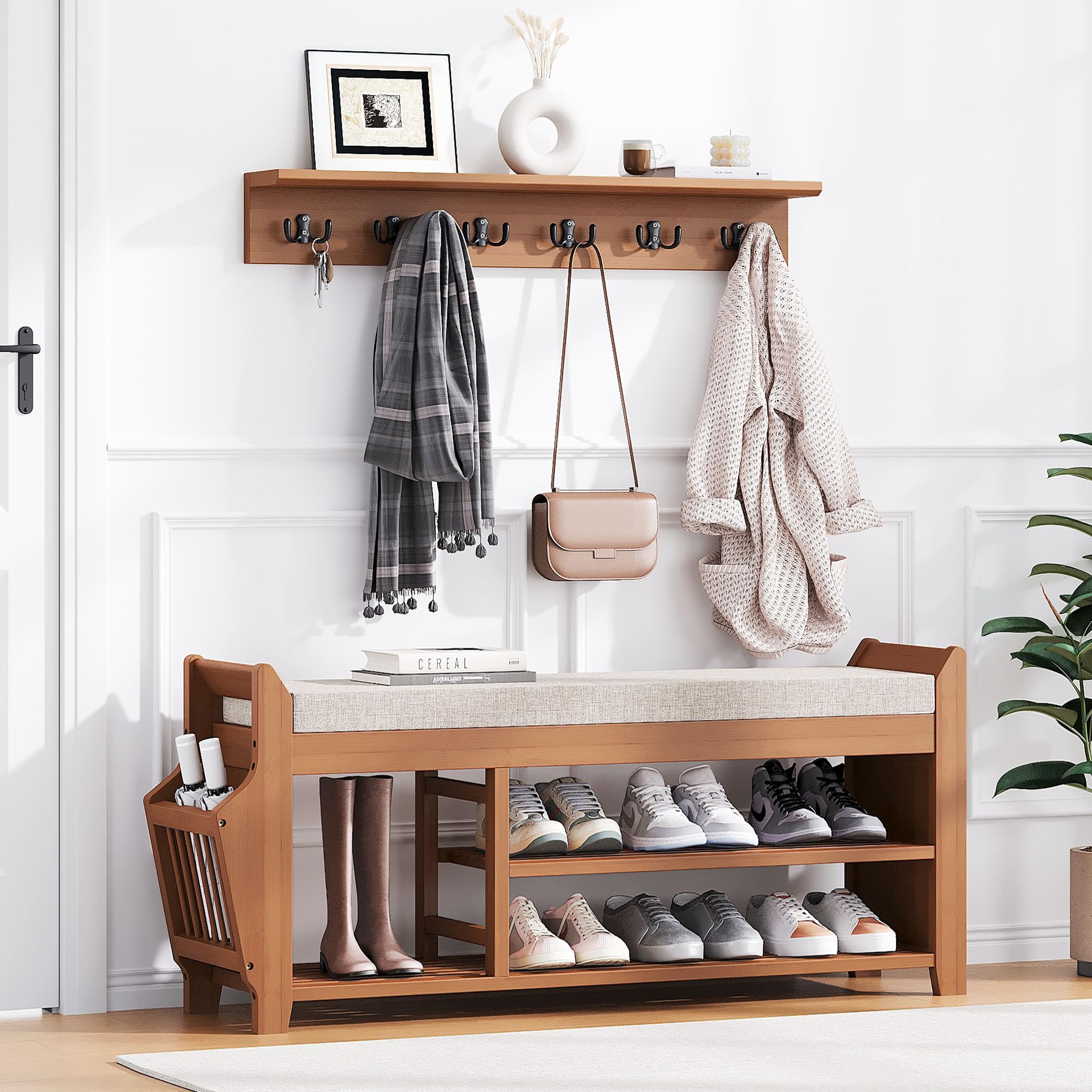
Bench Shoe Rack Types Compared
Bench shoe racks fall into three broad types, and the right one depends on whether you want shoes on open display, hidden away, or cushioned comfort while you sit. All three store shoes under a seat, but they differ in cost, looks, and room per pair.
Open Shelf Benches
An open shelf bench has one or two plain shelves under a flat seat, with no doors or drawers. Shoes slide in and out quickly, air circulates freely so damp footwear dries faster, and you can see every pair at a glance. This is usually the lowest cost type and the easiest to assemble. The trade off is visual: muddy boots and worn sneakers stay on show, and dust settles on pairs you wear less often.
Benches With Covered Storage
Some benches hide shoes behind doors, inside drawers, or under a lifting seat. Covered storage keeps an entryway looking tidy and protects shoes from dust and sunlight. It also slows you down a little, since you open a door or drawer each time, and the compartments fix the space each pair gets. Tall boots rarely fit inside, so measure the compartment height before you count on storing them there.
Cushioned Seat Benches
A padded seat makes longer tasks more comfortable, like helping a child with laces or pulling on tall boots. The storage below is usually open shelving, and the cushion adds height, so check the total seat height if older family members will use it. Fabric cushions need more care than a bare seat, and light colors show mud quickly.
What Matters Most When You Compare Bench Shoe Racks
Judge every bench against the same short list. First, the seat must carry the weight of the heaviest person who will sit on it, with a clear margin. Second, the shelves must fit your actual shoes, including the tallest pair you wear weekly. Third, the frame material and finish must suit the spot, since entryways bring water, grit, and daily knocks. Cleaning effort and price come after those three, because a bench that sags or crowds your shoes fails at its main job no matter how little it cost.
How to Choose the Right Bench Shoe Rack
Size and Form Factor
Measure the wall space first, then leave a few inches of clearance so the bench does not crowd the door swing. Most benches run about 28 to 48 inches wide, 12 to 14 inches deep, and 18 to 20 inches high at the seat, a height that suits most adults for sitting. A narrow bench around 24 to 30 inches wide suits a tight hallway. If floor space is your main limit, compare the compact options in our guide to the best shoe rack for small spaces before you settle on a bench.
Capacity and Shoe Fit
Count pairs, not shelves. A two tier bench about 40 inches wide typically holds about 6 to 8 pairs of adult shoes, fewer if you store wide sneakers or work boots. Check the vertical gap between shelves as well: about 5 to 6 inches suits most shoes, while ankle boots need about 8 to 10 inches and tall boots usually need a shelf removed or a spot beside the bench. Store only the pairs you wear each week under the seat and move seasonal footwear to a closet to keep the bench usable.
Seat Strength and Comfort
The seat is the feature that separates a bench from a plain rack, so treat its weight rating as a headline spec. Look for a stated capacity of at least about 250 pounds for a bench adults will use daily, and more if two people may sit side by side. A solid seat panel flexes less than thin slats, and a frame with a center support stays steady on longer benches. Sit height matters too: a seat much below 17 inches or above 21 inches feels awkward for most people when tying laces.
Frame Materials and Finish
Solid wood and bamboo benches feel sturdy and suit living areas, but check that the finish can handle damp shoes set on the shelves. Powder coated steel frames carry heavy loads in a slim profile and shrug off wet boots, though the look is more plain. Engineered wood keeps the price down, yet its edges and joints suffer if water pools on them, so it fits a dry bedroom corner better than a wet mudroom. Whatever the material, look for feet or pads that protect your floor from scratches and trapped moisture.
Types Beyond the Entryway Bench
The bench format works best where you sit to change shoes, but other rooms call for other formats. Inside a wardrobe, a low bench can double as a dressing seat, and our guide to the best closet shoe rack covers racks shaped for that space. Outdoors or in a workshop, a bench seat rarely earns its cost, and the sturdier options in our guide to the best shoe rack for garage handle heavy boots and dirty soles better. Match the format to the room instead of forcing one style everywhere.
Features Worth Paying For
A few extras genuinely help. Adjustable or removable shelves let you change the gap when boots join the rotation. A cushion that lifts off for cleaning saves effort after muddy weeks. Hooks or a small side rail suit a hallway where bags and dog leads also need a home. Doors earn their price when you want shoes hidden, a point covered in more depth in our comparison of shoe rack vs shoe cabinet designs. Skip extras you will not touch weekly, since each one adds cost and assembly time.
How Much Should You Spend?
Most bench shoe racks fall between about $50 and $200. At about $50 to $80 you get simple open shelf benches in engineered wood or light metal, fine for one or two people. Spending about $80 to $140 usually buys a stronger seat, better finish, and room for about 8 pairs. Above about $140, expect solid wood, covered storage, or a thick cushion rather than more shoe space. Pay for seat strength and fit first, because those decide whether the bench still works for you a year from now.
Bench vs Other Shoe Racks: Pros and Cons
A bench earns its place when you sit down to change shoes every day, when children need help with laces, or when an older family member finds standing on one foot hard. It also turns dead space by the door into seating, which a plain rack cannot do. The costs are real, though. A bench takes more floor space than a tall narrow rack holding the same pairs, stores fewer pairs per inch of wall, and usually costs more. If your hallway is narrow or your collection is large, a vertical rack or a closed cabinet will serve you better. Choose the bench when the seat itself solves a daily problem, not just for looks.
Common Mistakes to Avoid
- Buying by width alone and forgetting shelf height, so your boots end up on the floor beside the bench anyway.
- Ignoring the seat weight rating, then finding the bench flexes or creaks under the heaviest person in the house.
- Placing the bench where it blocks the door swing or a heat vent, which makes the room feel cramped and traps damp air.
- Filling every shelf on day one, leaving no room for the guest shoes and seasonal pairs that arrive later.
- Setting wet shoes on an unsealed wood shelf, which stains the finish and can swell the joints over time.
- Choosing a light fabric cushion for a mudroom, where mud and grit will mark it within weeks.
Care and Cleaning
Shake out the shelves weekly and wipe them with a damp cloth, since grit under shoe soles acts like sandpaper on most finishes. Tighten the frame screws and bolts about twice a year, because sitting loads work joints loose over time. Keep a small mat or tray under the bench in wet months so melt water and mud stay off the floor and the bench feet. If the seat is wood, clear standing water the same day to protect the finish.
FAQs
What is the best bench shoe rack?
The best bench shoe rack is the one whose seat rating, size, and shelf height match your household. For most entryways that means a bench about 32 to 44 inches wide, a seat rated for at least about 250 pounds, and shelves that fit your tallest weekly pair. Covered models suit tidy hallways, while open shelves suit families who grab and go. No single style wins for every home, so rank your own needs in that order before you buy.
Are bench shoe racks worth it?
Yes, if you sit to change shoes or struggle to balance while standing. The seat adds real daily value in homes with children, older adults, or anyone who wears lace up boots. If everyone in your home slips shoes on while standing and floor space is tight, a plain rack gives you more storage for less money and less room. Worth depends on the sitting habit, not on the storage alone.
How long does a bench shoe rack last?
A well built bench should last about 5 to 10 years of daily use. Solid wood and steel frames sit at the long end of that range, while engineered wood benches in wet entryways wear out sooner as joints and edges take on moisture. Lifespan drops fast if the seat is loaded past its rating, so the weight limit you checked at purchase is also your best guide to how long the bench will serve.
Is a shoe rack worth it?
Yes, for almost any home with a door where shoes gather. Even a simple rack keeps soles off clean floors, helps damp shoes dry, and stops the morning search for a missing pair. The benefit grows with household size, since three or more people can scatter a dozen pairs across an entryway in a single week. A rack pays off in saved time and cleaner floors rather than in looks alone.
How do you clean a bench shoe rack?
Start by taking every pair off, then vacuum or brush the shelves to lift grit before any water touches the surface. Wipe wood and metal with a cloth dampened with mild soapy water, and dry at once. For a fabric cushion, check whether the cover removes for washing, and treat mud spots only after they dry and brush loose. Cleaning after a wet week matters most, because damp grit left in corners stains finishes and feeds odors.
What is the most reliable shoe rack brand?
No single brand is most reliable across every bench style, and brand name alone tells you less than construction does. Judge a maker by the stated seat rating, the frame material and joint type, the length of the warranty, and whether spare parts or hardware are offered. A lesser known maker using solid wood and bolted joints will outlast a famous label built from thin panels and cam locks. Read the spec sheet before the logo.
Final Thoughts
A good bench shoe rack gives you a steady seat and a tidy doorway in one piece of furniture. Put seat strength first, measure for your tallest shoes, and pick covered or open storage based on how tidy you need the room to look. The product table above pulls the key specs together so you can compare quickly. When you find the best bench shoe rack for your space and habits, it will earn its spot by the door every single day.


