Best Bench Saws for Every Need: How to Pick the Right One for 2026
Disclosure: We may earn a commission when you buy through links on this page, at no extra cost to you. As an Amazon Associate I earn from qualifying purchases. Learn more
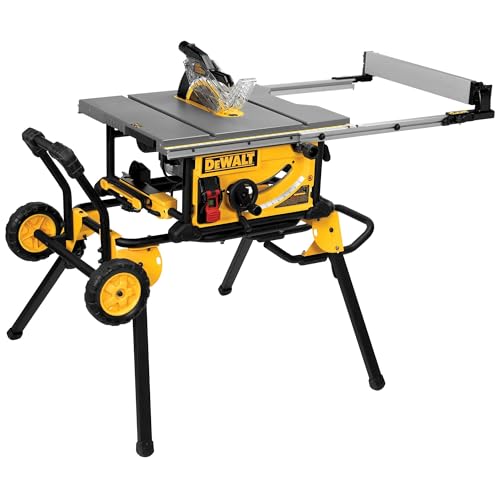
Match the best bench saws to your projects with this guide to saw types, motors, safety features, blades, and the specs that matter most for home workshops.
There is no single bench saw that suits every workshop, because the category covers several tools that happen to share a bench: compact table saws, miter saws, band saws, and scroll saws, each built for different cuts. A furniture maker breaking down sheet goods needs a very different machine from a hobbyist cutting picture frame molding. This guide to the best bench saws starts with how you actually work, then matches saw types, motors, and safety features to that work.
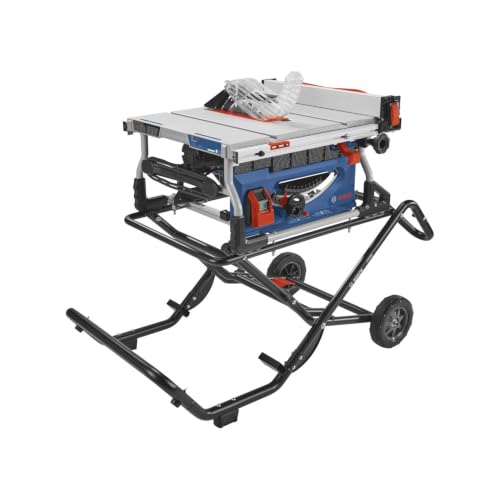
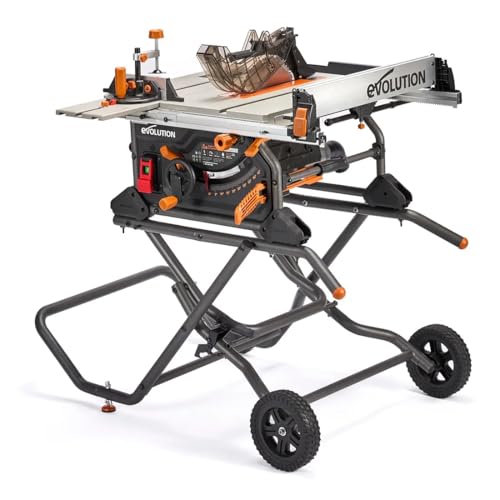
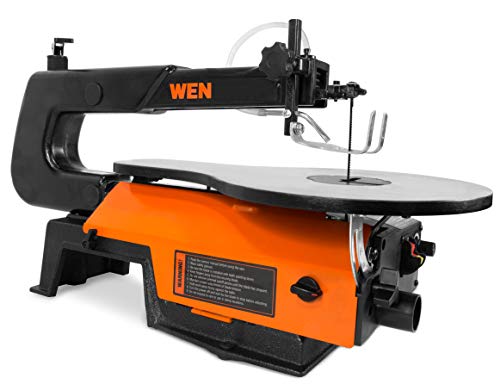
The comparison table below puts current bench mounted options side by side. Read it with your next three projects in mind, and note rip capacity, blade size, and weight for each model, because those three specs decide what the saw can cut and where it can live.
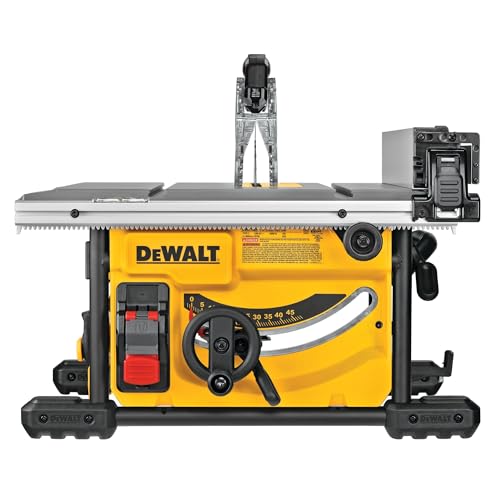


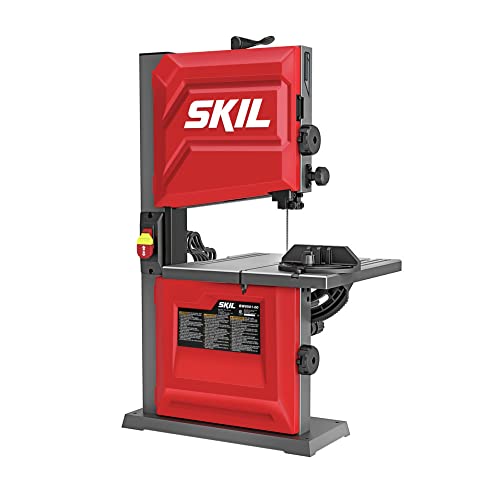
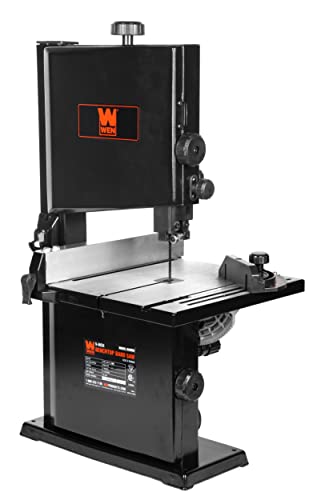
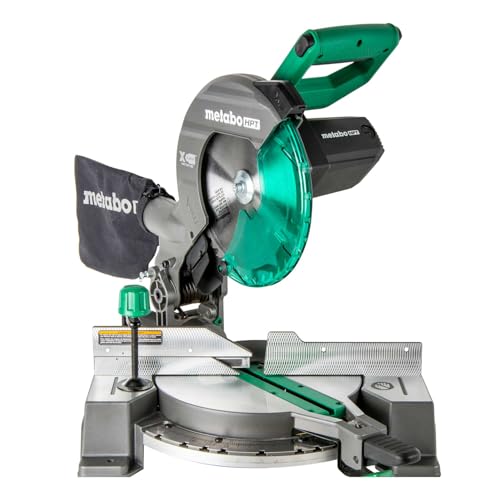
Who Should Buy Which Bench Saw?
For First Time Buyers
Your first bench saw should be simple, predictable, and forgiving. A compact table saw or a single bevel miter saw with clear angle stops covers most starter projects: shelving, trim, deck repairs, and simple furniture. Prioritize a fence that locks parallel without fuss, a blade guard you can see through, and a manual written in plain language, because you will consult it often. Budget around $150 to $300 and put the change toward a stand, a quality blade, and eye and ear protection. Avoid buying the largest saw in the store; a smaller saw you understand and set up carefully cuts straighter than a big one you fight.
For People Who Want the Best Performance
Performance buyers should pay for the motor, the fence, and the table, in that order. A strong motor, 15 amps on corded models, holds blade speed through hardwood instead of bogging and burning the cut edge. A rack and pinion or heavy steel fence stays accurate after hundreds of adjustments, and a flat cast table keeps workpieces registered against the blade. If your work is curved cutting in thick stock, our guide to the best bench top band saws covers resaw capacity and blade guides in depth. Expect serious bench models around $400 to $900, and judge them on dust collection too, because a powerful saw that blinds you with dust slows every cut.
For Gift Shoppers
A bench saw makes a generous gift, but only when it matches the recipient and their space. Choose a widely available model from a major brand, because blades, fences, and warranty service stay easy to find for years. Cordless models on a common battery platform are the safest gift for someone who already owns tools from that platform, since the battery and charger may already be in their garage. Include the receipt, confirm the return window, and consider adding a gift card for the blade they will actually need. A compact model suits apartment workshops and shared garages far better than a heavy saw that needs a permanent bench.
Key Features to Compare
Durability and Brushless Motors
Durability on a bench saw shows up in the table surface, the fence rails, and the trunnion that holds the blade at angle. Cast iron and thick aluminum tables resist warping and damp vibration; thin stamped steel tables flex under sheet goods. On cordless models, a brushless motor delivers more torque per battery charge and lasts longer because there are no brushes to wear out, which matters if the saw will cut framing lumber all day. For corded models, motor amperage and a thermal overload switch are the durability markers to compare. Whichever type you choose, check that replacement parts like arbor washers and fence locks are listed by the maker.
Weight, Ergonomics, and Vibration
Bench saws range from about 25 lb portables to fixed models over 100 lb, and weight cuts both ways. A heavier saw vibrates less and stays planted during cuts, which improves accuracy and safety. A lighter saw moves to the work, stores on a shelf, and suits renters and small shops. Ergonomics decide how the tenth cut feels: look for controls at the front of the saw, a power switch you can reach without looking, and handles placed for a balanced two person lift. Practical tip: if you will move the saw weekly, buy the stand with wheels now rather than improvising later, because dragging a saw by its table edge bends fences out of square.
Safety Features
Treat safety features as buying criteria, not accessories. A riving knife that rises and falls with the blade prevents the workpiece from pinching the blade and kicking back toward you. An electric brake stops the blade quickly after you switch off, which shortens the window for accidents while reaching for cut pieces. A clear blade guard, anti kickback pawls, and a large paddle switch you can bump off with a knee all earn their place. If your projects lean toward handheld cutting, our guide to the best power saws covers the different guard and brake designs on portable models. Whatever you buy, read the manual fully before the first cut and keep guards fitted for every cut they allow.
Corded vs Cordless (Battery Platform)
Corded bench saws deliver full power for as long as the job runs and cost less for the same cutting capacity, which is why most fixed workshops stay corded. Cordless bench saws trade some runtime for freedom: no cord across the floor, quick setup in a driveway or on a job site, and one battery platform shared with drills and other tools, commonly 18V or 20V max systems, with larger 40V class platforms for heavier cutting. The catch is ecosystem lock in, because batteries rarely work across brands. If you already own several tools on one platform, a cordless saw on that platform is often the smart money. For all day ripping sessions, corded still wins.
Common Mistakes to Avoid When Buying Bench Saws
- Shopping by price alone. A cheap saw with a flexing fence costs you material on every bad cut, which adds up faster than the price gap.
- Ignoring motor type and power. Underpowered motors bog down in hardwood, burn cut edges, and strain belts, while a brushless or strong corded motor holds speed.
- Buying too much or too little saw. Oversized saws crowd small shops and go unused; undersized saws fail the first time you rip a full sheet or thick beam.
- Forgetting blade and accessory costs. The stock blade is often mediocre, so budget for a quality blade, a stand, and dust collection from the start.
- Skipping the warranty and parts check. A saw without available parts or local service becomes disposable the first time a fence lock or switch fails. If your work is mostly straight crosscuts in lumber, our guide to the best skill saws explains when a handheld saw covers the job for less bench space.
Care and Maintenance Tips
- Wear eye and hearing protection on every cut. Bench saws throw fine dust and chips at face height and run loud enough to damage hearing over a long session.
- Let the tool do the work; do not force it. Feed stock at the pace the blade accepts. Forcing a cut overloads the motor, wanders the blade, and raises kickback risk.
- Keep blades sharp and clean. Pitch buildup makes a sharp blade act dull, so clean blades with a resin remover and replace or sharpen them when cuts start to burn.
- Check alignment monthly. A few minutes confirming the blade sits parallel to the fence prevents drifting cuts and binding that no amount of force can fix.
- Unplug or remove the battery before blade changes. Make it a ritual with the wrench stored on the saw, and wait for a complete stop before reaching near the blade.
Bench Saws: Your Questions Answered
Corded or cordless: which is better for DIY?
Corded is better for most DIY bench work because it delivers steady full power, costs less per unit of capacity, and never stops mid project for a charge. Cordless wins when your bench moves between garage, driveway, and job sites, or when you already own batteries on a major platform. A hybrid approach works well for many home shops: a corded saw as the fixed station and cordless handheld tools for everything else.
Can I use batteries across brands?
No, you generally cannot use batteries across brands, because each maker uses its own battery shape, contacts, and electronics. A few adapter plates exist, but they can void warranties and may bypass the safety communication between battery and tool, so they are a poor idea on a high draw tool like a saw. The practical move is to pick one platform for your cordless tools and stay with it, which is why your existing drill and driver often decide your saw.
Is a brushless motor worth it?
A brushless motor is worth it on a cordless bench saw you will use often, because it extracts more cuts from each charge, delivers stronger torque under load, and removes brush replacement from your maintenance list. On a corded saw the question does not apply in the same way, since corded models use different motor designs judged by amperage instead. For a saw that comes out twice a year, a brushed cordless model at a lower price is a rational buy.
What specs matter most for home projects?
The specs that matter most for home projects are rip capacity, which decides the widest board you can cut, blade size, which sets maximum cut depth, and motor power, which decides how the saw handles hardwood and sheet goods. After those three, weigh fence quality and dust port size, because they affect every single cut. Table size and weight matter mainly in relation to your space: measure your bench and doorway before falling for a large model.
Our Verdict
Start from your projects, then choose the saw type, then the motor and fence. That order keeps you from paying for capacity you will never use or starving the cuts you make weekly. Compare your shortlist in the product table above against those priorities, and the best bench saws for your shop will be the ones that fit your space, your stock, and your habits at the same time. Set the saw up carefully, keep the guards on, and it will repay you with straight cuts for years.