Best Belt Knife Sharpener: Types and Buying Tips (2026)
Disclosure: We may earn a commission when you buy through links on this page, at no extra cost to you. As an Amazon Associate I earn from qualifying purchases. Learn more

Angle guides, belt costs and your knife set decide the match. Compare three types to find the best belt knife sharpener for your kitchen.
Your chef knife used to glide through onions, and now it skids across the skin and crushes the layers instead. A belt sharpener can bring that edge back in minutes, but only if the machine fits your counter, your knives, and how your household cooks. This guide to finding the best belt knife sharpener for your home sorts the options by kitchen size, number of users, and budget.
You will learn which belt type suits your routine, how steel and blade shape change the settings you need, and what the machine costs over time. Start with the comparison table below, then use the checklist that follows.

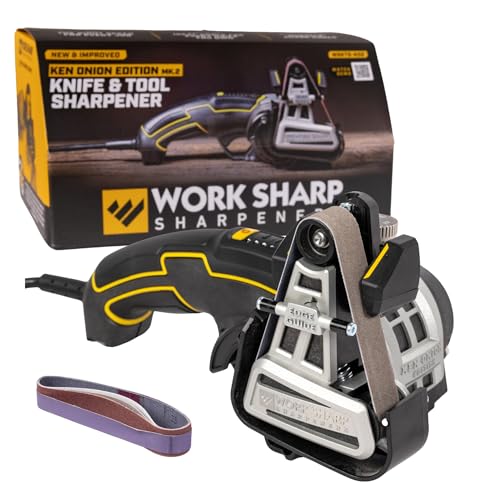

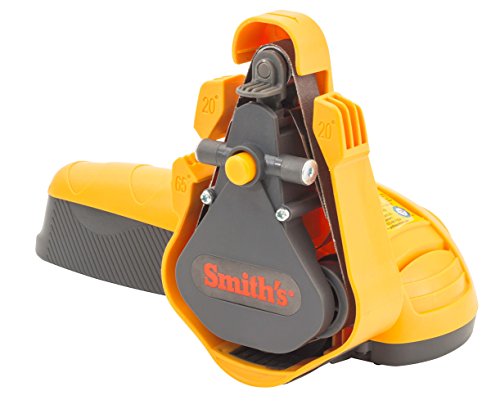
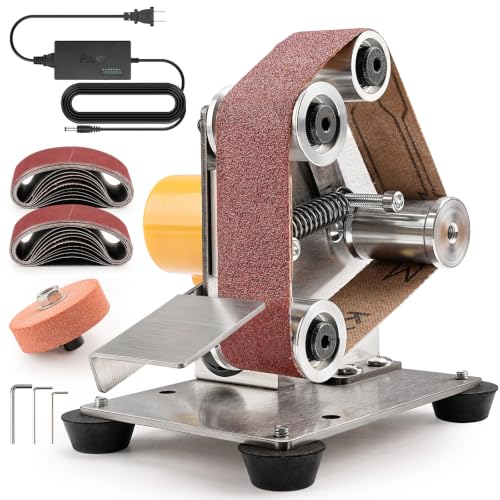

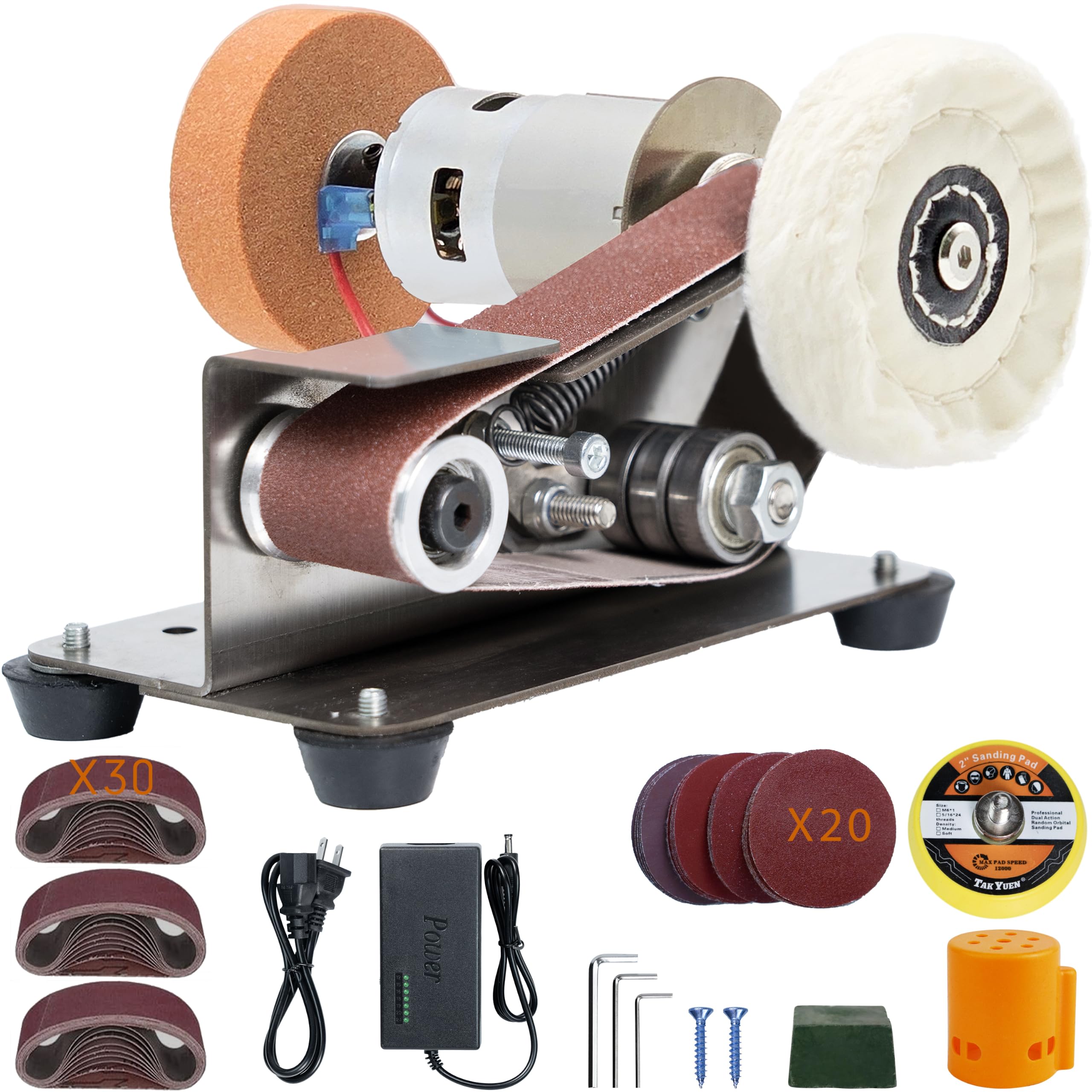


Quick Answer: The Main Belt Sharpener Types in 30 Seconds
Belt sharpeners fall into three broad groups, and the right one depends on how many knives you maintain and how much room you can give the machine.
- Compact guided belt units: small footprint, fixed angle guides, and simple belt swaps. Best for most homes with a handful of knives.
- Value belt kits: basic motors and few included belts. Best for small households that sharpen a few knives a few times a year.
- Larger adjustable belt units: variable speed, wider angle range, and room for bigger blades. Best for keen cooks who also maintain outdoor and workshop knives.
Before You Buy: A Quick Checklist for Choosing a Knife Sharpener
Work through these five points before you compare prices. They decide whether a sharpener feels effortless weekly or ends up stored away.
Which Type Fits Your Routine
Electric belt units do the grinding for you and suit anyone who wants a dull knife fixed fast, while manual options such as pull through sharpeners, whetstones, and rolling sharpeners ask for more skill or more passes. Guided belt systems sit in a helpful middle ground, because the guide holds the angle while the belt removes metal at a steady rate. If several people will use the machine, pick guided operation, since results should not depend on one confident user.
Steel Type and Hardness (HRC)
Blade steel hardness, measured on the Rockwell C scale, changes how a belt should treat the edge. Softer kitchen steels, often about 56 to 58 HRC, grind quickly and forgive extra passes. Harder steels, often about 60 to 62 HRC, hold an edge longer but can chip if a coarse belt runs too fast or too hot. Look for variable speed or a gentle fine belt if your set includes hard blades, and let the belt do the work rather than pressing down.
Blade Geometry: German vs Japanese
German style blades are usually thicker behind the edge and sharpened at a wider angle, often near 20 degrees per side, which makes them sturdy for heavy board work. Japanese style blades are thinner, harder, and often ground near 15 degrees per side, giving finer slicing but less tolerance for twisting cuts. Your sharpener needs guides or settings that cover both angles if your drawer mixes the two styles, since a machine locked to one angle leaves half your knives with a mismatched edge.
Handle, Bolster and Balance
On a belt sharpener you move the knife, so the handle becomes part of the tool. A bulky bolster can block the heel of the blade from reaching the belt, leaving the back section dull. Large handles also need clearance beside the machine, which matters in a tight kitchen. Check that the guide slot lets the full edge travel in one smooth pass. If a family member has weaker grip strength, a guide that supports the blade matters even more.
Realistic Budget Ranges
Prices start low, but under $20 mostly buys replacement belts or simple manual tools, not a powered belt unit. Spending under $50 covers entry level belt kits with one speed and few belts, fine for occasional use. Guided home units with several belt grits and angle options usually cost about $50 to $100, while variable speed and stronger motors push prices to about $100 to $200. Spending more only makes sense if those extras match knives you already own.
Types Compared: Three Belt Sharpener Styles Worth Your Money
Here is how the three styles compare.
Compact Guided Belt Units for Most Homes
A compact guided unit is the natural starting point for a household with four to eight kitchen knives. The guides hold a set angle on both sides of the blade, the belts swap in seconds, and the machine stores in a drawer or a short cabinet shelf. You give up the freedom to set unusual angles, so exotic blades may not suit it. For a family cook who sharpens monthly and wants the same result every time, that trade is worth making.
Value Belt Kits for Small Households
A value kit pairs a simple motor with coarse and fine belts and little else. It suits one or two person homes where knives see light use and sharpening happens a few times a year. Expect to work more slowly, check the edge more often, and replace belts sooner, because starter belts wear fast on very dull blades. The low entry cost lets you learn belt sharpening before deciding whether you want a larger machine later.
Larger Adjustable Belt Units as a Long Term Investment
A larger adjustable unit adds variable speed, a wider angle range, and open belt access for freehand work once your skill grows. It earns its keep in homes that maintain many knives, longer blades, scissors, or garden tools rated for the belt. The costs are counter space, noise, and a steeper learning curve for other family members. Buy this style for the workload you have now, not for a collection you only imagine building.
Our Selection Process for the Best Belt Knife Sharpeners
We judge belt sharpeners on the points you will live with: how well the guides hold an angle, how the belts handle soft and hard steels, how much space the machine needs, and how simple belt changes and cleaning feel in daily use. We weigh maker specifications, owner feedback patterns, and belt costs over years of use. A sharpener scores well only when it suits a defined home, not when it claims to suit every home.
What Belt Sharpeners Do Well and Where They Fall Short
Belt sharpeners restore neglected edges far faster than a whetstone, and they reshape a damaged edge without an hour of hand work. Compared with pull through tools, they remove metal in a controlled way across several grits, so you can stop at repair or continue to a fine polish. Against a guided rod system, the belt covers long blades in fewer passes. If you are weighing powered options more broadly, our guide to the best electric knife sharpener covers slot based machines.
The limits are real. A belt can overheat a thin edge if you linger in one spot, and it can round a fine tip if the pass ends carelessly. Belt machines also need replacement belts and a work area kept clear of food prep. Families who only need light touch ups may be happier with a honing rod for weekly care, which is why understanding honing vs sharpening helps before you spend anything.
Common Buying Mistakes to Avoid
- Buying for counter space you do not have: a wide machine dragged out of a closet will rarely get used, so measure the storage spot first.
- Ignoring belt replacement costs: a cheap unit with pricey or scarce belts can cost more over three years than a mid priced unit with common belts.
- Choosing one fixed angle for a mixed knife set: German and Japanese blades in one drawer need a machine that covers both angle ranges.
- Paying for workshop capacity in a small kitchen: extra power and open belt access add size and noise a four knife household will never use.
- Skipping the guide for a shared home: freehand belt work varies by user, so several cooks get uneven edges without guides.
Cost of Ownership and Care
Belts are the main running cost. A coarse belt does the repair work and wears fastest, while fine belts last longer because they remove little metal. Store spare belts flat and dry, away from kitchen steam, and keep the machine unplugged while you change them. Budget for at least one replacement set a year if you sharpen for a large household.
Care is simple. Brush loose metal dust off the housing after use, wipe the guides clean so grit does not scratch the next blade, and check the belt for tears or shiny worn patches before each session. A worn belt generates heat instead of cutting, which is hard on thin edges. Our notes on how to clean a knife sharpener cover deeper cleaning steps for guides and housings. Keep the cord loosely coiled in storage.
Your Questions, Answered
What is the most reliable knife sharpener brand?
Reliability in this category tracks build details more than a name. Look for a maker that sells replacement belts openly, lists motor and belt specifications, and offers a clear warranty with reachable support. A brand that has sold the same belt format for years is a safer bet than one that changes formats often, because your machine is only useful while belts stay easy to buy. Check owner feedback on guide wear and belt tracking, since those parts decide long term satisfaction.
How do you clean a knife sharpener?
Unplug the machine and let the belt stop fully before you touch anything. Brush metal dust out of the belt area with a soft dry brush, wipe the guides with a slightly damp cloth, and dry every part before storage. Never rinse a powered sharpener under a tap, and never use compressed air near your face, since fine metal particles can blow into eyes. Cleaning after each use keeps old grit from marking the next blade.
Is a knife sharpener worth it?
For most home cooks, yes, because a sharp knife slides through food with less force, and less force means more control at the board. The value grows with how often you cook and how many knives you own. Sending knives out for sharpening several times a year can cost more than a home unit surprisingly fast. If you cook rarely and own two knives, a sharpening service or a simple manual sharpener may be the smarter spend.
How long does a knife sharpener last?
A powered belt unit can serve a household for many years, because the parts that touch the blade are replaceable belts rather than fixed abrasive surfaces. The motor and guides wear slowly under home use, as long as dust is cleaned out and the machine rests between long sessions. Expect the guides to show wear first. When a new belt no longer tracks straight or the guides feel loose, it is time to service or replace the unit.
Are belt knife sharpeners worth it?
They are worth it when your knives include very dull or damaged edges that a rod or pull through tool cannot fix in reasonable time. The belt covers the full edge evenly and lets you step from repair grits to finishing grits in one session. They are less worthwhile if your knives never get truly dull, because a gentler method serves you with less risk. Match the tool to the worst edge you need to rescue, not the average one.
What is the best belt knife sharpener?
The best choice matches your knives, your space, and the people who will use it. A guided compact unit suits most mixed knife sets, while an adjustable unit suits varied blades and heavier workloads. Before deciding, read a broader comparison of the best knife sharpener styles, then check how your choice handles the angles your blades need. A machine that fits your routine keeps every knife in the drawer working well.
Final Thoughts
Start with your knives, not with a feature list. Match the angle range to your German and Japanese blades, choose guides if several people will sharpen, and budget for spare belts. If your drawer centers on everyday cooking knives, our guide to the best knife sharpener for kitchen knives adds context, and the steps in how to use a knife sharpener will help your first session go smoothly. Chosen well, the best belt knife sharpener for your home is the one you will actually use, and the product table above is the quickest way to compare the styles side by side.