Best Bell Boots for Turnout: A First Time Buyer's Guide for 2026
Disclosure: We may earn a commission when you buy through links on this page, at no extra cost to you. As an Amazon Associate I earn from qualifying purchases. Learn more

A first time guide to the best bell boots for turnout, covering pastern sizing, rubber and neoprene choices, closures, daily checks, and fair price bands.
A pulled shoe or a bruised heel can turn a quiet field day into a vet call, and bell boots are the simple guard most owners reach for first. If you are shopping for the best bell boots for turnout for the first time, the choices look plain but the details matter. This guide walks you from the basics to a confident pick, and the comparison table below shows how the common boot types stack up side by side.
You will learn how to size from the pastern, how rubber and neoprene differ, and which checks to build into your daily routine. No experience is assumed, and every yard term is explained in plain English as it appears.



Bell Boots 101: The Basics
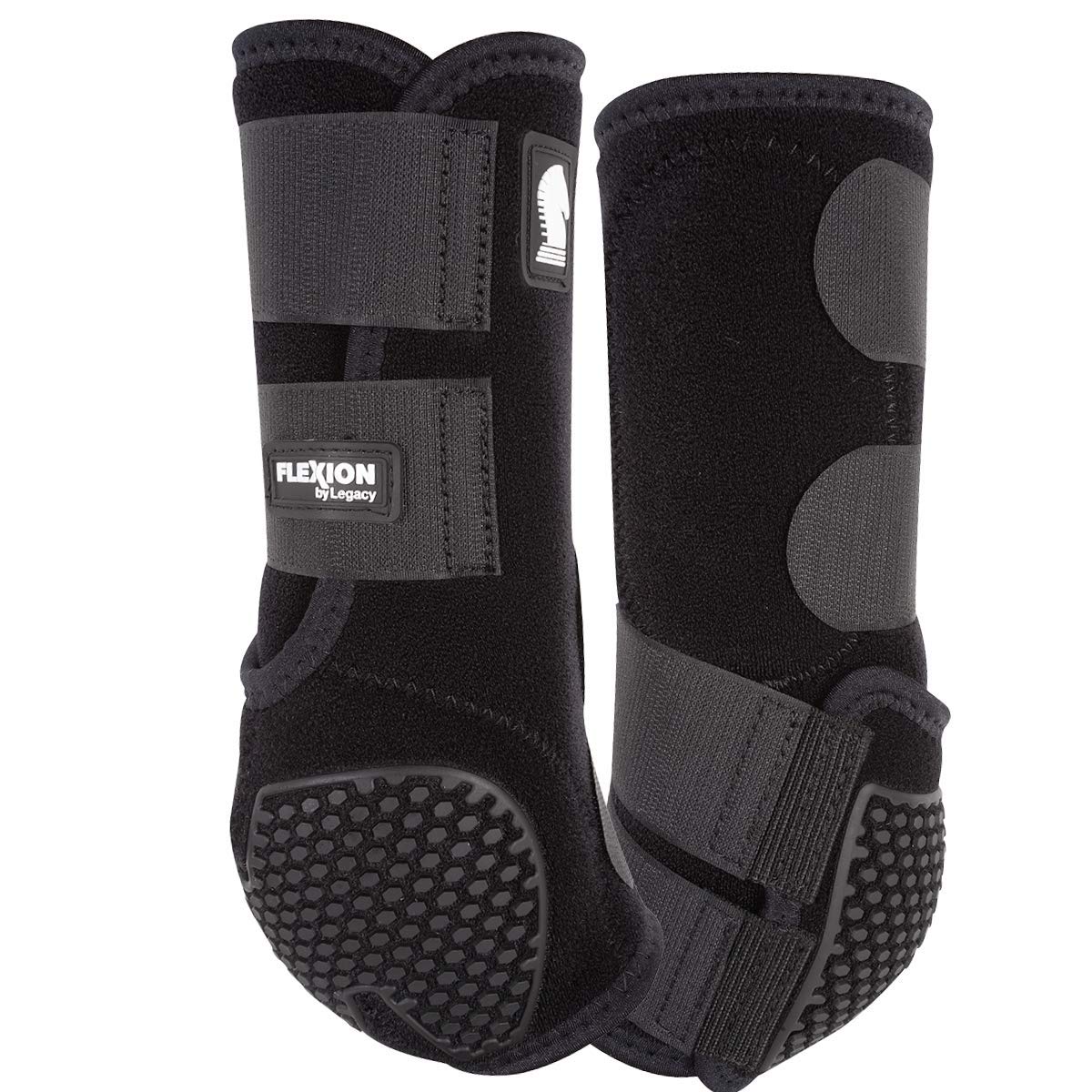
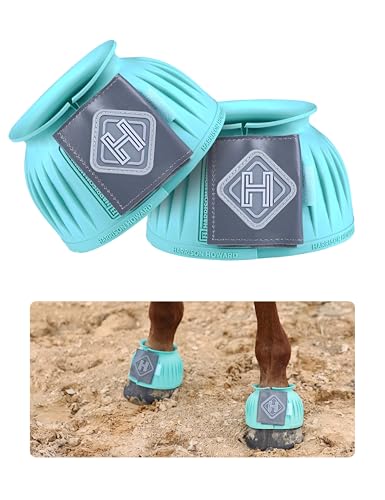
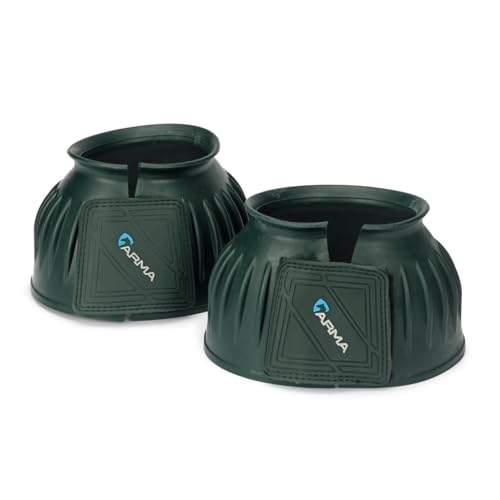
A bell boot is a ring of flexible material that sits around the pastern and flares down over the top of the hoof. Its job is to cover the coronet band and the heel bulbs, the soft spots a hind hoof can strike when a horse overreaches at play or at speed. Riders comparing the wider category often start with a general guide to best bell boots before narrowing down to field use. For a broader look at leg protection across disciplines, see our guide to best bell boots for horses.
A bell boot does not support the leg, brace the fetlock, or change how a horse moves. It is a shield, nothing more, and it only works when it stays in place through mud, wet grass, and long hours outside. That is why turnout puts fit and material ahead of every other concern.
Key Specs Explained in Plain English
Listings for bell boots use stable yard terms rather than hard numbers, so the sections below translate each spec into what it means on a real horse standing in a real field.
Start With Size: The Measurement That Decides Fit
Size is the decision that governs everything else, and for turnout it is read as a pastern measurement, never a guess taken from shoe size. Wrap a soft tape around the pastern just above the coronet band and match that number to the maker size chart, because size letters are not standard across makers. A correct boot sits with its bottom edge just touching the ground and its top edge clear of the skin it could rub. Boots that ride up leave the heel bulbs exposed, and boots that hang too low get stepped on and torn.
Rubber or Neoprene: Picking a Material
Material is read as a rubber versus neoprene choice, and each suits a different horse. Classic molded rubber is dense, shrugs off knocks, and usually costs the least, but it can feel stiff in cold weather and it is the heavier option on the leg. Neoprene is softer and shapes itself to the pastern, which helps horses with sensitive skin, though it can hold water and add warmth on hot days. Many designs add a reinforced strike panel at the back, right where the hind hoof actually lands.
Features That Matter for Turnout
Turnout asks more of a bell boot than arena work does, because the boot stays on for hours in mud, rain, and rough ground. Look for a thick back wall, since that is the panel that takes the strike when a horse overreaches. A shaped top line that follows the pastern helps the boot stay put without a strap pulled tight. Owners comparing leg protection for field hours often weigh bell boots against best turnout boots, which cover more of the lower leg above the hoof.
Closures: Hook and Loop or Pull On
Closures decide how a boot behaves once the field turns wet. Hook and loop straps adjust in small steps, so they suit horses that fall between sizes, but the straps collect mud and lose their grip when they stay dirty. Pull on boots have no strap to fail and nothing to clog, yet they demand the right size because there is no adjustment at all. Double closure designs, with a strap over a shaped shell, sit between the two and suit horses that twist plain boots off.
Rookie Mistakes to Avoid
- Buying by shoe size instead of measuring the pastern, so the boot spins or rides up within the first hour outside.
- Choosing the softest boot for a horse that plays hard, so the thin back wall tears at the first strike.
- Leaving boots on for days without a check, so a small rub turns into a sore that needs stable rest.
- Pulling straps as tight as they will go, which rubs the pastern raw instead of holding the boot steady.
- Skipping a spare pair, so one boot lost in the mud leaves the horse unprotected until a replacement arrives.
Getting Started: First Fitting and Daily Care
Fit a new pair on clean, dry legs and watch the horse walk a few steps before turnout. The boot should not twist as the foot lands, and you should be able to slide one finger between the top edge and the skin. Turnout wear runs long, so the checking habit here is a daily one: run a hand under the top edge, look for rubs or heat, and lift the boot to clear trapped grit. Grit held against the skin is what causes most sores, so this two minute routine is the real secret to trouble free wear.
Remove boots when the horse comes in, rinse off the mud, and let them dry fully before the next outing. Many owners rotate two pairs so a clean, dry set is always ready to go on. If you are comparing full hoof coverage for a barefoot horse, our guide to best hoof boots for turnout covers that different job, and riders outfitting the whole leg can also see best turnout boots for horses.
Bell Boots for Turnout: Questions Answered
How long can bell boots stay on during turnout?
Bell boots can stay on for a full turnout day, and many horses wear them for every hour they spend in the field. What matters is the break between outings: skin under any boot needs dry time, so horses that live out around the clock should get regular boot free hours while you inspect the pasterns. If the skin stays pink, warm, or damp under the boot, shorten the wearing time and talk with your vet if soreness appears.
Do bell boots go on the front feet only, or on all four feet?
Bell boots usually go on the front feet only, because the strike they guard against comes from a hind hoof landing on the front heel. A horse that moves with a short, choppy stride may never overreach, while a long striding horse can strike almost daily. Some owners fit all four feet when a horse travels wide behind or plays hard in company. Start with the front pair, watch for strike marks on the back wall, and add a hind pair only if the marks say you need it.
Can bell boots be worn over metal shoes?
Yes, bell boots are designed to be worn over shod or bare feet, and most turnout pairs spend their lives over shoes. The sizing catch is that the boot must clear the shoe, so measure the pastern and check the bottom edge against the ground with the shoe on. A boot that sits short over a shoe can catch the shoe branch and pull. If your horse is shod wide or has heel extensions, go up one size and confirm the edge still rests lightly on the ground.
How do I know when a pair of bell boots is worn out?
A pair is worn out when the back wall shows cracks, deep cuts, or a thin spot where strikes have landed again and again. Stretched openings that let the boot spin, torn strap stitching, and rubber that has gone hard and shiny in cold weather are all end of life signs. Turnout pairs live a rough life, and many owners budget for fresh boots each season. Replacing a tired pair costs far less than treating a heel injury the old pair failed to stop.
Are thicker bell boots always the safer choice?
No, thicker is not always better, because protection is only one side of the fit equation. A very thick boot adds weight the horse feels with every stride and can trap more heat and moisture against the skin on warm days. A quiet horse in a small paddock often does well in a midweight boot, while a hard playing horse in company earns the heavy panel. Match the thickness to how your horse actually moves and plays, not to the biggest number on the shelf.
Final Thoughts
Start with the pastern measurement, then pick the material your horse's skin tolerates, then commit to the daily check. Those three steps matter more than colour, minor features, or price gaps between similar pairs. Compare the options in the product table above and choose the best bell boots for turnout that fit your horse, your ground, and your routine.