Best Bell Boots for Horses: A Buyer Checklist for 2026
Disclosure: We may earn a commission when you buy through links on this page, at no extra cost to you. As an Amazon Associate I earn from qualifying purchases. Learn more

Compare the best bell boots for horses by material, closure, sizing and coverage, with a simple buyer checklist, red flags to avoid and daily care tips.
A good pair of bell boots is a small purchase that protects an expensive area, and the checklist in this guide keeps the decision simple. You will work through coverage, material, closure, and sizing in that order, then match the pair to your budget using the product table. If you only remember one phrase while shopping, make it best bell boots for horses that fit your horse, because fit decides whether any other feature matters.
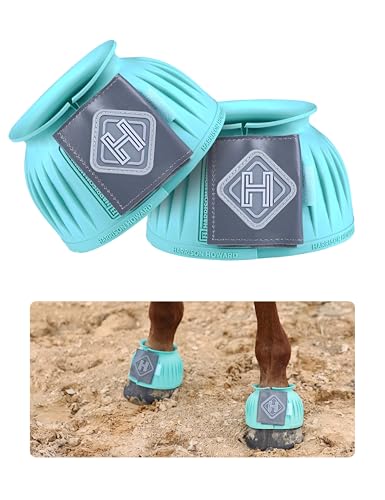
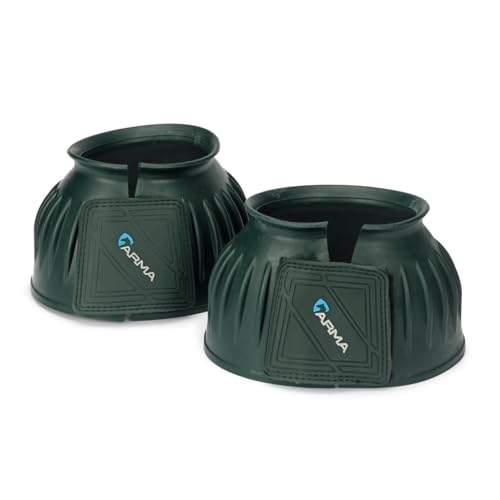
Start with the job itself. A bell boot is an overreach guard: it wraps the pastern and covers the heel bulbs and the coronet band so a hind hoof that strikes forward lands on rubber or synthetic material instead of skin and hoof wall. It protects nothing above its coverage, so a boot that ends too high or too low leaves the strike zone open even when the material is excellent.



How to Judge Bell Boots: The Checklist Criteria
Coverage and Shape
The bottom edge should reach close to the ground at the back of the hoof without dragging in the arena surface, and the top edge should sit just above the coronet band without pressing into it. Longer styles suit horses that forge or grab their front shoes, while shorter styles suit tidy movers that only need light heel protection. Riders comparing the wider world of leg protection can start with our guide to best horse boots, then narrow back down to this one job.
Material Classes
Classic rubber is the budget class: flexible, cheap to replace, and easy to rinse, but it can crack with age and sun. Dense synthetic and ballistic style fabrics cost more and resist tearing when a hoof catches the edge at speed. Soft lined styles add a fleece or padded top edge for horses with sensitive skin. None of these classes is best for every barn, so match the material to how hard your horse works and how often pairs get destroyed.
Closure Classes
Hook and loop closures are the practical default because they go on fast, adjust in small steps, and release under extreme force instead of holding a trapped leg. Pull on styles have no closure to fail and stay put well, but they demand effort over a shod hoof and suit patient horses and strong hands. Double closure designs add a second strap for horses that twist boots during turnout. Whatever class you pick, you should be able to fasten it the same way every single ride.
Sizing From the Hoof
Size is read off the hoof, not off the breed name on the chart. Measure around the pastern and compare it with the maker chart, then judge the fitted boot in hand: a loose boot turns while the horse moves, collects grit, and chafes the skin it was meant to protect, while a tight boot rubs the coronet and can press on the heel bulbs. Between sizes, most horses do better with the larger size in a secure closure than with a smaller size forced shut.
Weight and Flexibility
A bell boot should flex with the pastern instead of fighting it. Very stiff, thick boots shrug off strikes but can annoy sensitive horses and change how they move, while thin, soft boots disappear on the leg yet wear through faster under a habitual overreacher. Flex the boot in your hands before buying if you can. It should bend easily at the bottom edge and still feel dense enough to take a blow from a steel shoe.
Durability and Expected Lifespan
Treat bell boots as wear items with a working life, not as permanent tack. A schooling pair used daily may last a season or two, while a pair on a horse that strikes hard can split in weeks, and neither outcome means the product failed. Inspect the bottom edge and the closure after rides, because small tears grow quickly once a hoof finds them. Keeping one spare pair in the tack box means a torn boot never cancels a ride.
Price Bands for the Best Bell Boots for Horses
Entry Pairs for Schooling
Simple rubber pull on and single strap pairs cost about $15 to $30 per pair, and they make sense for lesson programs, growing horses, and anyone still learning how fast their horse destroys boots. At this level you are buying basic coverage and easy replacement rather than refined fit. If light schooling protection is all you need, the simpler options gathered under best bell boots may be enough without paying for turnout grade fabric.
Midrange Pairs for Daily Work
The middle band, about $30 to $60 per pair, is where most owners should shop. This money buys tougher synthetic shells, shaped contours that follow the pastern, and closures that survive daily use. Horses in regular training, horses that travel to shows, and horses turned out in boots all day usually belong in this band. Use the product table to compare the options in this band on material and closure.
Heavy Duty Pairs for Hard Strikers
Premium pairs cost about $60 to $110 per pair and earn it through reinforced strike zones, no turn shapes that resist spinning, and linings that protect reactive skin. Choose this band for a horse that has already cut a heel bulb, pulled shoes, or shredded cheaper boots in short order. Paying more here is rational because one veterinary visit for a heel injury costs far more than the difference between bands.
Quick Buyer Checklist
- Does the bottom edge cover the heel bulbs and nearly reach the ground behind the hoof?
- Can you fit one finger between the top edge and the pastern without forcing it?
- Does the closure fasten securely in the same position every time?
- Is the material class matched to your horse: light schooling, daily work, or hard striking?
- Did you measure the pastern instead of guessing from breed or shoe size?
- Do you have a spare pair for the day one tears or fills with mud?
- Does the seller allow exchanges if the first size turns or rubs?
One naming trap is worth clearing up before you order: best horse riding boots are footwear the rider wears in the saddle, not protection the horse wears on its hooves.
Red Flags to Watch For
- Size charts that list only small, medium, and large with no pastern measurement to check against.
- Product pages that promise the boot prevents all heel and coronet injuries, which no passive guard can do.
- Closures with a single thin strap on a boot marketed for turnout, where twisting forces are highest.
- Very hard, rigid shells with no flex at the bottom edge, a common cause of rubs in the first week.
- Sellers with no exchange policy on a product whose fit cannot be judged from photos.
Tips to Get the Most From Your Bell Boots
Rinse mud and arena footing off after rides and let pairs dry in open air, because grit left inside the boot grinds against the pastern on the next ride. Rotate two pairs if your horse wears boots daily so each pair dries fully between uses. During summer, remember that legs need more than hoof protection: our guide to best fly boots for horses covers the mesh styles that guard the cannon area against biting insects.
Check the skin under the top edge every day, the same way you run a hand over the back before placing one of the best horse blankets in winter. A rub or a sore spot is a stop signal, not a minor annoyance: take the boot off, look at the leg for heat and broken skin, and change the size or style before the next ride instead of padding over the problem and hoping it fades. If anything looks worse than a mild rub, ask your veterinarian.
Bell Boots: Your Questions Answered
Can bell boots for horses stay on during turnout?
Yes, many horses wear bell boots in the field, and turnout is where overreach injuries often happen during play. Choose a secure closure style rather than a loose pull on, check the boots at least once a day, and remove them in deep mud that can suck a boot half off and trap it around the pastern. A boot found twisted at the evening check should be replaced with a no turn shape.
Do bell boots help horses that keep pulling front shoes?
They can help when the shoe is lost because a hind toe catches the heel of the front shoe, since the boot covers exactly that catch point. They do nothing for shoes lost to mud suction, worn clinches, or overdue shoeing, so a horse that still loses shoes in boots needs a conversation with the farrier about breakover and shoe fit rather than a thicker boot.
Should bell boots go on the hind feet as well?
Most horses wear them on the front feet only, because the hind hoof striking the front heel is the classic overreach pattern. Hind pairs make sense for horses that interfere behind, travel awkwardly in the trailer, or step on themselves during collected work. Watch the first sessions closely, since a horse unused to hind boots may move oddly until it accepts the feel.
How do I choose between two sizes of bell boots?
Choose the larger size when the closure can still hold it firmly in place. A slightly roomy boot with a secure strap stays centered and clears the coronet, while a smaller boot forced closed presses on the heel bulbs and rides up as the horse moves. If the larger size spins despite a firm closure, that style runs big for your horse and a different shape will fit better than either size.
Can bell boots be worn for loading and travel?
Yes, and travel is one of their most useful jobs, because horses scramble and step on themselves in the close quarters of a trailer. Put them on before loading rather than after, pair them with your usual travel leg protection, and check them at every stop. Boots that have carried a horse through a trip should be washed before schooling use, since road grit is abrasive.
Final Thoughts
Judge every pair the same way: coverage that reaches the strike zone, a size read from the hoof itself, and a closure you can fasten the same way daily. Match the material class to how hard your horse strikes, keep a spare pair ready, and treat any rub as a reason to change the boot rather than the horse. Shopped this way, the best bell boots for horses for your barn are simply the pair that guard the heel quietly, ride after ride, so compare your finalists in the product table before you order.