Best Bell Boots for Pulling Shoes in 2026: Every Type Explained
Disclosure: We may earn a commission when you buy through links on this page, at no extra cost to you. As an Amazon Associate I earn from qualifying purchases. Learn more

Compare the best bell boots for pulling shoes by type, with guidance on coverage, closure, sizing, fit checks and care for turnout and riding.
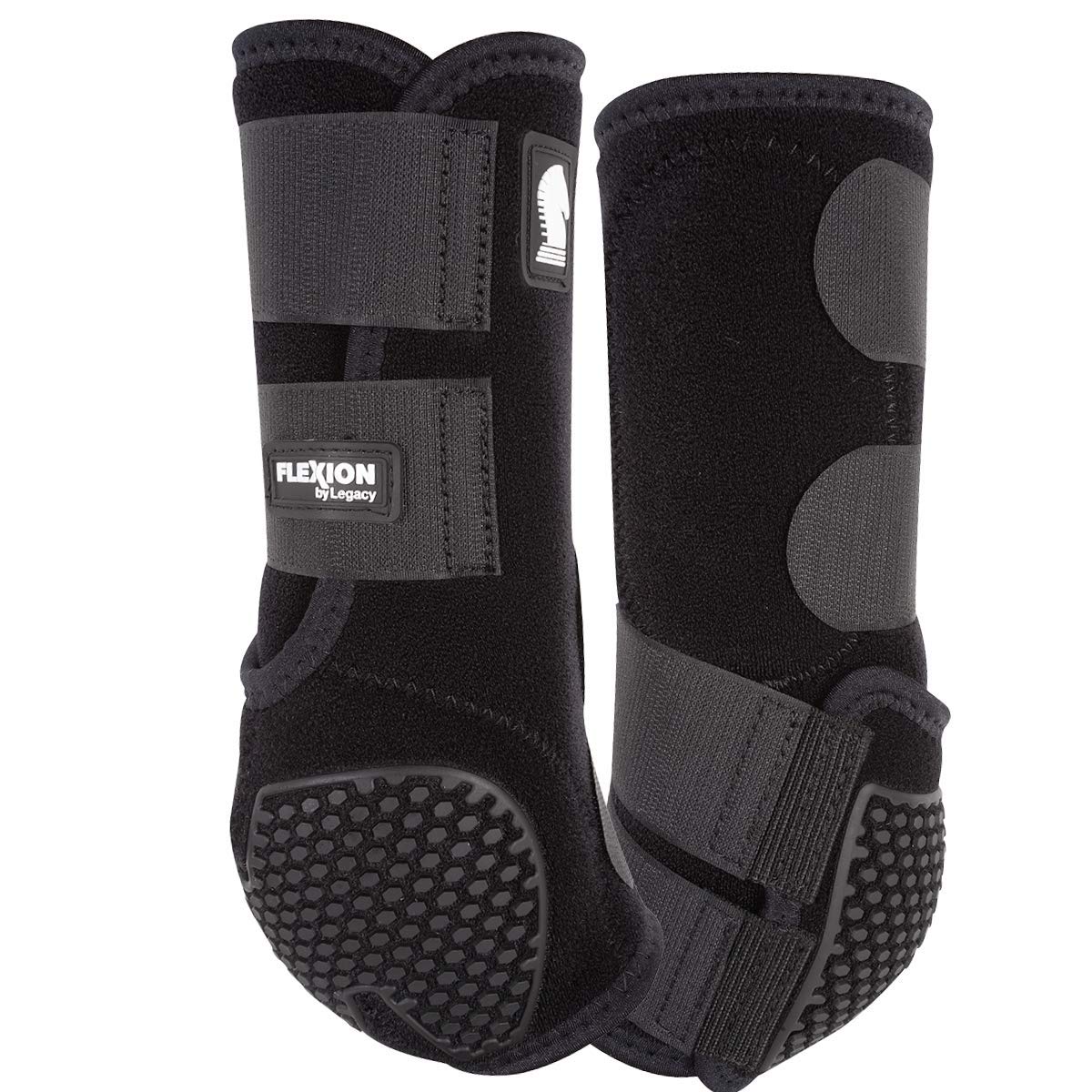
A pulled shoe usually starts the same way. A hind toe strikes the heel of a front shoe, the shoe shifts or comes off, and your farrier visit moves up by weeks. The best bell boots for pulling shoes guard the heel bulbs and the back of the shoe so that strike lands on the boot instead. Use the comparison table below to match types to your horse.
Not every horse pulls shoes for the same reason. Some overreach only during fast work, while others catch a heel at play or on soft ground. The right boot depends on when the shoe comes off and how strong the strike is.




Who Should Buy Bell Boots for a Horse That Pulls Shoes?
Start with the moment the shoe is lost, because that moment points to the coverage and closure you need.
Horses That Catch a Heel in Turnout
Turnout pulls often happen at play, when a hind foot lands close behind a front foot during a sudden turn or stop. These horses need a boot that stays in place for hours with no rider watching it. Choose a longer style with a secure closure, and check legs daily for rubs and trapped grit.
Horses That Overreach During Riding and Training
Some horses only strike when work asks for lengthened strides, jumping efforts or quick transitions. For ridden work you can use a lighter boot, because you fit it before the ride and remove it right after. Fresh strike marks on the back panel after schooling show where protection is working.
Horses That Lose Shoes Soon After Shoeing
A horse that loses a front shoe within days of a farrier visit may have a hind toe landing very close to the front heel. Tell your farrier about the pattern, because boots work best alongside shoe fit and balance checks. These horses often need the longest coverage you can fit well, worn in turnout and under saddle.
Types of Bell Boots Compared
When you shop for the best bell boots for pulling shoes, the three main types differ in how they go on, how they resist turning, and how much abuse they take. Compare by routine first and price second.
Pull On Rubber Bell Boots
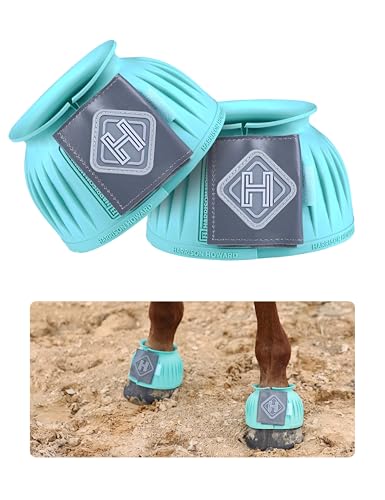
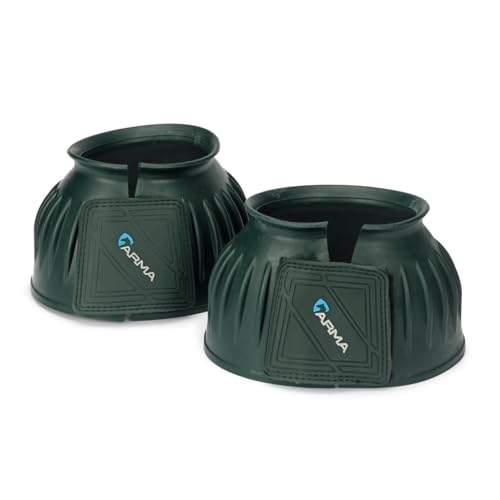
Pull on boots are one piece of flexible rubber that you stretch over the hoof. With no straps to loosen, they stay put well and suit long turnout wear. The trade off is effort, because a snug pair can be hard to pull over a shod hoof, and thin rubber tears sooner under hard strikes.
No Turn Bell Boots With a Secure Closure
No turn styles have a shaped back and a small raised knob against the pastern to resist spinning. Most close with wide hook and loop straps, so they go on fast and adjust over different shoe shapes. They suit horses that twist a plain boot out of position, but straps need regular cleaning so grit does not weaken the grip.
Ballistic and Reinforced Bell Boots for Hard Wear
Reinforced styles use a tough outer layer, often ballistic nylon over a shock absorbing inner layer. They cost more, usually about $35 to $60 a pair, but they shrug off strikes that cut plain rubber. Choose them for a strong overreacher or any horse whose boots show deep cuts within weeks.
Key Features to Compare
Judge every boot against the same five points below, because protection only works while the boot sits in the right place.
Coverage and Boot Length
Coverage is the first thing to check on a shoe puller. The boot should reach from above the heel bulbs down to just above the ground at the back of the foot, so the hind toe meets boot material before it can hook the shoe heel. Extra length only helps if the bottom edge does not drag and fold under during movement.
Material and Strike Protection
Material decides how the boot handles a direct strike. Plain rubber flexes and absorbs light contact, while layered designs spread a harder blow across a wider area and resist cuts. Thick material protects better but adds bulk some sensitive horses resent. Match material weight to strike force, judging by how fast current boots show marks or splits.
Closure Strength and Staying in Place
A closure fails in two ways, by opening or by letting the whole boot rotate. Wide straps with a double wrap hold better than a single narrow strap, and pull on styles remove the opening risk entirely. Once fitted, the boot should resist a firm hand twist. If it turns easily in the barn aisle, it will turn faster on wet grass.
Fit, Sizing and Heel Bulb Shape
Sizing runs by hoof size, and brands grade small, medium and large differently, so always measure rather than guessing from your last pair. Fit the boot over the actual shoe, because shoe width and heel extensions change the space to cover. The top edge should sit snug against the pastern without digging in, and the back should follow the curve of the heel bulbs.
Flexibility and Rub Risk
A boot that never flexes will rub, and one that flexes too much will fold away from the strike. Look for material that bends as the fetlock moves but springs back between strides. Soft rolled top edges lower rub risk on thin skinned horses. If your horse wears boots for many hours, inspect the pastern and heel bulbs daily.
How to Size and Fit Bell Boots on a Shod Horse
Measure each front foot, because left and right hooves often differ slightly. Run a soft tape around the widest part of the hoof just below the coronary band, then compare that number with the brand size chart. When a measurement falls between sizes, choose based on shoe width, since a boot stretched too tight tears at the back.
Fit the boot with the shoe on and the horse standing square on a flat surface. The bottom edge at the back should sit close to the ground without the horse standing on it. You should slide one finger between the top edge and the pastern. More space lets the boot drop and spin, while no space invites a rub.
Walk and trot the horse in hand and watch from behind. The boot should stay centered, covering the heel of the shoe through each stride. If you are still weighing styles, see our guide to the best bell boots for broader everyday overreach protection.
Common Mistakes to Avoid
- Buying a short fashion length boot leaves the heel of the shoe exposed, so the hind toe can still hook it and pull it loose.
- Choosing a size by guesswork leads to spinning or rubbing, and a spun boot protects the wrong part of the foot.
- Leaving grit packed under the top edge grinds the pastern skin with every stride and can cause a sore within days.
- Wearing a torn boot gives a false sense of safety, because a strike through the split reaches the shoe with full force.
- Putting boots only on the front feet of a horse that pulls hind shoes misses the feet that actually need the guard.
Care and Maintenance of Bell Boots
Rinse mud and sand from the boots each day, paying attention to the inside surface that touches the pastern. Grit left inside works like sandpaper during the next ride. Hang boots open to dry in shade, since strong sun can crack rubber.
Brush hook and loop straps clean and press them closed in storage, which keeps the hooks from filling with shavings and hair. Inspect the back panel weekly for cuts and thin spots. Replace a pair when the back shows deep splits or the bottom edge loses its shape, because worn material folds away from a strike.
FAQ
What features matter most in bell boots for horses that pull shoes?
Length and staying power matter most, ahead of color or brand. The boot must cover the heel of the shoe and resist spinning through a full day of movement. One extra check helps: look where old boots show strike marks. Low marks on the back panel confirm good coverage, while marks near the top edge suggest a taller size.
How should bell boots fit on a shod horse?
Bell boots should fit snugly at the pastern and hang low enough at the back to shield the shoe heel. Try the turn test in hand. Ask a helper to lead the horse through a tight circle each way, because turning loads the boot sideways and reveals slipping that straight walking can hide.
How often should bell boots for pulling shoes be replaced?
Replace bell boots as soon as the back panel splits, the closure loses grip, or the bottom edge curls away from the hoof. Turnout pairs on an active horse may last only a few months, while ride only pairs last longer. Keep a spare pair in the barn, since a shoe puller should not go unprotected while you wait for delivery.
How long does it take a horse to get used to bell boots?
Most horses accept bell boots within one or two short sessions. Start by fitting the boots in the barn, then lead the horse on a soft surface before turnout or riding. A horse that stamps at a new pair may be reacting to a tight top edge, so recheck the fit before assuming the behavior will fade.
Can a horse wear bell boots for pulling shoes all day in turnout?
Yes, many horses wear bell boots through full turnout days, and some wear them around the clock during risky periods. Long wear raises the stakes on hygiene, so remove the boots daily to clean the skin and dry the pastern. In wet weeks, that daily dry period also helps you spot irritation early.
The Bottom Line
For a shoe puller, coverage comes first, closure security second, and material third. Fit the longest boot your horse accepts, confirm it cannot spin, and match material strength to the marks your horse leaves on it. Use the product table above to compare types against those three points.
Chosen that way, the best bell boots for pulling shoes become cheap insurance against lost shoes, torn heel bulbs and unplanned farrier calls. Check the fit daily and replace worn pairs promptly.