
Best Bedding for Dog Crates for 2026: Matching the Right Bedding to Your Routine
Disclosure: We may earn a commission when you buy through links on this page, at no extra cost to you. As an Amazon Associate I earn from qualifying purchases. Learn more
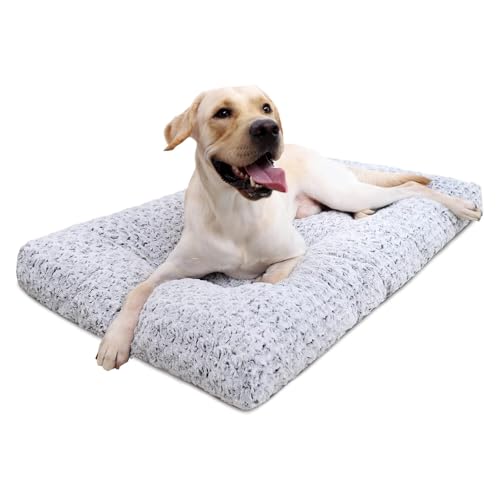
The best bedding for dog crates compared by size, washability, chew resistance and padding, with a simple way to measure your crate.
No single pad or blanket suits every dog, because crates are used in very different ways. A puppy in training, a senior dog that sleeps most of the day, and a strong chewer all need something different under them. The best bedding for dog crates is the option that fits your crate, your dog, and your routine, and the product table will help you sort the main types.
Start with how the crate is used at your house: the hours your dog spends inside, how often accidents happen, and whether the bedding travels or stays in one room. Those answers point you to the right thickness, fabric, and washing style faster than any label does.


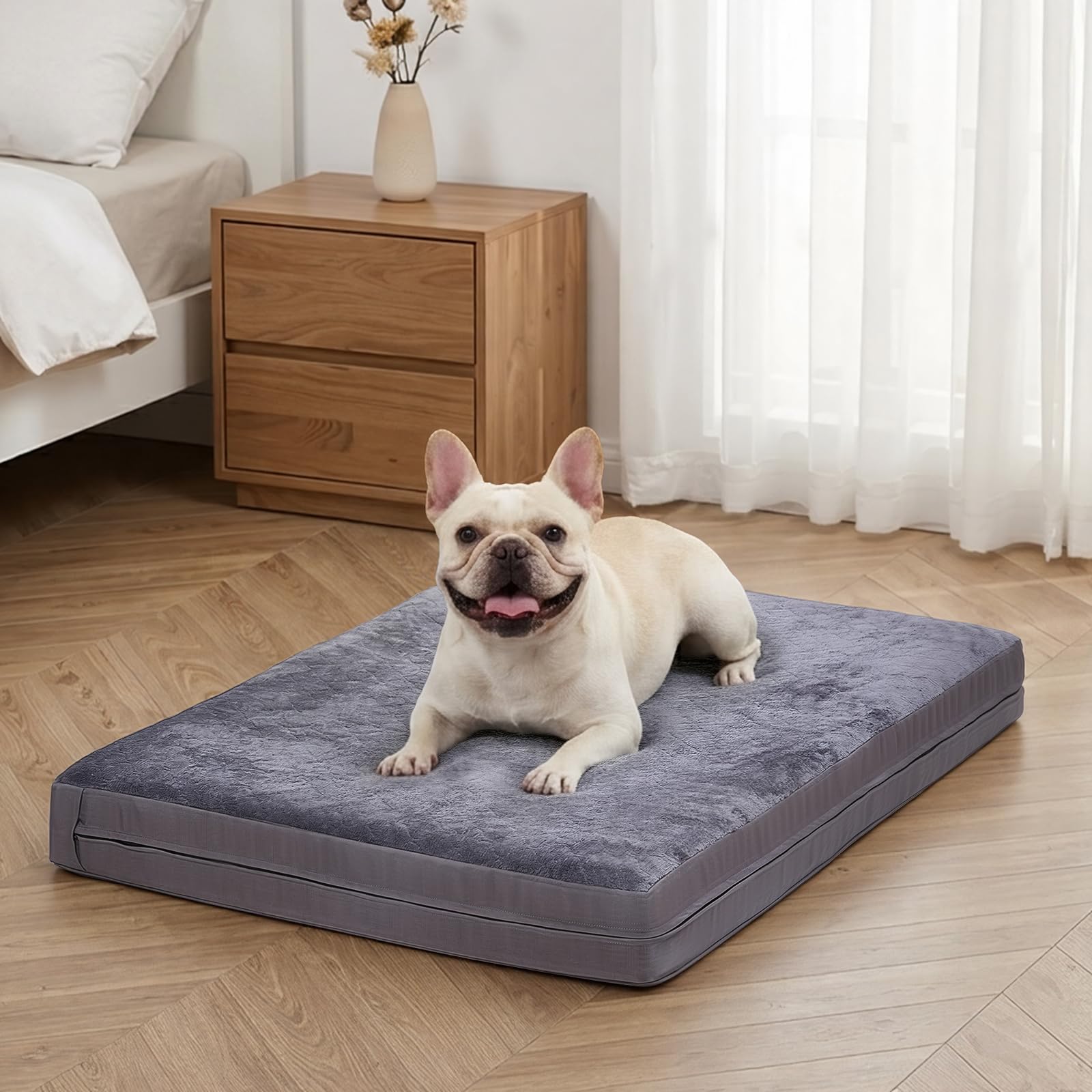
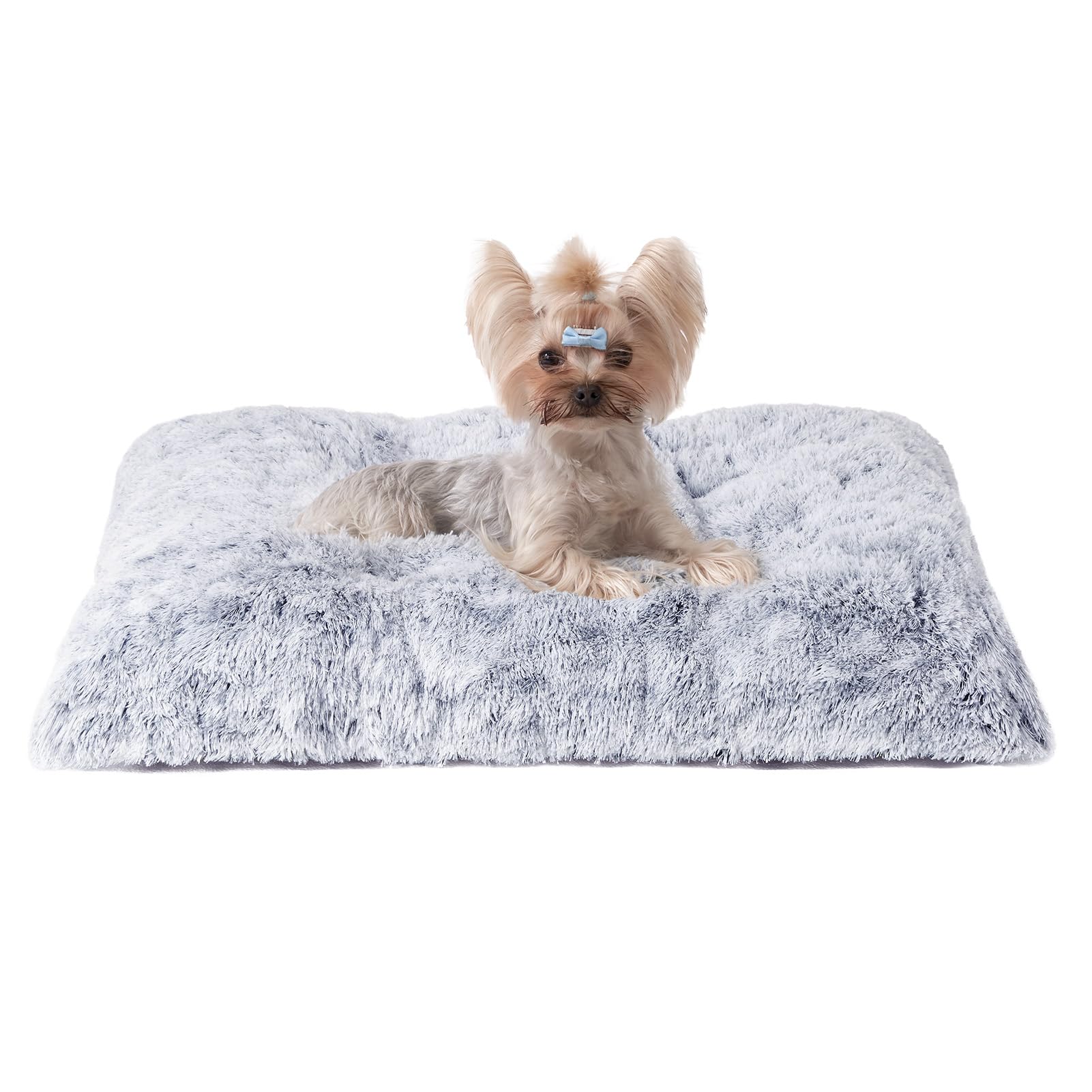
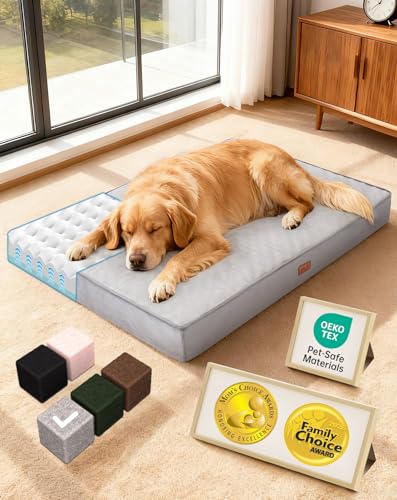

Who Should Buy Which Bedding for Dog Crates?
Match the bedding to the job it does most days, not to the rare occasion. Each group below leads to a different balance of padding, durability, and easy cleaning.
For Puppy Owners Working Through Crate Training
Your priority is bedding that survives frequent washing without falling apart. Choose a low pad or washable blanket with a smooth surface that releases hair and dries fast, because accidents may happen several times a week at first. Keep a spare ready while the soiled one is in the wash, and skip loose stuffing that small teeth can pull out.
For Owners of Large, Heavy, or Senior Dogs
Big dogs compress thin padding flat within weeks, and older dogs feel the hard floor through their elbows and hips. Look for denser foam or layered padding that holds its shape under real weight and covers the full floor. If your dog uses one of the larger crates in our guide to the best dog crates for large dogs, measure the interior, because bedding for a smaller crate leaves gaps that shift and bunch.
For Owners of Small Dogs and Anxious Nesters
Small dogs often burrow, circle, and push bedding into a nest before settling, so a soft blanket style layer over a flat pad suits them well. The pad keeps the floor comfortable while the blanket gives them something to arrange, which can help a nervous dog relax. Owners shopping our guide to the best dog crates for small dogs should watch total thickness, since small crates have limited headroom.
For Travel Days and Dogs That Chew
If the crate rides in a car or moves between rooms, choose light bedding that rolls or folds flat and shakes clean in seconds. For a dog that chews, pick a simple pad with tight stitching, no zips or buttons to work loose, and no filling that spills from a small tear. The travel options in our guide to the best travel crates for dogs pair well with this plain, tough layer.
Key Features to Compare
These factors decide whether a pad still works well after months of daily use. Size comes first: the best bedding for dog crates on paper is useless if it curls up in a corner of your crate.
Size and Fit Inside the Crate
Bedding should cover the crate floor edge to edge without climbing the walls or blocking the door swing. Measure the inside floor, not the outside of the crate, and compare those numbers with the size chart on the listing, since brands round sizes differently. A pad about one inch smaller than the interior on each side lies flat and stays put. One that is too large folds at the corners, and dogs dig at those folds.
Washability and Accident Protection
Washable bedding earns its keep the first time a puppy has an accident at night. A removable cover over a waterproof inner liner is the easiest setup to live with, because you wash the cover often and wipe the liner instead of soaking the whole pad. Full pads that go straight into the machine are simpler still, but check the care label for load limits first. Fast drying fabric matters too, since a damp pad invites odor.
Chew Resistance and Durable Construction
Durability comes from construction more than from thick fabric alone. Tight woven covers, bound edges, and quilting that keeps filling in place all slow down a dog that paws, digs, or chews at corners. No bedding is proof against a determined chewer, so remove it if pieces come loose, because swallowed fabric can block the gut. If your dog vomits repeatedly, stops eating, strains, or seems in pain after chewing bedding, contact your veterinarian promptly.
Padding, Warmth, and Breathability
Padding should match both the dog and the season. A layer about one to two inches thick suits most adult dogs, while senior dogs and lean breeds rest better on denser support that does not bottom out. Plush surfaces hold warmth for short coated dogs in cold rooms, but can leave a thick coated dog restless in summer. Breathable cotton style covers run cooler, so many owners swap layers seasonally.
Safe Materials and a Flat, Stable Base
Choose non toxic fabrics and fills, and avoid bedding with glued on decorations, long fringe, or small parts a dog can worry off and swallow. The base matters as much as the top: a pad that slides each time your dog steps in teaches the dog to hesitate at the door. Look for a grippy underside or a snug fit that keeps the layer still, plus a flat profile that lets the door close cleanly.
Value and Replacement Cost
Judge value by cost per month of use, not by shelf price alone. Budget options that flatten or tear within weeks cost more over a year than one sturdier pad, yet a high price alone does not guarantee durability. A replaceable cover extends the life of a good pad for far less than a whole new bed. If you are comparing pads sold as beds rather than loose layers, see our guide to the best dog beds for crates.
How to Measure Your Crate and Choose a Bedding Size
Getting the size right takes two minutes and prevents most returns. Empty the crate, then measure the inside floor front to back and side to side at the base, where trays often slope upward at the edges. Crate names describe the outside length, so the true interior is usually a little smaller.
Next, watch your dog. One that stretches out fully needs bedding covering the whole floor, while one that curls into a corner rests well on a smaller pad. Standard crates run about 24, 30, 36, 42, and 48 inches long, and bedding is grouped to match. When your numbers fall between sizes, choose the smaller one, since it lies flat while an oversized pad bunches and invites digging.
Common Mistakes to Avoid
- Buying bedding from the crate name alone without measuring the interior, so the pad folds into corners your dog digs at.
- Choosing the thickest pad for a small crate, so your dog loses headroom and starts avoiding the crate.
- Giving plush, stuffed bedding to a strong chewer, so torn filling becomes a swallowing risk.
- Washing a pad without checking its care label, so the filling clumps or the cover shrinks and no longer fits.
- Keeping bedding that smells even after washing, so odor soaks into the crate tray.
- Judging only by price, so a cheap pad replaced every few weeks costs more than a sturdy one.
Setup and Care Tips for Crate Bedding
Lay new bedding flat and let your dog step onto it at their own pace before the first long stay. Wash bedding weekly in normal weeks and right away after any accident, using unscented detergent, because strong fragrances bother many dogs. Dry each layer fully before it returns to the crate, since trapped dampness breeds mildew.
Between washes, shake bedding outside daily and check seams and corners for tears or thinning spots. Rotate two sets if you can, which spreads wear and keeps a clean layer ready. Retire any pad with exposed filling or a smell that survives two washes, and wipe the crate tray at each change so grit does not wear the new layer.
FAQ
What features matter most in bedding for a dog crate?
Fit matters most, followed by washability and construction that suits your dog. A pad sized to the interior floor, with a cover you can wash often, covers most needs. One check many owners miss is the door test: close the crate door with the bedding inside before the first use, because a layer that shifts into the door path can jam the latch.
How often should I replace bedding in a dog crate?
Replace crate bedding when it no longer springs back, stays flat in the middle, or holds odor after washing. For most dogs that point arrives between six months and two years, with heavy dogs reaching it sooner. Press your knee into the pad as a home check: if you feel the floor clearly through it, the padding has stopped doing its job.
How do I introduce new crate bedding to my dog?
Place the new bedding in the crate during a relaxed part of the day and let your dog investigate without closing the door. A familiar blanket on top for the first few nights carries a known scent and eases the change. If your dog mouths the new layer, redirect calmly to a chew toy outside the crate rather than scolding.
Is crate bedding safe for aggressive chewers?
No soft bedding is fully safe for an aggressive chewer, and the safer choice is often no bedding at all during unsupervised time. A bare tray removes the swallowing risk until the chewing habit settles. If you try a pad anyway, use the plainest, toughest style you can find, watch the first sessions closely, and remove it at the first sign of tearing.
What size crate bedding should I choose for my dog?
Choose bedding by crate interior measurement first and dog weight second. Weight ranges on a size chart help you judge whether padding will hold up, but floor dimensions decide whether the pad lies flat. Puppies are the exception: buy for the crate you own now, not the adult size you expect later, because a loose pad in a divided puppy crate slides around.
Wrapping Up
Three checks decide most of this purchase: measure the interior floor, match padding and fabric to your dog age, size, and chewing habits, and pick a washing style you will keep up with. Get those right and the best bedding for dog crates for your home becomes an easy call. Before ordering, compare the main types in the product table against your routine.


