Best Beginner Studio Monitors in 2026: What Actually Matters Before You Buy
Disclosure: We may earn a commission when you buy through links on this page, at no extra cost to you. As an Amazon Associate I earn from qualifying purchases. Learn more

Learn what actually matters in beginner studio monitors: driver size for your room, ear level placement, honest flat response and simple inputs, by price band.
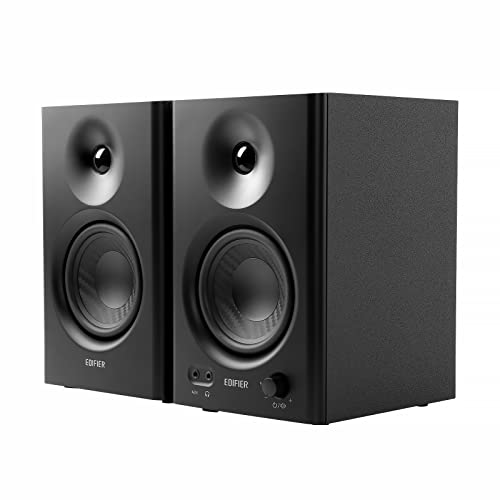
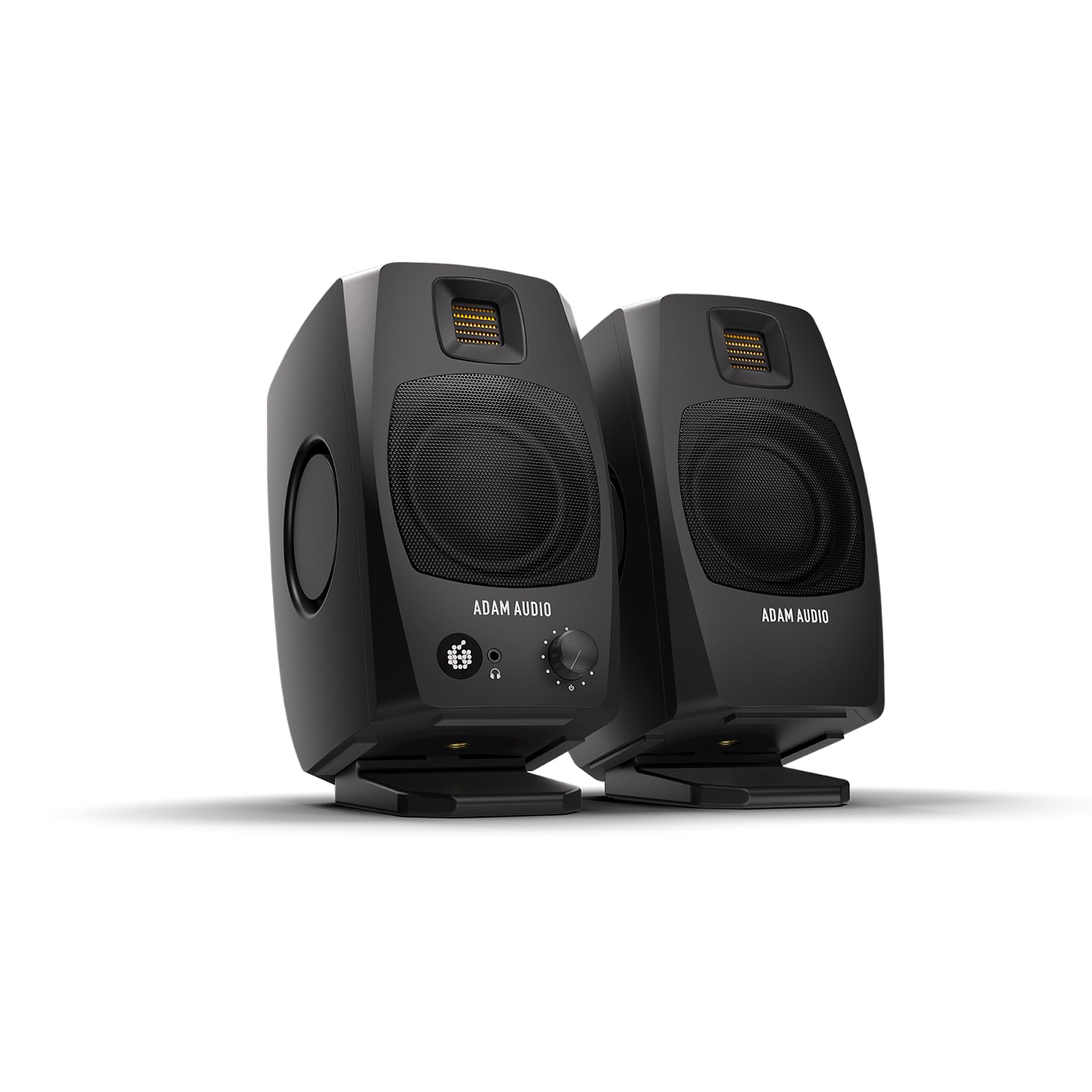
Studio monitors are the speakers you mix on, and their job is honesty rather than excitement. That single fact shapes every buying decision in this guide to the best beginner studio monitors, from driver size to where the speakers sit on your desk. The comparison table below sets out the current options by price and driver size.
It also clears up the most common mix up for new buyers: a studio monitor is a speaker, not a screen. Guides to the best monitors for beginners cover displays for a first desk setup, which is a different purchase entirely. The same goes for roundups of the best gaming monitors, where refresh rates rule and speakers are an afterthought. Here, everything is about sound.





The Speaker Checks That Matter Most
Shops file these speakers under several names, and the best studio monitor speakers in one list are the studio monitors in another. Treat the names as one class and judge every pair by the checks below. None of them requires golden ears, only a clear idea of your room and your desk.
Driver Size Follows Room Size
Driver size is the first decision, and your room makes it for you. A small bedroom or dorm room is best served by a driver of about 3 to 5 inches, which keeps bass controlled at the modest volumes near field listening uses. A medium room can handle about 5 to 8 inches before the low end starts to blur against the walls. Bigger drivers in a tiny room do not add detail; they add boom that hides the very problems you are trying to hear.
Placement at Ear Level Governs Honest Sound
A monitor only tells the truth when its tweeter points at your ears. Set the pair so the tweeters sit at ear level while you are in your chair, angled inward to form a triangle with your head. Stands or foam pads raise a desk pair to that height and stop the desk surface from buzzing along with the music. This free adjustment improves a modest pair more than a costly upgrade placed badly.
Flat Response Beats Flattering Sound
Consumer speakers boost bass and treble to sound exciting in a shop demo. A studio monitor aims for a flat response, so what you hear is what your mix actually contains. Look for a published response range with a stated tolerance, and treat vague claims about deep bass from a tiny cabinet with suspicion. Our guide to the best sounding studio monitors digs deeper into how honest pairs present vocals, bass and detail.
Powered Pairs and Simple Inputs
Nearly every beginner pair is powered, meaning the amplifier is built into the cabinet and matched to the driver by the maker. That removes a whole layer of buying decisions about separate amps. Check that the inputs match your audio interface, with balanced connections preferred because they reject hum over longer cable runs. A front volume control and a simple bass switch for use near a wall are worth more than extra tone knobs.
What Each Price Band Buys
Price bands for the best beginner studio monitors are quoted per pair in some shops and per single speaker in others, so check which one you are looking at before you compare numbers. A pair price that looks double a rival often turns out to be the same money once you count both cabinets.
Starter Pairs at About $100 to $200
At about $100 to $200 a pair you get compact powered speakers with drivers around 3 to 4 inches and simple unbalanced inputs. They suit a small desk and give a far more honest picture than laptop speakers or a gaming headset. Our roundup of the best inexpensive studio monitors focuses on this band. Expect limited bass extension, which is a fair trade at this size and price.
The Middle Band at About $200 to $400
At about $200 to $400 a pair, drivers grow to about 5 inches, balanced inputs become common and cabinets get stiffer and quieter. Many pairs here add room controls that tame bass when the speakers sit close to a wall. This band covers most bedrooms and small project studios without strain. For many beginners it is the stopping point, because the next jump buys refinement rather than a new level of clarity.
Stepping Up at About $400 to $800
At about $400 to $800 a pair you pay for wider, flatter response, larger drivers that stay composed at higher volume and better build throughout. These pairs reward a treated room and careful placement, and they can sound worse than a smaller pair in a bare echoing space. Buy into this band when your room is ready and your ears have outgrown the middle tier. Otherwise the money often works harder spent on stands, pads and basic room softening.
Quick Buyer Checklist
- Is the price quoted for a pair or for a single speaker?
- Does the driver size match my room, about 3 to 5 inches for a small room?
- Can I place the tweeters at ear level with stands or pads?
- Do the inputs match my audio interface, ideally balanced?
- Is the published response range stated with a tolerance figure?
- Is there a bass control for placement near a wall?
- Have I budgeted for cables and stands as part of the total?
Buying Mistakes to Avoid
- Choosing the biggest driver on sale, then fighting boomy bass in a small room ever after.
- Laying the speakers flat on the desk at chest height, which smears detail and adds desk reflections.
- Judging a pair by a loud shop demo, since volume makes almost any speaker sound impressive.
- Assuming the price covers a pair when the listing is for one cabinet, doubling the real cost.
- Spending the whole budget on speakers and leaving nothing for stands, pads or cables.
Care Habits That Keep Them Honest
Studio monitors ask for little care, but a few habits protect their sound. Dust the cabinets and cones with a soft dry cloth, and never press on a dust cap or tweeter dome. Keep the pair out of direct sun and away from heaters, since heat ages the rubber surrounds that let the driver move.
Run them at moderate volume for the first hours rather than full level straight from the box. Check cable connections once in a while, because a loose lead can mimic a fault in the speaker itself.
Frequently Asked Questions
Are studio monitors sold as pairs or as single speakers?
Both happen, and the listing does not always make it obvious. Entry level models are usually boxed as a pair, while larger monitors are often priced each, so a studio buys exactly the count it needs. Always check the box contents line before comparing prices between shops. If you buy a single by mistake, the second cabinet is normally easy to add later, since powered monitors are sold as identical units rather than matched left and right pieces.
What driver size should a beginner choose for a small bedroom?
A driver of about 4 inches is the safe middle ground for a small bedroom, giving usable bass without exciting the room too much. Placement matters as much as size here: a small pair pulled a little away from the wall will sound clearer than a bigger pair pushed into a corner. If your desk must sit against the wall, choose a front ported design, which handles tight placement more gracefully. Rear ported cabinets need space behind them to breathe.
Do beginners need a subwoofer with studio monitors?
Most beginners do not need a subwoofer, and adding one too early usually makes mixes worse. A sub adds crossover and placement problems that take experience to solve, and small rooms rarely support very low bass evenly anyway. A better first step is checking your low end on headphones you know well, which reveals excess bass without exciting the room. Consider a sub later, once your main pair and your room are working together.
How far should studio monitors sit from the listener?
Near field monitors are designed for a listening distance of about 3 to 5 feet, roughly an arms length and a half. At that range the direct sound reaches you well before wall reflections, which is what makes small speakers honest in untreated rooms. Sitting much farther away hands control of the sound to the room itself. If your chair cannot sit within that triangle, a smaller pair used closer will usually serve you better than a larger pair used from across the room.
Can studio monitors work as everyday listening speakers?
Yes, studio monitors play music, films and games perfectly well, though the flat tuning can sound plain at first if you are used to boosted consumer speakers. Many listeners grow to prefer the clarity once they adjust. You can add gentle equalization at your computer or player for casual listening, then switch it off for mixing work. Just remember that the same pair is a tool and a toy, and only the flat setting tells you the truth about a mix.
Final Thoughts
Match the driver to your room, set the tweeters at ear level and favor a flat published response over exciting shop sound. Follow those three checks and the best beginner studio monitors for your desk will be easy to spot in any price band. The product table above lets you compare the current pairs side by side before you order.