Best Beginner Gaming Mouse: Which One Fits the Way You Use It for 2026
Disclosure: We may earn a commission when you buy through links on this page, at no extra cost to you. As an Amazon Associate I earn from qualifying purchases. Learn more

Pick a first gaming mouse by grip, hand size, and connection type, with simple guidance for the best beginner gaming mouse.
There is no single mouse that suits every new player, because your games, hand size, and desk habits shape what will feel right. A good best beginner gaming mouse balances a comfortable shape, a reliable sensor, and simple controls, without features you will never touch. Start with how you actually play and work each day, then let that use case narrow the field.
The comparison table below gathers the key specs side by side so you can spot the differences that matter for your setup. As you read, note your grip style, the space on your desk, and whether you also use the mouse for school or work. Those three facts will guide nearly every choice that follows.
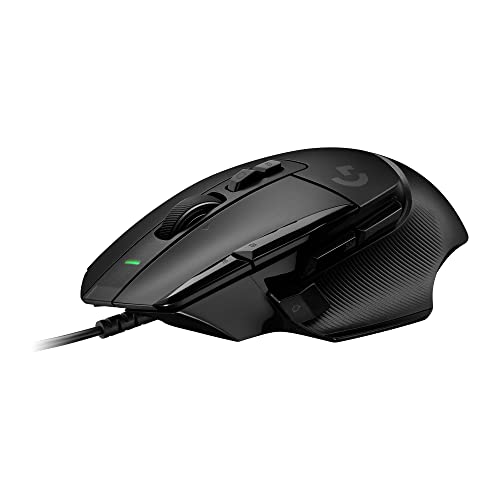
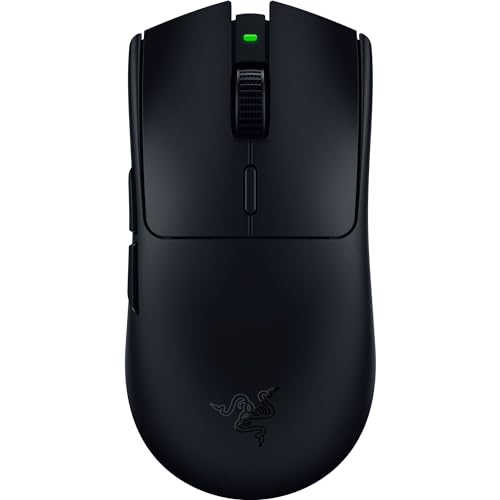


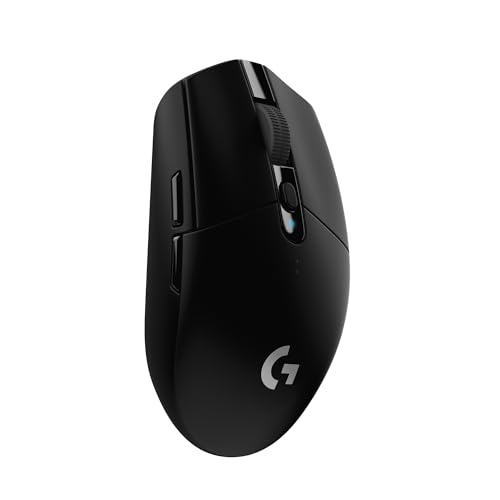
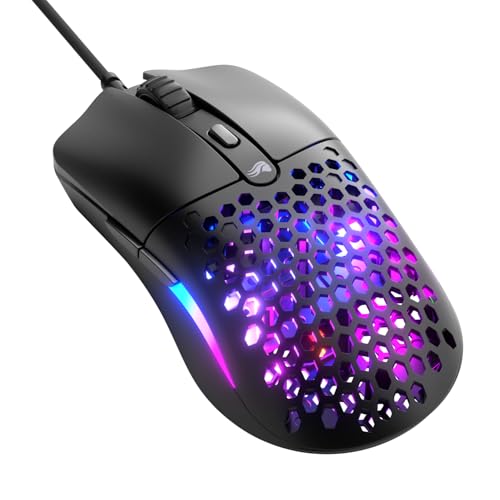
Who Should Buy Which Kind of Beginner Mouse?
Beginners often shop by headline numbers, yet daily use is a better guide. The four groups below describe common routines and the traits that serve each one. Find the group closest to your own routine, and treat its priorities as your starting shortlist criteria.
For Students and Everyday Users
You split your time between classes, homework, browsing, and casual games, so versatility matters more than extreme speed. Look for a medium size shape that stays comfortable through long study sessions, plus a battery that lasts weeks if you choose wireless. If you are building a full first desk setup at the same time, see our guide to the best gaming keyboard and mouse for beginners to match both pieces sensibly.
For Remote Workers and Creators
Your mouse earns its place during the workday first, so comfort and quiet operation come before flashy lighting. Ergonomic models with a sculpted right side and a gentle thumb rest reduce strain during long editing or design sessions. Bluetooth pairing with two or three devices lets you move between a laptop and a desktop without swapping cables. Prefer soft, muted clicks if you take calls at your desk.
For Travelers and Commuters
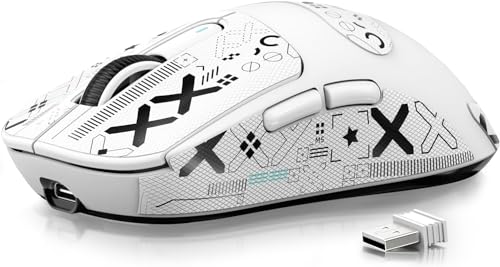
If your setup moves between home, campus, and coffee shops, size and durability lead the list. A compact, lightweight body slips into a laptop sleeve, and a stored USB receiver means one less loose part to lose. Wireless models with USB C charging are easy to top up from the same cable as your phone or laptop. Skip fragile, skeleton style shells with open holes, since dust and crumbs in a bag can reach the inside and affect the clicks and wheel.
For Gamers and Power Users
You play shooters or competitive titles most nights, so tracking accuracy and response speed deserve the largest share of your budget. Prioritize a flawless optical sensor, a polling rate of 1000 Hz, and a weight under about 80 grams for quick flicks. Wired models still deliver the most consistent connection for the money, though modern wireless is close behind. Once you outgrow a starter mouse, you can compare broader options in our guide to the best mouse for gaming for advanced features.
Key Features to Compare
Spec sheets can overwhelm a new buyer, so focus on the handful of features that change how a mouse feels and performs. The product table above lists these specs for each model, which makes direct comparison easier. Read each factor below with your own games and grip in mind.
Durability and Warranty
The left and right clicks take more wear than any other part, so check the switch rating, often stated in millions of clicks. Mechanical switches give a crisp, consistent press, and hot swappable designs on some models let you replace a worn switch instead of the whole mouse. A warranty of at least one year is a reasonable baseline, and two years is better for a mouse you use daily.
Sensor and Switch Performance
DPI describes how far the cursor moves for each inch the mouse travels, and most beginners play comfortably between 800 and 3200 DPI. Higher maximum DPI numbers look impressive but rarely improve your aim, so value smooth tracking at low settings more. Polling rate measures how often the mouse reports its position, and 1000 Hz is the gaming standard. That quick reporting pays off most on fast displays, and our guide to the best gaming monitors explains refresh rates if you plan to upgrade your screen too.
Beginner Friendly Features That Matter
Simple setup is a real feature when you are new. Look for a mouse that works well the moment you plug it in or pair it, with sensible default DPI steps you can change from a button on the body. Clear companion software matters too, since you will use it to assign side buttons and adjust lighting, then probably ignore it for months.
Wired vs Wireless Connections
Wired models cost less, never need charging, and have no battery to age, which makes them a smart first purchase on a tight budget. Wireless latency on current 2.4 GHz receivers is low enough that most beginners cannot feel a difference from a cable in real play. Bluetooth is slower and better saved for work or casual games, though it is handy for laptops without free USB ports. If you go wireless, a battery life of 50 hours or more keeps charging from becoming a weekly chore.
Weight and Build Quality
Weight changes how much effort each swipe takes. Light mice around 60 to 80 grams suit fast, low sensitivity play, while models near 100 grams feel steadier for browsing and strategy games. Build quality shows in the details you touch daily: even seams, a wheel without wobble, and feet that glide smoothly without scratching sounds. Ergonomic shapes support your hand for long sessions, while symmetrical shapes suit both hands.
How to Check Fit, Grip, and Desk Setup
Measure your hand from the tip of your middle finger to the base of your palm, then compare it with the length listed for any mouse you consider. As a rough guide, your mouse length should be about 60 percent of your hand length for a relaxed grip. Palm grip users rest the whole hand on the shell and need a fuller hump, claw grip users arch their fingers and suit shorter bodies, and fingertip users need a light, narrow mouse they can nudge precisely.
Your playing surface affects tracking just as much as the sensor does. A cloth pad gives controlled glide for shooters, while a hard surface feels faster for quick cursor work, and our guide to the best gaming mouse and pad walks through pairing the two. Check that your desk fits a pad at least 12 inches wide if you play on low sensitivity, since running out of pad mid game forces awkward lifts and resets. Leave slack in a wired cable or use a bungee so the cord never drags during wide swipes.
Common Mistakes to Avoid
Most regret purchases come from a few repeat errors rather than bad products. Skim this list before you order, and use it to sanity check the model at the top of your list.
- Chasing the highest DPI number, which leaves you with a cursor too jumpy to control and settings you will lower on day one.
- Ignoring hand size and grip style, which leads to finger cramps and a sore wrist after sessions that should feel easy.
- Paying extra for elaborate lighting and software suites, which adds cost without improving tracking, clicks, or comfort at all.
- Skipping the warranty and return window check, which leaves you stuck if a switch starts double clicking in the first months.
- Buying a tiny travel mouse for full time desk gaming, which forces a cramped grip and tires your hand during long matches.
Care and Maintenance Tips
A little routine care keeps tracking accurate and clicks feeling crisp. Wipe the shell weekly with a soft, slightly damp cloth, and clean around the scroll wheel and side buttons with a dry cotton swab. Blow dust from the sensor lens on the underside with short bursts of canned air, holding the can upright so no liquid sprays out. Never use strong solvents or soak any part of the mouse, since liquid damage is rarely covered by a warranty.
Update firmware through the companion app when the maker releases a fix, and read the release notes first so you know what changes. Your pad matters for care as well, because a gritty surface grinds down the mouse feet over time, and our guide to the best gaming mouse mat covers sizes and materials that protect both the desk and the mouse. Replace worn feet when glide feels scratchy, store a travel mouse in a padded pouch, and keep drinks away from your play area to avoid sticky switches.
Your Questions About Beginner Gaming Mice, Answered
The questions below cover the points new buyers ask most often. Each answer adds a detail that the main sections above did not fully cover, so they are worth reading even if you feel ready to order.
What Makes a Beginner Gaming Mouse Different From a Basic Office Mouse?
A beginner gaming mouse differs mainly in its sensor accuracy, click speed, and extra buttons for games. Office sensors can spin out or skip when you swipe fast, while a gaming sensor tracks rapid movement reliably. You also get adjustable DPI on the fly and software for button assignments. One practical bonus is the braided or flexible cable on wired models, which drags less than the stiff cable bundled with most office mice.
What DPI Should a Beginner Gaming Mouse Be Set to for Most Games?
Most new players should start a beginner gaming mouse at 800 to 1600 DPI and adjust in small steps from there. Lower settings give you finer control in shooters, while higher settings suit small desks and large monitors. A useful test is one full swipe across your pad turning your character about 360 degrees in game. Change only one step per session, because constant large changes stop your muscle memory from settling.
Does a Beginner Gaming Mouse Work With Mac Computers and Game Consoles?
Yes, a beginner gaming mouse works with Mac computers and most consoles for basic pointing and clicking. The catch is software: many companion apps are Windows only, so set your DPI and button layout on a PC first, and models with onboard memory will keep those settings on other systems. On consoles, mouse support depends on each game rather than the hardware, so check the title you play before expecting it to work in matches.
Are Mechanical Switches Worth It in a Beginner Gaming Mouse?
Mechanical switches are worth it if you want a firm, clear click feel and a long rated lifespan. They register each press with a distinct snap, which helps you avoid accidental double clicks during tense moments. Optical switches, the main alternative, use light to register presses and can feel slightly softer while resisting wear differently. For most beginners the difference is subtle, so let shape and sensor quality decide first, and treat switch type as a tiebreaker.
Should a Beginner Gaming Mouse Be Rechargeable or Use Replaceable Batteries?
A rechargeable beginner gaming mouse is the simpler choice for most desk setups, since you just plug in a USB C cable and keep playing while it charges. Models that use AA batteries can run for months and swap instantly, which suits travel or a shared family computer. One point in favor of replaceable batteries is long term ownership: a built in battery slowly loses capacity over years, while a AA slot never does.
The Bottom Line
Fit, sensor quality, and connection type are the three decisions that shape your experience most, so settle those before you compare lighting or extra buttons. Match the mouse to your main use case, whether that is study, remote work, travel, or competitive play, and let the product table above confirm the specs for your finalists. Chosen that way, a best beginner gaming mouse will feel like a natural extension of your hand and serve you well as your skills grow.