
Best Armor Sets Dark Souls 3 of 2026: Light, Medium and Heavy Compared
Disclosure: We may earn a commission when you buy through links on this page, at no extra cost to you. As an Amazon Associate I earn from qualifying purchases. Learn more
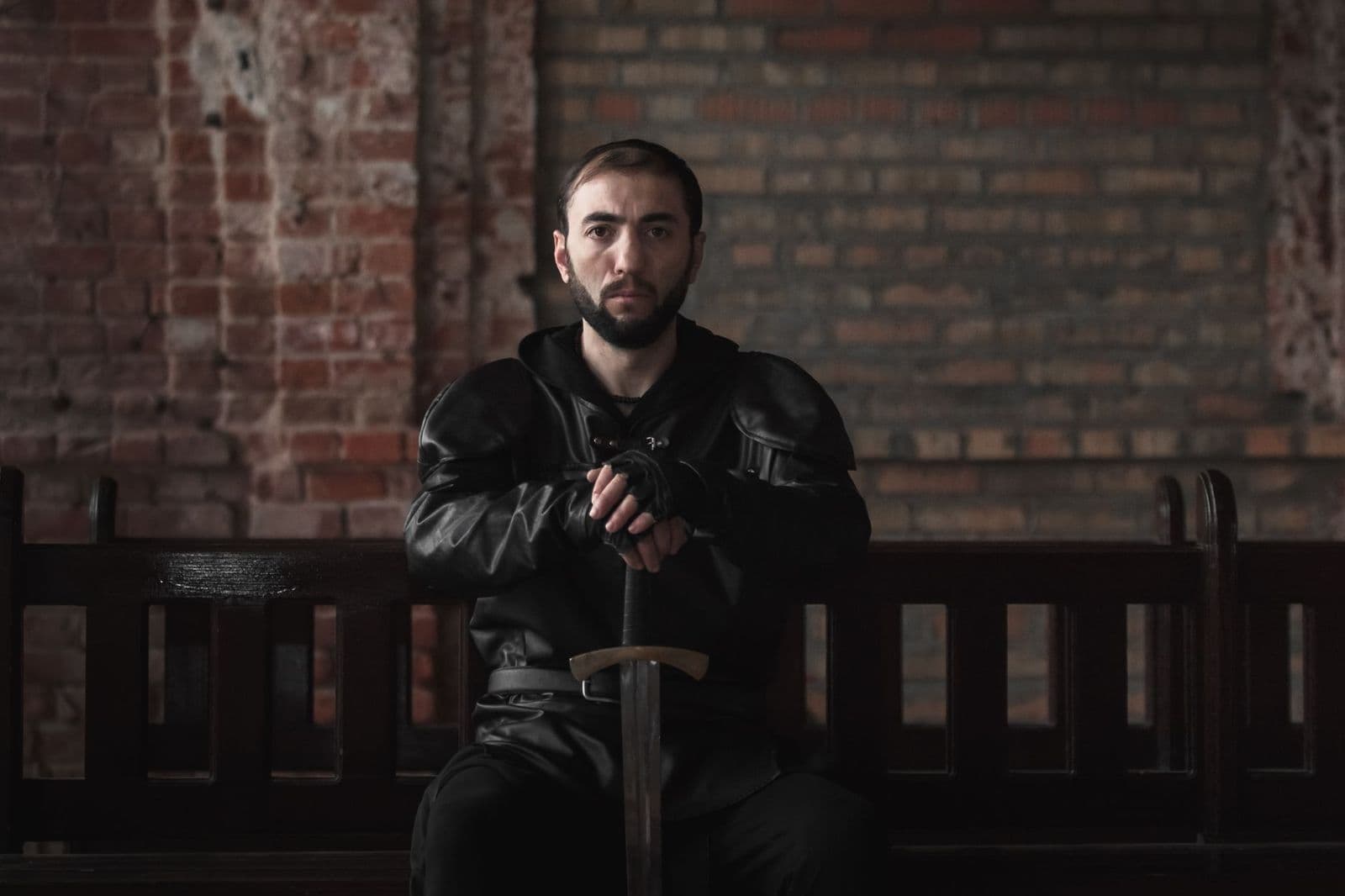
Match the best armor sets Dark Souls 3 offers to your build by weight, poise, defense and roll speed, with tips on mixing pieces.
Choosing the best armor sets Dark Souls 3 offers is a balancing act between protection, weight and the roll speed your build needs. A set that looks unbeatable on paper can slow your dodge so much that bosses punish you for wearing it. This guide explains the stats that matter, the three armor weight classes, and how to match a set to your weapon, your endurance and your playstyle.
Armor in this game is a build tool, not a shortcut. Dodging, stamina control and learning boss patterns will always matter more than defense numbers, but the right set makes mistakes cheaper.
Armor Stats That Matter in Dark Souls 3
Defense and Resistances
Each piece lists physical defense against strike, slash and thrust damage, plus defense against magic, fire, lightning and dark. Physical defense helps against most enemies, while elemental defense is worth a closer look before fire breathing bosses or magic casting areas. Resistances to bleed, poison, frost and curse reduce how fast status effects build up.
Poise
Poise lets you keep attacking when a light hit lands instead of being staggered. It matters most when you swing slow, heavy weapons that give enemies time to strike you mid animation. In this game poise does not stop big hits from staggering you, so treat it as a bonus rather than a reason to wear the heaviest set.
Weight and Equip Load
Your equip load decides your roll. Stay under roughly 30 percent of your maximum load for the fast roll, under about 70 percent for the medium roll, and anything above that gives the slow fat roll. Armor, weapons, shields and rings all count, so always check the total after you change gear.
Light, Medium and Heavy Armor Sets
Most sets fall into one of three groups. The group you pick should follow your build, because each one trades mobility for protection in a different way.
Light Armor
Light sets such as the Sellsword or Pyromancer gear keep your equip load low, which lets you roll quickly and recover stamina without much delay. They suit dexterity, magic and fast weapon builds that avoid hits instead of trading blows. The cost is low poise and lower defense, so mistakes hurt.
Medium Armor
Medium sets, including many knight style pieces, balance defense and mobility. They let most builds stay in the medium roll while still absorbing a fair amount of damage. If you are unsure which way to go, this group is the safest default for a first playthrough.
Heavy Armor
Heavy sets like Havel's give very high defense and poise. They suit strength builds with big weapons and shields, but you need strong endurance and often a ring that raises equip load to keep the roll workable. A heavy set on a low endurance character produces a slow roll that bosses exploit.
How to Choose the Best Armor Set for Your Build
Start with your weapon and the stat you level most. Then pick the heaviest set that keeps your preferred roll, and fine tune with individual pieces.
- Fast weapons and dodge focused builds do well in light armor and the fast roll.
- Balanced sword and shield builds run well in medium armor with the medium roll.
- Great weapons and tank builds can justify heavy armor if endurance and equip load support it.
- Casters should favor low weight and good magic defense, since they rarely trade hits.
Mixing pieces is often better than wearing a full set. A heavier chest with lighter legs can raise poise where it counts while saving weight, and some helmets are chosen for resistances only.
Best Armor Sets Dark Souls 3 Players Choose for Common Builds
A few sets come up again and again in build discussions because they solve a clear problem. Havel's gear is the classic choice for a heavy tank with a great weapon. Knight style sets are a sensible middle ground, with solid defense and moderate weight. Sellsword and Pyromancer pieces suit light builds that rely on rolling, and many players mix a favorite helmet with a different body to keep resistances balanced.
When you read a recommendation for the best armor sets Dark Souls 3 fans share online, check what weapon and endurance level the author assumed. A set that works for a level 120 strength build may feel clumsy on a lower level character, so treat other players' setups as a starting point and adjust the weight to your own numbers.
Also consider the area you are about to enter. Swamps and poison zones reward higher poison and toxic resistance, while fire and lightning heavy bosses reward elemental defense. Swapping a single helmet or pair of gloves for one fight is cheap and often more effective than changing your whole outfit.
Upgrading and Using Armor Wisely
Armor upgrades use titanite, which is also needed for your weapons. Weapon damage usually moves your progress more than a small defense gain, so upgrade your main weapon first and armor second. Once a set clearly fits your build, upgrade the chest and legs first, since they carry the most defense.
Check your equip load again after adding a ring, shield or new weapon, because a few extra points of weight can push you into a slower roll without any warning on screen. Fashion matters for enjoyment, but pick a set that does not hide enemy attacks in dark areas.
Common Mistakes to Avoid
- Wearing the heaviest armor available without enough endurance, which creates a slow fat roll.
- Upgrading every piece early, which wastes titanite that would improve your weapon.
- Chasing poise alone, even though most boss attacks stagger you anyway.
- Ignoring elemental defense before a fire or magic heavy area.
- Forgetting that rings and shields add weight to the same equip load.
Frequently Asked Questions
Does armor matter more than dodging in Dark Souls 3?
Dodging matters more. Most boss attacks can be avoided with timing, while armor only reduces the damage of hits you take. Good armor gives you a margin for error rather than replacing skill.
What roll should I aim for?
The fast roll below about 30 percent of equip load suits agile builds, while the medium roll below about 70 percent is a good target for most others. Reserve the fat roll for bosses you can fight patiently.
Should I wear a full set or mix pieces?
Mixing works well. You can combine a high poise chest with lighter gloves and legs, or choose a helmet for resistance. Full sets are simpler to equip and easier to compare.
When should I upgrade my armor?
Upgrade armor after your main weapon is at a comfortable level. Wait until you commit to a set, so you do not spend titanite on gear you will swap out.
Does fashion affect gameplay?
Not directly, but visibility can. Very dark or cluttered armor can make it harder to read enemy movements in dim areas, so choose a set you enjoy and can see clearly.
Final Thoughts
The right answer for the best armor sets Dark Souls 3 players can wear is the set, or mix of pieces, that keeps your preferred roll, covers the damage types you face, and suits your weapon. Build around equip load first, add defense and poise second, and spend upgrades where they help most. For other games in the series, see our guide to the best armor sets Dark Souls 2, or browse our general guide to the best armor sets.


