
Best Beginner Enduro Mountain Bike: Types Explained for 2026
Disclosure: We may earn a commission when you buy through links on this page, at no extra cost to you. As an Amazon Associate I earn from qualifying purchases. Learn more
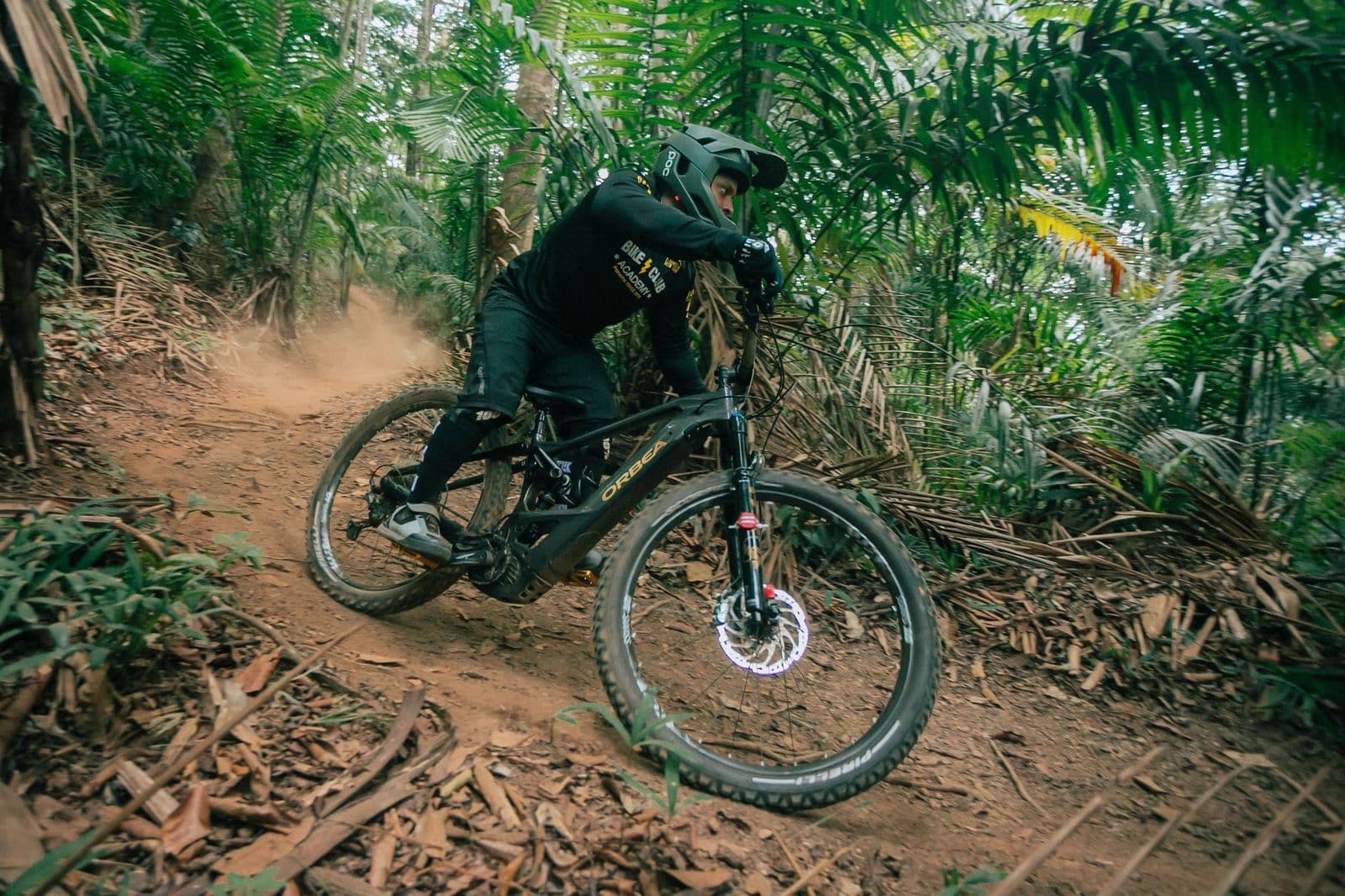
The best beginner enduro mountain bike depends on your trails and budget. Compare bike types, travel, brakes, fit and safety gear before your first descent.
Enduro sounds simple until you start shopping and meet hardtails, full suspension bikes, and electric models that all claim to suit new riders. This guide compares each type clearly so you can choose the best beginner enduro mountain bike for the trails you will actually ride, not the trails in a highlight video.
Fit, brakes, and suspension control matter far more for a first season than a flashy paint finish, so the sections below start with the bike types and then move to the details that decide how a bike feels on a steep trail.
Types of Enduro Mountain Bikes Compared
Enduro riding mixes long climbs with steep, rough descents, so bikes built for it use more suspension travel and stronger brakes than cross country bikes. Beginners, though, rarely need the longest travel option on day one. The types below cover the realistic entry points for a new rider.
Electric Mountain Bikes
An electric mountain bike adds a mid drive motor and a battery, usually rated in watt hours, to help you climb so you can save energy for descents. That help is real on long fire road climbs and lets newer riders repeat a descent several times in one outing. The trade offs are weight, price, and care. Most models weigh well over 45 lb, cost around $2,500 to $5,500 to start, and need battery charging and software care. Trail access rules also vary, so check whether your local trails allow the class of e bike you are considering.
Hardtail Mountain Bikes
A hardtail has a suspension fork at the front and a rigid rear end. It is lighter, simpler, and cheaper, often around $700 to $1,500, and it teaches clean line choice because the rear wheel follows the ground honestly. On truly rough enduro descents, though, a hardtail can feel harsh and tiring, and your legs become the rear suspension. A hardtail suits beginners whose local trails are moderate, who value low maintenance, and who want to build skill before spending more. If that sounds like you, compare notes with our guide to the best beginner mountain bike before you commit.
Full Suspension Trail Bikes
A full suspension trail bike, with about 130 to 150 mm of travel at both ends, is the most practical route into enduro style riding. It climbs well enough to ride without a motor and descends with real confidence on steep, rooty ground. Prices start around $1,500 to $3,000 for a quality aluminum model. True enduro bikes with 160 to 180 mm of travel add weight and are best left until your skills and local trails justify them.
Electric, Hardtail or Full Suspension: Which Should You Choose?
Choose electric if your climbs are long, your group rides motor assisted bikes, or a health or fitness limit would otherwise keep you off the trail. The motor flattens fitness gaps and makes big days possible sooner. Choose a hardtail if your budget is limited, your trails are moderate, or you want the lightest and simplest bike to maintain at home.
On cost, a hardtail leaves room in the budget for a good helmet, pads, and a service plan, which matter a lot in a first season. On weight, the hardtail wins for car racks and apartment stairs. On descent confidence, neither beats a full suspension trail bike, which is why many beginners who know they love rough trails skip straight to that type. Riders set on electric help should also read the best enduro mountain bike guide for the longer travel context.
How to Choose the Right Enduro Mountain Bike
Bike Type and Riding Style
Be honest about your weekly riding. Cross country trails reward a lighter bike with less travel, trail riding suits a balanced all round build, and true enduro terrain with steep rock and root sections justifies longer travel and stronger parts. Road, gravel, and hybrid bikes belong on different surfaces entirely and should not be stretched into trail use. If most of your miles will be on dirt singletrack with real descents, buy for that, and accept that the bike will feel slow and heavy on pavement.
Beginner Friendly Features That Matter
Hydraulic disc brakes are the single most valuable beginner feature, because they stop hard with light finger effort and stay consistent in wet conditions. A wide range drivetrain with one front chainring removes front shifting confusion and drops fewer chains. A dropper seat post, which lowers the saddle with a lever for descents, adds confidence on steep ground and is worth prioritizing over cosmetic upgrades. Tubeless ready wheels also help, since tubeless tires run at lower pressure for grip and seal many small punctures on their own.
Suspension (Hardtail vs Full Suspension) and Travel
Suspension travel is measured in millimeters. Around 100 to 120 mm suits smooth cross country trails, 130 to 150 mm covers most trail and light enduro riding, and 160 mm or more is aimed at steep, rough enduro courses. More travel adds weight and can feel vague on climbs, so match it to your terrain rather than buying the biggest number. Full suspension smooths descents and protects your body on long rough days, but it costs more and needs shock and pivot care that a hardtail avoids.
Sizing and Fit
Frame size charts start with your height, but reach and standover height decide whether a bike truly fits. You should be able to stand over the top tube with clear space, and on the bike you should feel balanced, not stretched or cramped. If you fall between sizes, most beginners do better on the smaller size for easier handling on tight trails. A short shop parking lot roll can reveal bars that are too wide or a saddle position that hurts, so use it before you buy when you can.
Safety deserves a direct word here. Enduro descents are high consequence for new riders, so budget for a quality full face or convertible helmet for steep trails, plus knee pads and gloves. Our guide to the best mountain bike enduro helmet explains fit and coverage. Build speed gradually, walk sections that exceed your skill, and ride with others while you learn a new trail system.
Tips to Get the Most From Your Enduro Mountain Bike
Check tire pressure before every ride, because a few pounds of pressure change grip and comfort more than most part swaps. Clean and lube the chain every 100 to 200 miles, and sooner after wet or dusty rides, to protect the drivetrain you paid for. Have a professional tune up yearly, including brake pad and suspension checks. Carry a multitool, a spare tube or plug kit, and water on every trail ride, even short ones, because a small mechanical issue far from the trailhead turns a good day into a long walk.
New riders often overlook cockpit setup. Set brake levers so your wrists stay straight, keep grips in good condition, and mark your saddle height once it feels right so you can restore it after transport. Riders shopping for a family member may also find the best women's mountain bike for beginners and best men's beginner mountain bike guides useful for fit notes by rider.
Enduro Mountain Bikes: Your Questions Answered
What makes enduro mountain bikes for beginners different?
They use more forgiving geometry, stronger brakes, and wider tires than cross country bikes, but in simpler and tougher builds than race models. A beginner focused setup favors a dropper post, a single chainring drivetrain, and tires with real tread over light weight. The goal is control and confidence on descents while you build skill, not the fastest possible climbing time.
What size bike do I need?
Start with the maker size chart for your height, then confirm standover clearance and a comfortable reach to the bars. Riders between sizes usually handle the smaller frame more easily on trails. Shoe and pedal position can change the feel slightly, so set saddle height so your knee keeps a soft bend at the bottom of the stroke. If pain shows up in knees, hands, or back on short rides, get a basic bike fit before blaming the frame.
What e bike class is legal where I live?
Rules vary by state, park, and trail system, so there is no single national answer. Many areas use a class system based on motor assistance and top assisted speed, and some singletrack trails allow no motor assistance at all. Check the land manager rules for the exact trails you plan to ride before you buy an electric model. A bike shop near those trails can usually tell you the current local policy in minutes.
Hardtail or full suspension for beginners?
Full suspension is the better match for true enduro terrain, because it keeps the rear wheel tracking rough ground and reduces fatigue on long descents. A hardtail is better for smaller budgets and smoother trails, and it builds skill quickly. If you already know your home trails are steep and rocky and you plan to ride them weekly, saving longer for full suspension usually beats buying a hardtail you outgrow in one season.
How much should I spend on my first bike?
Most beginners land between about $900 and $2,500 for a capable trail ready bike, with electric models starting higher. Below that range, brakes, forks, and wheels often limit trail safety and durability. Reserve part of the budget, roughly 15 to 20 percent, for a helmet, pads, a pump, and basic tools. Spending everything on the bike and nothing on protective gear is the most common first purchase mistake.
How far can an e bike go on one charge?
Range depends on battery size, rider weight, terrain, and how much assistance you use. A mid size battery around 500 to 625 Wh often covers roughly 25 to 50 miles of mixed trail riding, with steep climbing at high assistance at the low end. Lower assistance levels, smoother pacing, and correct tire pressure stretch range noticeably. Always start a remote ride with a full charge and a plan that does not depend on the last bar of battery.
Final Thoughts on Beginner Enduro Mountain Bike
Match the type to your terrain first, then fit, then brakes and suspension quality. A hardtail serves moderate trails and tight budgets, an electric model opens long climb days, and full suspension is the natural home for rough enduro ground. Protect your body with proper gear, and choose the best beginner enduro mountain bike you can control with confidence on your very first descent. Apply these checks to any best beginner enduro mountain bike you compare.


